Pancreatic Disease
 Call Kai
 Learn
 Practice Test
 Spaced Repetition
 Match
 Flashcards
 Knowt Play
1/96

There's no tags or description
Looks like no tags are added yet.
97 Terms
where can the pancreas be found
between the duodenum and stomach
has r and l lobes

dogs pancreatic ducts
2 ducts
-dorsal opens next to common bile duct on major duodenal papilla
-ventral or accessory opens on minor duodenal paplla

cats pancreatic duct
1 duct
-fuses with bile duct before opening on major duodenal papilla
-means that any inflam in area will cause block to duct with no back up

role of the pancreas
Exocrine = acinar cells
Endocrine = islets of Langerhans
acinar cells function
-secrete inactive digestive enzymes (zymogens) into intestinal lumen
-Enzyme inhibitors in the pancreas prevent autodigestion
how are zymogens activated
when cleaved by enterokinase
how does activation of zymogens in pancreas lead to pancreatitis
they are programmed tp do autodigestion so will begin to break down fats and proteins inside which is the tissue and can cause a blockage
endocrine cells of pancreas
islet of langerhans
islets of langerhans do
-secrete insulin
describe acute pancreatitis
-sudden onset
-little or no permanent changes after recovery
clinical effect of acute pancreatitis
variable
-some experience intensive and extended hospitalisation
-others less severe
can acute become chronic
yes
chronic pancreatitis
-continuing inflam disease
-irreversible changes as scar tissue creates fibrosis and atrophy
-lead to impairment of function (EPI, diabetes)
trigger for pancreatitis
often never identified
-hypertriglyceridaemia (schnauzer esp)
-high fat meal
-obesity
-hereditary/ breeds
acute pancreatitis breed predisposition
-terrier breeds
-minaiture schnauzer
-mini poodle
-dachsund
-cocker spaniel
chronic pancreatitis breed predisposition
-collie
-boxer
-ckcs
cat trigger for pancreatitis
often never identified
cat pancreatitis predispositions
none
signs of pancreatitis in cats
-GI disease
-vomiting
-bile reflux
triaditis in cats
-pancreatitis
-IBD
-cholangitis/cholangiohepatitis
pancreatitis risk factors
-pancreatic trauma → usually in surgery
-local inflam
-pancreatic ischaemia and hypoxia
-drugs or toxins
causes of pancreatic ischaemia and hypoxia
-shock
-severe acute anaemia
-dehydration
-hypotension (e.g. GA)
-occlusion of venous outflow during abdo surgery
drugs or toxins that can trigger pancreatitis
meglumine antimoniate (leishmaniosis treatment)
what is a common pathway for pancreatitis
-decreased secretion of pancreatic juices into intestine
-premature activation of digestive enzymes
-damage to pancreas
-inflam leads to pancreatitis
acute pancreatitis signs
-vomiting
-diarrhoea
-lethargy/weakness
-anorexia
cats common acute pancreatitis signs
-lethargy/weakness
-anorexia (suspect pancreatitis in any cat that is not eating or behaving normally)
severe acute pancreatitis signs
-shock
-collapse
signs on clinical exam of pancreatitis
-abdo pain→ cranial
-cranial abdo mass (inflam)
-mild ascites (inflam)
-dehydration
-pyrexia (not all)
-jaundice (extrahepatic bile duct obstruction)
diagnosis of pancreatitis
-clinical sins
-imaging
-specific pancreatic lipase immunoreactivity (PLI)

issue with biochem and haem for pancretitis
Changes on complete blood count, biochemistry, and urinalysis may be non-specific and variable
Serum may be lipaemic → affect results
haem of pancreatitis
-anaemia
-haemoconc (dehydration)
-leukocytosis (stress)
biochem of pancreatitis
-azotaemia (pre renal)
-elevated liver enzymes (cholangitis)
-hyperbilirubinaemia (serous block of bile duct)
-hyper (dm) or hypoglycaemia (septic)
-hypoalbuminaemia (loss of albumin in gut) (-ve acute phase protein)
-hypertrygliceridaemia (cause?)
-hypercholesterolaemia (cause?)
electrolytes with pancreatitis
-hypokalaemia (GI upset and reduced gastric emptying)
-hypocholoraemia
-hyponatraemia
-hypocalcaemia (necrosis of pancreas)
elevated liver enzymes assoc with
cholangitis
hyperbilirubinaemia assoc with
serous blockage of bile duct
hypoglycaemia assoc with
septic
hypocalcaemia assoc with
-necrosis of pancreas
-poorer prognosis in cat
pancreatitis immunoassays
-canine and feline specific
-SNAP and quantitative (spec cPL/fPL) tests
spec cPL/fPL

SNAP cPL/fPL

positive result on SNAP show
-could still be equivocal (outside normal range but not adly)
-need positive result with suggestive signs
-should follow with Spec cPLI/fPLI to confirm (to lab)
do negative result of SNAP mean no pancreatitis
does not rule out pancreatitis→ esp in cats
what other diseases cna cause a false pos cpli result
fb
intervertebral disc disease
CHF esp MVD
steroid excess: hyperadrenocorticism or on prednisolone
renal disease
parvo
TLI
Trypsin-like immunoreactivity – specific to canine and feline (cTLI and fTLI)
less sensitive or specific and limited diagnosis
increases rapidly in early stages then declines quick
important for EPI
amylase and lipase for pancreatitis
-non specific (influenced by hepatic, renal, intestinal, neoplasia)
-may increase suspicion but does not confirm
describe US for pancreatitis
-hyperechogenic fat
-pancreas enlarged and hypoechogenic (anechoic regions suggest necrosis)
-chronic has hyperechogenicity (fibrosis)
-pancreatic duct dilation (arrows)
-localised perineal effusion (star)
hard

radiography of pancreatitis
-rarely see evidence
decreased detail in cranial abdomen, displacement of abdominal organs
-rule out other differentials this way
treatment plan for pancreatitis
-correct fluids and electrolytes
-treat underlying cause
-analgesia
-anti emetics
-antibiotics
-steroids
why correcy fluids and electrolytes for pancreatitis
-improves pancreatic perfusion
-supplement potassium if hypokalaemic
what analgesia to use for pancreatitis
-avoid NSAIDs
-commonly used opioids like methadone, buprenorphine
-CRI ket or lidocaine
-off license morphine, fentanyl
anti emetics (after ruling out fb) for pancreatitis
-maropitant, metoclopramide CRI
-off license ondansetron
antibiotics to use for pancreatitis
only if evidence of infectious cause
-TMPS
-clindamycin
-metronidazole
-marbofloxicin
steroids for pancreatitis
-some evidence in acute for canine
-may benefit some chronic e.g. triaditis but cautious of side effects (DM)
-not the first thing to add in
when to start feeding again with pancreatitis
once vomiting controlled
maybe after antiemetic they eat themselves
if not → tube
dogs nutritional support
-high carb (fat protein rich diets stim pancreatic function)
-then low fat commercial diet
cats nutritional support
-less important
-base on concurrent disease (IBD, cholangitis, DM)
enteral feeding with what methods
-naso oesophageal tube
-oesophagostomy tube
feline outpatient support
-subcut fluids
-maropitant q24 po
-mirtazapine (appetite stimulant and anti emetic)
-buprenorphine
long term treatment pancreatitis dogs
-avoid high fat meals (fat restricted diet if recurrent bouts)
cats long term treatment pancreatitis
-prednisolone trial for 1 week then taper
prognosis for pancreatitis
-unpredictable and varies
-acute can be life threatening
-most need supportive care but do well long term
signs assoc with poor prognosis in pancreatitis
-patient continues to refuse food or cannot tolerate food
-hypocalcaemia in cats (acute necrotizing pancreatitis)
what could happen long term after pancreatitis
-potential for EPI or DM
pancreatic neoplasia examples (all rare)
-adenoma
-adenocarcinoma
-arcoma
-insulinoma
pancreatic adenoma
-benign, singular
-can obstruct pancreatic duct and cause EPI
pancreatic adenocarcinoma
-originate from duct system bit can arise from acinar tissue
-tumour necrosis can cause pancreatic inflam
-can spread to neighbouring or distant organs
pancreatic sarcoma
few cases
insulinoma
-hypoglycaemia with normal or elevated blood insulin
-can present as emergency
-steroids may be useful (insulin antagonism)
-common in ferrets
pancreatic neoplasia signs
-vomiting
-anorexia
-diarrhoea
-weight loss
-+/- jaundice
-signs assoc with metastatic lesions e.g. lameness, dyspnoea
insulinoma signs
-hypoglycaemia
-weakness
-tremor
-tachycardia
-seizure
-collapse
cats pancreatic adenocarcinoma symptom
paraneoplastic alopecia (shiny skin disease)
-alopecia of ventrum, limbs, face
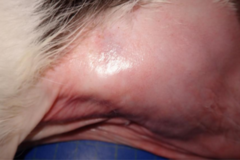
lab abnormalities of pancreatic neoplasia
Lab results may be unremarkable
Insulinoma: Hypoglycaemia with normal/elevated insulin
Some dogs have very high serum lipase
Paraneoplastic hypercalcaemia can occur
radiography of pancreatic neoplasia
-decreased contrast cranial abdo
-my see mass
-spleen caudally displaced
US of pancreatic neoplasia
-soft tissue mass in region of pancreas
-FNA attempt but may not exfoliate readily
-if peritoneal effusion, sample for cytology
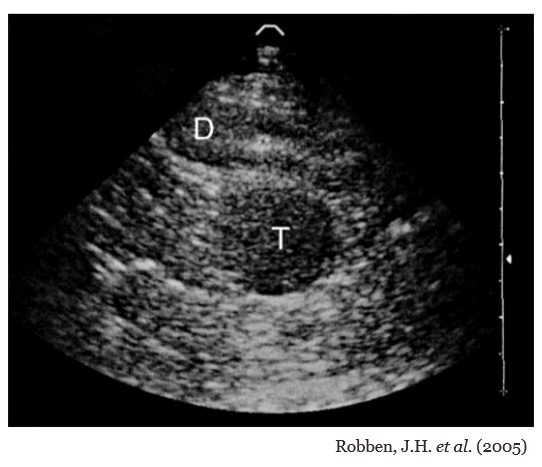
diagnosis of pancreatic neoplasia
-biopsy and histo
adenomas treatment
-treat if clin signs
-benign
If find during ex-lap – partial pancreatectomy to establish diagnosis
adenocarcinomas treatment
-grave prognosis
-metastatic disease often by time of diagnosis
-surgical resection attempted if not yet metastatic but clear margins rarely achieved
-little success with chemo and radiation
insulinoma treatment
-surgery if poss
-palliative meds like preds, diazoxide
epi=
Exocrine pancreatic insufficiency
pancrease not producing enough enzymes → cant digest fats properly
EPI in dogs
-commonly pancreatic acinar atrophy in young
-auto immune
-complex heritability
cats EPI
commonly chronic pancreatitis
causes of EPI
-pancreatic acinar atrophy
-chronic pancreatitis
-pancreatuc aplasia or hypoplasia
-pancreatic duct obstruction (neoplasia)
clin signs of EPI
-weight loss or stunted growth despite normal appetite or polyphagia
-dogs coprophagia or pica
-cats anorexic
-voluminous frequent fatty diarrhoea (steatorrhea)
-flatulence, boroborygmi
-vomiting
-polydipsia
-greasy hair coat

biochem of EPI
-liver enzymes increased
-hypocholesterolaemia
-concurrent DM: hyperglycaemia
folate with EPI
increased
cobalamin in EPI
low
TLI in EPI
low
treatment EPI
-supplement exocrine pancreatic enzymes (tabs or raw pancreas)
-cobalamin supp if low
prognosis for EPI
good but lifelong treatment
May respond less favourably if secondary to chronic pancreatitis
Diarrhoea and coprophagia/polyphagia can improve within days
Weeks or months to return to normal weight
dietary management of EPI
-normal food or highly digestible diet
-feed more than recc to promote weight gain
-avoid high fibre (alters fat digestion)
antimicrobials for dysbiosis in EPI??
-consider after enzyme supp and diet change
-consider pre and probiotics first
-tylosin at tapering
-faecal transplantation considered
10-year-old female neutered British shorthair
Hyporexia 3-4 days then anorexia 36h
Less interactive with owner
Vomiting green fluid once daily for 5 days
Previous history of pica
Up to date with vaccinations and normally fit and well
clinical exam
Mucous membranes pink and slightly tacky, capillary refill time 1.5 seconds
HR 220bpm, regular rhythm
Normal lung sounds
Cranial abdominal discomfort on palpation
Temperature 38.9°C
problem list?
Anorexia
Vomiting
Abdominal discomfort
Tachycardia
Behavioural changes
differentials for case
-intetsinal FB
-pancreatitis
-gastroenteritis
-pyelonephritis
-acute renal failure
-abdo neoplasia

haem and biochem of case
what next
radiography
radiography of case

what further testing of case would you like to run
little bit of gas → but not eating for few tests
can redo to see if moving through
-spec fPLI
-TLI
-cobalamin
-folate

diagnosis
Parameter | Value | Reference Range |
Spec fPL | 9.1 | 0.1 – 3.5 µg/L |
Trypsin-like immunoreactivity (TLI) | 148.4 | 12.1 – 82.0 ug/L |
Cobalamin (B12) | 460 | 270 – 1,000 ng/L |
Folate | 9.6 | 9.5 – 20.2 ug/L |
Highly suggestive of pancreatitis
Hospitalisation for:
Intravenous fluid therapy
Maropitant – 1mg/kg SC
Buprenorphine – 0.02mg/kg IM q8 hours
Mirtazapine 2mg PO q48h
when discharged home, what will you send case with
After 24 hours, discharged home on:
Maropitant 1mg/kg SC q24h
Mirtazapine 2mg q48h PO
Buprenorphine transmucosal 0.02mg/kg q8h