Organic Chemistry Unit Test
 Call Kai
 Learn
 Practice Test
 Spaced Repetition
 Match
 Flashcards
 Knowt Play
1/98

There's no tags or description
Looks like no tags are added yet.
99 Terms
Addition Reactions
two reactants - alkyne or alkene and small molecules
one product - alkane, organic halide, or hydrogen halide
addition reaction types
hydrogenation
halogenation
hydrohalogenation
hydration
substitution
two reactants - alkane or aromatic and halogen
needs UV light (hv)
two products - organic/hydrogen halide or alcohol and ionic salt
elimination alcohols
one reactant: alcohol
-OH and -H removed
two product: alkene and water
elimination dehydrohalogenation
two reactants - organic halide and hydroxide
product: alkene, water, halide ion
elimination dehalogenation
one reactants - organic halide
product: alkene, halide ion
elimination dehydration
alkene + water → alcohol
combustion
hydrocarbons react with oxygen in exothermic reaction
complete combustion: CO2 + H2O
incomplete combustion: CO2 + H2O + C + CO
esterification
two reactants: carboxylic acid/alcohol
two product: water/ester
polymerization addition
unsaturated monomers join together
remove double bond to become saturated
polymerization condensation
remove ending molecules (-H and -OH) and adding together
monomers must have two functional groups
natural polymers
DNA
carbohydrates
proteins
synthetic polymers
nylon
kevlar
plastics
polymers
Not all are long straight chains
not always formed from identical monomers
Not all condensation polymers form water
isomer
same molecular formula, different properties and structure
determines types of intermolecular attractions
isomer determinations physical
melting/boiling points
solubility in water
types of isomers
positional
chained
Functional Group
Positional Isomerism
functional group on different carbons
Chain Isomerism
longest hydrocarbon chain is not the same
some have branches
Functional Group Isomerism
different chemical properties for different type of functional groups with same labelling
Homologous Series
series of organic compounds with similar features and chemical properties
same functional group
Functional Group
arangement of atoms or bonds deteriming physical and chemical properties in a molecule
boiling point/solubility order (strongest to weakest)
carboxylic acid
alcohol
ester
halides
alkynes
alkene
alkane
cracking
larger molecules broken down at high temperature to produce smaller molecules
with or without catalysts
Reforming
technological process of converting molecules into larger molecules
Fractional Distillation
seperate parts of substance are separated from each other
molecules in each fraction have similar properties and boiling points
top fractional distilation
Small Molecules (less carbons)
Weak IMFs
Low Molar Mass
Lower Boiling Point (lower temperature)
Lower Viscosity
bottom fractional distilation
big Molecules (more carbons)
strong IMFs
high Molar Mass
higher Boiling Point (higher temperature)
higher Viscosity
solvent extraction
seperate compounds based on solubility
immiscible liquids layer
solvent extraction process
methyl red and blue aqueous copper form purple solution
pentan-1-ol added and floats on top
alcohol layer becomes red and floats on top of blue layer (like dissolves like)
distillation
using the boiling point to seperate different liquids
increase boiling point when finished seperating a liquid
Carboxylic Acid
hydrocarbon derivative
CnH2nO2
weak acid
Carboxylic Acid reacting with metals
form a salt and hydrogen gas
Carboxylic Acid reacting with carbonates
form a salt, water, and carbon dioxide gas
R Group Carboxylic Acid
aliphatic
aromatic
carboxyl/functional group
COOH
first carbon
esters
reactions between carboxylic acid and alcohol
contains COO functional group
Carboxylic Acid and alcohol R Group
aliphatic or aromatic
ester linkage
halfway between alcohol and carboxylic group
alcohol side - ester
the same side as the oxygen
ester functional group
COO
Alcohol
hydrocarbon derivative
one or more (-OH) functional groups
Alcohol groups
Alkanes
Alkenes
Alkynes
Aromatics
alcohol order
primary
secondary
tertiary
alcohol multiple OH
1 –ol
2 –diol
3 –triol
alcohol boiling point
higher boiling point when carbon chain increases
Halides
containing halogen atom bonded to carbon atom
halide groups
Alkanes
Alkenes
Alkynes
Aromatics
halogen naming
iodo
chloro
fluoro
bromo
halogens
one or more in halide
functional group
halide boiling point
higher boiling point when the halogen is bigger (down group 17)
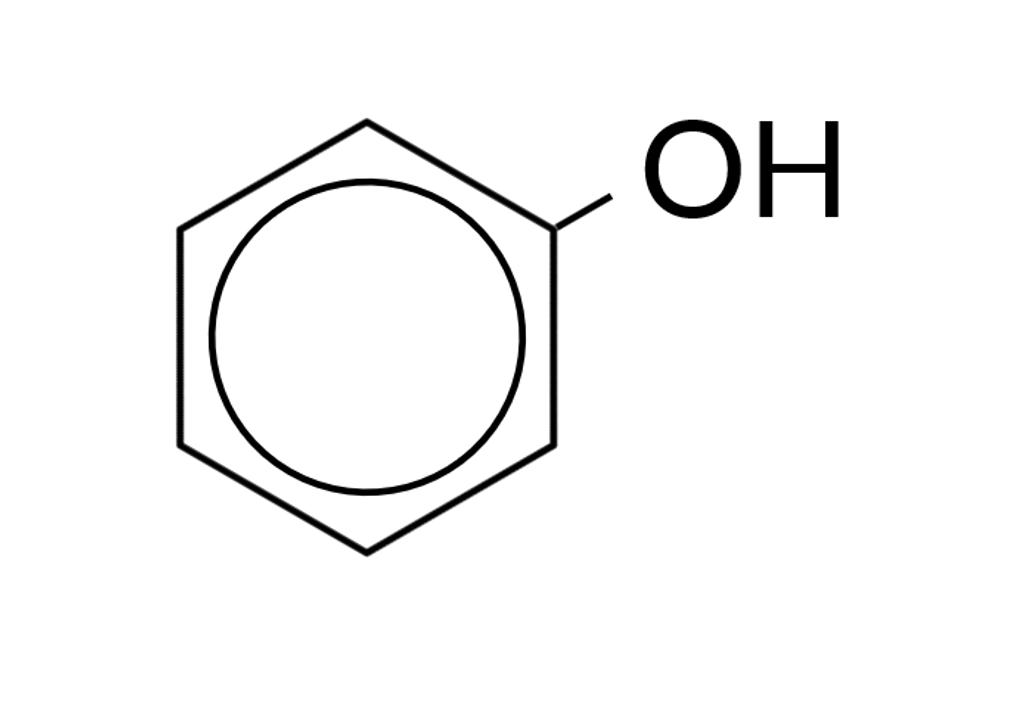
IUPAC name
phenol
Alkene
carbon-carbon double covalent bonds
unsaturated hydrocarbons
general formula Cn H2n
alkene structures
long continuous chains
branched chains
ring structures
diagnostic test
alkane - bromine water/KMnO4 and substance do not react - seperate
alkene - bromine water/KMnO4 and subtsance turn clear - react
Naming Straight Chained Alkenes
end in -ene
root numbered to nearest double bond
Naming Branched Alkenes
longest carbon chain is the parent chain
root numbered to nearest double bond
branches in alphabetical order
Cycloalkene
cyclic hydrocarbon
at least one carbon-carbon double covalent bond
general formula Cn H2n- 2
Naming Cyclic Alkenes
longest carbon chain is the parent chain
carbons with the double bond are the first and second carbons
branches in alphabetical order
Alkyne
one or more carbon-carbon triple covalent bonds
unsaturated hydrocarbon
general formula Cn H2n-2
boiling point alkyne
increase as shape becomes more linear and more carbon
Naming Straight Chained Alkynes
end in -yne
root numbered to nearest triple bond
Naming Branched Alkynes
longest carbon chain is the parent chain
root numbered to nearest triple bond
branches in alphabetical order
Aromatic
structure based on benzene/benzene-like ring

benzene ring
6 carbon
same length and strength
Naming Branched Aromatics
chain less than or equal to 6 - parent chain
chain less more than or equal to 7 - branch, phenyl
hydrocarbon
only contains carbon and hydrogen atoms
aliphatic
broad class of hydrocarbons
straight, branched chains, rings
alkane
alkene
alkynes
not aromatics
number prefixes
meth
eth
prop
bute
penta
hexa
hepta
octa
nona
deca
undeca
dodeca
cycloalkanes
have a ring
more than three
cyclo- prefix
branches in alphabetical order
number of carbon bonds
single: an
double: en
triple: yn
homologuos series
same general formula
Similar chemical properties
same functional group
increase in their physical properties
alkane
only carbon-carbon single covalent bonds
general formula CnH2n+2
saturated hydrocarbon
compound of hydrogen and carbon
only carbon-carbon single bonds
bonded to maximum possible atoms
linear alkane
only bonded to hydrogen atoms
branched alkane
fully saturated
no double/triples bonds
straight chained alkanes
longest chain of carbon atoms
substituent
atoms substituted in place of hydrogen
branch
naming branched alkanes
find longest carbon chain
identify the branch
number chain - nearest substituent
designate location of branch
list branches alphabetically
organic compound
carbon-containing compound
carbon atoms bonded to each other, hydrogen, or other elements
hydrocarbons
contain only carbon and hydrogen atoms
hydrocarbon derivatives
replaced a hydrogen atom with a functional group/combination of atoms
organic carbon
can form single, double, triple bonds
excepetions (no carbon-hydrogen bonds)
carbon tetrachloride
carbon tetrahalides (group 17)
urea
inorganic compound
compound that does not contain carbon
no carbon-carbon or carbon-hydrogen bonds
inorganic compound examples
carbon dioxide (CO2)
carbon monoxide (CO)
carbon monosulfide (CS)
carbonates (CO32-)
carbon disulfide (CS2)
cyanide (CN)
carbides (C22-)
ten significant organic compounds
methane
benzene
methanol
glucose
octane
propane
polyethylene
ethane
ethanol
ethanoic acid
methane
CH4
produce electricity by burning as a fuel
heating/car fuel
methanol
CH3OH
stunt/race cars
anti-freeze
ethane
C2H6
plastics
anti-freeze
detergent
ethanol
C2H5OH
fuel
alcoholic beverage
hand sanitizer
ethanoic acid
CH3COOH
food additive
cleaning
propane
C3H8
water heater
laundry dryers
barbecues
motor vehicles
benzene
C6H6
plastic resins
synthetic fibres
dyes
detergent
drugs
pesticides
octane
C8H18
a fuel
create enough energy when combusted
glucose
C6H12O6
most important source of energy in all organisms
polyethylene
[C2H4]
plastic parts
global warming potential factors
radiation and wavelengths that gas absorbs
time gas stays in the atmosphere before washed out by rain water
current concentration of gas in the atmosphere
indirect affetcs of gas
greenhouse effect
radiation travels towards the earth
some heat goes out
light reflected
some heat/energy absorbed by greenhouse gas or earth’s surface