Chapter 1
 Call Kai
 Learn
 Practice Test
 Spaced Repetition
 Match
 Flashcards
 Knowt Play
 Podcast
1/173

There's no tags or description
Looks like no tags are added yet.
Name | Mastery | Learn | Test | Matching | Spaced | Call with Kai | Chat |
|---|
No analytics yet
Send a link to your students to track their progress
174 Terms
Anatomy
Scientific discipline that investigates the body’s structure, such as the size and shape of a bone.
Physiology
Scientific investigation of the processes or functions of living things.
Gross
Structures examined without a microscope.
Regional
Studied area by area.
Systemic
Studied system by system.
Surface
External form used to visualize deeper structures.
Cytology
Study of cellular anatomy and requires a microscope.
Histology
Study of tissues and requires a microscope.
Anatomical Imaging
Uses radiographs (x-rays), ultrasound, magnetic resonance imaging (MRI), and other technologies to create pictures of internal structures.

X-Ray
Electromagnetic radiation moves through the body and is exposed on a photographic plate, creating a radiograph.

Ultrasound
Sound waves pass into the body and bounce back to the receiver, visualized as a sonogram.

Computed Tomography
Computer-analyzed x-ray images.
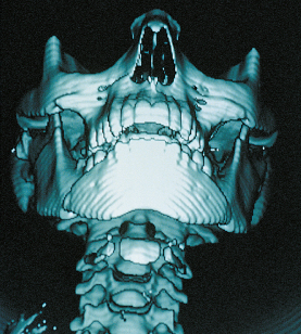

Digital Subtraction Angiography (DSA)
Similar to a CT scan but uses a radiopaque dye to enhance differences in areas.

Magnetic Resonance Imaging (MRI)
Radio waves directed to the patient while under an electromagnetic field; radio waves collected and analyzed by computer.
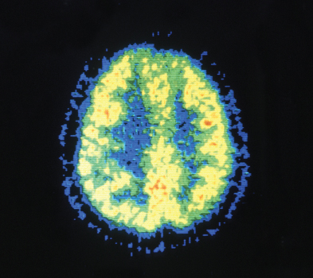
Positron Emission Tomography (PET)
Radioactively labeled glucose usage by a tissue is detected and it provides info on metabolic state.
Cell Physiology
Examines Processes in cells
Systemic Physiology
Functions of organ systems.
Neurophysiology
Focuses on the nervous system.
Cardiovascular Physiology
The heart and blood vessels.
Pathology
Structural and functional changes caused by disease
Exercise Physiology
Changes in structure and function caused by exercise.
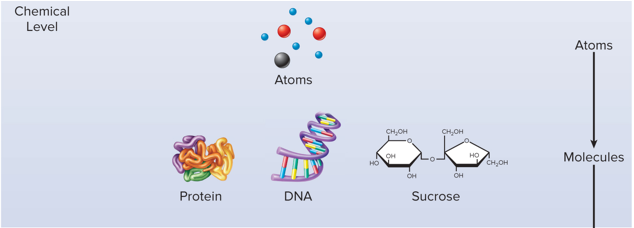
Chemical Level
Interaction of atoms and molecules.

Cell Level
Structural and functional unit of living organisms.
Organelles
Combinations of molecules for structures that carry out specific functions inside a cell.

Tissue Level
Group of similar cells and the materials surrounding them. Four types: Epithelial, Connective, Muscular, and Nervous.

Organ Level
Two or more tissues functioning together.
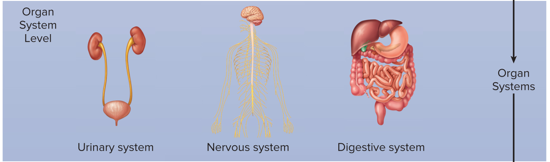
Organ System Level
Group of organs functioning together.

Organism Level
Any living thing, whether composed of one cell or many.

Integumentary System
Provides protection, regulates temperature, prevents water loss, and helps produce vitamin D. Consists of skin, hair, nails, and sweat glands.

Skeletal System
Provides protection and support, allows body movements, produces blood cells, and stores minerals and fat. Consists of bones, associated cartilages, ligaments, and joints.

Muscular System
Produces body movements, maintains posture, and produces body heat. Consists of muscles attached to the skeleton by tendons.
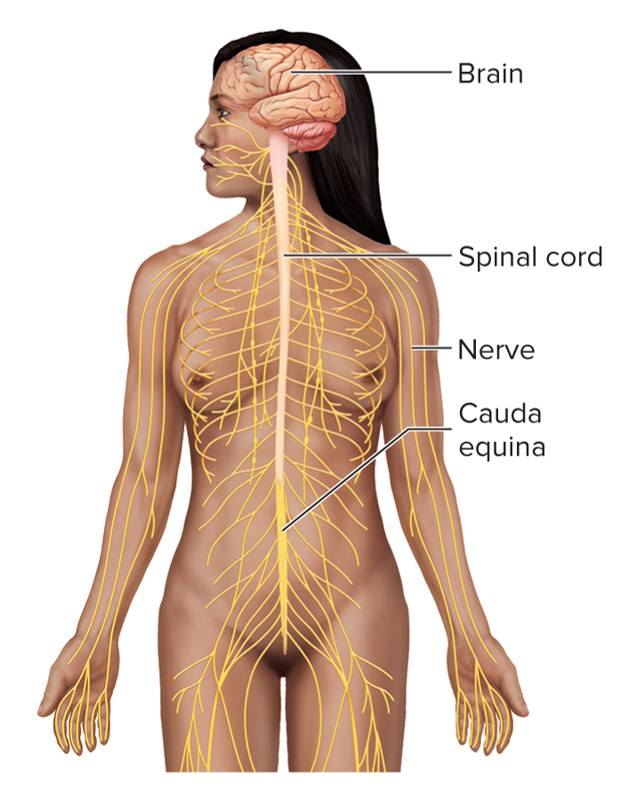
Nervous System
A major regulatory system that detects sensations and controls movements, physiological processes and intellectual functions. Consists of the brain, spinal cord, nerves and sensory receptors.
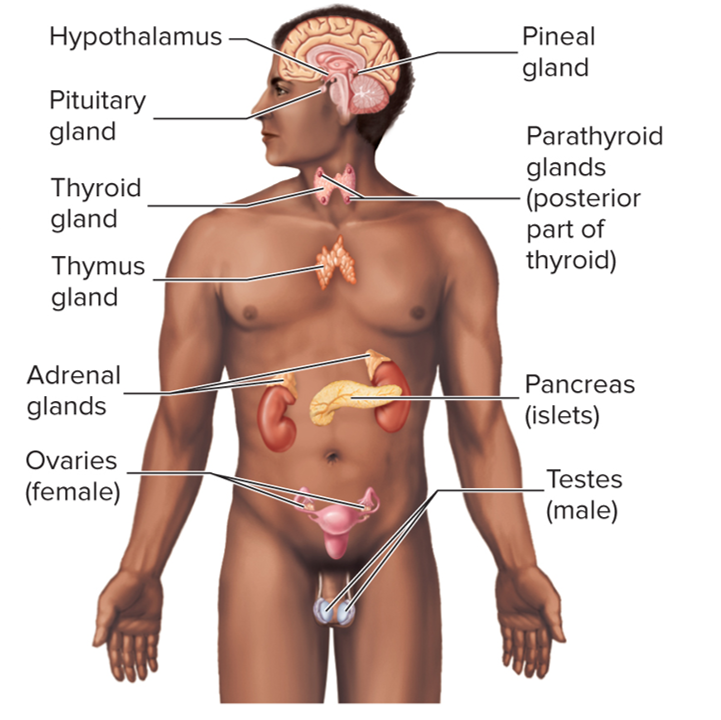
Endocrine System
A major regulatory system that influences growth, reproduction, and many other functions. Consists of glands, such as the pituitary, that secrete hormones.

Cardiovascular System
Transport nutrients, waste products, gases and hormones throughout the body; plays a role in the immune response and regulation system of body temperature. Consists of the heart, blood vessels, and blood.

Lymphatic System
Removes foreign substances from the blood and lymph, combats disease, maintains tissue fluid balance, and absorbs fats from the digestive tract. Consists of the lymphatic vessels, lymph nodes, and other lymphatic organs.

Respiratory System
Exchanges oxygen and carbon dioxide between the blood and air & regulates blood pH. Consists of the lungs and respiratory passages.

Digestive System
Performs the mechanical and chemical processes of digestion, absorption of nutrients, and elimination of wastes. Consists of the mouth, esophagus, stomach, intestines, and accessory organs.

Urinary System
Removes waste products from the blood and regulates blood pH, ion balance, and water balance. Consists of the kidneys, urinary bladder and ducts that carry urine.

Female Reproductive System
Produces oocytes and is the site of fertilization and fetal development; produces milk for the newborn; and produces hormones that influence reproductive function and behaviors. Consists of the ovaries, vagina, mammary glands, and associated structures.

Male Reproductive System
Produces and transfers sperm cells to the female; produces hormones that influence reproductive functions and behaviors. Consists of the testes, accessory structures, ducts, and penis.
Organization
Condition in which there are specific interrelationships and functions among the parts of an organism. One of the characteristics of life. The ability to maintain this characterist of life leads to disease and death.
Metabolism
The ability to used energy to perform vital functions; All chemical reactions of the body; One of the characteristics of life.
Responsiveness
Ability to sense changes in the interior and exterior environment and adjust; cell-to-cell communication is necessary. One of the characteristics of life.
Growth
Increase in size and/or number of cells. One of the characteristics of life.
Development
Changes in an organism over time. One of the characteristics of life.
Differentiation
Type of development (one of the characteristics of life) that involves changes in a cell’s structure and function from an immature, generalized state to a mature, specialized state. When cells after fertilization become different cell types, like skin cells or bone cells.
Morphogenesis
Type of development (one of the characteristics of life) that is the change in the shape of tissues, organs, and the entire organism.
Reproduction
Formation of new cells or new organisms for growth and development; allows organisms to pass on their
genes to their offspring.

Homeostasis
Maintenance of a relatively constant internal environment within the body.
Variables
Changes in internal body conditions that are not constant.
Normal Range
The narrow scope in which all variables need to be maintained in the body for our cells to function properly.
Set Point
The ideal normal value at which body condition is maintained.
Feedback Loops
Allows for a process to be regulated by the outcome.

Negative Feedback Loop
Regulates most systems in the body; counteracts a change in variable by decreasing the change to help maintain homeostasis. Examples: Body temperature and blood pressure during exercise.

Positive Feedback
When a deviation occurs, the response is to make the deviation greater. Unusual in healthy individuals, leads away from homeostasis and can result in death. Examples: childbirth, lactation, and blood clotting. Effectors continue the response beyond the set point until the original stimulus is removed.

Types of Body Positions
Antomical, Supine and Prone.
Anatomical Position
Body erect, face forward, feet together, and palms facing forward.

Supine Position
Laying face upwards.

Prone Position
Laying face down.

Directional Terms
Superior, Inferior, Medial, Lateral, Proximal, Distal, Superficial, Deep, Anterior,Posterior, Right and Left.

Superior (Cephalic)
Up towards the head. A structure above another. Chin is to the naval.
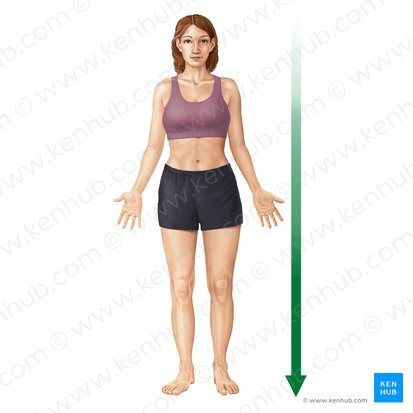
Inferior (Caudal)
Down and away from the head. A structure below another. Naval to the chin.

Medial
Toward the middle of the body. The nose to the eye.
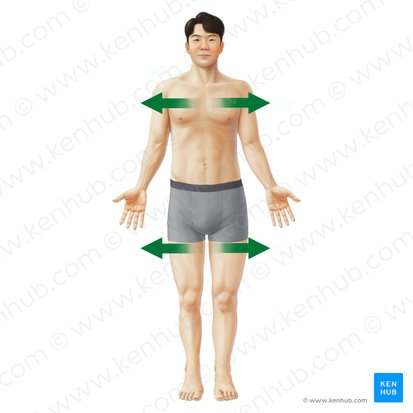
Lateral
Away from the middle of the body. Nipple to the breast bone.

Proximal
Up for arms and legs. Closer to the point of attachment to the body. Elbow to the wrist.

Distal
Down for arms and legs. Farther from the point of attachment to the body. Wrist to elbow.

Posterior (Dorsal)
Down towards the back, lower in the body. Spine to the breast bone.

Anterior (Ventral)
Up towards the front of the body. The naval to the spine.

Deep
Inside the body. Away from the surface. Lungs to the ribs.

Superficial
Outside the body. Toward or on the surface of the body. Skin to muscle.
Head
Frontal, Orbital, Nasal, Oral, Otic, Buccal, Mental, Cranial, Occipital & Nuchal.
Cranial
Skull
Occipital
Back of skull
Nuchal
Back of neck
Mental
Chin
Buccal
Cheek
Otic
Ear
Frontal
Forehead
Orbital
Eye
Nasal
Nose
Oral
Mouth
Cervical
Neck
Thoracic (Thorax)
Pectoral, Sternal, Mammary.
Pectoral
Chest
Sternal
Breast bone
Abdomen
Abdominal & Umbilical
Abdominal
Abdomen
Umbilical
Naval
Pelvis
Pelvic, Inguinal, Pubic
Pelvic
Pelvis
Inguinal
Groin
Pubic
Genital
Trunk
Thoracic, Abdominal, Pelvis, Dorsal, Sarcal, Gluteal & Perineal
Dorsal
Back
Scapular
Shoulder Blade
Lumbar
Lower back
Sacral
Between the hips
Gluteal
Buttock
Perineal
Perineum
Upper Limb
Clavicular, Axillary, Brachial, Antecubital, Antebrachial, Carpal, Manual, Acromial, Olecranon, & Dorsum