Chapter 11: Regulation of Gene Expression
 Call Kai
 Learn
 Practice Test
 Spaced Repetition
 Match
 Flashcards
 Knowt Play
1/46

47 Terms
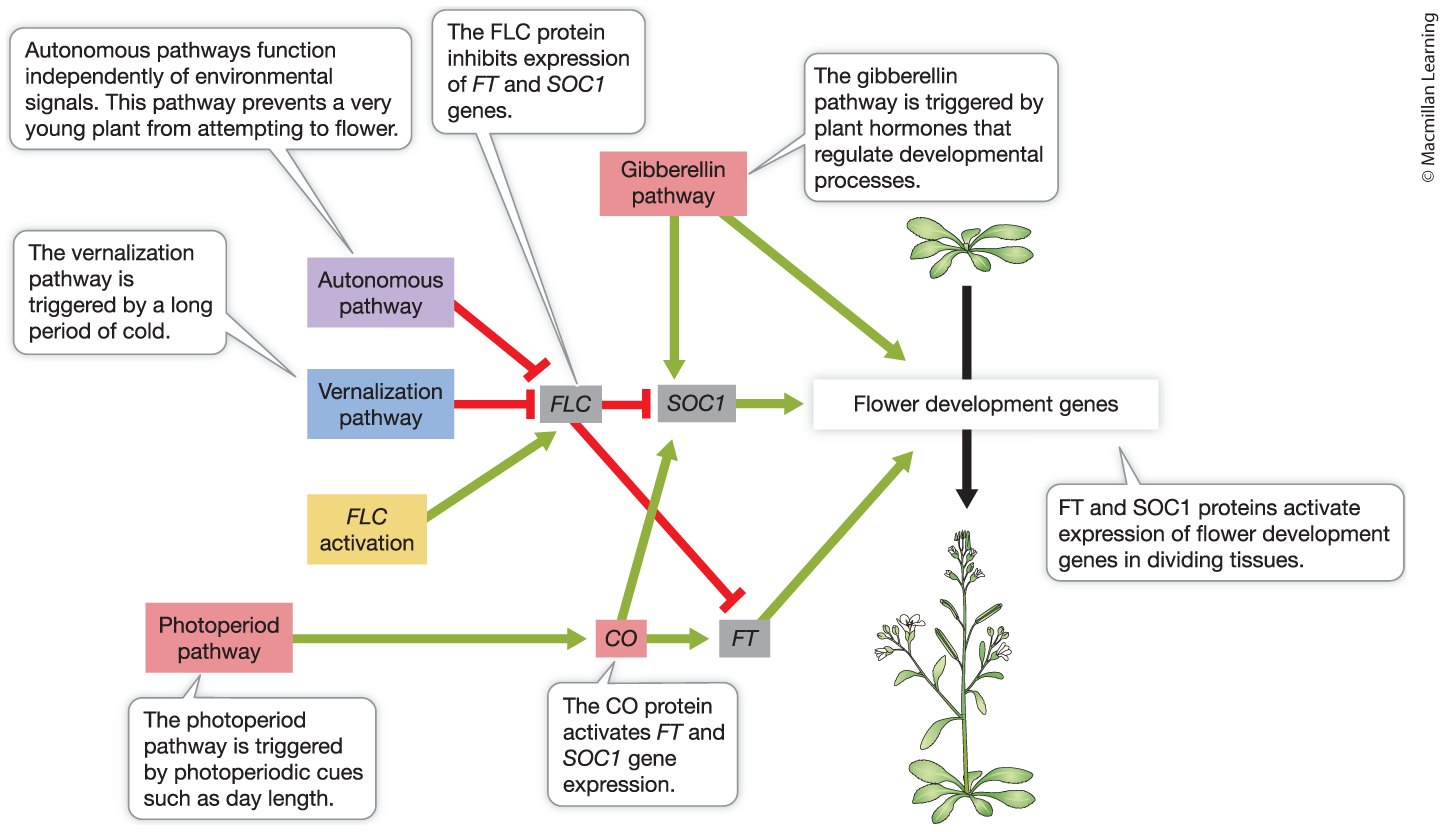
Regulatory networks
Collections of interacting regulators that determine the expression level of a gene
Allows for multi-faceted gene expression
Transcription regulation
The most common type of regulation due to the need for energy conservation
Inducers
Compounds that stimulate the transcription of specific inducible genes
Includes genes required in particular conditions, such as those for triglyceride synthesis given high glucose levels
Generally control catabolic pathways
Repressors
Compounds that reduce the transcription of specific repressible genes
Includes genes that are normally expressed with reduced functionality when the product is present, such as synthesizers of nonessential amino acids
Generally control anabolic pathways
Constitutive genes
Genes that are expressed most of the time at a constant rate in all cells
Includes genes required for protein synthesis, such as tRNAs and ribosomal proteins

Transcription factors
Regulatory proteins that control whether a gene is active; includes repressors and activators
Type of activation does not imply repressibility or inducibility, as both kinds may apply

Negative regulation
A type of regulation where a transcription factor binds to a specific site to reduce or prevent transcription
Transcription factor serves as a repressor

Positive regulation
A type of regulation where a transcription factor binds to a specific site to increase transcription
Transcription factor serves as an activator
DNA binding domain
The region in a protein that is able to bind to a particular sequence of DNA
Enables recognition of specific sequences by transcription factors
Sigma factors
Transcription factors present in prokaryotes, with expression changing with the environment
Enables multiple genes to be expressed simultaneously

Beta-galactoside
A disaccharide containing galactose linked to glucose
Includes the compound lactose
Induces beta-galactosidase and permease levels to increase following mRNA transcription
Permease
A carrier protein in the bacterial cell membrane that moves lactose into the cell
Beta-galactosidase
An enzyme that hydrolyzes lactose to glucose and galactose
Operon
A cluster of genes with a single promoter
Seen in prokaryotic responses to lactose producing three mRNA strands via one promoter, termed lac

Lac operon
The operon that encodes the three lactose-metabolizing proteins in prokaryotes
Has variable rates of efficiency depending on environment as an inducible operon
Contains an operator that controls transcription of the genes following promotion, with a repressor negatively regulating production
Activation occurs in the presence of allolactose, a lactose byproduct, which allosterically binds to the repressor
Also requires the absence of glucose
Operator
A transcription factor binding site that reduces transcription rates when bound to a repressor
Typically examples of negative regulation when the repressor is bound, only allowing activation following a change of conditions (such as the addition of allolactose in prokaryotes)
Regulatory gene
A gene that encodes a regulatory protein
One for the regulatory protein of the lac operon is located upstream of it
Structural gene
Any gene that encodes a protein that is not directly involved in gene regulation
Seen with the three lactose-metabolizing enzymes due to their lack of regulatory power

Trp operon
The operon that encodes five enzymes that catalyzes the synthesis of tryptophan from a precursor, as a repressible operon
Repression requires the presence of a co-repressor, which binds to the operon’s repressor to change shape and enable binding as a form of allosteric regulation
Here, tryptophan serves as the co-repressor, due to it always being needed until sufficient levels are reached
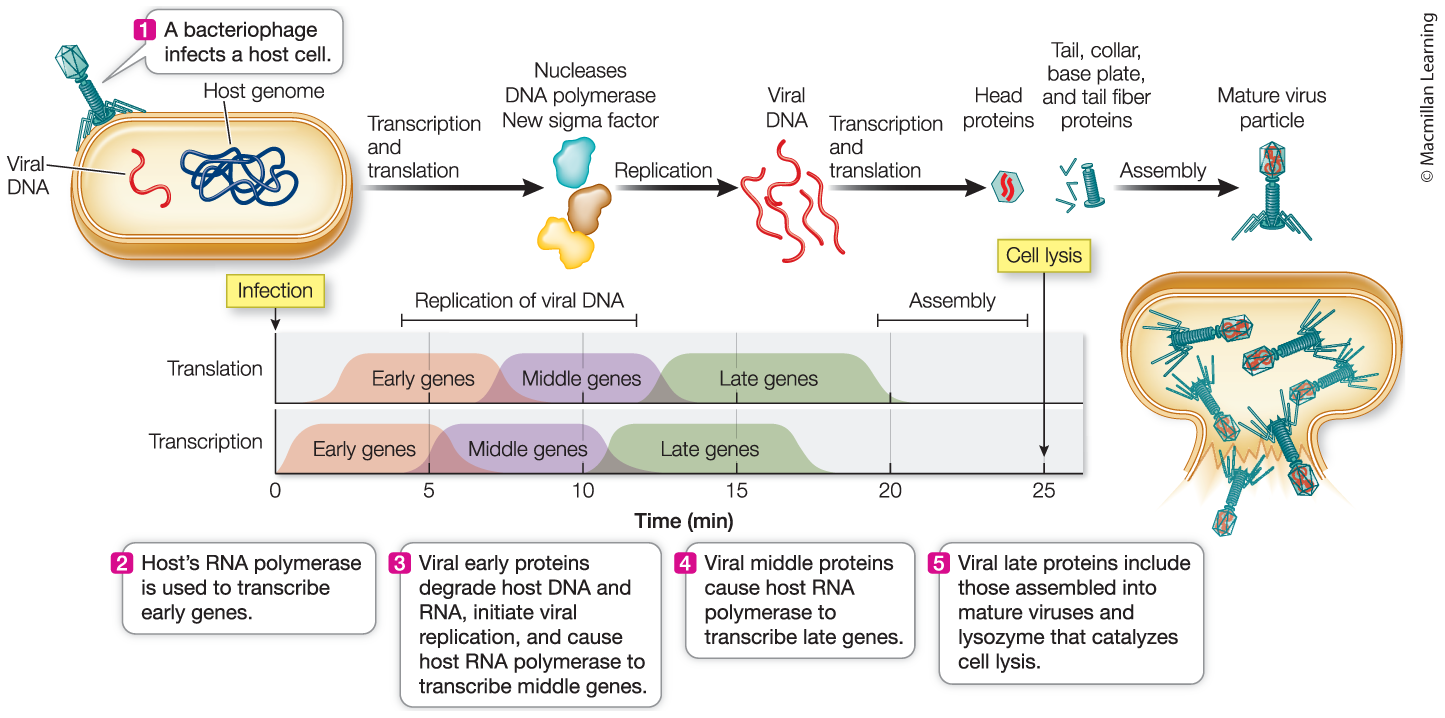
Lytic cycle
This is triggered following the injection of viral genetic material into a cell, where viral particles are immediately produced and the cell lyses
Lysogeny
A method of viral reproduction where the viral genome is incorporated into the host and replicated with the host genome, remaining dormant until an environmental signal triggers the lytic cycle
Inducibility
For a gene, the ability to be expressed only when needed; this is important in multicellular eukaryotes for cell specialization

TATA box
One of the core promoters of protein-coding genes in eukaryotes
Contains several A-T base pairs
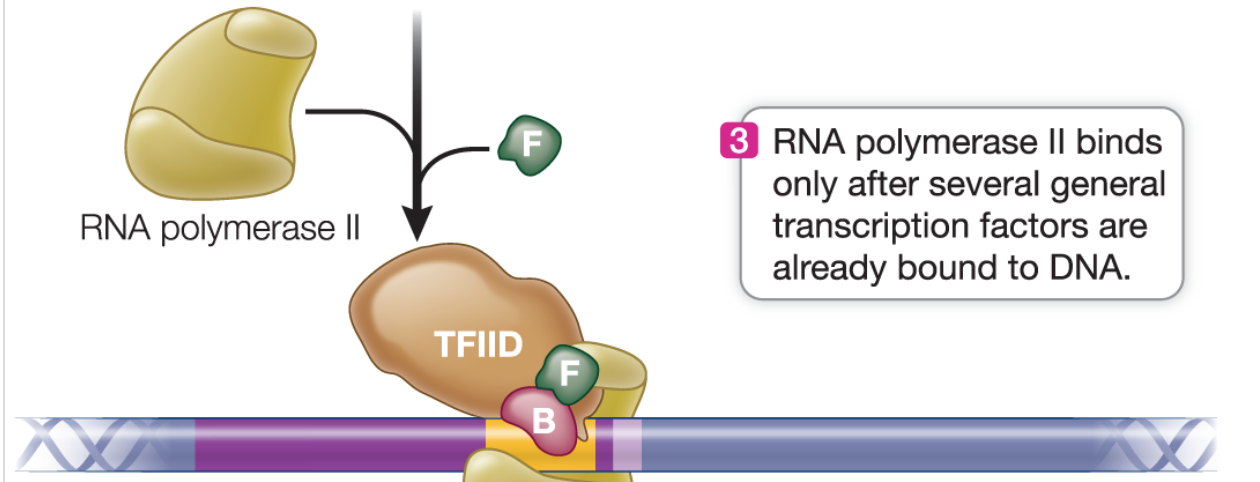
RNA polymerase II
The form of RNA polymerase present in eukaryotes, it requires several general transcription factors to bind to the promoter first

General transcription factors
Transcription factors that bind to a promoter before RNA polymerase; these can bind to several promoter classes

Basal transcription apparatus
The combination of RNA polymerase II and general transcription factors on a strand of DNA
Requires the binding of specific transcription factors on other sequences for higher rates

Mediator
A protein complex that facilitates interactions between specific transcription factors and the basal transcription apparatus
Joins the two as the DNA helix bends for proximity
Help determine how genes are regulated and produced
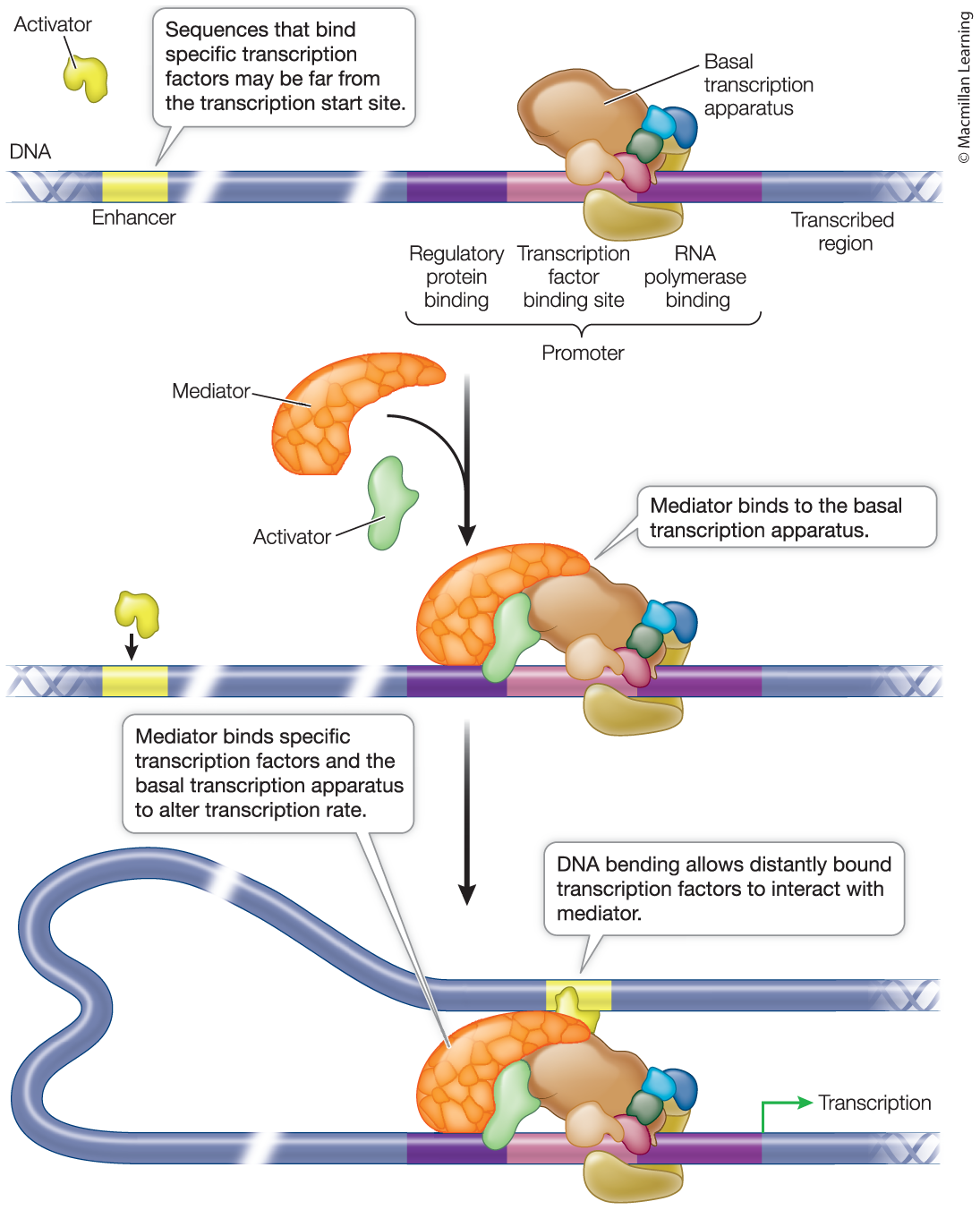
Enhancers
DNA binding sites that increase transcription and are not in the basal promoter
Silencers
DNA binding sites that decrease transcription and are not in the core promoter
Differentiation
The development of cells from a fertilized egg to adult, triggered by the varying activations of transcription factors

Human immunodeficiency virus (HIV)
The virus that causes AIDS in humans; it uses mechanisms mimicking receptor-mediated endocytosis via its enclosure in a membrane derived from its pervious host cell
Contains the enzyme reverse transcriptase, creating a DNA strand from its RNA genome which is later incorporated into the host and released in new viral particles
Epigenetic changes
Reversible changes in DNA that involve varying levels of chromatin packaging, resulting from histone chemical modification or DNA methylation
Seen through identical twins growing differently as a result of the environment
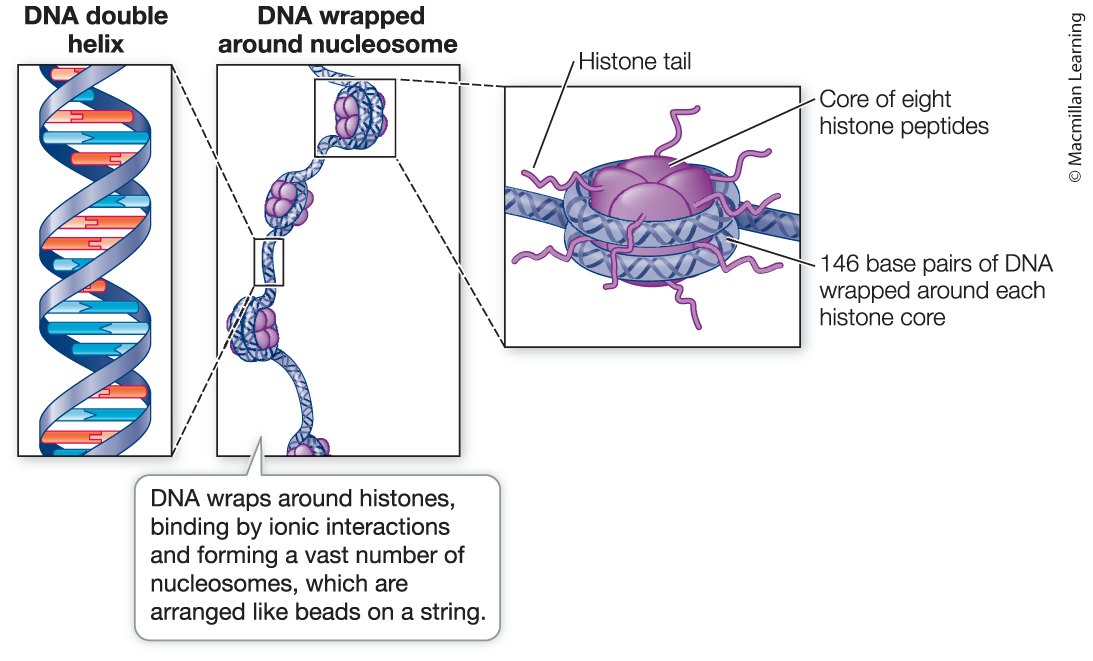
Nucleosome
A core of eight positively charged histones around which DNA is wound, forming closed chromatin

Acetylation
Performed by histone acetyltransferases, this neutralizes the charges of the amino acid tails on histones and loosens the compact nucleosome for regulatory protein binding
Can be recruited by transcription factors
May be reversed by histone deacetylases
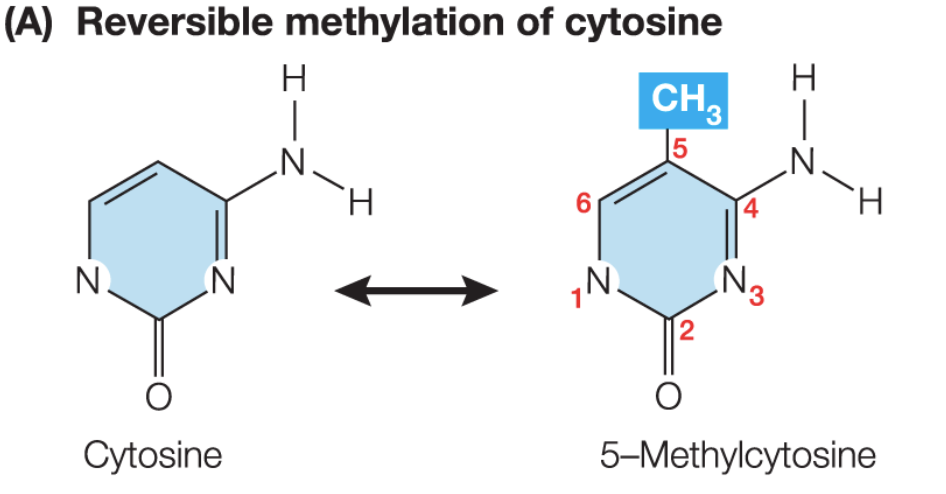
Methylation
Performed by DNA methyltransferase, this typically occurs to cytosine bases adjacent to guanines, giving rise to the name CpG sites
Results in the binding of repressing transcription factors in stable, long-term bonds
Can be maintained by maintenance methyltransferase or reversed by demethylase for replication needs

CpG islands
Regions of DNA that are rich in CpG sites, typically found in promoters that are not expressed
Euchromatin
DNA that is transcribed into mRNA with lower DNA methylation rates; this stains lightly under a microscope
Heterochromatin
DNA that is more condensed with little transcription and heavy methylation rates; this stains darkly under a microscope
Seen with female mammals’ X inactivation, resulting in differently expressed traits as one X chromosome is methylated to prevent aneuploidy
Genomic imprinting
The passing down of specific methylated genes from each parent resulting in some transcriptionally active and inactive genes

Alternative splicing
The inclusion or exclusion of particular genomic exons through the selective splicing of specific introns, resulting in differently-functioning or defective proteins
Seen in Drosophila’s Sxl gene including two or four exons per protein, dependent on being female or male
Enables more mRNAs to be produced from a smaller number of genes
mRNA stability
How long mRNA remains in the cell before it is degraded
Can be regulated through the attachment of proteins that inhibit RNA nuclease activity or the activity of functional RNAs that regulate gene expression, like miRNAs
microRNAs (miRNAs)
Functional RNA molecules that reduce gene expression in eukaryotes through the alteration of mRNA stability, binding directly to its structure
Small interfering RNAs (siRNAs)
Functional RNA molecules like miRNAs that are 22 nucleotides long
Degrades only mRNA molecules that are completely complementary
Interferes in mRNA translation for mismatched molecules

RNA interference
The silencing of genes through the degradation or inhibition of mRNA molecules by miRNAs or siRNAs, found in many eukaryotes
5’ cap modification
mRNA transcription regulation through the modification of guanine triphosphate (GTP) at the 5’ end of the mRNA molecule, remaining dormant until activated through this process

Translational repressor proteins
Proteins that bind to mRNA and prevent attachment to the ribosome, regulating translation
Seen with the mRNA that codes for ferritin (an iron-storing protein), with a protein bound when iron levels are low but unbound when iron levels are high

Ubiquitin
A protein that marks other proteins (specifically their lysine residues) for destruction through the formation of a chain that attaches to a proteasome for unfolding and digestion
Aids in the breaking down of cyclins for gene expression regulation