mental health conditions, culture and stigma
 Call Kai
 Learn
Learn Practice Test
 Spaced Repetition
 Match
Match Flashcards
 Knowt Play
1/20

There's no tags or description
Looks like no tags are added yet.
Name | Mastery | Learn | Test | Matching | Spaced | Call with Kai | Chat |
|---|
No analytics yet
Send a link to your students to track their progress
21 Terms
reflexivity
being mindful of the fact that everyone brings their own lens to clinical practice
culture
shared patterns of meaning that are learned within a particular social world (laroj et al 2014)
considering culture in the practice includes
understanding the influence of culture on symptoms are expressed and what is considered to be a disorder
cultural identity of clients
being aware of cultural explanations of individual experiences
understanding cultural expectations related to psychological experiences and levels of functioning
being mindful of cultural elements of the relationship between the individual and client
hippocrates and freud
wandering uterus and hysteria
homosexuality as pathological
indicative sign of biological defect, developmental failure, morally and sinful, socially evil
→ influenced by powerful institutions (church, legal/justice system), darwinsim and more. seen as mental disorder in early versions of DSM
alfred kinsey and the kinsey reports (sexual Behaviour in the Human male/female’)
demonstrated higher prevalence of homosexual orientation and activity.
37% of men had experienced at least one homosexual encounter in order to orgasm in a lifetime
evelyn hooker
demonstrated no link between homosexuality and psychological maladjustment
culturally bound syndromes
a cluster of group of co-occuring relatively invariant symptoms found in a specific cultural group, community or context
—> longing for country
longing for country
spiritual disconnection when seperated to removed from traditional lands
symptoms of longing for country
physical illness, weakness, nausea, spiritual ill health, cognitive disorientation, dissociative future, cultural ‘ill-health’ including identity confusion, disorientation, acculturative stress
treatment for longing for country
returning to country
four primary domains of stigma
public stigma, internalised stigma, stigma by association, structural stigma
public stigma
inks beliefs, emotions and behaviour. Negative stereotyped beliefs, prejudicial emotions and discriminatory behavioural responses relating to people living with mental health problems
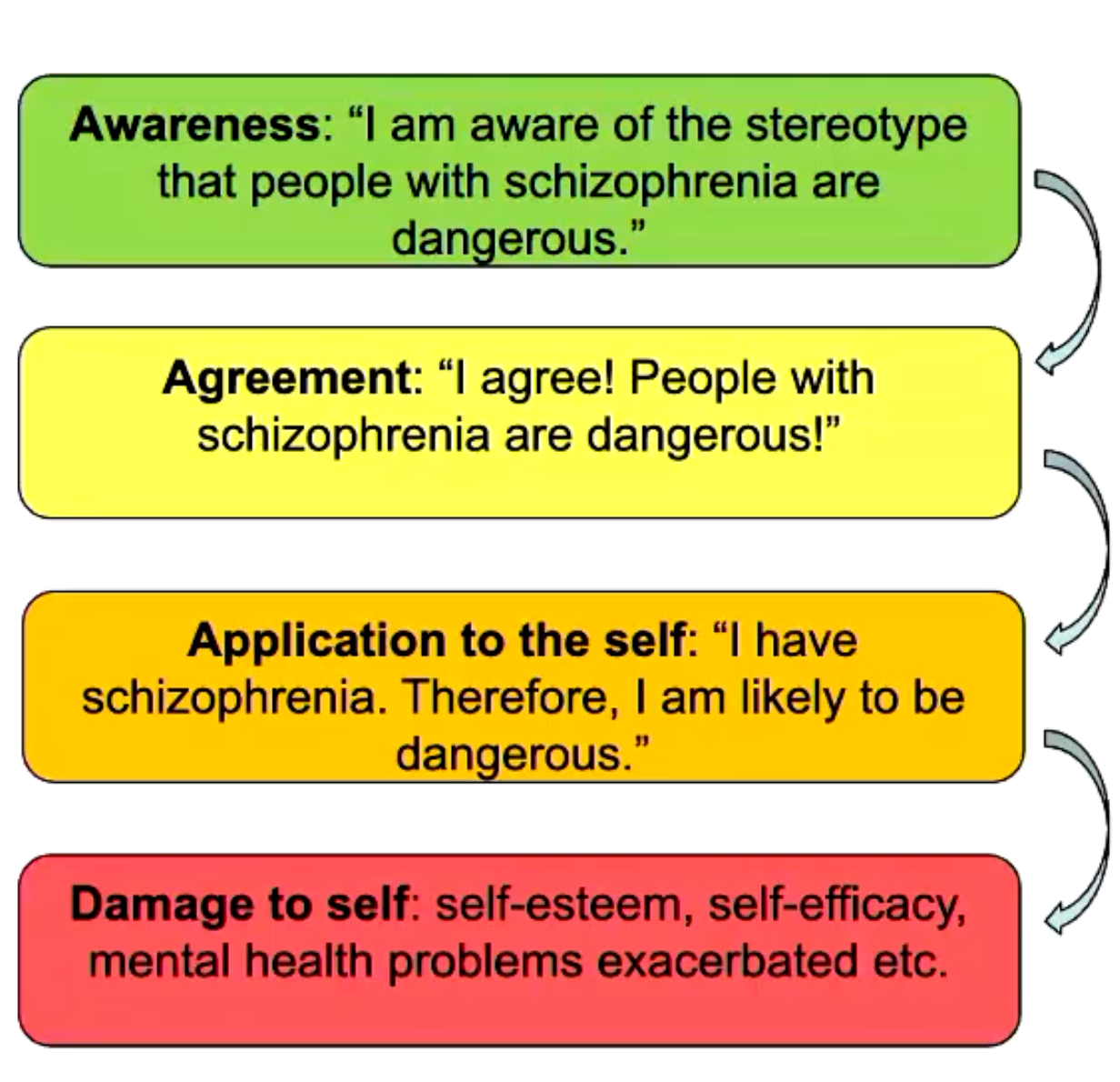
internalised stigma
happens when a person applies negative societal stereotypes and prejudices about mental illness to themselves
Corrigan’s paradox
what
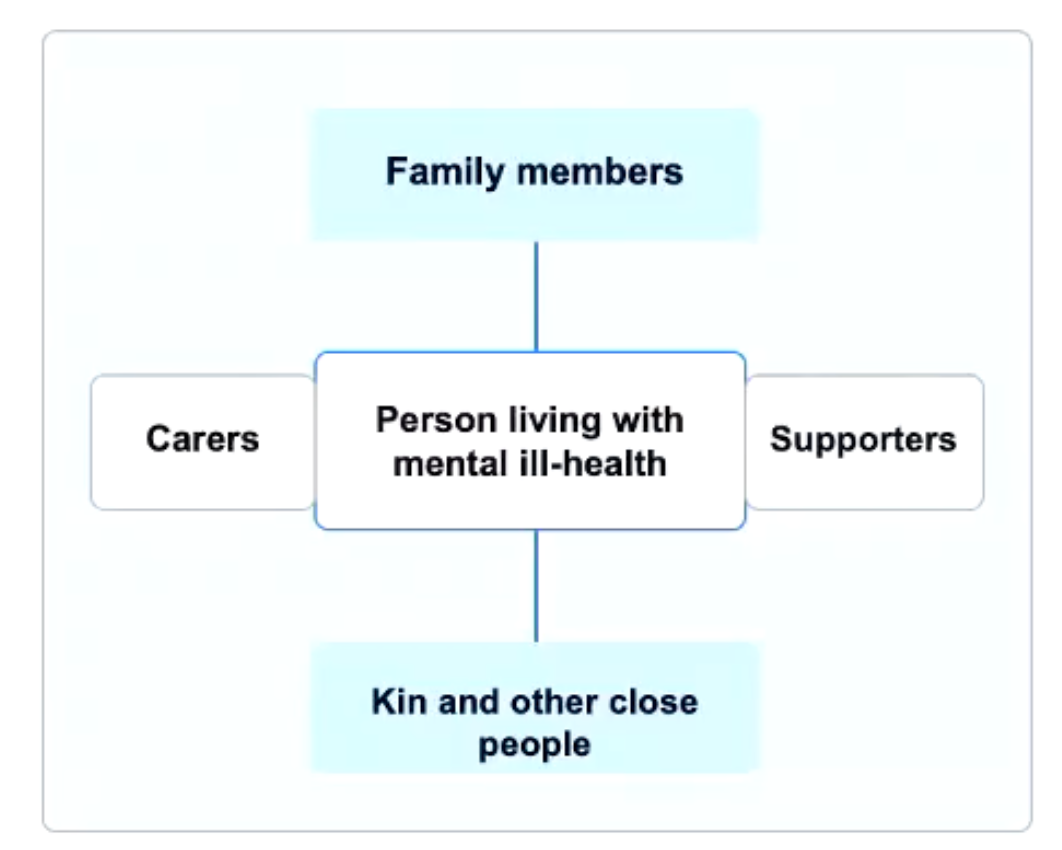
stigma by association
experienced by people who are close to someone living with mental illness
how it operates” negative stereotypes and discrimination and transferred to supporters
structural stigma
stigma that is built into society’s rules. refers to societal level laws, policies, systems and practices that discriminate against people with mental illness
intersectional stigma
fifth and related domain
mental health related stigma can intersect with and be compounded by other forms of marginalisation. These forms of discrimination interact rather than occurring in isolation.
ways to reduce stigma and discrimination
positive contact
psychoeducation
modelling
storytelling
human rights education
coming out
connection
cognitive, acceptance-based, narrative enhancement, self compassion approaches