Cell Cycle and Communication (Unit 4)
 Call Kai
 Learn
 Practice Test
 Spaced Repetition
 Match
 Flashcards
 Knowt Play
1/34

There's no tags or description
Looks like no tags are added yet.
35 Terms
ligand
A molecule that binds specifically to another molecule, usually a larger one.

receptor
Protein that detects a signal molecule and performs an action in response. Could be located on the membrane surface, cytoplasm, or nucleus of a cell

neurotransmitters
chemical messengers that cross the synaptic gaps between neurons

plasmodesmada
openings in cell walls that allow cells to exchange materials; unique to plants
quorum sensing
The ability of bacteria to sense the presence of other bacteria via secreted chemical signals.

morphogens
Signaling molecules that stimulate cell differentiation and development.
signal transduction
A series of molecular changes that converts a signal on a target cell's surface to a specific response inside the cell.

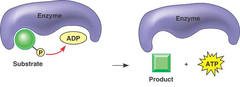
phosphorylation
the addition of a phosphate group to a molecule
G-protein coupled receptors
A signal receptor protein in the plasma membrane that responds to the binding of a signaling molecule by activating a G protein. Also called a G protein-linked receptor.

Cyclic AMP (cAMP)
A compound formed from ATP that acts as a second messenger.
phosphorylation cascade
A series of different molecules in a pathway are phosphorylated in turn, each molecule adding a phosphate group to the next one in line

location of receptors
surface of the target cell, cytoplasm or the nucleus of the target cell
hormones
chemical messengers that are manufactured by the endocrine glands, travel through the bloodstream, and affect other tissues
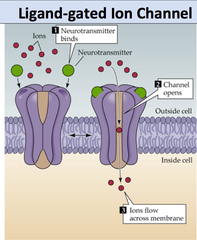
ligand gated channels
open in the presence of a specific binding substance, usually a hormone or neurotransmitter
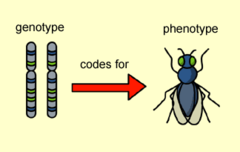
phenotype
An organism's physical appearance, or visible traits.
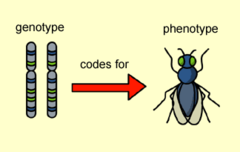
genotype
genetic makeup of an organism
apoptosis
programmed cell death
negative feedback
a mechanism of response in which a stimulus initiates reactions that reduce the stimulus

positive feedback
Feedback that tends to magnify a process or increase its output.

homeostasis
A tendency to maintain a balanced or constant internal state; the regulation of any aspect of body chemistry
mitosis
part of eukaryotic cell division during which the cell nucleus divides

interphase
Cell grows, performs its normal functions, and prepares for division; consists of G1, S, and G2 phases

G1 phase
The first gap, or growth phase, of the cell cycle, consisting of the portion of interphase before DNA synthesis begins.
G0 Phase
A nondividing state occupied by cells that have left the cell cycle, sometimes reversibly.

S phase
The synthesis phase of the cell cycle; the portion of interphase during which DNA is replicated.
G2 phase
The second growth phase of the cell cycle, consisting of the portion of interphase after DNA synthesis occurs. Protein synthesis occurs and a large amount of ATP is made.
chromosome
A threadlike, gene-carrying structure found in the nucleus. Each chromosome consists of one very long DNA molecule and associated proteins.

chromatid
one of two identical "sister" parts of a duplicated chromosome

prophase
Chromosomes become visable, nuclear envelop dissolves, spindle forms

metaphase
second phase of mitosis, during which the chromosomes line up across the center of the cell

anaphase
Phase of mitosis in which the chromosomes separate and move to opposite ends of the cell

telophase
the final phase of cell division, between anaphase and interphase, in which the chromatids or chromosomes move to opposite ends of the cell and two nuclei are formed.

cytokinesis
division of the cytoplasm to form two separate daughter cells

cyclin
one of a family of proteins that regulates the cell cycle in eukaryotic cells
Cancer
any malignant growth or tumor caused by abnormal and uncontrolled cell division