BIOS3220 Exam 4 Content
 Call Kai
 Learn
 Practice Test
 Spaced Repetition
 Match
 Flashcards
 Knowt Play
1/157

There's no tags or description
Looks like no tags are added yet.
158 Terms
Name 2 diseases caused by a single microbe
Vibrio cholera - cholera
Influenza - the flu
Name 2 diseases caused by multiple microbes
Conjunctivitis (pink eye)
Meningitis
What is symbiosis?
Any relationship in which two species live closely together
In symbiosis, who is the symbiont, who is the host?
Host is always the larger organism. Symbiont is the microbe
What is an ectosymbiont?
organism located on surface of another organism (usually larger)
What is an endosymbiont?
a cell that lives within a host cell (like gut in bacteria)
What is a consortium?
Hosts that have more than once associated symbiont
What is mutualism?
Both organisms benefit
Organisms are co-dependent on each other, and thus co-evolve (obligatory relationship)
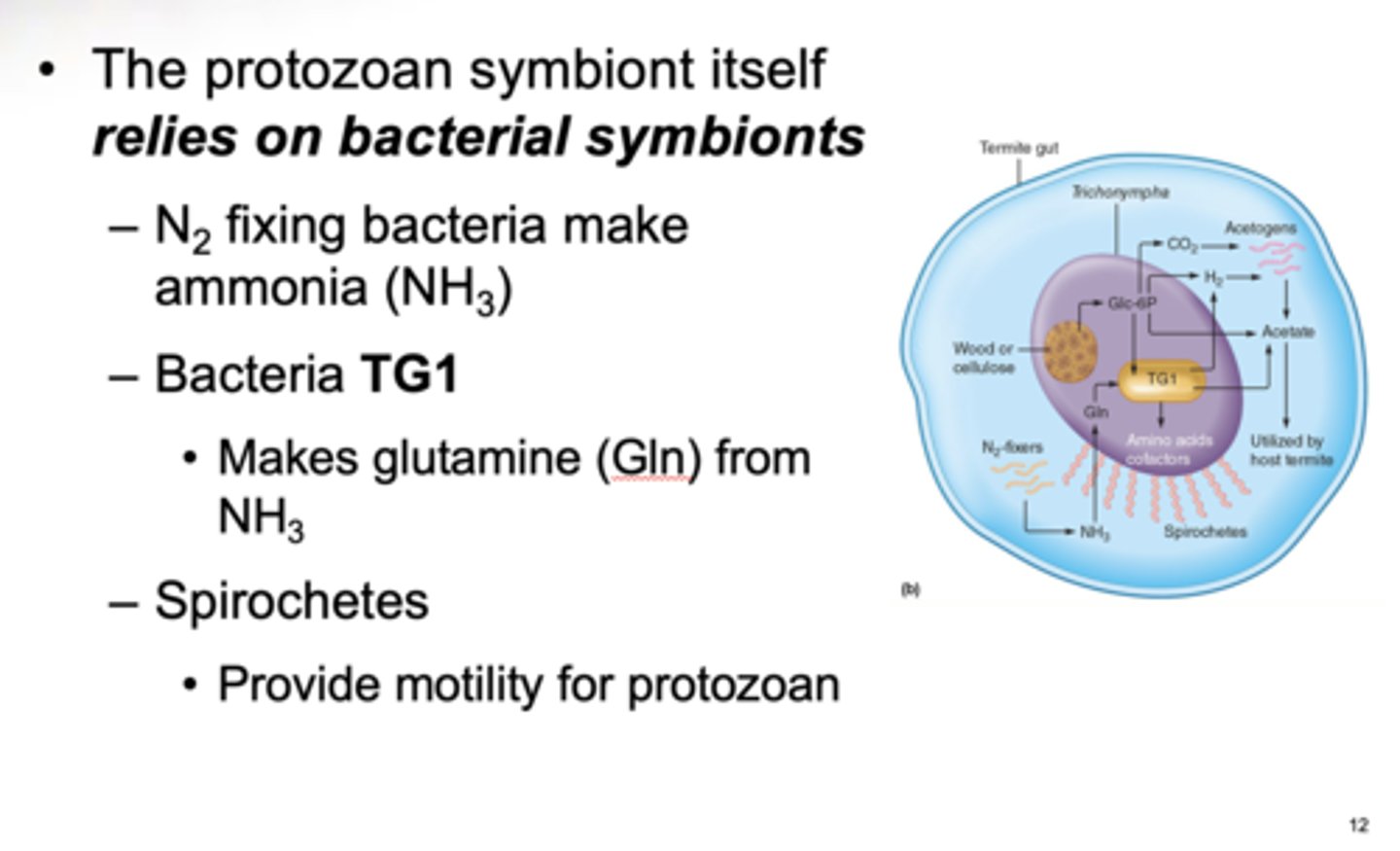
Example: Aphids/B. aphidicola, and termites/protozoan symbiont
What are ruminants?
Animals like cows that have a rumen. A rumen is a compartment of the stomach where food is stored and fermented by mutualistic microbes to help break down food enough for further digestion. Once food is liquified enough, it passed into the omasum and then abomasum.
What functions do the microbes in the rumen serve?
1) To excrete cellulase to break down cellulose into D-Glucose.
2) CO2 and H2O generated by other microbes can be turned into CH4 by methanogenic archaea (released by belching)
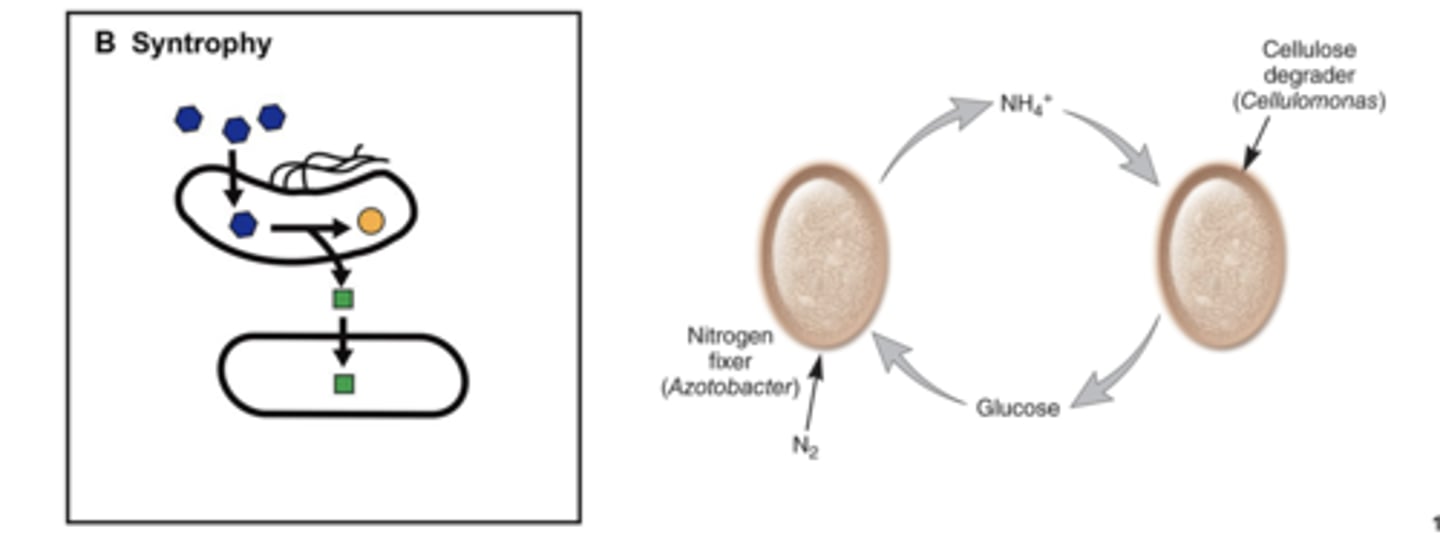
What is cooperation?
Both organism benefit, but the relationship is not obligatory (they can survive on their own). Typically involved syntrophic relationships. AKA species live off of each other's bypropducts.
What is commensalism?
one organism benefits and the other is unaffected. Ex: Nitrification carried out by two bacteria. Nitrosomonas make NH3 to NO2. Nitrobacter takes NO2 to make NO3. Nitrobacter = commensal
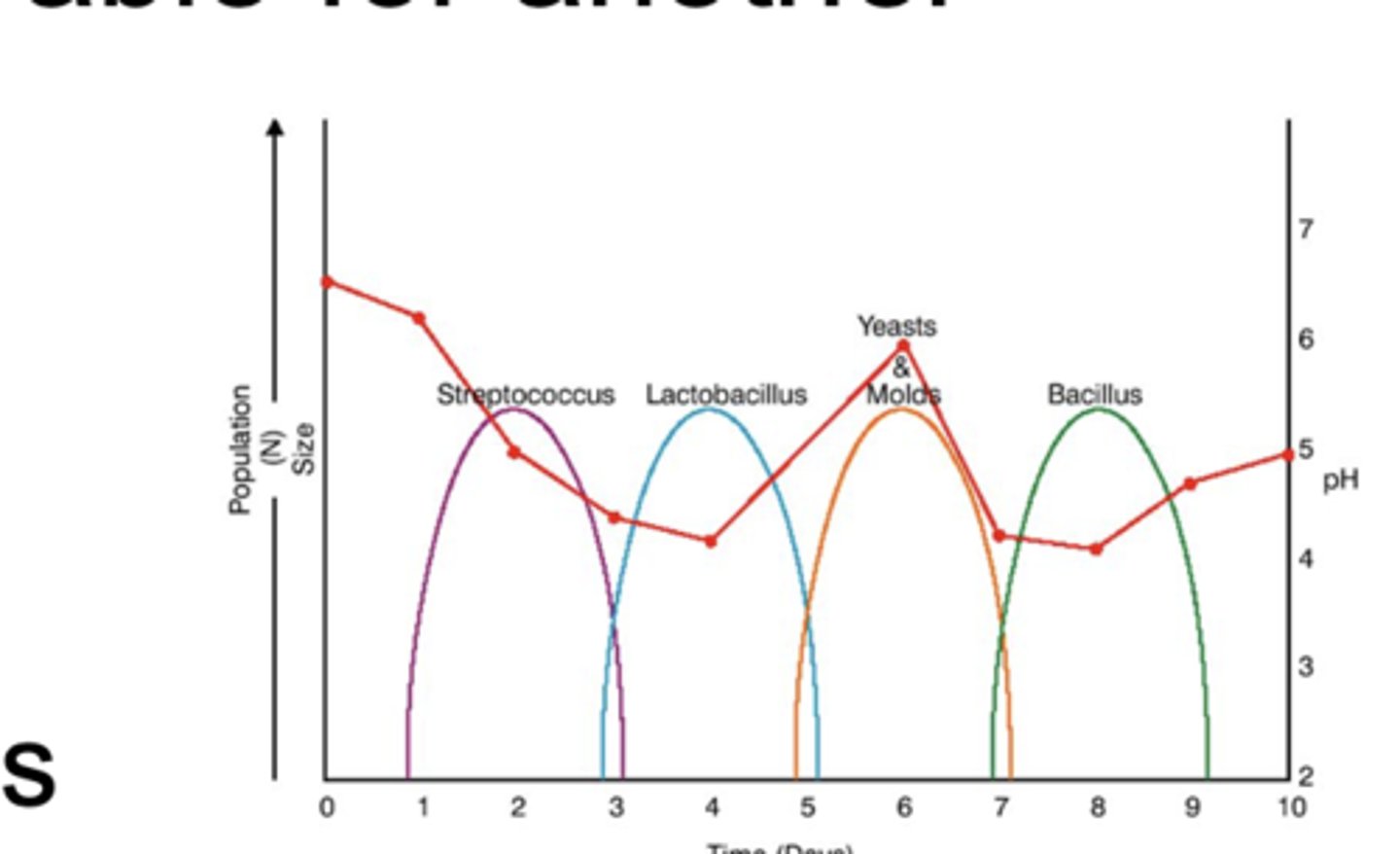
Who is the commensal?
The organism that benefits
What is predation?
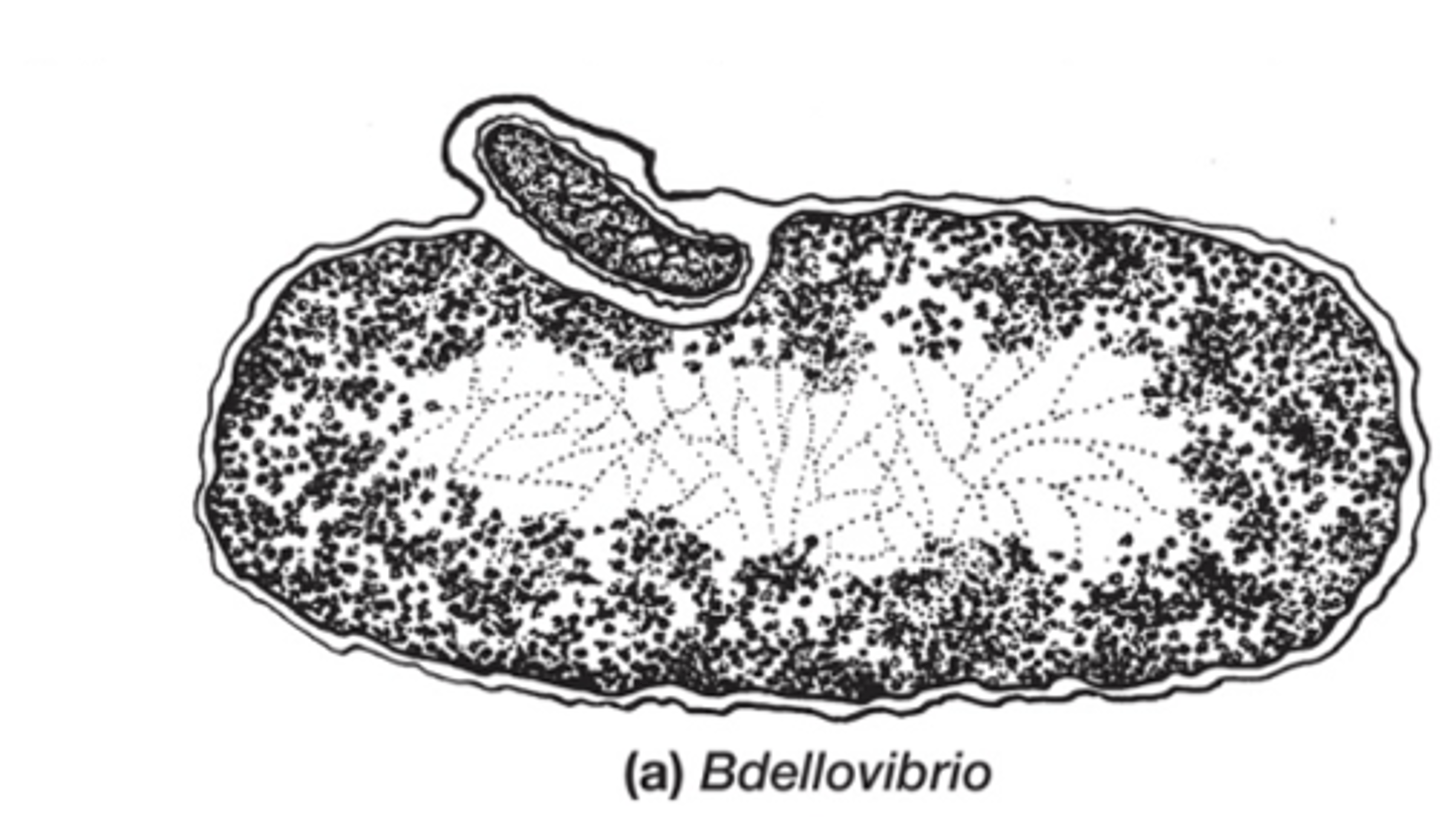
One organism (predator) gains, while the other is cooked (prey). Can attack from inside or outside of the prey cell.
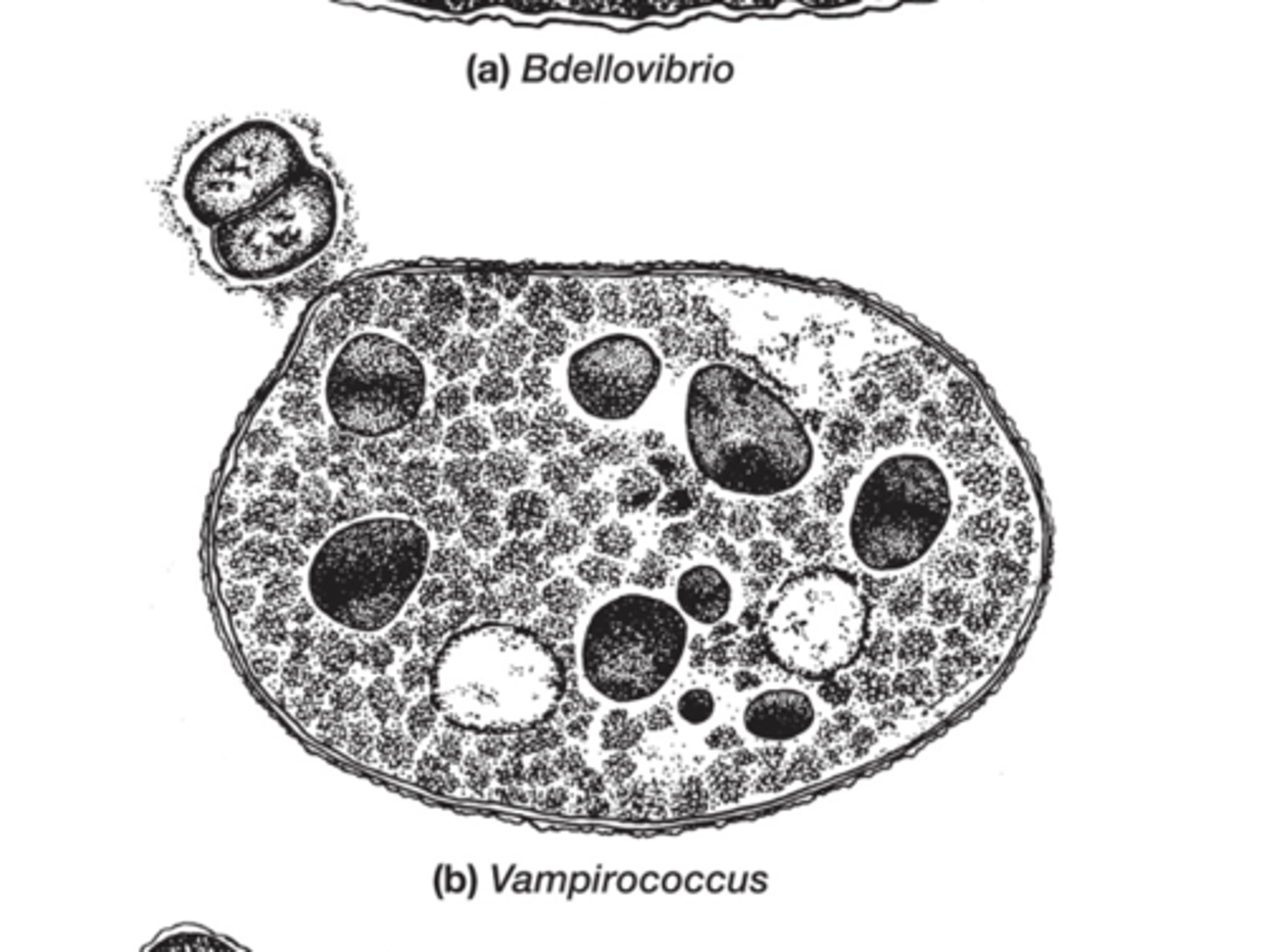
How does Bdellovibrio predate?
Penetrates cell wall, grows in periplasm
How does Vampirococcus predate?
With an epibiotic mode. Lives on surface of prey
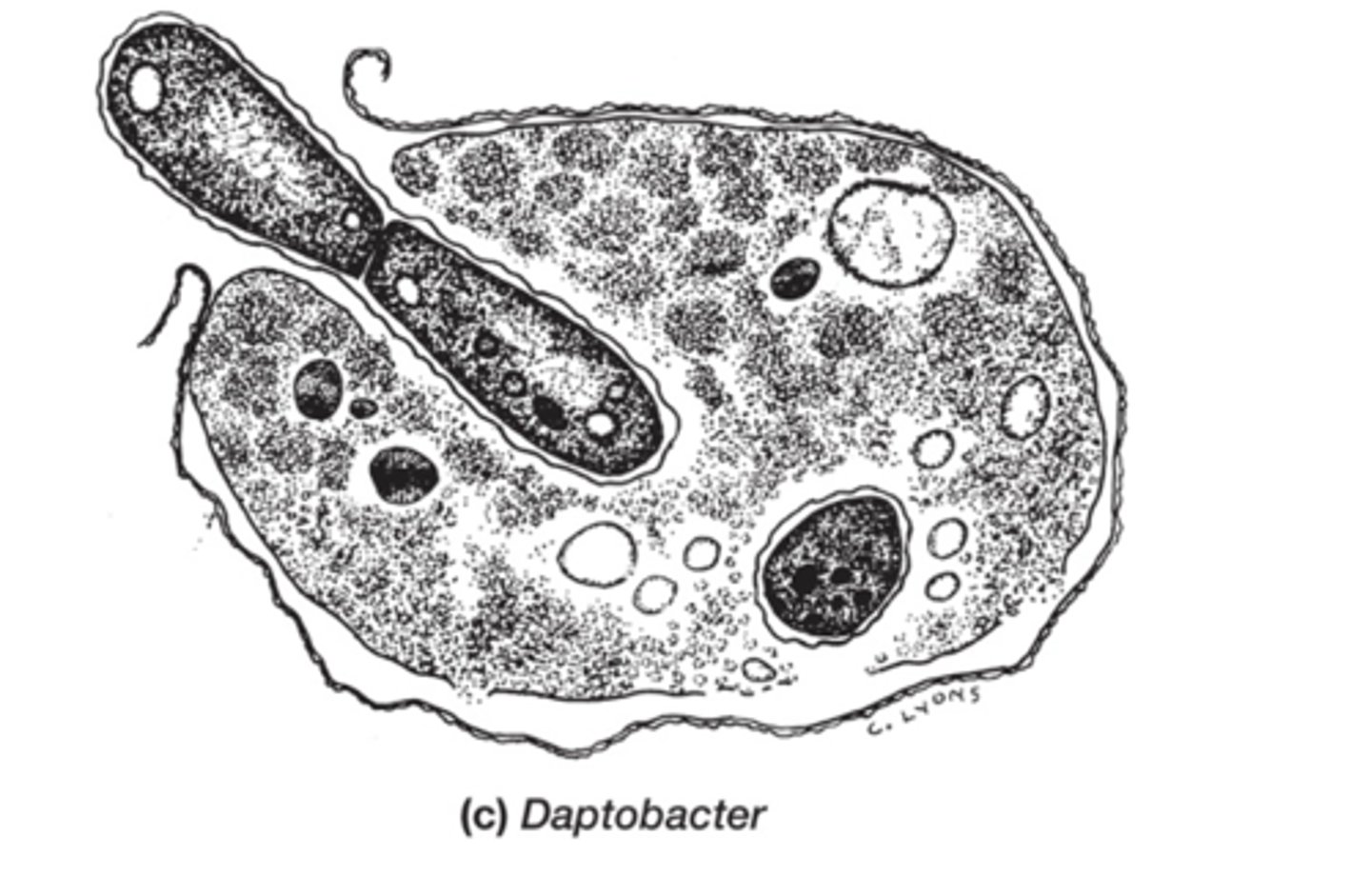
How does Daptobacter predate?
consumes prey from inside after penetration
What is parasitism?
One gains (parasite) other is harmed but not killed right away. Host usually dies once parasite can reproduce. Parasite has to have a balance of taking to be able to co-exist successfuly.
What is ammensalism?
One species harmed, the other unaffected. Example: Antibiosis: one organism releases an antibiotic against another organism.
What is an example of ammensalism?
Southern American Attine ants: Have a bacteria on their exoskeleton that fights against a species of fungus that preys their "fungal garden"
What is competition and what are the two outcomes?
When two organisms try to acquire the same resource. Either both live with less, or one wins and the other loses.
What is the difference between the microbiome and the microbiota?
Microbiota: All of the microbes
Microbiome: All of the genetic information of the microbiota.
What is the revised ratio of bacteria:human cells?
1:1
What is the metagenome?
Sum of the genes from host and the microbiota
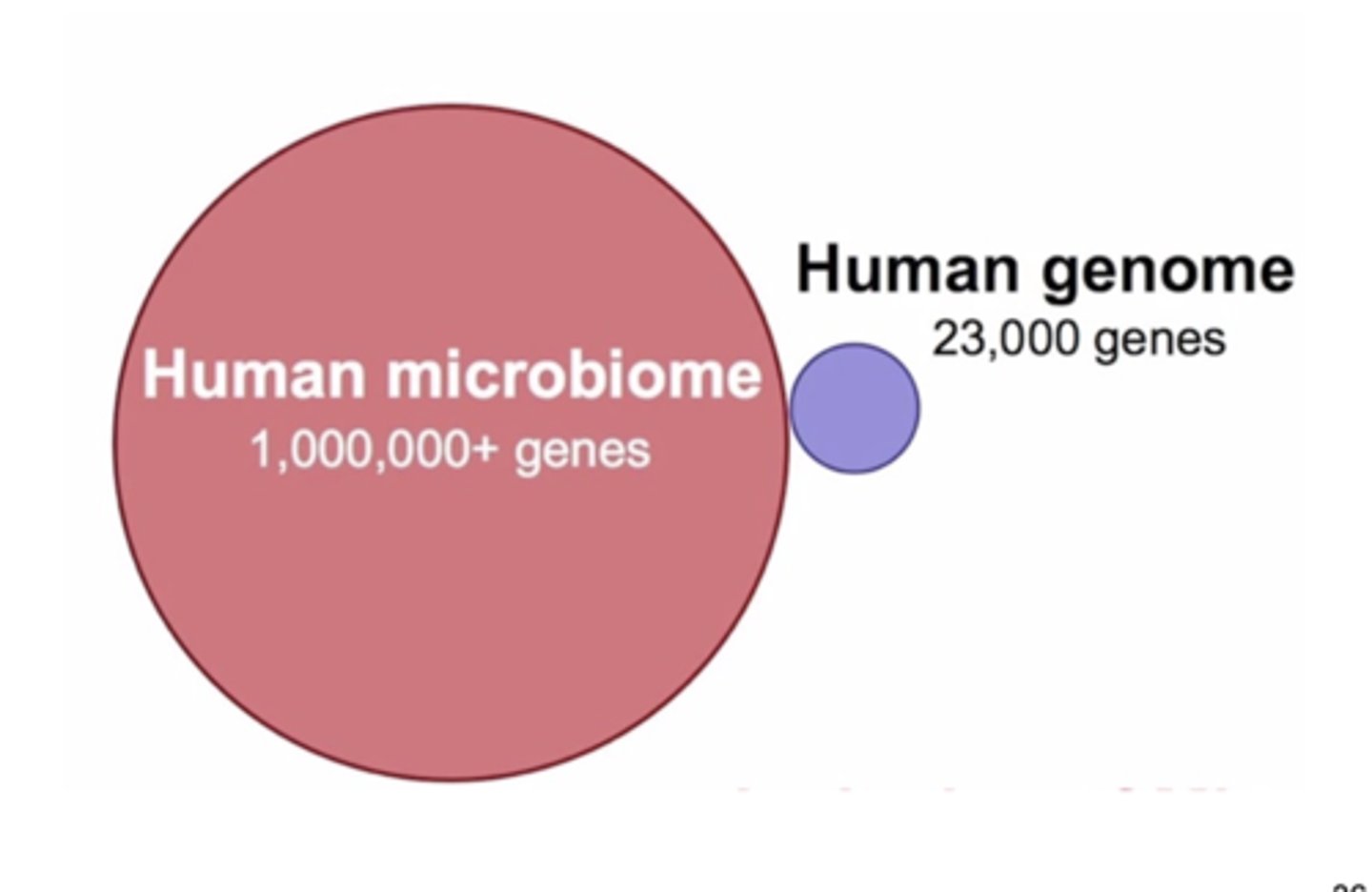
What are superorganisms?
a blend of host and microbial traits where host and microbial cells co-metabolize various substrates, resulting in unique products
When is the microbiota established?
Birth. Unborn baby is sterile. Eventually settles down to a stable consortium, but lots of antibiotics can impact it.
What type of symbiotic relationship is the human-microbe in the gut?
Mutualism. Bacteria produce vit B and K. In return, bacteria have a safe habitat with plenty of nutrients.
When can the normal microbiota become pathogenic?
Opportunistic pathogens: When the host is compromised, like lower resistance to infection. (Also if the microbiota consortium is disrupted significantly.
What is a pathogen?
A microorganism that causes disease
What is pathogenicity?
ability to cause disease
What 2 things must a pathogen be able to do to cause disease?
1) get inside the host
2) survive
What is the speed, specificity, and memory of the innate immune system?
Speed: Fast (components always present)
Specificity: Non-specific
Memory: No memory
What is the speed, specificity, and memory of the adaptive immune system?
Speed: Slow (components must be made)
Specificity: Very specific
Memory: Retains memory of prior pathogens
What is part of the first line of innate immune system defense?
Skin, mucous membrane (barriers)
What is part of the second line of defense in the innate immune system?
Antimicrobial peptides, complement system, cytokines, inflammation, phagocytes, and NK cells
What is part of the adaptive immune system defense?
Antibodies, lymphocytes, B cells, T cells
What antimicrobial substances are found in mucous? name 3
Lysozyme: hydrolyzes NAM-NAG bond
RNAse enzymes: Degrade RNA
Lactoferrin: Sequesters iron (prevents giving it out to free to microbes)
What are the two main components of the innate immune system?
Chemical (humoral): antimicrobial peptides, complement, cytokines
Cellular: Phagocytes, and NK cells
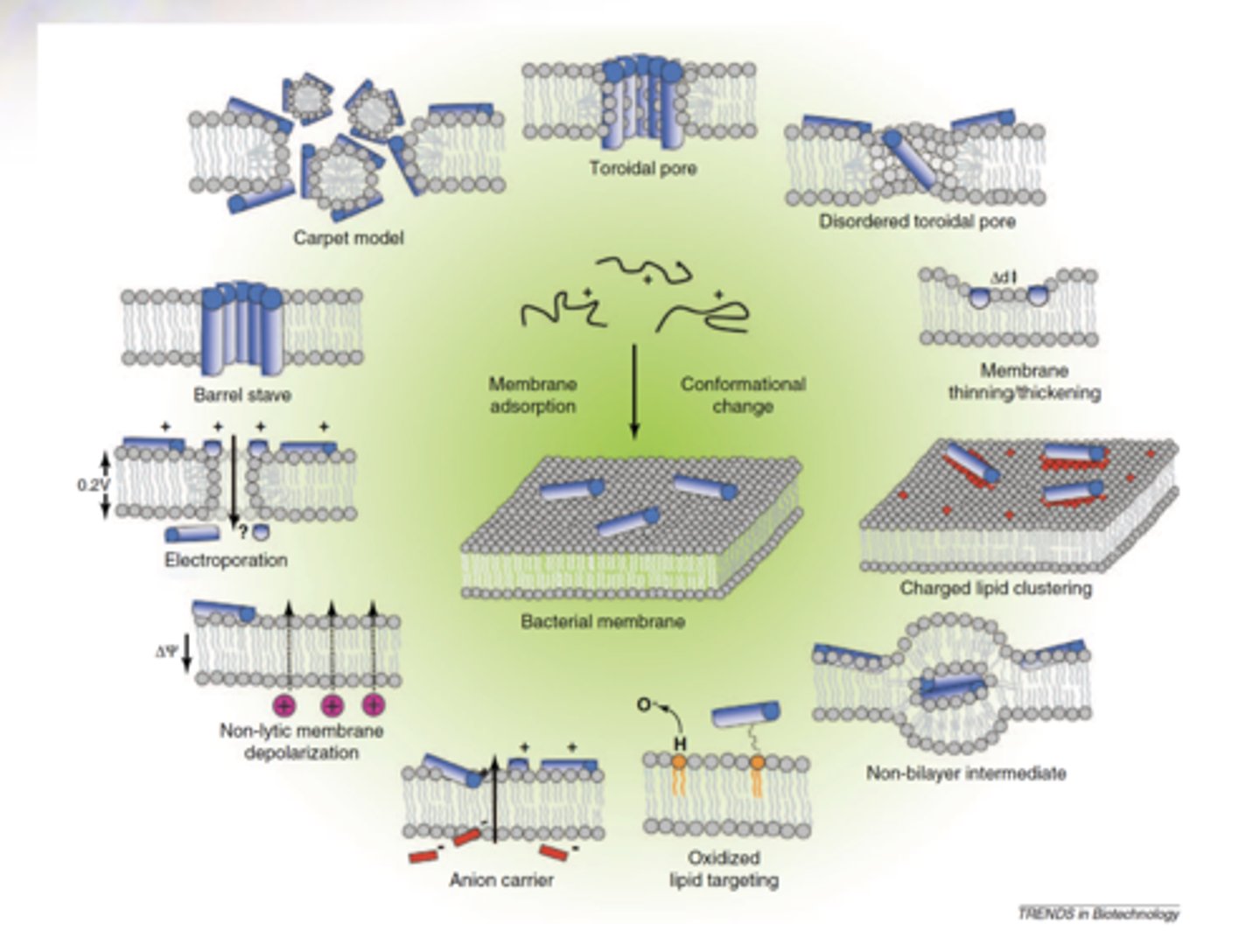
What are AMPs?
Antimicrobial peptides. Small peptides, that are amphipathic. Found in mucosa, and immune cells/duodenum. Most function by inserting into membrane.
What are the two functions of the complement system?
1) Directly killing bacteria
Membrane Attack Complex (MAC), creates big pores in the bacteria
2) Opsonization
How does opsonization work?
Complement system decorates bacteria with C3b receptors. Phagocytes bind to these and eat the bacteria. Phagocytes do the same thing with antibody IgG as well. C3b and IgG often work together to be most effective
What are cytokines? Name 4 different kinds
soluble proteins/glycoproteins that act as signaling molecules for the immune system.
Interleukins (IL), Interferons (IFN), Tumor necrosis factors (TNF), and Colony stimulating factors (CSF)
How do cytokines function at sites of tissue damage/infection?
Cytokines recruit components of the immune system. Make the tissue leaky to fluid, and sticky for leukocytes. This causes redness, heat, swelling, and pus.
How do phagocytes work in an opsonin-independent manner?
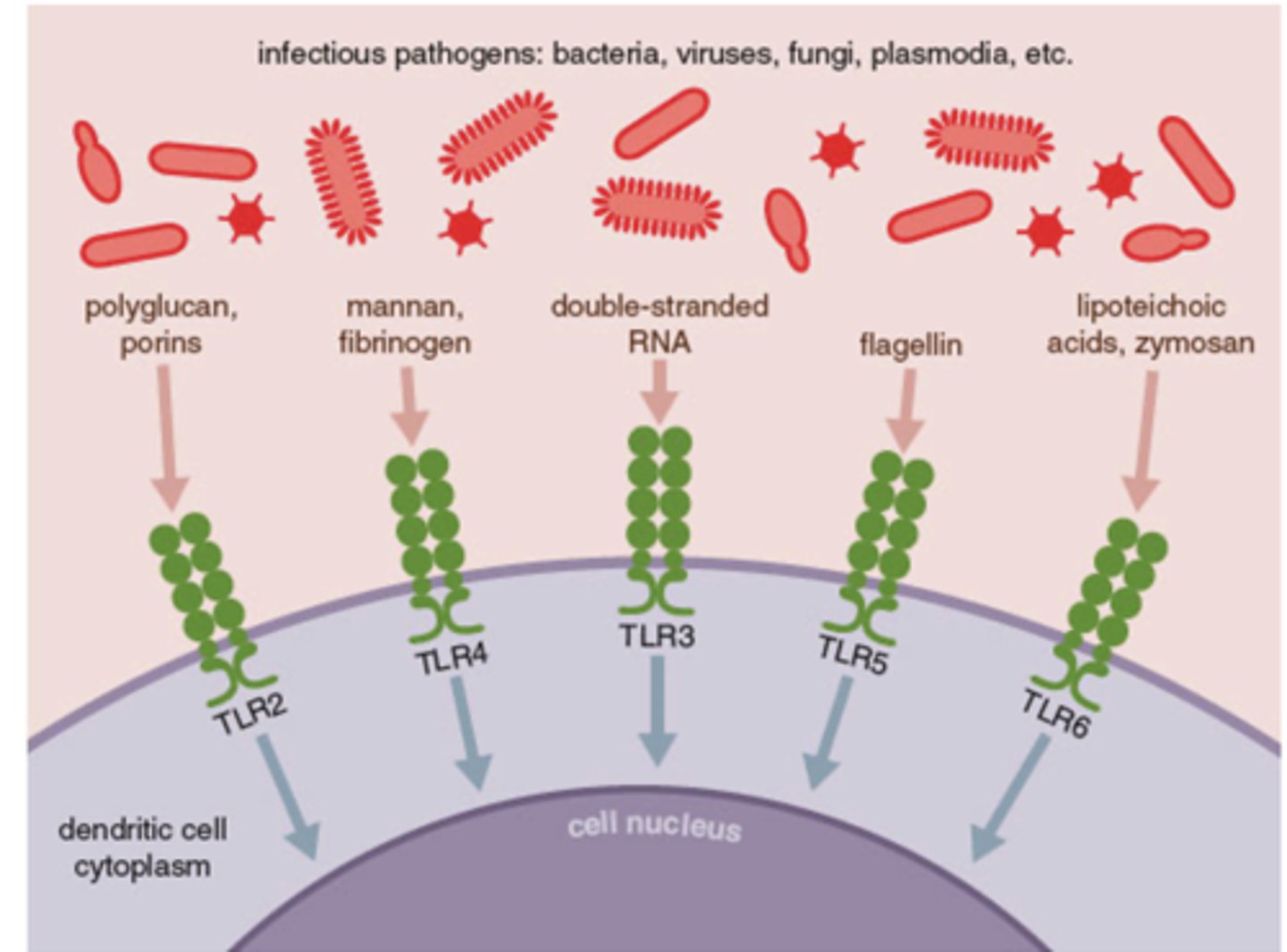
They can identify Pathogen-associated molecular patterns (PAMPs), which are unique to microbes. Ex: LPS of Gram -.
How are PAMPs recognized by phagocytes?
They have pattern recognition receptors (PRRs). A class of these are Toll-Like Receptors (TLRs).
What is the process of phagocytosis?
1. The macrophage attatches to a bacterial cell, as the plasma membrane surrounds the cell.
2. The bacterial cell has been internalized in a phagosome.
3. Lysosomes fuse with the phagosome forming a phagolysosome.
4. Within the phagolysosome, the bacterial cell is killed and digested through the activity of lysosomal enzymes and other toxic products.
How do neutrophils expel microbial fragments?
Exocytosis
What is antigen presentation and which two cell types typically do it?
Macrophages and dendritic cells take part of a pathogen, and bring said antigen to the adaptive immune system to help it elicit a more specific response.
What are leukocytes?
white blood cells
What are 4 types of phagocytic cells?
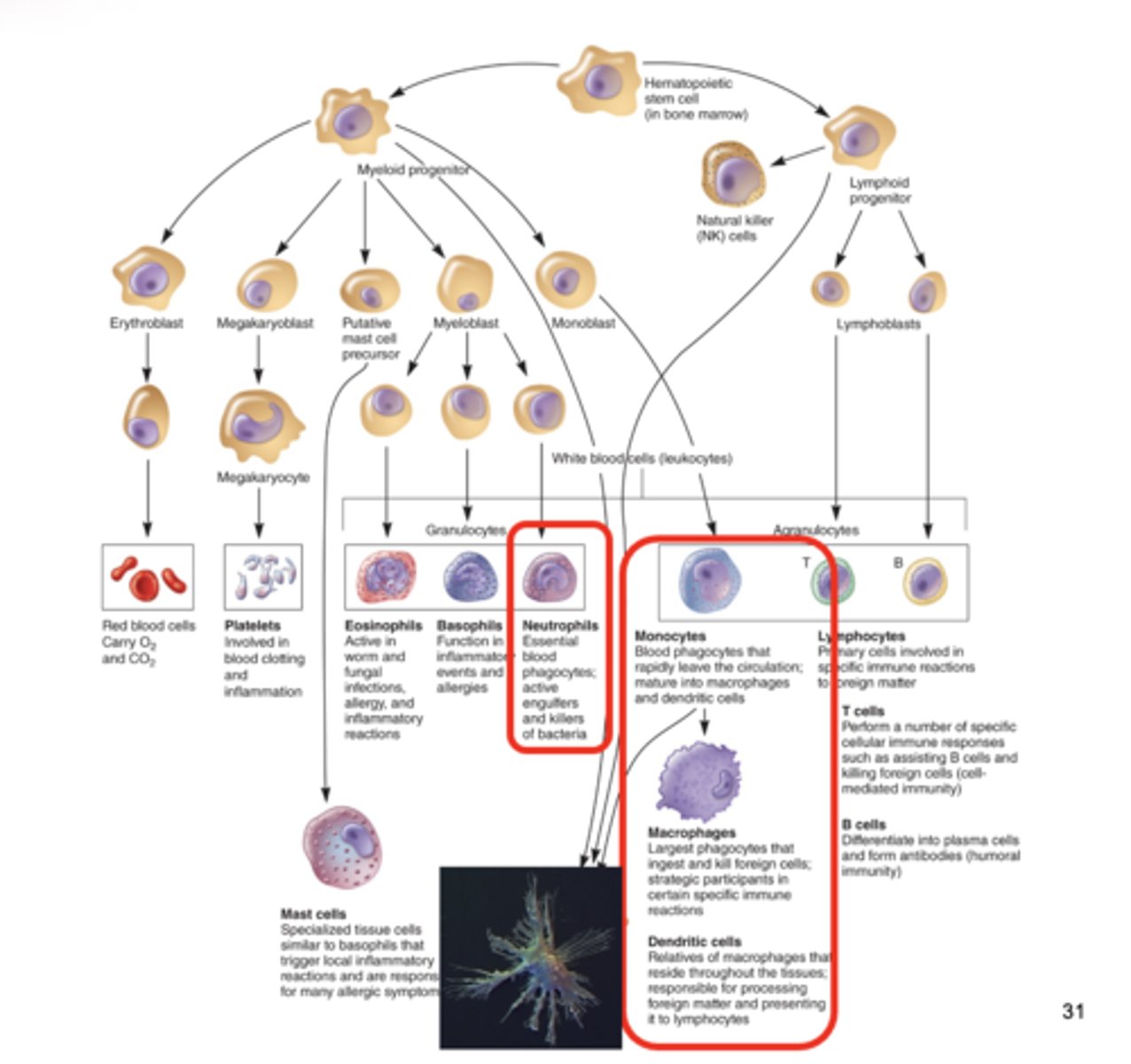
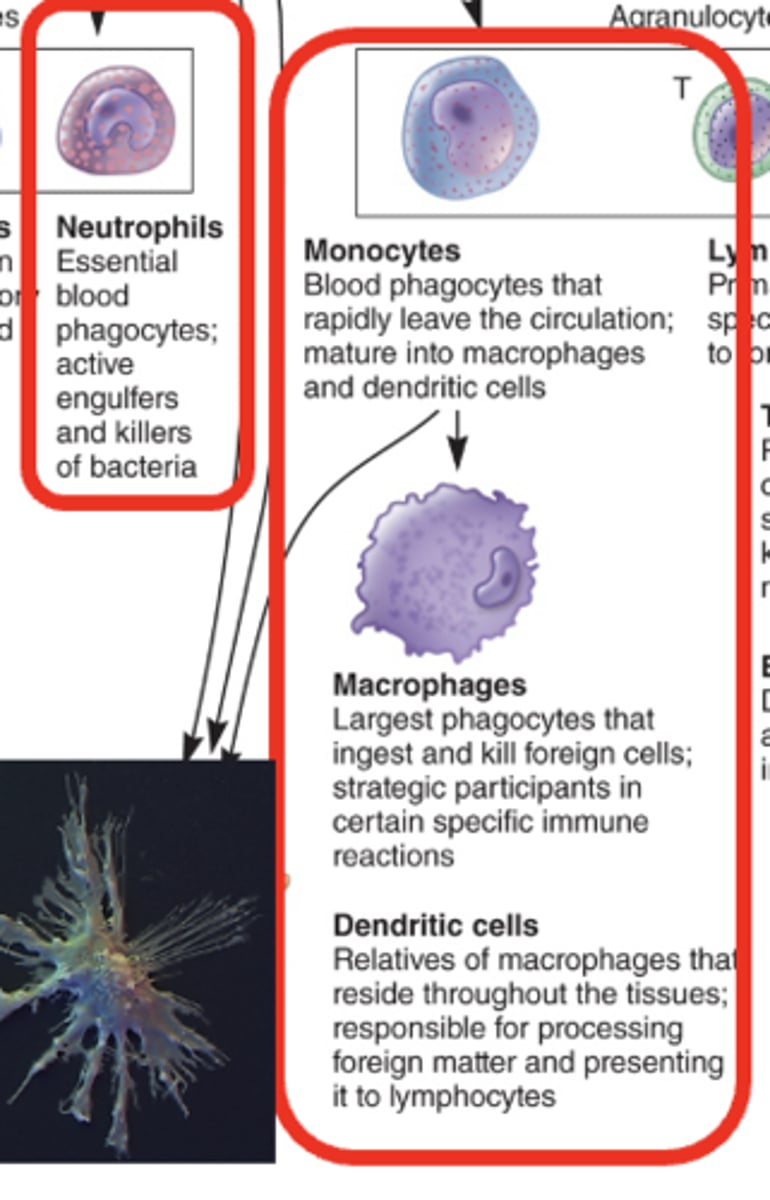
Neutrophils, macrophages, dendritic cells, and monocytes
What are NK cells?
natural killer cells. Release toxic granzymes.
They recognize the lack of an MHC I complex, or an antibody on an antigen (Antibody-dependent cell-mediated cytotoxicity ADCC)
What are epitopes?
the part of an antigen molecule to which an antibody attaches itself
What do B Lymphocytes make?
antibodies/immunoglobulin
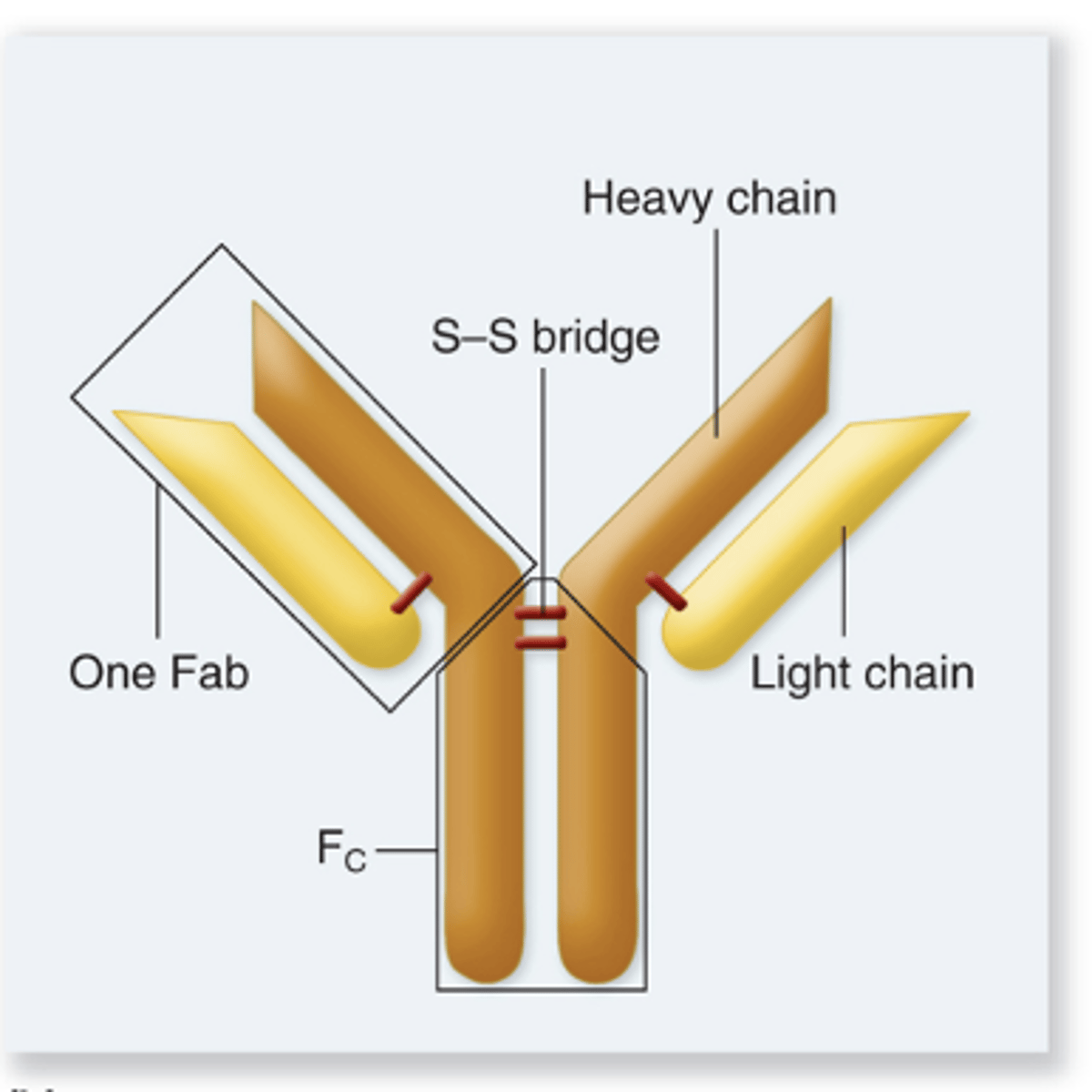
What is the general structure of an antibody?
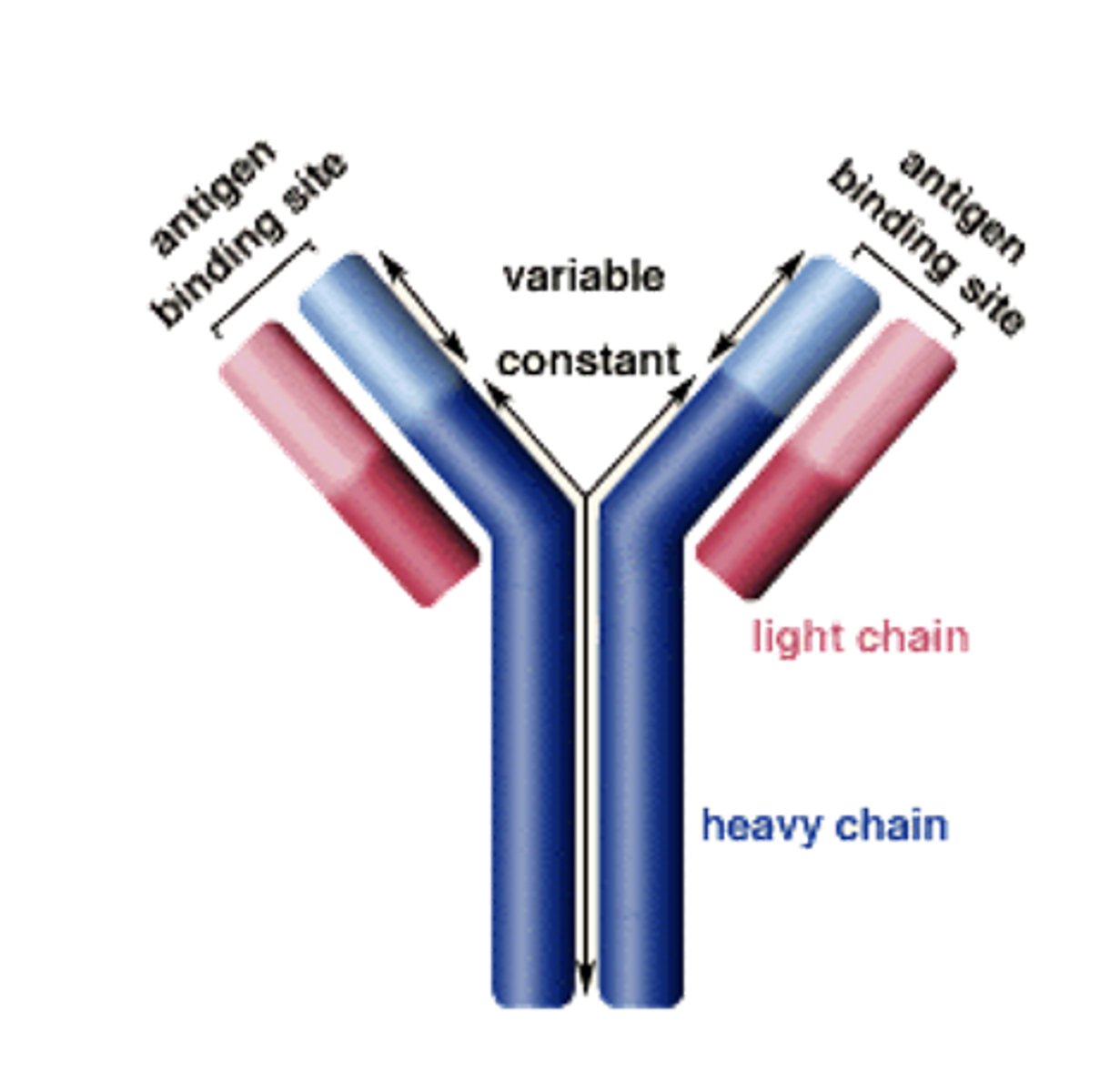
2 heavy chains, 2 light chains, with constant and variable regions.
What is the base of the "Y" and the tip of the "Y" called in the antibody?
Base = constant fragment (Fc): mediates binding to immune system, triggers response like phagocytosis
Tip = Antigen binding fragment (Fab)
Note, 1 Fc and 2 Fab per antibody
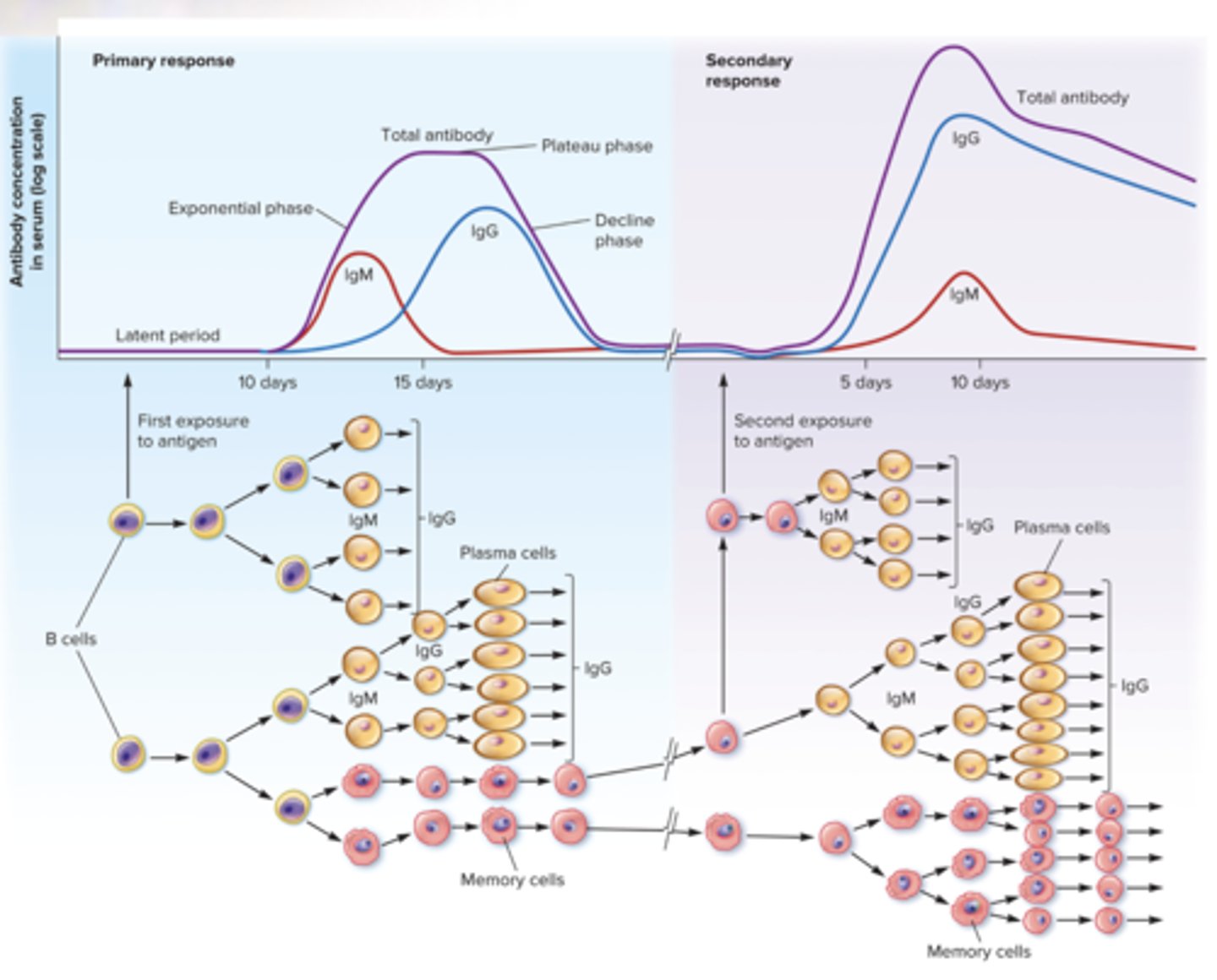
What is antibody titer?
Concentration of antibody in serum
What is the difference between the primary antibody response and the secondary antibody response?
Primary = slow
Secondary = fast. Shorter lag phase, longer persistence. Due to memory cells existing second time around
What are some consequences of antibody-antigen binding?
1) Precipitation: Antigens precipitate out of solution
2) opsonization: phagocytosis
3) neutralization: prevents antigen from harming
4) Agglutination: Bacteria get cross-linked by antibodies (to AB binding sites), and they form a mesh and get locked up.
Where do B and T cells originate from?
B = bone marrow
T = thymus
What are memory cells and how are they produced?
Lymphocytes that will replicate later during the reappearance of an antigen. These are created when B and T cells bind to an antigen.
What is the main role of B cells?
To produce antiBodies?
What are the main roles of T cells?
T helper cells (TH): assist in antibody production
Cytotoxic T lymphocytes (CTLs) Ability to kill infected cells
What are the 5 main modes of transmission of pathogens?
Airborn, contact, vehicle (food/water), vector born (animal/insect), and vertical (mother to fetus)
What 4 proteins does the virion SARS-CoV-2 contain?
Spike, Envelope, Membrane, and Nucleocapsid
Contains 4 structural proteins, 16 non-structural, and 9 accessory factors (for various functions)
How many possible pandemics did influenza cause?
31
How many segments does influenza have?
8 (RNA -)
What are the 2 viral proteins in the envelope of influenza?
Hemagglutinin (HA)
Neuraminidase (NA)
Strains of flu classified by what types of these proteins they contain
Ex: H1N1 (swine flu)
H3N2
How does the influenza viral replication cycle work?
1) HA attaches to host sialic acid receptors
2) Receptor mediated endocytosis
3) HA undergoes conformational changes
4) Releases nucleocapsid into cytoplasm
5) Viral replication and assembly of new virions
6) Release by budding
7) NA protein cleaves receptors, releasing new visions
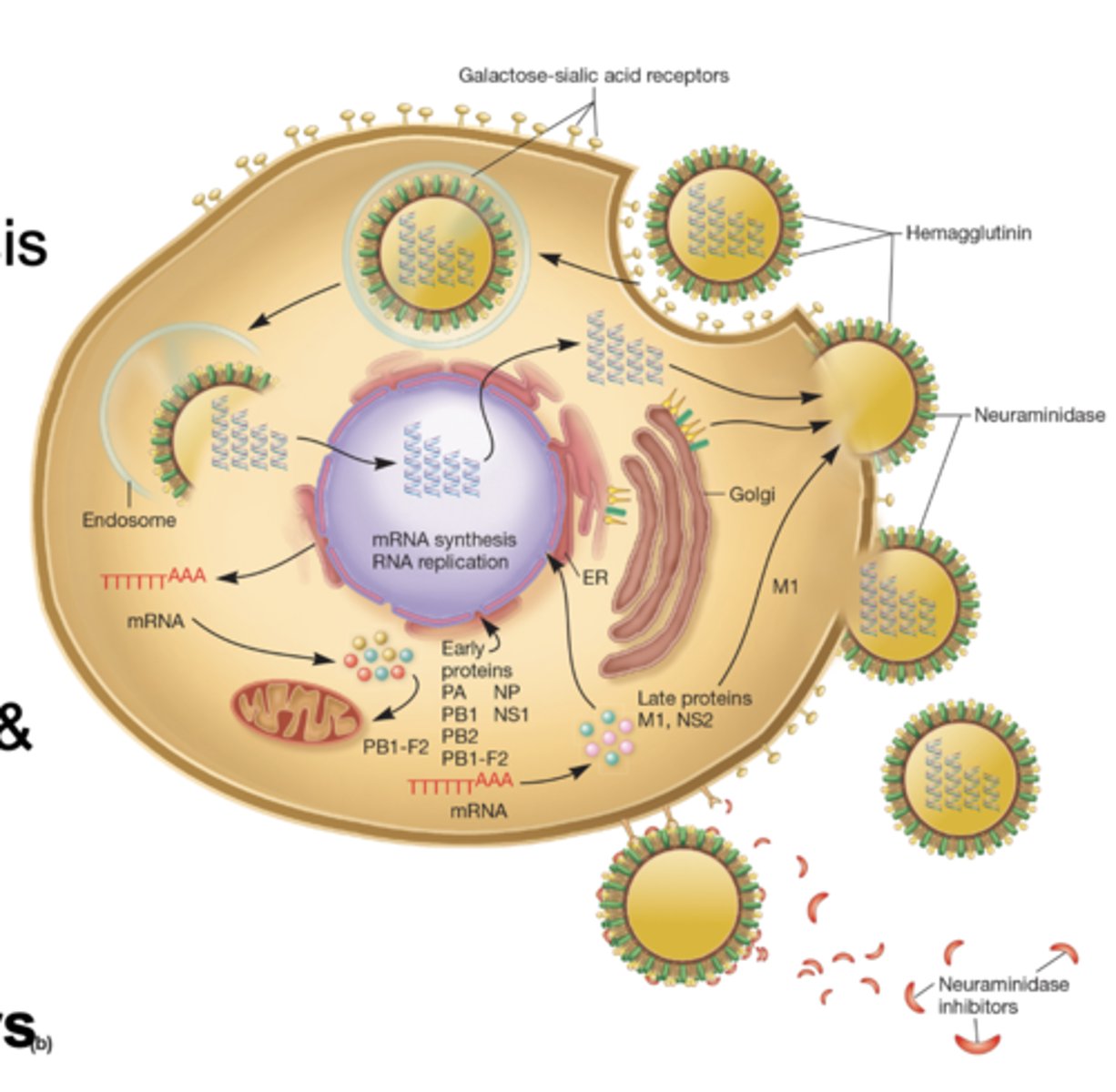
The flu experiences lots of antigenic drift and antigenic shift. What is the difference between these two terms?
Antigenic drift: SNP's/mutations within strain
Antigenic shift: Reassortment of 8 RNA segment genomes. (when one organism is infected by 2 different strains
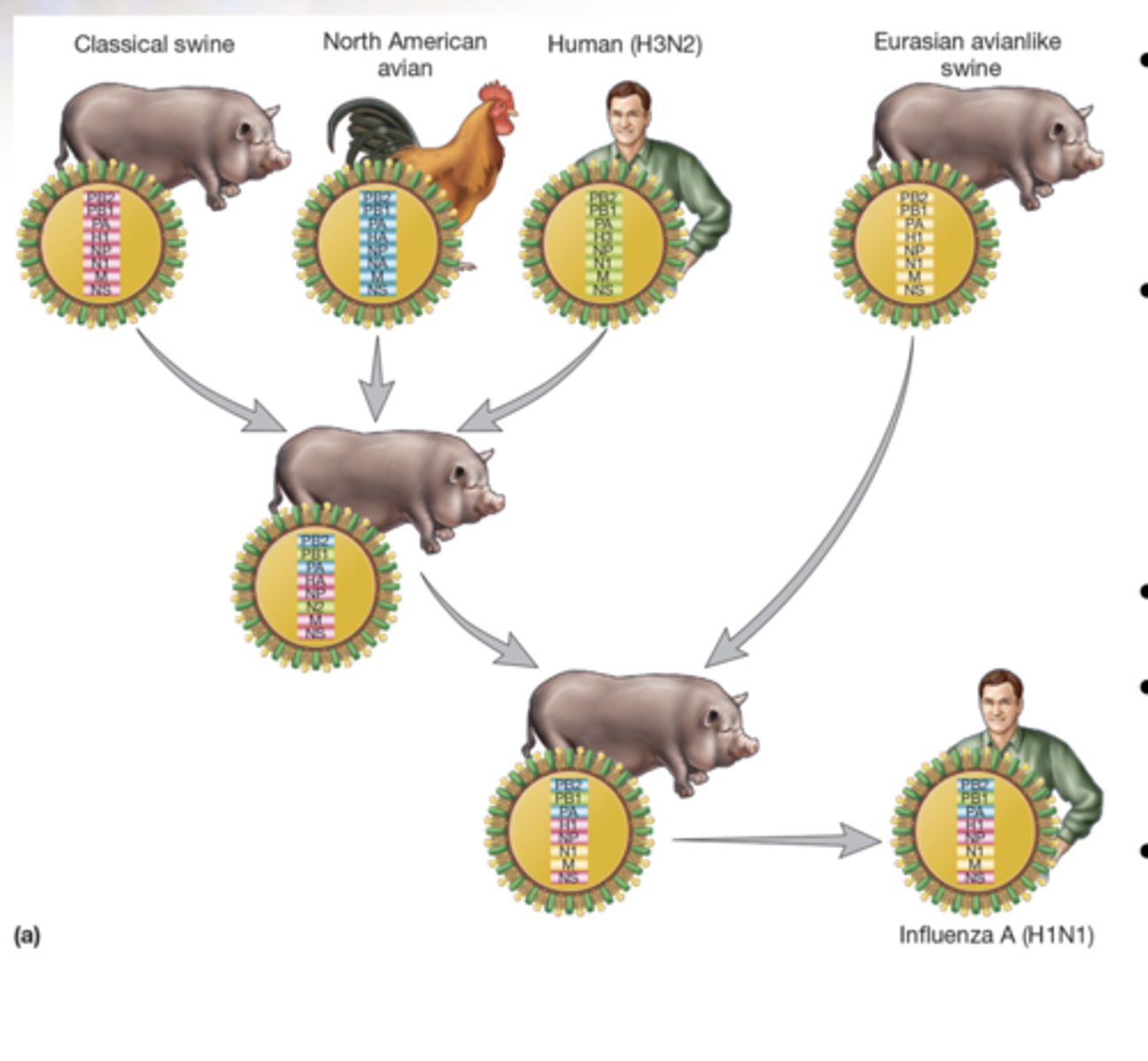
How does Tamiflu work?
NA inhibitor (prevents release of new virions)
What are arboviruses?
Arthropod-borne viruses (spread via insects)
What type of virus is Zika and what does it cause?
Arbovirus (mosquitos). Most people are asymptomatic, but can transfer vertically and cause microcephaly and other severe birth defects in fetuses.
What is an example of direct and indirect contact transmission?
Direct: Spitting in the homies mouth
indirect: using the homies fork
What is AIDS and what causes it?
Acquired Immune Deficiency Syndrome, and it is caused by Human Immunodeficiency Virus (HIV). <-- RNA +
What is the lifecycle of HIV?
1) Attachment to cells (CD4 receptors on T helper, macrophages, and dendritic cells) mediated by gp120
2) Enters cell by receptor-mediated endocytosis
3) Virus reverse transcribes itself into host genome, lays dormant as provirus
4) lays dormant, or directs synthesis of viral RNA. Budding/lysis
What is the main protein that gets broken by a protease for all of the HIV functional protein units called?
Gag. Note: virion comes packaged with a protease and a virion
How is HIV detected?
Reduced T helper cell count
In the acute stage of HIV, what is the brief illness experienced called?
acute retroviral syndrome
After long latent stage, what does the chronic symptomatic stage of HIV entail?
Diseases caused by opportunistic pathogens, and weird cancers develop.
Ex: Kaposi's sarcoma, and pneumocystic pneumonia
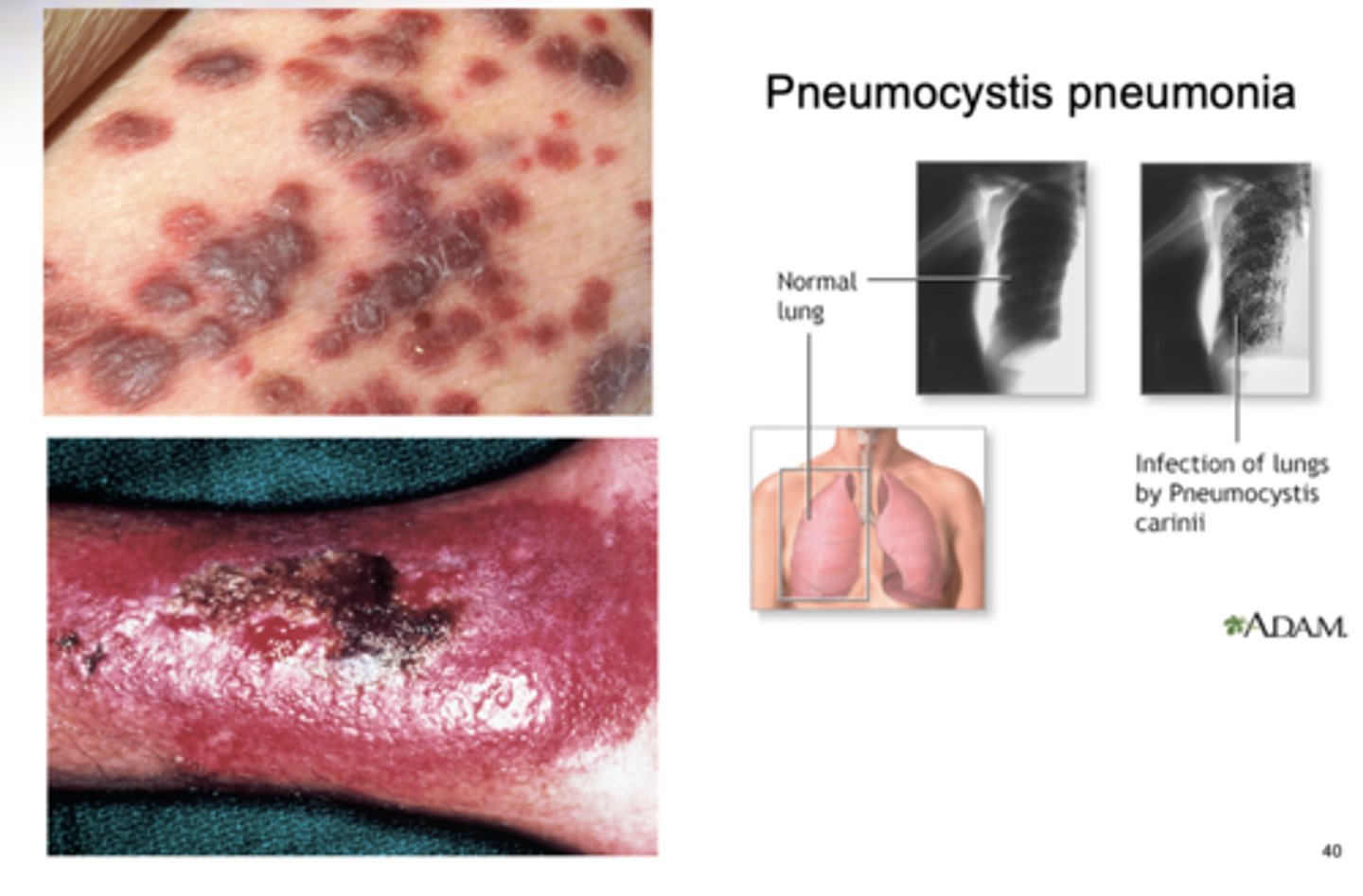
What is the clinical definition of AIDS (4th/last stage)
Less than 200 CD4+ T cells/mL of blood. Healthy should be like 1000.
What is the treatment for AIDS?
A cocktail of protease inhibitors, reverse transcriptase inhibitors, and other stuff.
What are the 4 major groups of viruses that cause viral gastroenteritis?
Rotavirus, adenovirus, astrovirus, and norovirus.
usually transmitted through fecal oral route.
What are zoonotic diseases?
diseases normally found in animals, which have somehow jumped to people
What are select agents?
CDC classified RNA viruses listed as potential bioweapons, such as Ebola and Rabies.
What is ebola, and is there a cure?
Zoonotic virus transferred likely from bats. Causes you to internally bleed to death. There is a vaccine (Ervebo).
What are virulence factors?
traits that increase how pathogenic a bacterium is
toxin production, projections that allow bacterium to attach to certain cells, evasion of host immune system
How is Corynebacterium diphtheriae transmitted?
Airborn transmission
What does the diphtheria bacteria need for it to be pathogenic?
Lysogenized bacteriophage. Phage constrains a tox gene, which produces an exotoxin. AB toxin binds to cell, disulfide breaks, releasing A. A is toxin, inhibits translation.
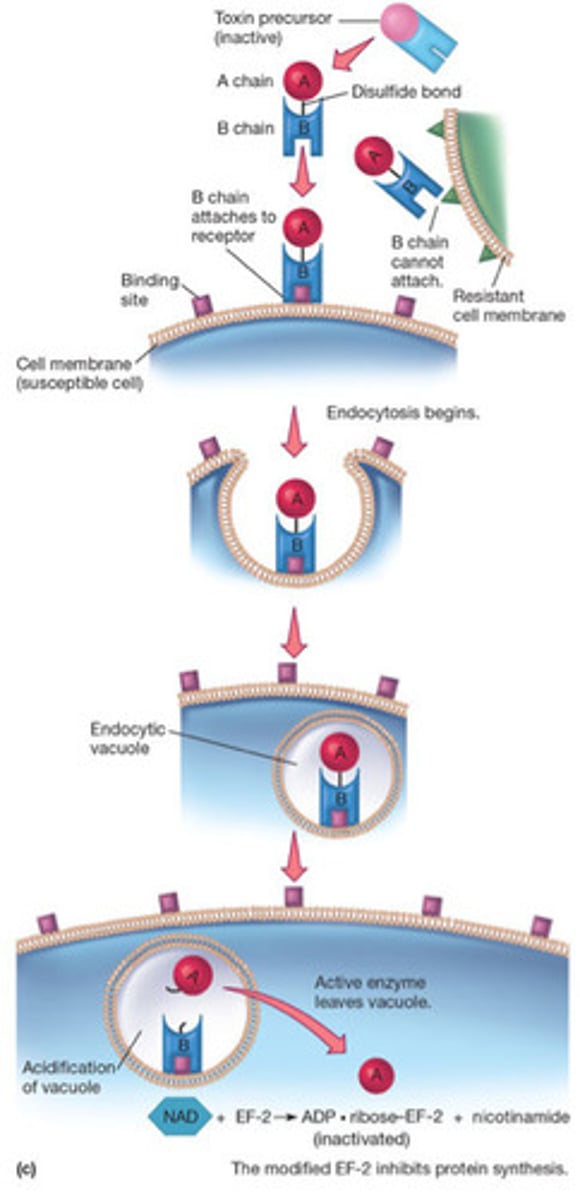
What is the diagnosis and treatment of Diphtheria?
Pseudomembrane in throat. Can immunize with DPT or DTaP. Vaccine is inactive toxin (toxoid)
Where are mycobacteria found, and what is special about them?
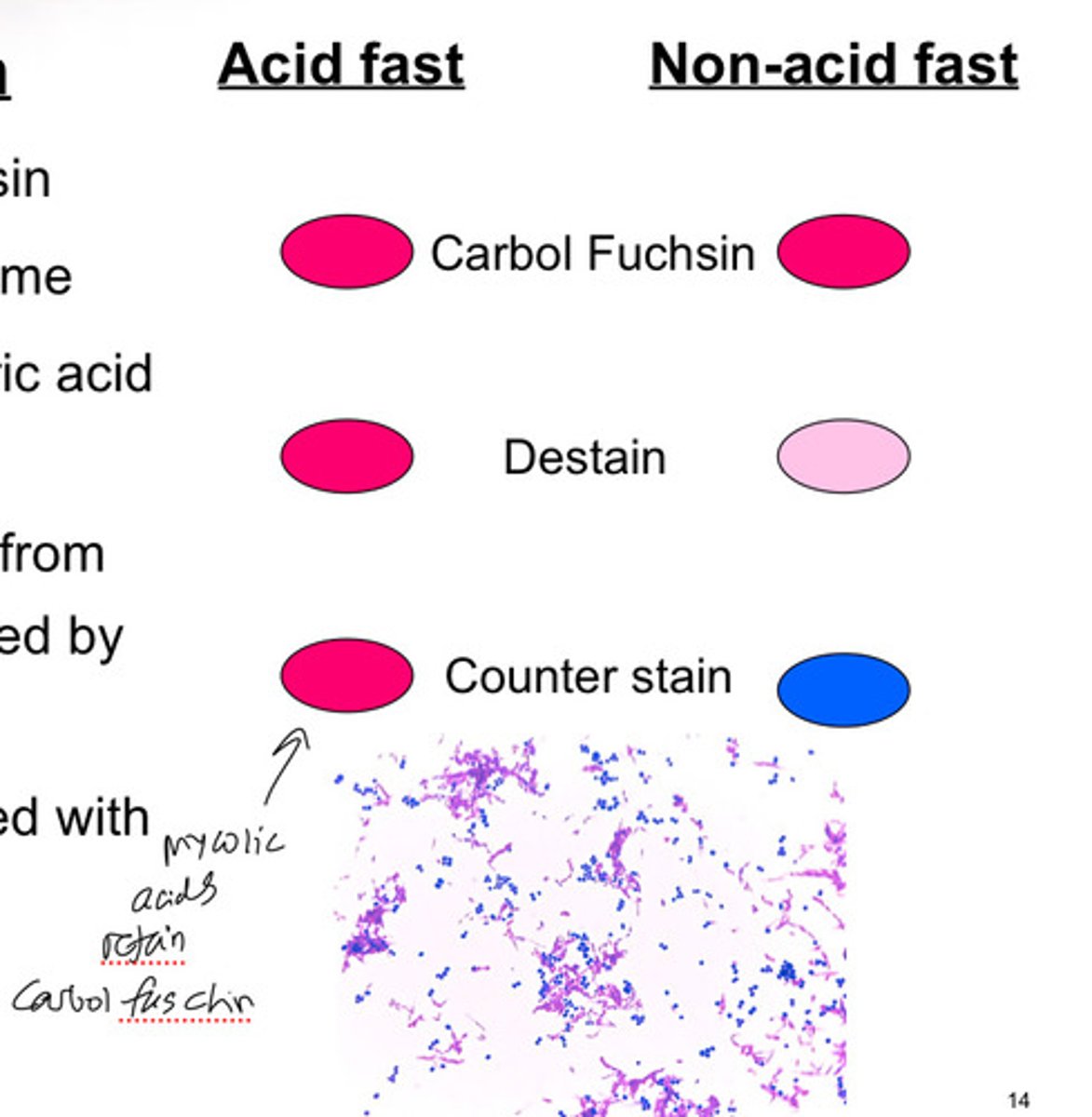
They are found in soil, and water sources. They have an unusual cell wall. They are gram positive, but stain negative. This is due to their mycolic acids in their cell membrane. Mycolic acids make membrane very waxy, and resistant to penetration.
How can you stain for mycobacteria?
Ziehl-Neelson Stain/Acid fast stain
1) Carbon fuchsin
2) heat fix
2) Destain with HCl or Isopropyl alcohol
3) counter stain with methylene blue
What does Mycobacterium tuberculosis cause? And how much of the world is infected?
TB. 2 billion
What are the major virulence factors of Mtb (TB)
Not typical ones like toxins, and adherence factors
USES: mycolic acids (toxic component of envelope). Major factor in addition to this is ability to survive phagocytosis.
What is the course of disease in TB?
In the lung, macrophages phagocytose bacteria, but usually die in the process of trying to kill it. To prevent further spread, immune system walls off infection into tubercles (latent stage). Overtime, tubercle can develop into caseous lesion (holes), Ghon's complex, and tuberculous cavities. When tubercles liquify, spreading occurs (miliary TB). This is also called reactivation TB.
What does Borrelia burgdorferi/garinii/afzelii cause?
Lyme disease. (Bacteria is a spirochete). Most common in US = burgdorferi.
How is Lyme disease transmitted and what does the disease progression look like?
Ticks and other animals. Target rash. There is an initial localized stage, a disseminated stage, and a late stage.
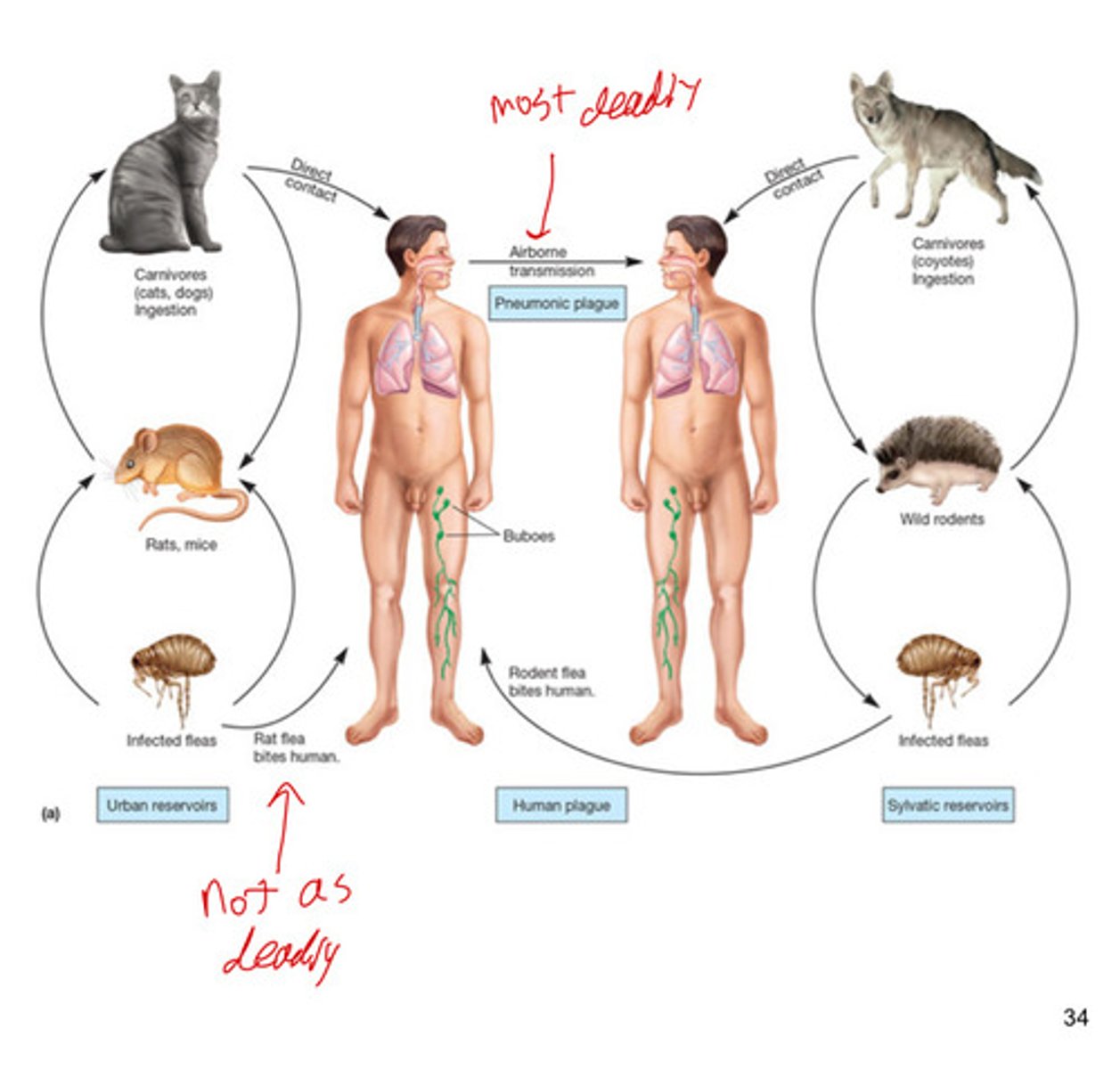
What does Yersinia pestis cause?
Black Plague
How is the black plague transmitted?
Rodents to humans (bite):bubonic plague
Humans to humans (airborn) - way more lethal: pneumonic plague
What does Chlamydia trachomatis cause? How many people are infected?
Chlamydia. Most frequently reported STD. Causes pelvic inflammatory disease (PID) in women, and can harm fetus.
What does spirochete Treponema pallidum cause?
Syphylis
Venereal = sexually transmitted
Congenital = Vertical transfer
3 stages: primary, secondary, and tertiary.