Nature and variety of living organisms
 Call Kai
 Learn
 Practice Test
 Spaced Repetition
 Match
 Flashcards
 Knowt Play
1/40

There's no tags or description
Looks like no tags are added yet.
41 Terms
What are the characteristics of living things?
Movement, Respiration, Sensitivity, Homeostasis, Growth, Reproduction, Excretion, Nutrition

Name all eukaryotes
FAPP
Fungi, Animals, Protists, Plants
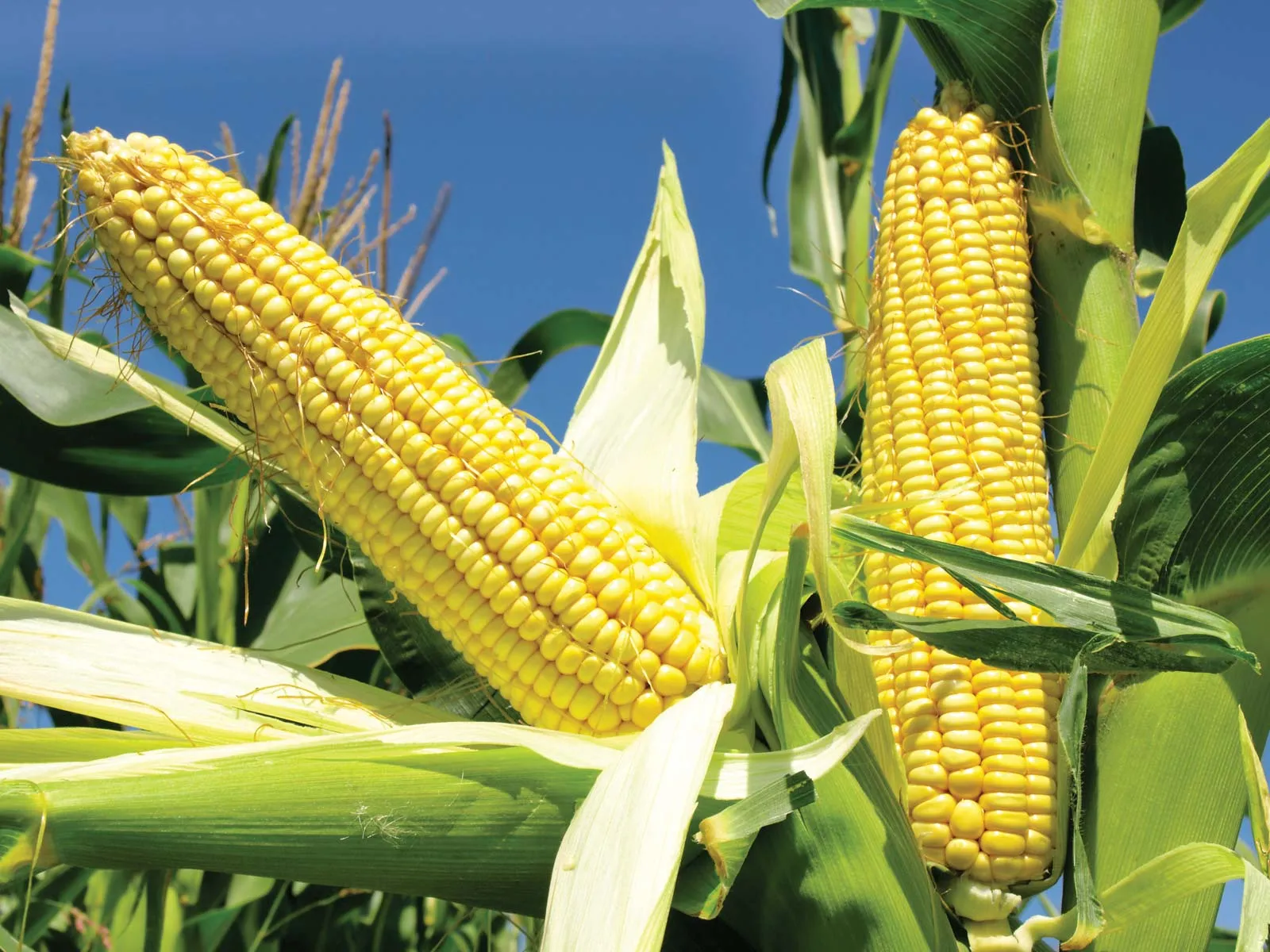
Give an example of a flowering plant
Maize
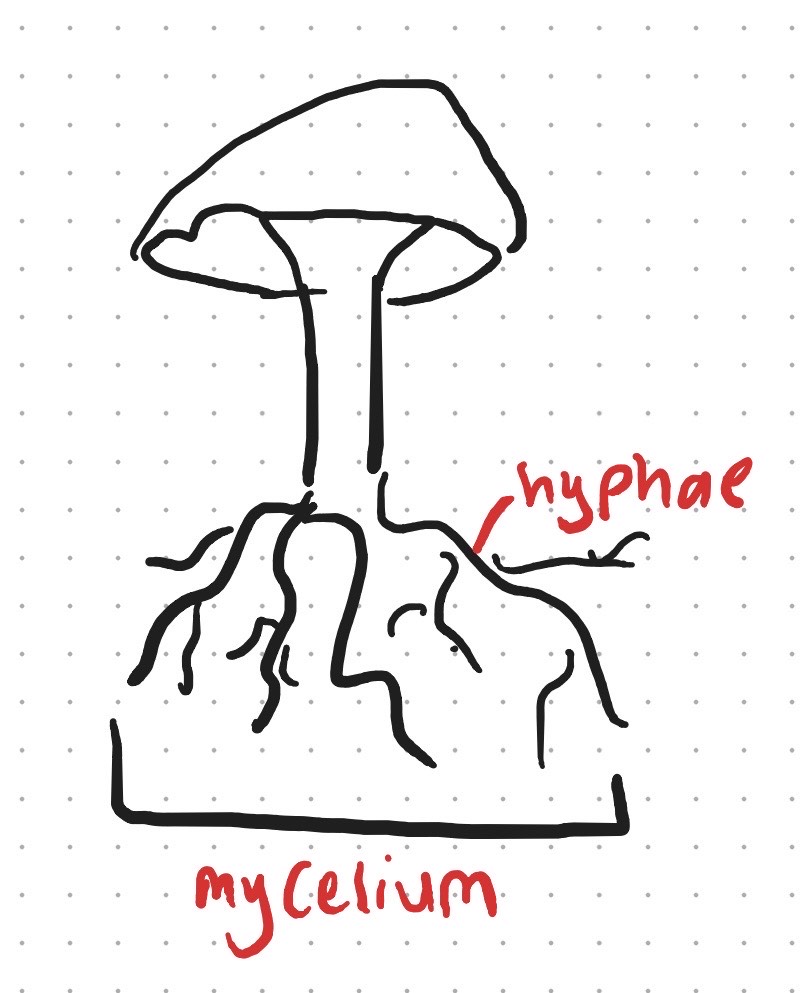
What is the structure of fungi?
Organised into mycelium
Made from thread-like structures called hyphae
How do fungi feed?
Saprotrophic nutrition- extracellular digestion
Secretes digestive enzymes onto food
Break down substrate
What type of nutrition do fungi have?
Saprotrophic nutrition
What is a characteristic of fungi regarding photosynthesis?
They cannot photosynthesise.
Example of a fungi
Mucor
Yeast
What are protists?
Microscopic, single-celled organisms
Name a safe protist
Amoeba
Name a pathogen and disease it causes
Plasmodium (malaria)
Name all prokaryotes
Bacteria
Why are viruses not classified as a living organism?
Lack of metabolism
Inability to maintain homeostasis
No cellular structure
Dependence on Host
Give an example of a virus
Influenza virus that causes flu
Pathogen definition
A bacterium, virus, or other microorganism that can cause disease
What can pathogens include?
Fungi, bacteria, protists or viruses
Movement definition
any action that causes a change in position or place (eg, locomotion)
Respiration definition
Breakdown of organic molecules to release energy
sensitivity definition
Living things can respond to and interact with the environment
homeostasis definition
the ability to maintain an internal environment to counteract external changes.
growth definition
a permanent increase in size by cell number, cell size, or both
reproduction definition
Living things produce offspring, either sexually or asexually
excretion definition
the removal of metabolic waste made in cells
nutrition definition
the process of taking in and using food for energy, growth, and repair

A- Dna or RNA
B- Envelope
C- Protein coat
Common feature differences between eukaryotes and prokaryotes?
Eukaryote
Larger
Unicellular/Multicellular
Complex
Membrane-bound Nucleus
Prokaryote
Smaller
No membrane-bound organelles
Can reproduce quickly
Always unicellular
how do plants synthesise starch?
Converting glucose produced during photosynthesis into insoluble starch
What is a virus?
Parasitic, small, non-living organisms
What is autotrophic nutrition?
When an organism creates its own food (e.g., photosynthesis)
What is heterotrophic nutrition?
When they rely on other organisms for nutrition (e.g., some obtain nutrients from dead organic matter)
how do protists eat?
some eat autotrophically (photosynthesis), others eat heterotrophically
What is a eukaryote?
An organism made up of cells that contain a nucleus and other membrane-bound organelles.
What is a prokaryote?
A simple organism made up of a single cell that does not have a nucleus or other membrane-bound organelles.
what do fungi store their carbohydrates as?
glycogen

A- Cytoplasm
B- Ribosome
C- Mitochondria
D- Nucleus
E- Cell wall
F- Cell membrane
example of bacteria
salmonella
advantages of embryonic stem cells
less chance of being rejected
can differentiate into any cell
disadvantages of embryonic stem cells
spare embryos from IVF—> can be rejected
raises ethical issues
may form tumours if not differentiate properly
advantages of adult stem cells
LFN
less likely to cause tumours
fewer ethical issues
no shortages of the cells/donors
disadvantages of adult stem cells
extracting can be difficult/painful
cells from older people won’t last long
what disease is caused by protists?
malaria