BIOL1010 EXAM 1
 Call Kai
 Learn
 Practice Test
 Spaced Repetition
 Match
 Flashcards
 Knowt Play
1/64

There's no tags or description
Looks like no tags are added yet.
65 Terms
The water and the sugar combined is a:
Solution

Severe Acute Malnutrition due to starvation or hunger is the #1 killer of children in the world. Doctors have begun using fortified peanut butter, which they call a ready-to-use therapeutic food. It contains glucose, vegetable oil and peanuts, all of which can be converted or broken down to smaller components the cells can absorb. Once the children eat the peanut butter, the excess glucose can be stored inside of their cells as:
GLYCOGEN
Naegleria fowleri, a single –celled eukaryotic organism that lives in fresh water and soil goes by the infamous name of “brain-eating” amoeba. It belongs to which of the following Kingdoms?
Protista
Molds, Yeast and Mushrooms
all belong to the FUNGOI KINGDOM
Pine tree, fern, and orchid
all belong to the PLANT KINGDOM

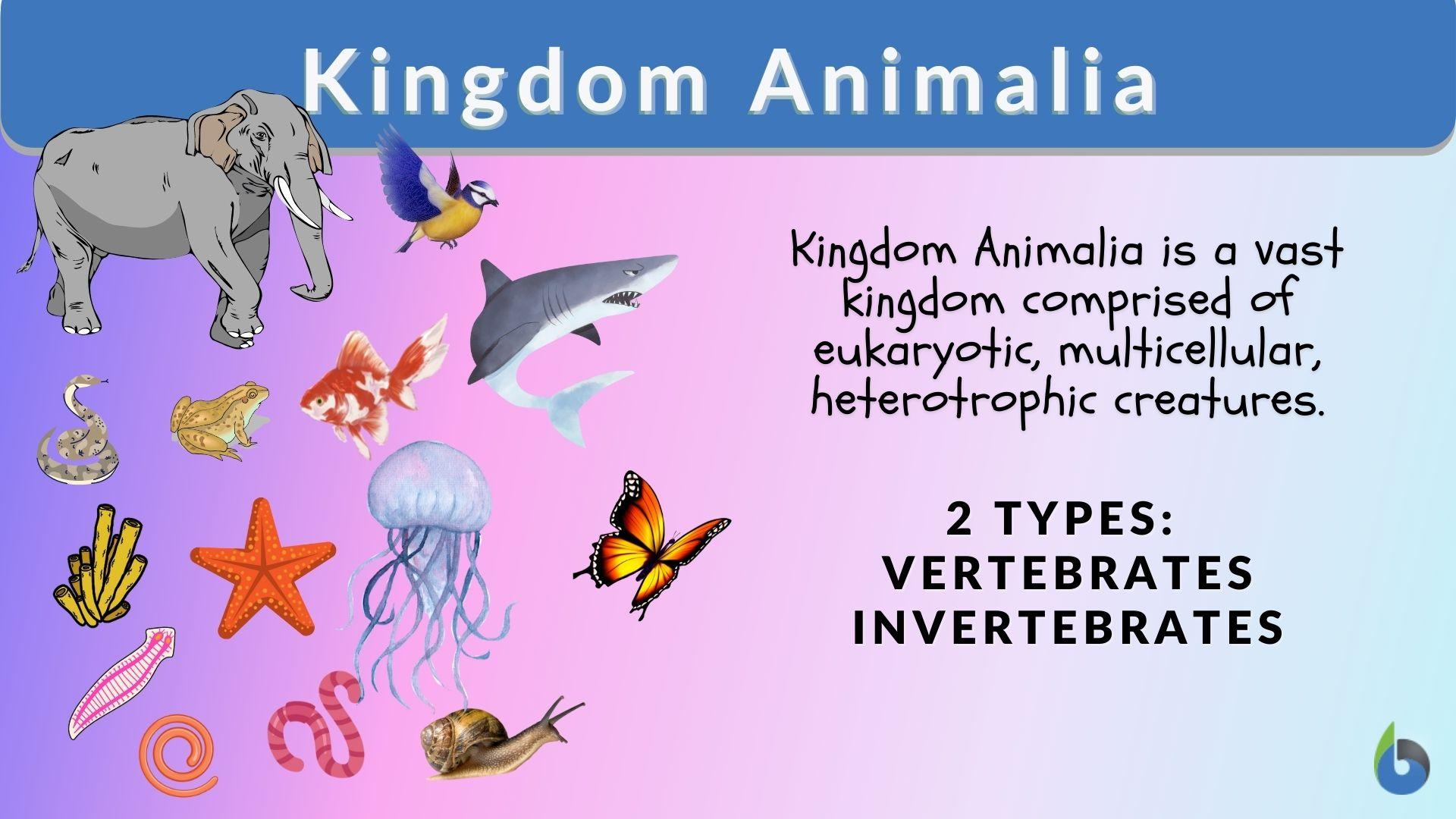
Lemur, shark and spider
all belong to the ANIMAL KINGDOM
Eukaryotes that mostly decompose dead organisms
all belong the FUNGI KINGDOM
Mostly single-celled eukaryotes
all belong to the PROTIST KINGDOM
Multicellular eukaryotes that ingest other organisms
all belong the ANIMAL KINGDOM
The water that the sugar is dissolved in is called:
solvent

A solution with a pH of 6 is compared to a solution with a pH of 12. The solution with the pH of 6 is considered as -----.
ACID

A solution with a pH of 6 is compared to a solution with a pH of 12. The solution with the pH of 12 is considered as -----.
BASE

A solution with a pH of 6 is compared to a solution with a pH of 12. The solution with the pH of 6 will have a hydrogen ion concentration that is--- than the solution with a pH of 12.
HIGHER (1,000,000 GREATER)
Peanuts, being an excellent source of proteins, are digested/converted into
AMINO ACIDS
Phosphorus has a mass number of 31 and an atomic number of 15. Therefore, the total number of electrons in the shells of a phosphorus is:
15 PROTRONS
Organisms capable of mating and producing fertile offspring belong to the same:
Species (a group of natural populations that can interbreed and make viable, fertile children.)
The ability of an organism to maintain a stable internal environment is called
Homeostasis

The vegetable oil in peanut butter is digested/converted into its monomers called...
Phopholipids OR fattyacids/glycerol

An organism that makes its own food from carbon dioxide and water is known as a:
Autotroph

The sugar that is dissolves in water is called:
Solute
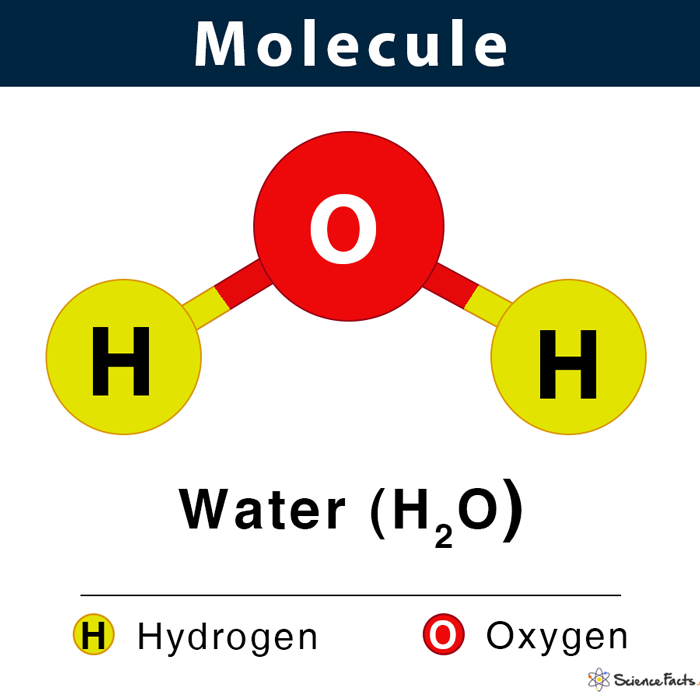
Molecules
Group of elements joined together (ex. H2O & CO2).

Organic Molecules
contain Carbon and at least one Hydrogen.

Monomer
the simple building units of organic molecules

Polymer
large molecules made up of many monomers.
Hydroxyl (OH)
polar group (reacts/dissolves in water). made of one oxygen atom bonded to one hydrogen atom
Methyl (CH3/2)
non-polar group (will not react/dissolve in
water). two methyl groups are attached to the same central atom or main part of a molecule
Amine/Amino (NH2):
basic group (pH increases), An amine is an organic molecule derived from ammonia (NH₃) with hydrogen atoms replaced by carbon chains or rings, while the amino group (-NH₂) is the specific functional group containing a nitrogen atom bonded to two hydrogens.
Phosphate (PO4):
High energy polar group.

Chemical reactions
are the building and breaking of chemical bonds
what are the two types of chemical reactions
• Reactants
• Products
what are the two major types of chemical reactions
Condensation /dehydration synthesis: chemical reaction
that will link monomers into polymers by removing water.
• Hydrolysis: chemical reaction that will breakdown
polymers into monomers by splitting water
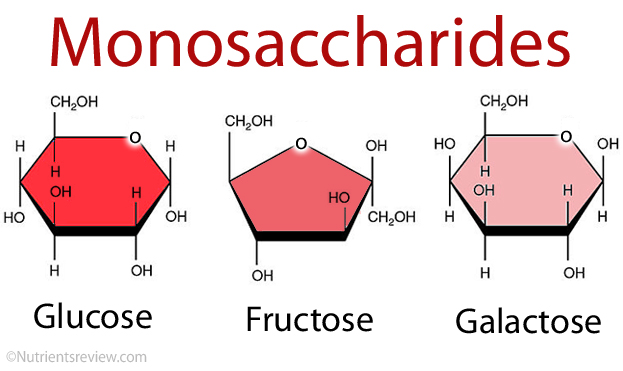
Monosaccharide
Simple building units/monomers
(simple sugar)
what is the MOST simple monomer?
Glucose

Polysaccharide
many monosaccharides (complex
carbohydrates)

what is starch?
how plants store glucose

what is Glycogen?
how animals temporarily store glucose.

what is Cellulose?
structural form of glucose in plants
what is Chitin?
a tough, natural sugar-based polymer that provides structural support and protection in the outer coverings of insects, crustaceans, and fungi, unique in
that chitin has nitrogen added to it.
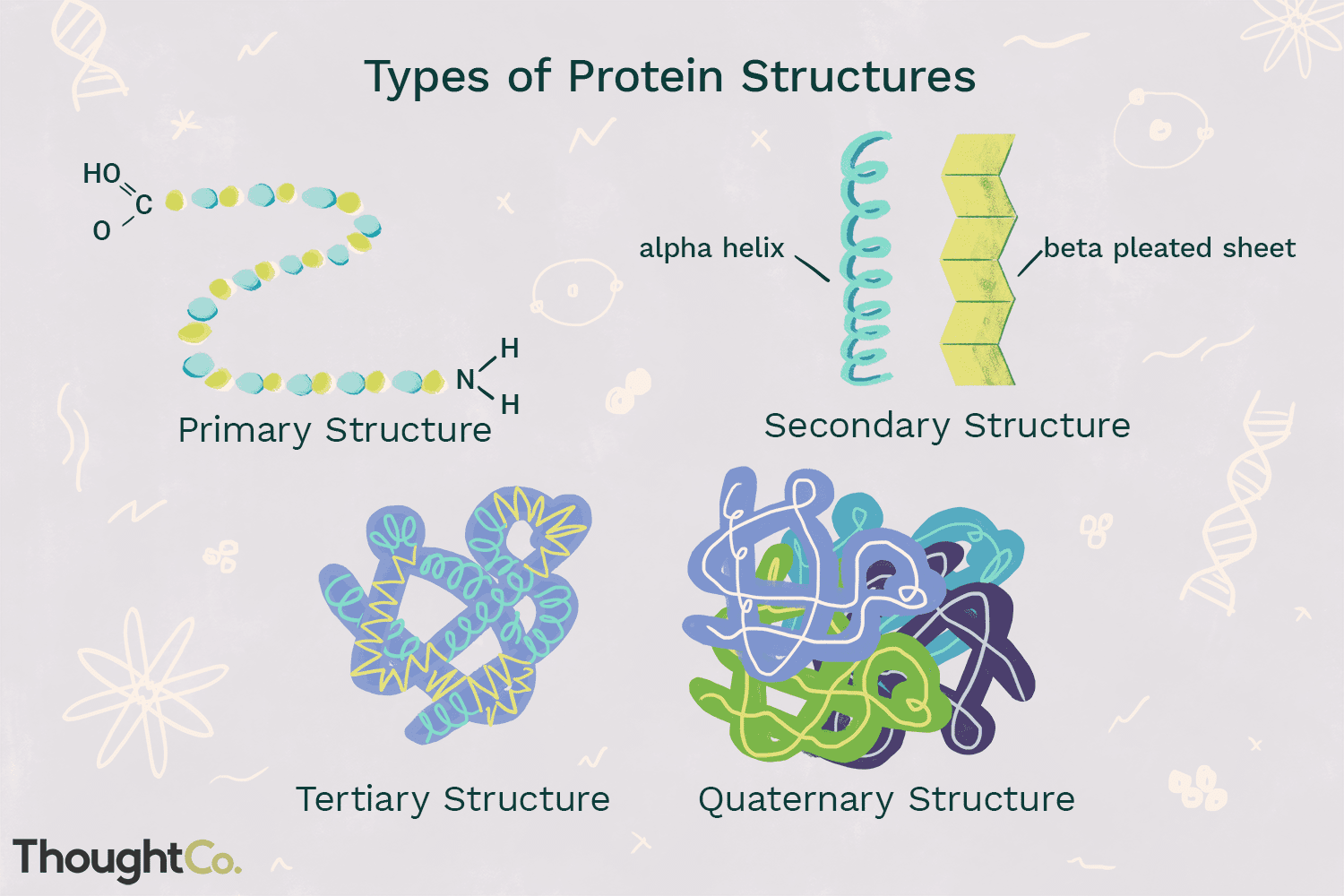
what is the Primary structure?
the amino acid linear order. “How the amino acids
line up”.

what is the Secondary structure?
the bending and twisting of the linear order.
Formed b/c of hydrogen bonding.

what is the Tertiary structure?
refers to the three-dimensional shape of proteins.
Most common structure

what is the Quaternary structure?
refers to many 3-D shapes.
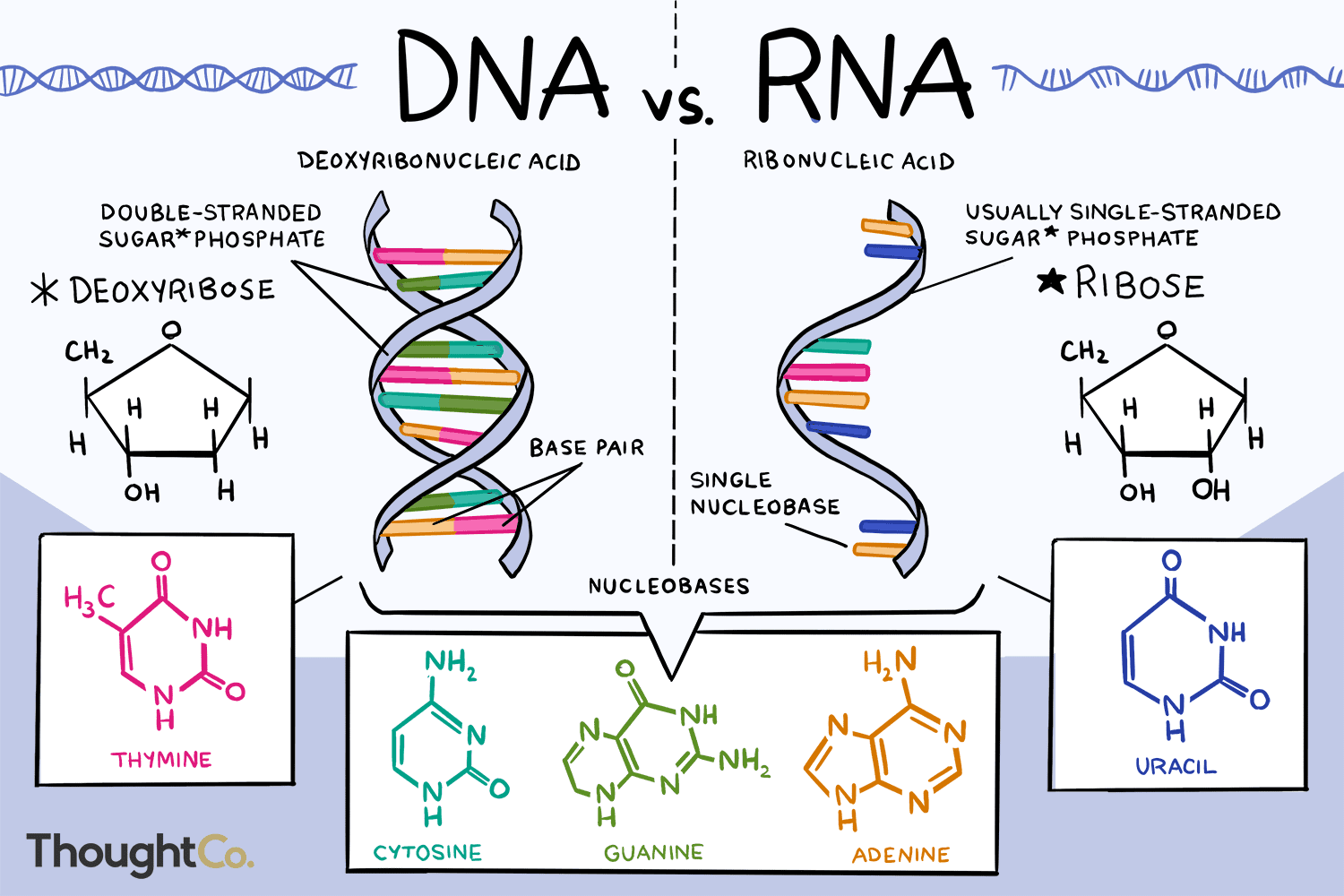
what are the three parts of nucleotides?
Sugar
• Phosphate group
• Nitrogen base
what are two major types of nucleic acids?
DNA and RNA

Scientific Process
Involves 4 steps: Observation, Hypothesis,Testing, Design and Conclusion

what is the Independent variable:
:what is being tested in an experiment (what is iable to change)

what is the Standardized variable
anything that the investigator holds constant in an experiment
what is the control
standard for comparison. Will not contain the independent variable

what is the Dependent variable
measurable outcome, results
what is the Data
reported information about what is found in nature,
what is Qualitative data
Associated with details, collected data that can just be observed
Ex: scents,smell,hear,see,taste
what is quantitative date
Ex:counting,numerical,factual
AN acorn germinates changes into an oak seedling and at a maturity produces a tree that yields acorns
grow develop
A kitten receives nourishment from its mother milk
acquire and use energy
Your kidneys regulate your bodys water balance by adjusting the concentration in your urine
homeostasis
Implies that evolution works to produce the most superior organism that would successful in any environment
false/natural selection
how to find Atomic #?
protons+electrons
how to find mass #?
protrons+neutrons
0.5 or higher
polar, unequal sharing of electrons
0.5 or lower
non-polar, equal sharing of electrons
Sensitivity
living things sense changes in environment and act accordingly
All living things must be able to
reproduce grow and develop
All living things must have a way
to gain and use energy
dissolve easily
hydrophilic
don’t dissolve
hydrophobic