metabolism and energy balance
 Call Kai
 Learn
 Practice Test
 Spaced Repetition
 Match
 Flashcards
 Knowt Play
1/52

There's no tags or description
Looks like no tags are added yet.
Name | Mastery | Learn | Test | Matching | Spaced | Call with Kai | Chat |
|---|
No analytics yet
Send a link to your students to track their progress
53 Terms
absorptive state
( aka feed state ) 4 hrs. after a meal, when nutrients are being absorbed, some nutrients are used for cellular respiration; some are stored for between meals. The body will have stored enough energy to maintain life for a few weeks alone, as long as there is enough water
An anabolic state stores energy in macromolecules like protein, glycogen& triglycerides
Post- absorptive state
( aka fasting state) When the GI tract doesn’t have any nutrients, the body’s energy stored during the absorptive state supplies the needed energy. Breaking down macromolecules to get energy makes this a catabolic state

Explain this photo ( metabolic pathways of the absorptive state )
Carbohydrates must first be broken down into glucose to be reabsorbed
Once glucose is picked up from the small intestine, it is delivered to all cells to perform cellular respiration and create ATP
Excess glucose is picked up into our adipose cells and broken into glycerol 3-phosphate and fatty acids, then assembled into triglycerides and stored
Glucose also enters the liver cells and gets stored as glycogen; some of it is going to be metabolized to glycerol 3-phosphate and fatty acids, giving the liver the ability to make triglycerides
Muscle cells can also pick up glucose and turn it into glycogen, where it can be stored for muscle cells
Proteins are broken down to amino acids and are picked up from the small GI. Enters liver cells, where our hepatocytes can remove the amino group and make urea. This gets eliminated by our kidneys. Some amino acids are made into alpha-keto acids, which the liver uses as an energy source for its own cells . Some keto acids are turned into fatty acids to make triglycerides
Most amino acids are picked up by our cells to make enzymes, hormones, hemoglobin & collagen
Triglycerides in the blood will be packaged as chylomicrons and enter adipocytes to be broken down into fatty acids and monoglycerides and then into triglycerides


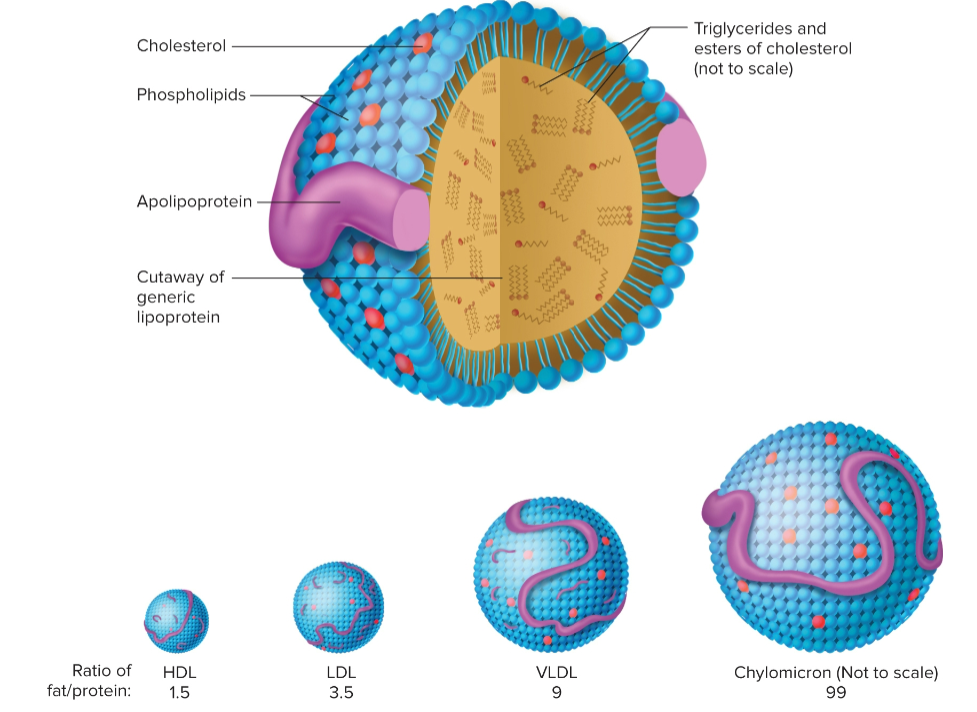
apolipoprotein
A protein that covers triglycerides formed in the liver with cholesterol

lipoprotein
an aggregate clump that has lipid and protein components


liver releases it into the blood as VLDLs
( very low-density lipoproteins ) Low density of protein compared to the amount of lipids


chylomicrons
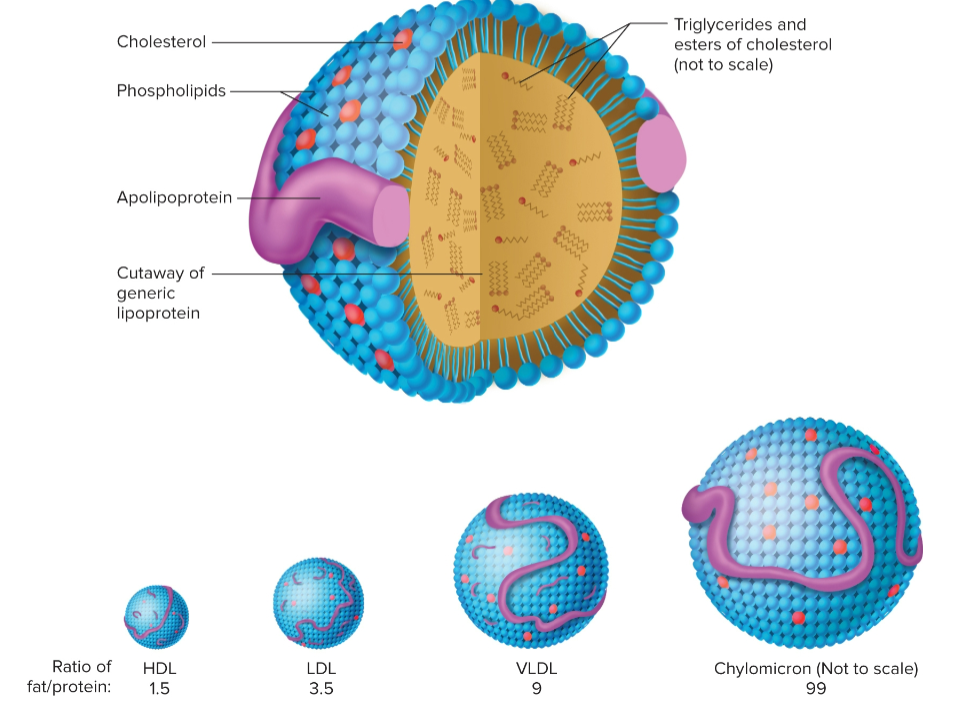
The largest lipoprotein is more triglycerides than proteins


Very low density lipoproteins ( VLDLs)
more lipids but thicker in protein compared to chylomicrons


Low density lipoproteins ( LDLs)
more protein than VLDLs, less fat


High density lipoproteins
highest density of proteins, smallest ratio of fat to protein

lipoprotein lipase
found in blood capillary walls has the function to break down triglycerides which will enter adipocytes and get assembled and stored

cholesterol
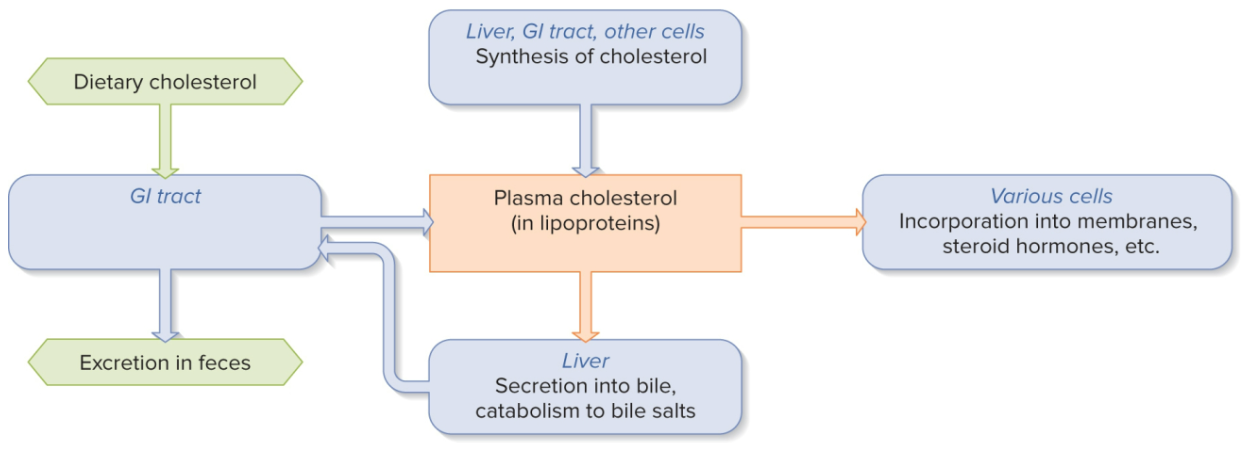
Functions: to make steroid hormones; major parts of the cell membrane are made of phospholipids, but also cholesterol
Is added to the bile in our liver ( added by hepatocytes)
Two sources: eating it or synthesizing it in the liver or small intestine
some is excreted
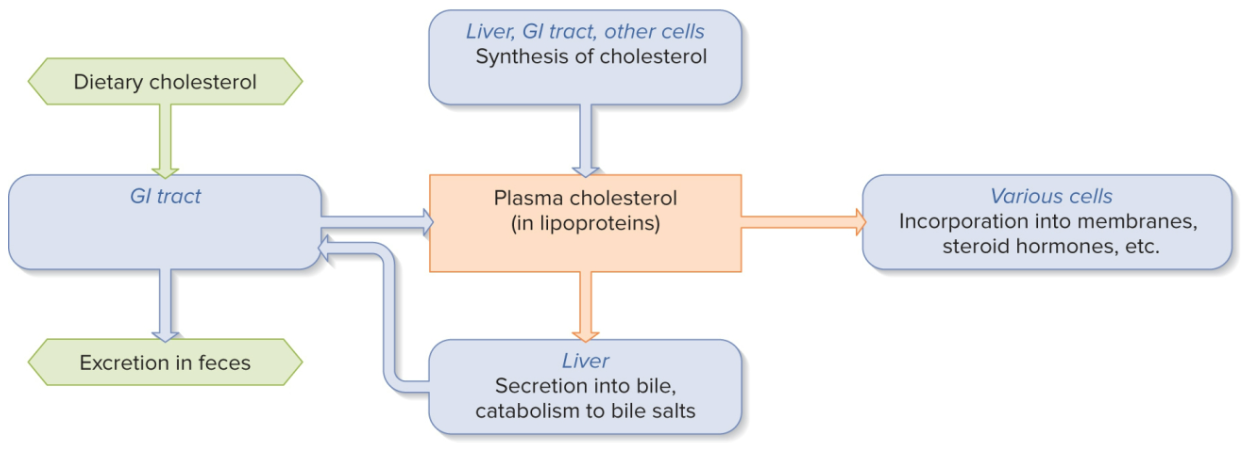
the liver create a nice balance for
cholesterol bc it can decrease or increase cholesterol
When you consume too much cholesterol, the synthesis of cholesterol by the liver slows down, and the same is true in reverse
atherosclerosis
damage to our blood vessels when there is too much cholesterol, fatty buildup
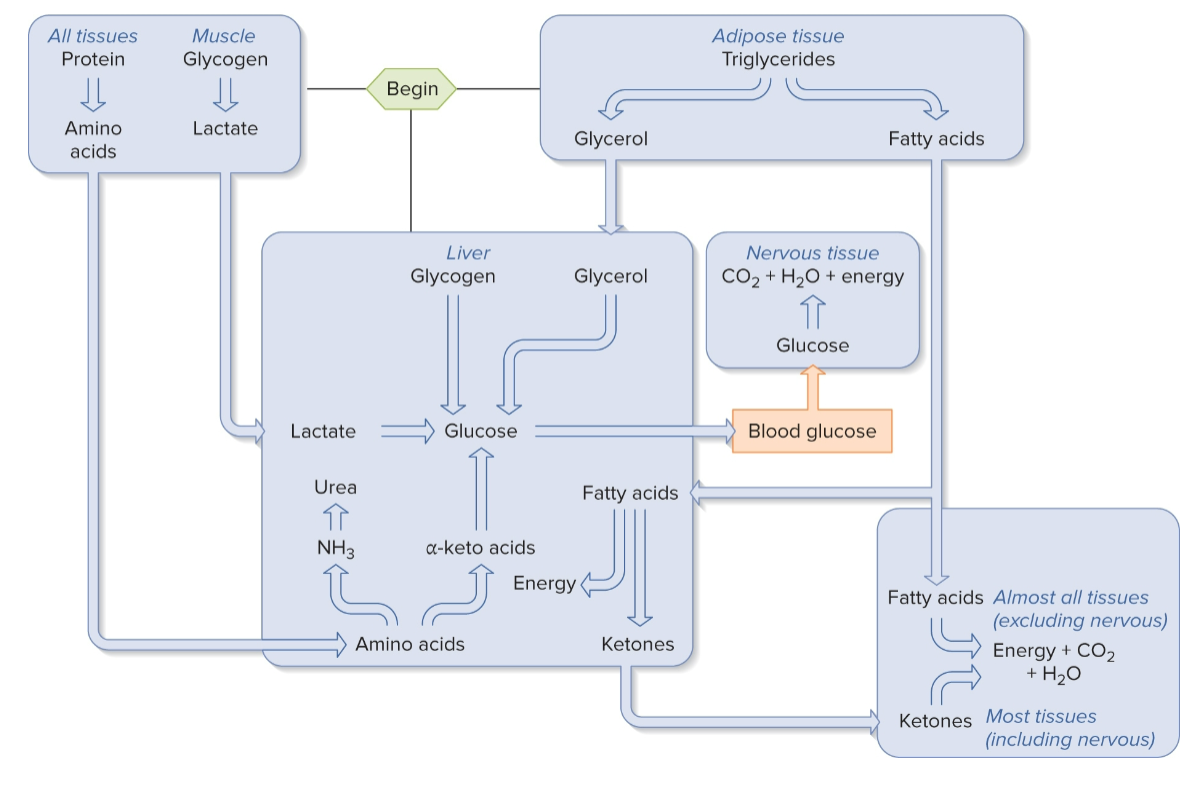
explain this photo ( post absorptive state pathway )
The body will stop the synthesis of glycogen, fats, and protein and will instead go into a catabolic state to break down the molecules and increase the blood glucose level
First, even in the liver, convert glycogen into glucose-6-phosphate, which is then converted into glucose and liberated into the blood (glycogenolysis)
Glycolysis will also do this and produce lactate, which will be picked up by the liver and converted to glucose again
Protein can be broken down into amino acids, which can be broken into keto acids by the liver
When the body makes glucose from amino acids or ketones, then they are really making new glucose molecules, hence gluconeogenesis, performed by our hepatocytes


lipolysis
Fat breakdown: triglycerides are broken down into glycerol & fatty acids, which can be used by most cells ( except NS)
Glycerol will be converted to glucose in the liver
Some fatty acids sent to the liver will be broken down into ketones, which are also used by most of our cells
During long fasting periods, the body will switch to ketones /fat to break down for energy
The NS can use ketones to make ATP when we have no glucose or glycogen

post-absorptive state ( short version)
Break down glycogen into glucose in the body
Then the breakdown of fats bc glycogen reserves have been depleted
Lastly, the breakdown of protein from our muscles
Trying to leave glucose in the blood for the brain
role of insulin
a peptide hormone secreted by beta cells in the pancreas
targets skeletal and cardiac muscles, also adipocytes & hepatocytes
turns on the absorptive state; the body begins absorbing nutrients, and the cell starts synthesizing molecules, making insulin an anabolic hormone
In a postabsorptive state, insulin decreases; during an absorptive state, insulin increases
stimuli for insulin
An increase in plasma glucose
Increase in plasma amino acids
Increase in parasympathetic activity; when it’s more active, insulin becomes more active ( rest and digest )
causes for beta cell to decrease insulin
An increase in sympathetic NS activity
An increase in epinephrine
Both are responses to danger
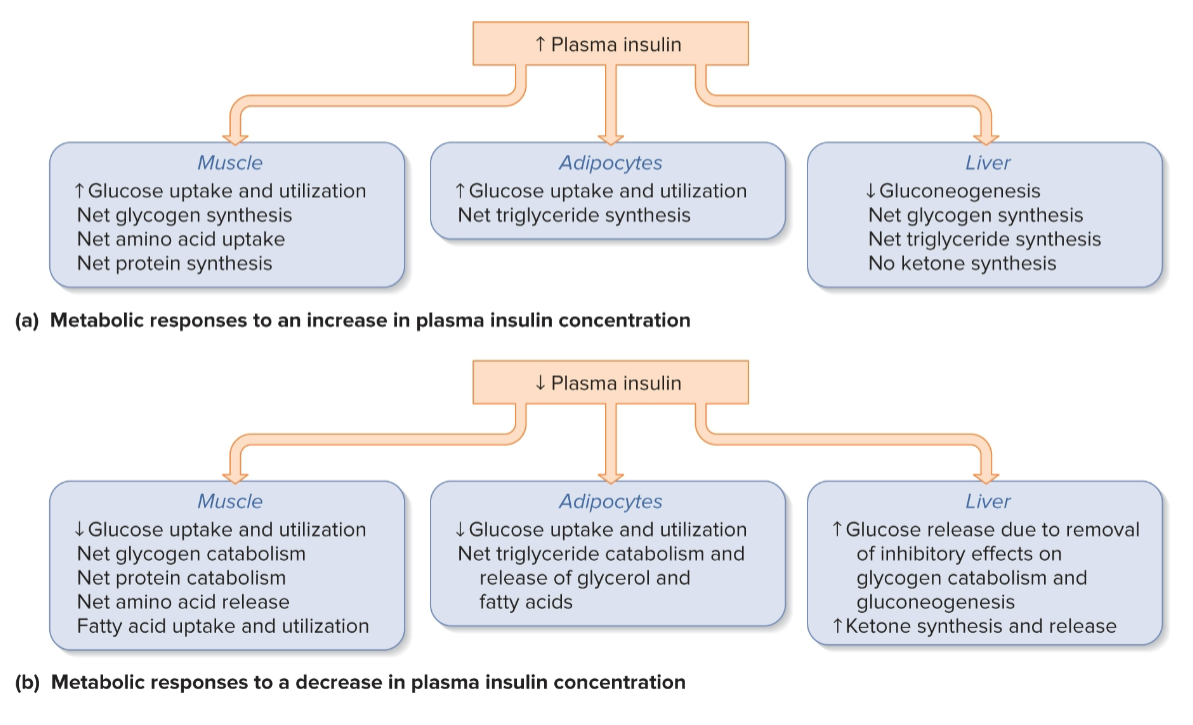
explain this photo


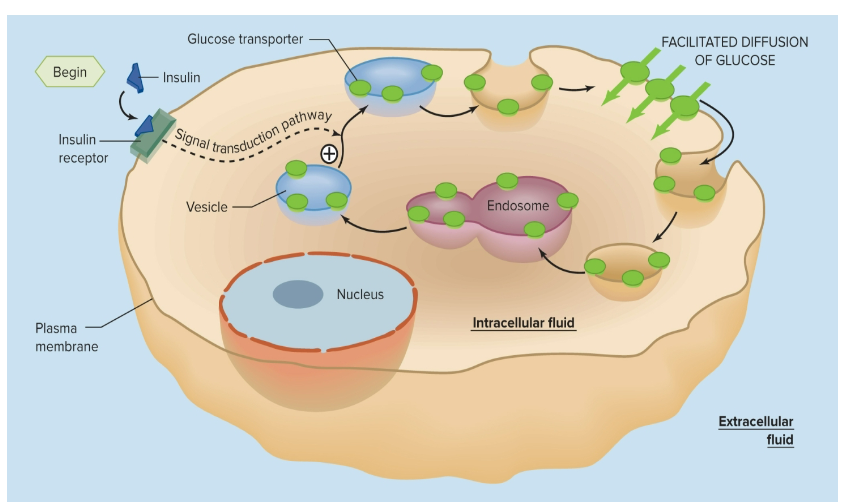
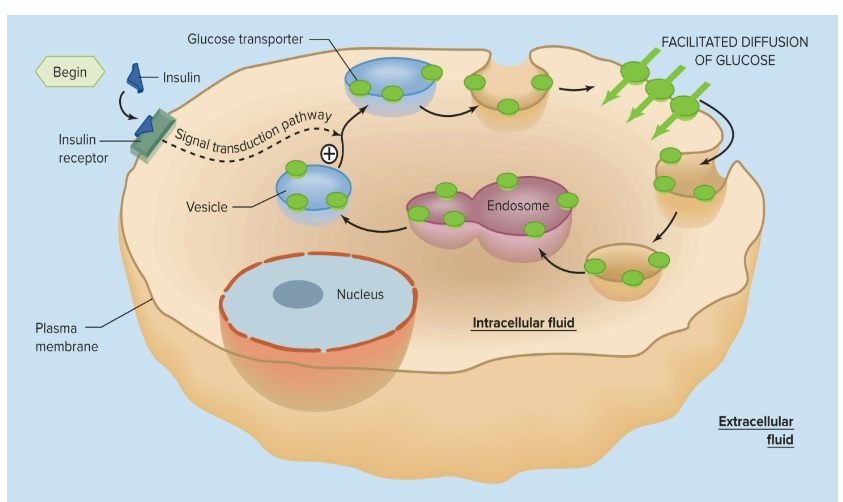
insulin and glucose reuptake ( explain this picture )
Insulin binds to its receptors on the target cell, causing signal transduction to take place
Phosphorylation of transporter-related glucose occurs, causing vesicles to release their GLUT transporters
GLUT allows facilitated diffusion of glucose into the cell, upregulating the response and bringing glucose into the cell
3 types of GLUT transports
GLUT 2
GLUT3
GLUT 4


GLUT 2
loc in the liver, pancreas, and small intestine, it is insulin-independent, meaning that insulin doesn’t have to be present for it to function
is always open, always on the membrane, allowing glucose to move down its concentration gradient
GLUT 3
Nervous tissue in the brain is insulin independent, and is always taking in glucose


GLUT 4
found on skeletal muscle & adipose tissue is insulin-dependent

nutrient absorption in muscles
glucose enters and is either used or stored away as glycogen
Amino acids can also enter and be used for protein synthesis ( can so the reverse if needed )


adipocytes nutrient absorption
glucose is converted to glycerol 3-phosphate & fatty acid and then stored as triglycerides
Lipoproteins in the blood break down triglycerides into fatty acids, which enter adipocytes

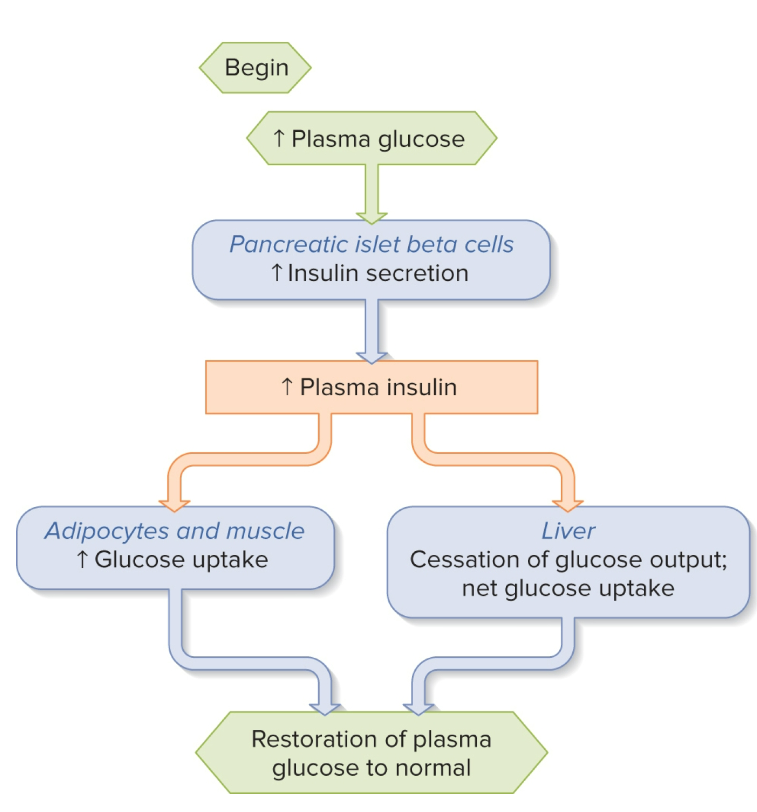
how insulin production is stimulated ( explain pic )
Absorption from the GI tract increases, activating and secreting insulin from beta cells
Everything is elevated, including glucose, amino acids, etc causing the release of insulin
Beta cells in the pancreas also pick up more glucose to make ATP and exocytose insulin, entering the blood and traveling through the body, binding to insulin receptors on cells
Insulin prevents the breakdown of glycogen

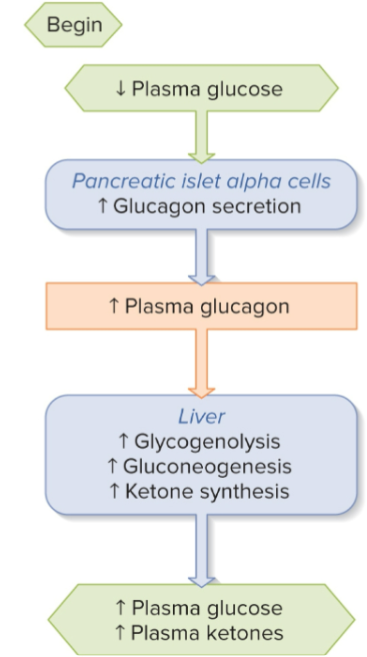
role of glycogen
Glycogen is the opposite of insulin
Important in the post-absorptive state, where glucose levels drop; need glucose for the brain, so bring blood glucose level back up
Peptide hormone, secreted by the alpha cells of the pancreas and functions antagonistically to insulin
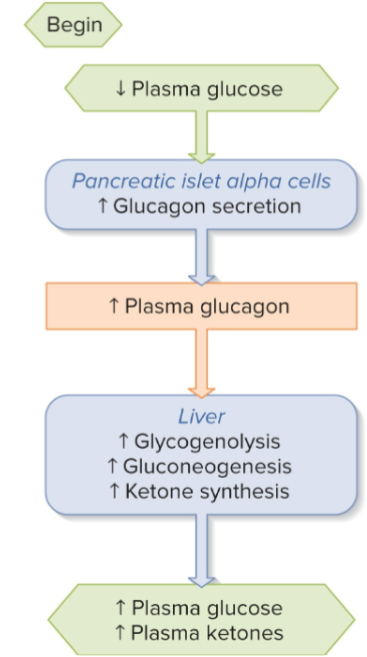

stimulation of glycogen is caused by
a drop in blood glucose (hypoglycemia) also inhibits insulin from being released too
an increase in sympathetic activity & and an increase in epinephrine concentration → will inhibit insulin, which will also stimulate glucagon secretion


SNS responds to low blood glucose (hypoglycemia, explain pic)

effects of cortisol on organic molecule
Cortisol is released from the adrenal cortex
Important in increasing blood glucose levels
Released in spurts, with the biggest one being in the morning before you wake up to prep your body for the day
Stress is an important secretion for cortisol
Cortisol is also important for growth hormone secretion; many things are important for growth: the thyroid hormone, GH, insulin & cortisol
When cortisol levels are high for a chronically long time, it will inhibit growth ( aka hypercortisolism)
What happens when cortisol increases for a brief stressful time
increase in protein catabolism (breakdown)
increase in gluconeogenesis by the liver
a decrease in uptake by muscle cells & adipocytes
an increase in triglyceride breakdown
The net goal is to increase the blood glucose to prepare the body for a time of stress
growth hormone
imp for metabolic processes in the body, affects carbohydrate and lipid metabolism like cortisol and the opposite of insulin
functions of GH
Increases the responsiveness of adipocytes to lipolytic stimuli, makes it easier for adipocytes to respond to the signal of lipolysis, and can break down triglycerides and make glucose available to the cell if you are growing and want more glucose
Stimulates gluconeogenesis by the liver
Reduces the ability of insulin to stimulate glucose uptake by muscles and adipose tissue ( performs similarly to cortisol, an anti-insulin effect describing H effect on metabolism )
hypoglycemia
abnormally low level of blood glucose
Why does hypoglycemia occur?
Tumor in the pancreas, causing an increase in insulin secretion; an excess of insulin will decrease blood glucose levels
Drugs that stimulate insulin, leading to hyperglycemia
akin to much insulin (in a diabetic); important for diabetes to take the right amount
detect insulin or more glucose - counter-regulatory controls ( ex. inadequate glycogenesis and/or gluconeogenesis due to liver disease or cortisol deficiency)
Signs and symptoms of hyperglycemia
increased HR, trembling, nervousness, sweating, anxiety, headache, confusion, dizziness, loss of coordination, slurred speech, if levels are drastically low, can cause convulsions, and could lead to a coma
thermodynamic
energy can neither be created nor destroyed it can only change forms
internal energy liberate
During the breakdown of organic molecules, energy can either appear as heat ( H) or be used to perform work ( W)
Helps maintain your core body temp and the rest is used to make ATP to be used as cellular energy
total energy expenditure
internal heat produced + external work performed + energy stored. heat produced when organs perform their normal function, like the heart beating + heat produced when skeletal muscles move
metabolism rate
The rate of chemical reactions takes place in the body, can increase while we’re growing, increases during pregnancy, increases with activity of muscles, increases under the influence of the thyroid hormone
basal metabolic rate ( BMR)
The minimum amount of calories your body needs at rest while a person is lying down after fasting for at least 12 hrs., not sleeping

determinate for BMR
thyroid hormone ( most important ) increases BMR bc it increases oxygen consumption by cells, allowing cells to make more ATP
Thyroid hormone increases, and BMR increases
epinephrine stimulates the breakdown of fats and the break down og glucogen
increasing BMR, increasing epinephrine, increasing heat production
diet-induced thermogenesis, making more heat to help digest
muscle activity increases BMR, increasing heat production
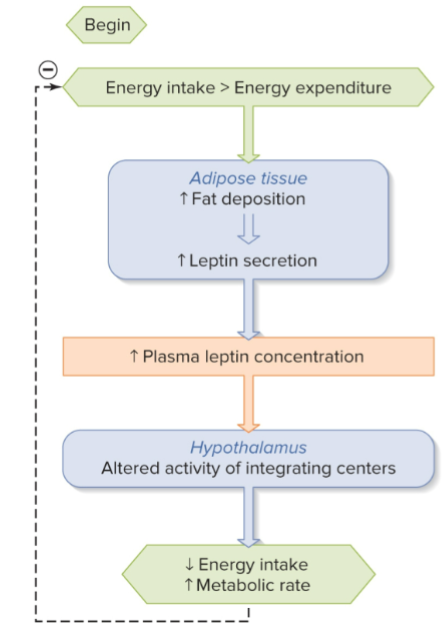
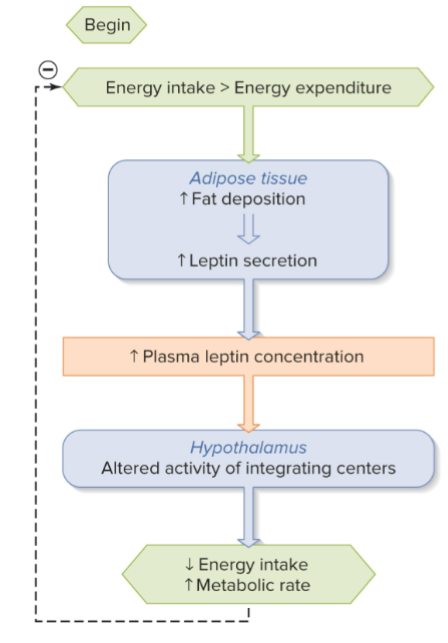
explain this pic
bind to the leptin receptor in the hypothalamus to begin a pathway to increase the metabolic rate

leptin
satiety hormone, acts on the satiety areas of the hypothalamus
overweight
a state in which an increased amount of fat in the body results in the significant impairment of health from a variety of diseases and disorders, such as hypertension, atherosclerosis (hardening of blood vessels), heart disease, diabetes, and sleep apnea (cease breathing during sleep)
obesity
particularly larger accumulation of fat (extremely overweight) can amplify a condition that you already have

temperature regulation reflexes ( explain pic)
Really important to keep core body temperature at 37 °C to keep our cells functioning properly
If the body temp increases, it can even destroy enzymes, so they can’t function the same in extreme cold temperatures
The amount of heat produced must make up the amount of heat lost by the body
The thermoregulation center is within the hypothalamus ( body thermostat)

pyrogens
chemical that causes a fever, toxin released from bacteria, cytokines that immune cells release
fever
releases pyrogens that work on the thermoregulatory center in the hypothalamus, increasing the set point for the core body temperature, making the core body temp warmer, constricting blood vessels, trapping heat, shivering, and chills
a normal response created by the immune system to destroy bacteria and viruses
After a fever, the hypothalamus will return the core body temp to its normal set point, and superficial blood vessels will dilates bc they no longer need to trap the heat
The primary way of regulating body temperature is through sweating
hyperthermia
An increase in body temp,> 1040 F ( positive heat balance ), heat production is greater than the heat loss
hypothermia
A decrease in body temp, < 95oF ( negative heat balance ), heat loss is greater than heat production