Falsification Principle - Religious Language
 Call Kai
 Learn
Learn Practice Test
 Spaced Repetition
 Match
Match Flashcards
 Knowt Play
1/9

There's no tags or description
Looks like no tags are added yet.
Name | Mastery | Learn | Test | Matching | Spaced | Call with Kai | Chat |
|---|
No analytics yet
Send a link to your students to track their progress
10 Terms
Thinking behind Falsification Principle
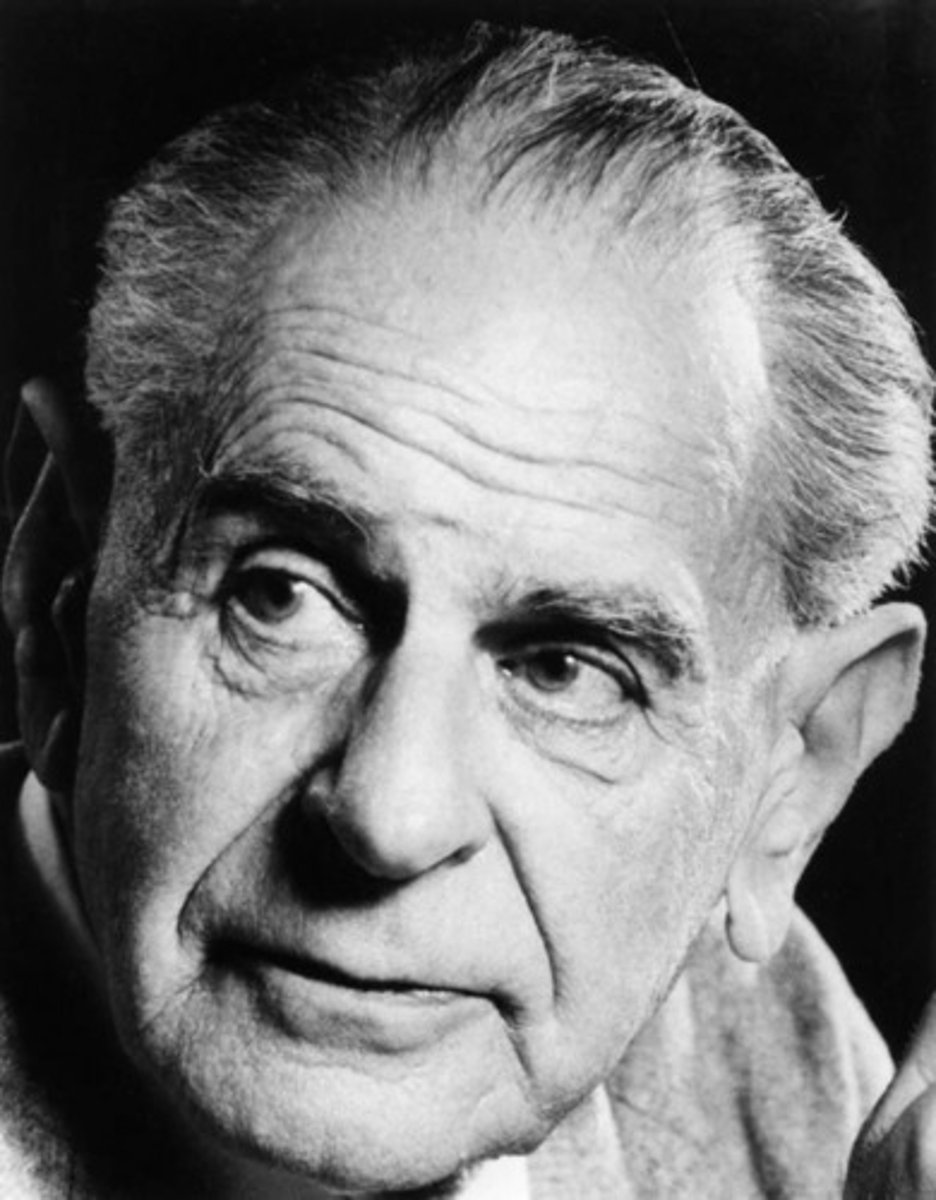
Philosopher & Scientist Karl Popper
Who developed his version of Falsification Principle from Popper ?
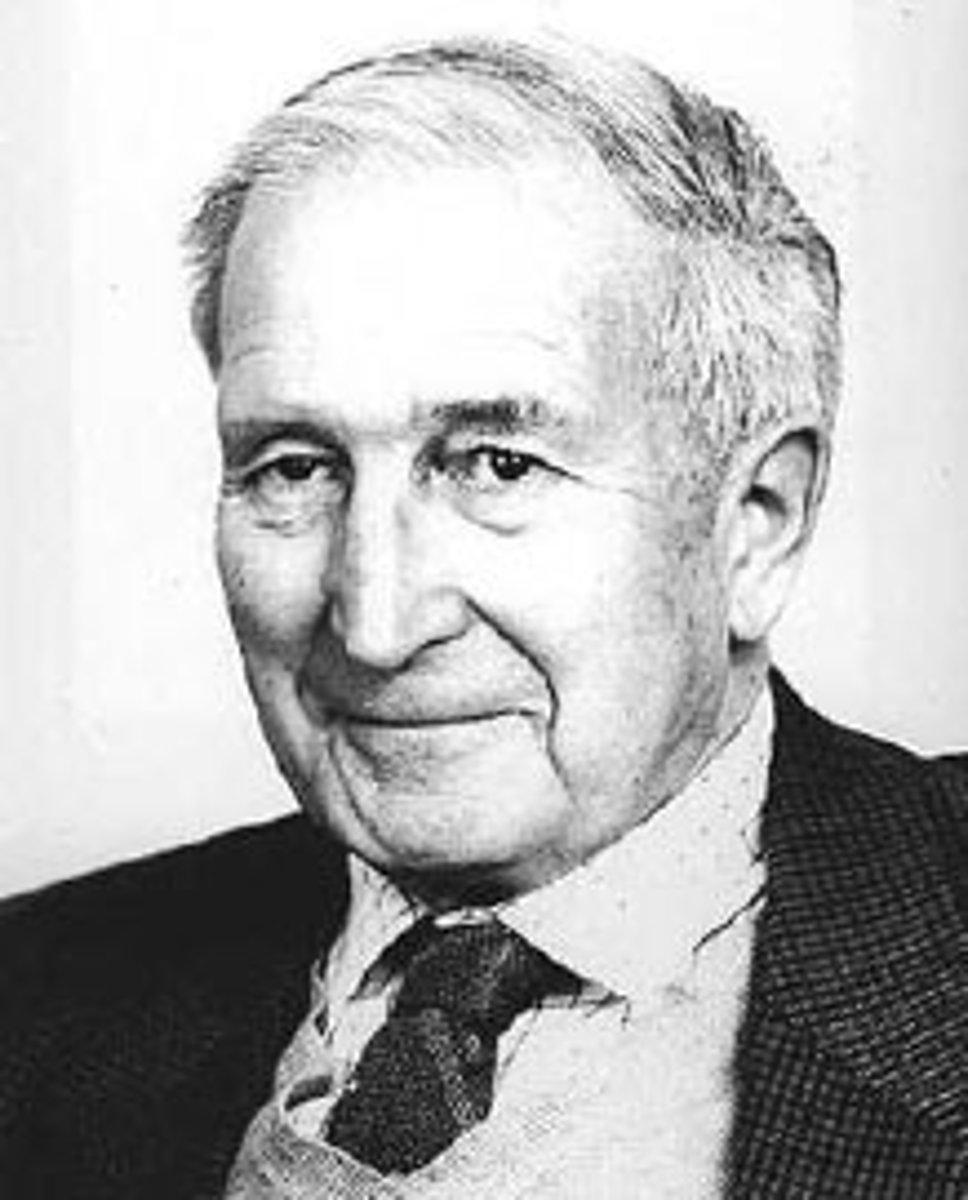
Antony Flew
Falsification Principle
Something = Scientific only if there is evidence to falsify it.

Aim of Flew's Falsification
To consider whether or not theological statements were genuine scientific assertions
How did Flew disprove scientific nature of religious language?
Adapted John Wisdom's "Parable of the Gardener"
Parable of the Gardener: Flew's version
- Each test gives no empirical evidence of a gardener
- However, one explorer insists there is one, finding reasons for the absence of evidence.
- Other explorer questions how an "invisible, intangible, eternally elusive gardener" is different from "no gardener at all."

Parable's link to Falsification
Religious believers will go to any lengths to counter any contradictions against their faith claims.
Parable's impact on truth of religious language
- Cannot be falsified as continually modified to accommodate any challenge
- Therefore undergo "death of a thousand qualifications"
- This means they are empty

Strength of Falsification
Religious refusal to accept challenges: E.g. Finding excuse for God allowing small child to die of serious illness

Weaknesses of Falsification
- Many aspects of experience = Not in category of scientific fact: Therefore Falsification is too rigid.
- Untrue that religious believers allow nothing to falsify their claims: E.g. Problem of Evil makes many question/lose their faith.