BIO 381 Lab Practical 2
 Call Kai
 Learn
 Practice Test
 Spaced Repetition
 Match
 Flashcards
 Knowt Play
1/10

There's no tags or description
Looks like no tags are added yet.
11 Terms
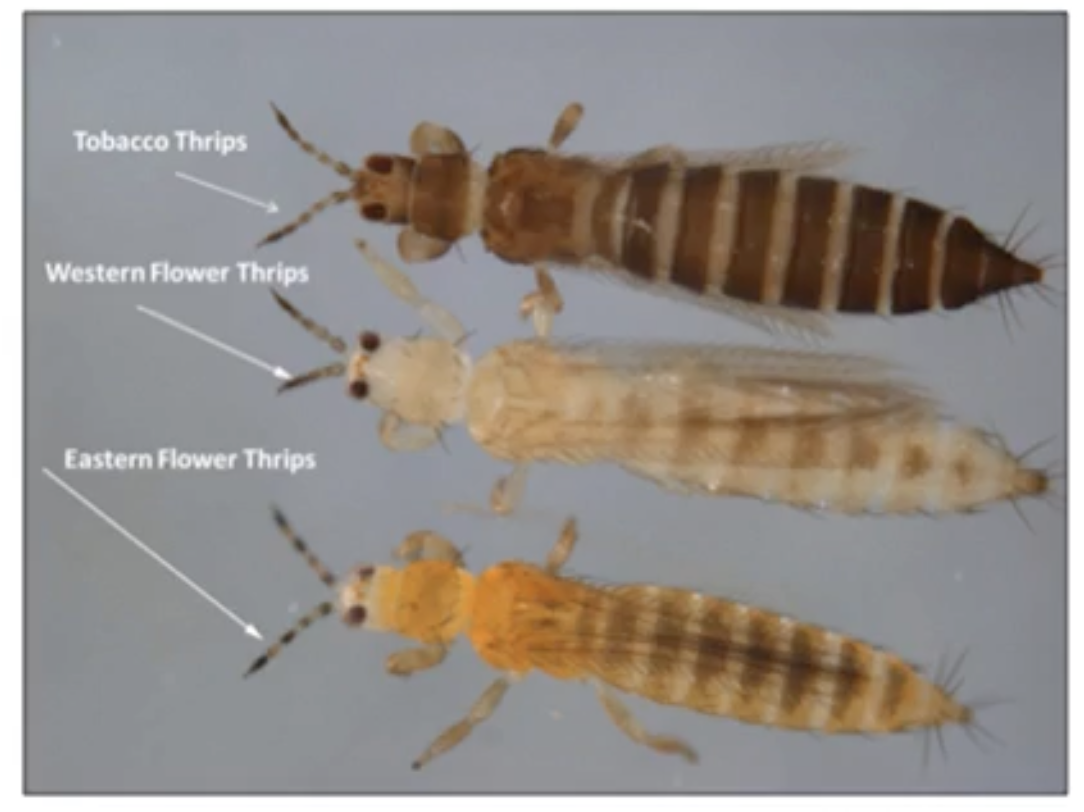
Thysanoptera
These very small, slender insects have narrow wings fringed with long hairs.
Hemiptera
These insects possess piercing-sucking mouthparts in the form of a beak or rostrum.

Psocodea
This order includes barklice, booklice, and parasitic lice.

Hymenoptera
This order includes bees, wasps, and ants. Many have two pairs of membranous wings connected by tiny hooks.

Neuroptera
These insects have two pairs of delicate wings with extensive, net-like venation.

Trichoptera
These insects have hairy wings that are usually held roof-like over their bodies. Their aquatic larvae often build protective cases.

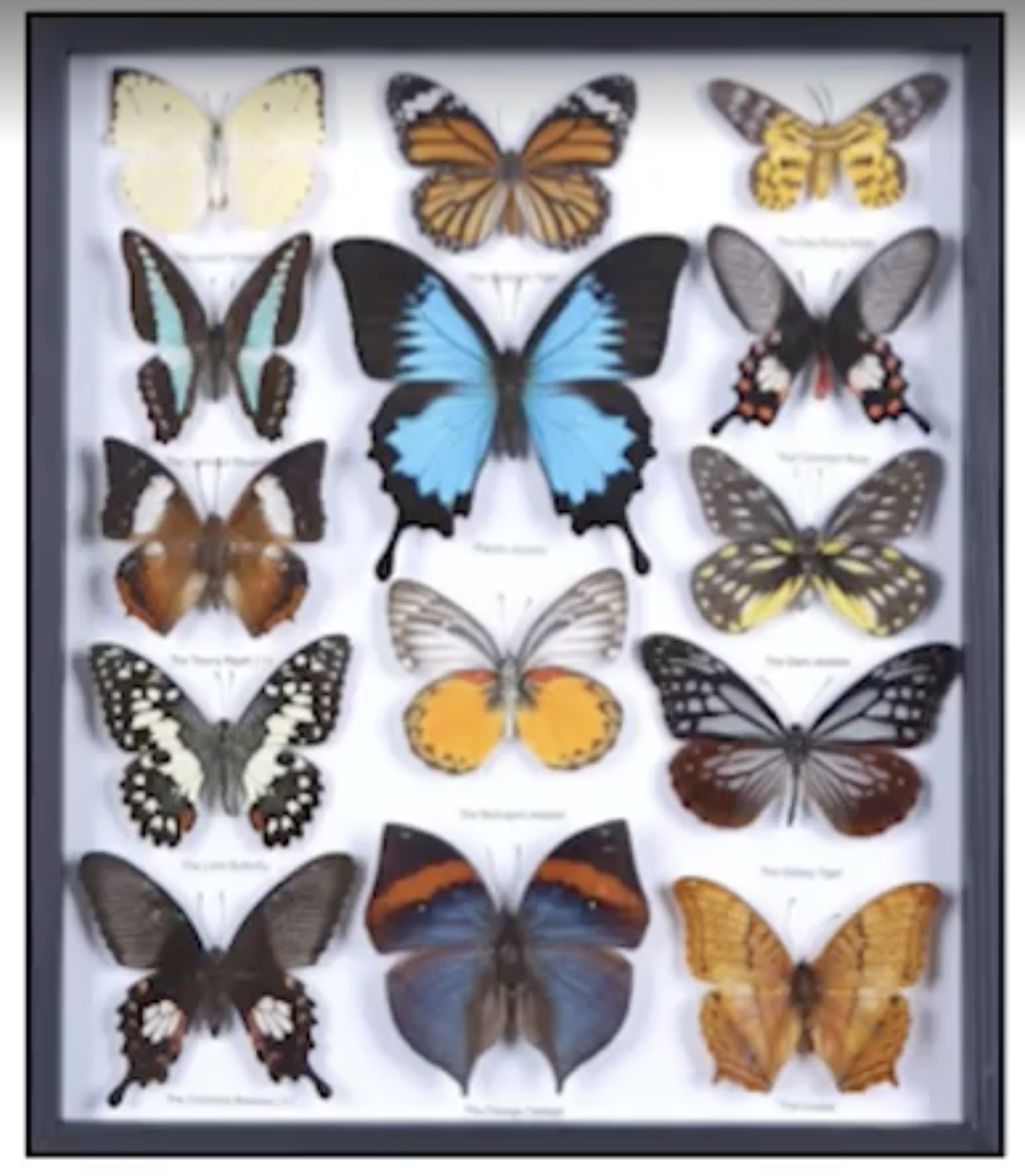
Lepidoptera
These insects have wings covered in tiny overlapping scales and often possess a long, coiled proboscis.
Mecoptera
These insects have elongated, beak-like heads. Males of some species have an abdomen that curves upward like a scorpion's tail.

Stresiptera
Males of this parasitic insect group have reduced, twisted forewings and fan-shaped hindwings. Females are often wingless and remain inside their hosts.

Coleoptera
This insect has hardened forewings called elytra that protect its membranous hindwings.

Diptera
These insects have only one functional pair of wings. Their hindwings are modified into balancing organs called halteres.
