Unit 4 Quiz Questions: World Art History
 Call Kai
 Learn
 Practice Test
 Spaced Repetition
 Match
 Flashcards
 Knowt Play
1/16

There's no tags or description
Looks like no tags are added yet.
17 Terms

Lion Capital
b. The lion in India symbolizes royalty and kingship for the Buddha and its patron
d. It was commissioned by the first Buddhist king in India, Ashoka
e. it was originally on an edict pillar to promote the teachings of Buddhism
f. There are 4 lions to symbolize the 4 cardinal directions
g. It features Buddhist iconography representing a symbol of purity and transcendence

Standing Buddha
b. It shows distinct influence from Greco-Roman (classical) art with the natural drapery with heavy folds and wet drapery look
e. It is typical of the style to focus on youthful muscular forms and correct anatomy for the figure
f. it features more chiseled facial features like classical art
g. The iconography tells us it is an enlightened one with knowledge

Great Stupa
b. The design is meant to represent a mandala with Mt. Meru at the center
c. Ashoka was the patron of the original dome while later reliefs were commissioned by merchants and city people
d. It represents the Buddha

Shiva as Lord of the Dance
a. The iconography of the ring of flames and the flame in his hand represents the dance of destruction of the universe
b. he stands on a dwarf figure that represents ignorance and the need for liberation, which is symbolized by the raised leg
g. It depicts a manifestation of Shiva where he has both a destroyer and creator aspect

Raja-Rajeshavara (Lord king of kings) temple
a. It is a house for the deity's most sacred form - the linga
d. The roof structure is pyramidal with a huge bulbous capstone typical of Southern style
e. The sculptural decoration is placed in individual niches, which is normal for this regional style

Fang Ding
a. It features a taotie motif as the main decoration across the surface
c. It is very sculptural with more 3D decoration than later bronzes
e. It features the leiwen pattern
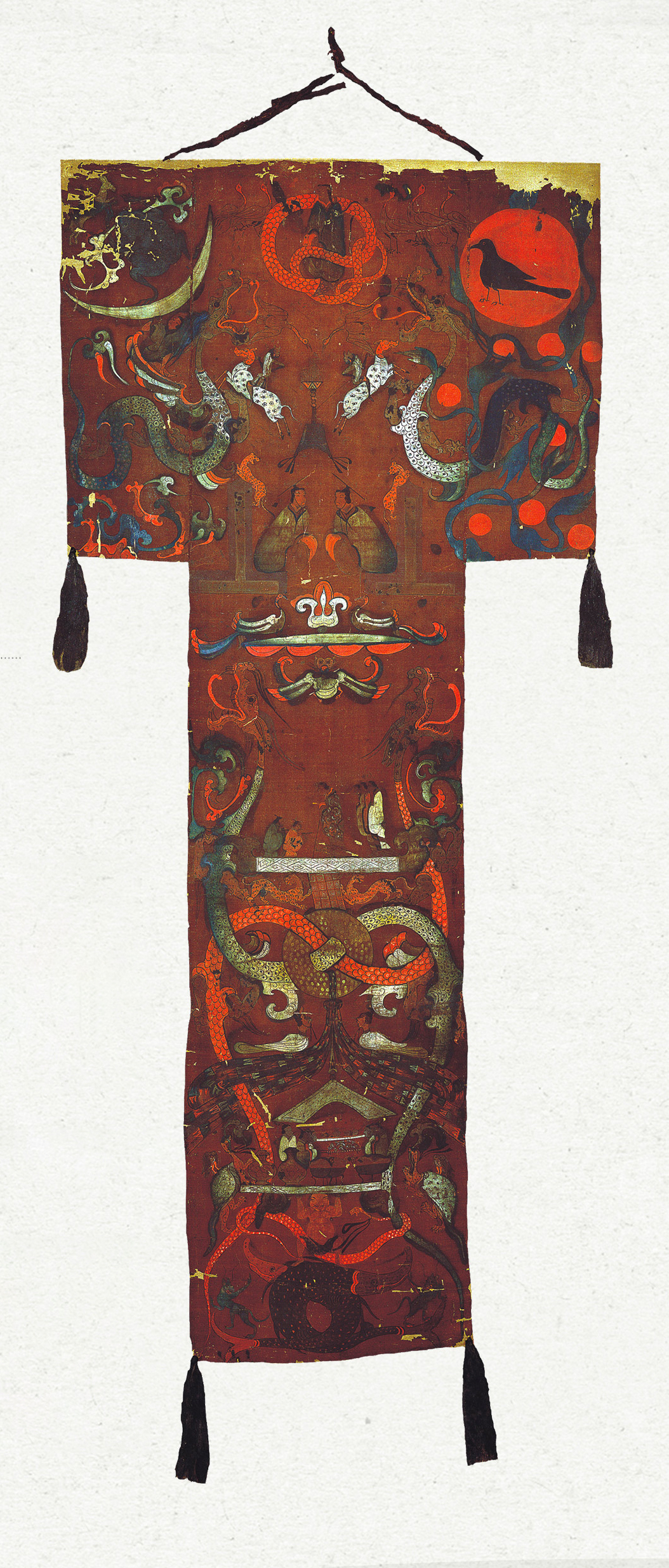
Funerary Banner
b. It has Daoist iconography of Archer Yi and the 9 suns
c. it comes from a rich burial associated to filial piety
d. it was most likely carried in a procession to the tomb before being placed on the coffin in the tomb
e. It has elements of Confucianism with ancestor veneration by making a happy home
f. It features the earthly realm with Lady Dai depicted

Shakyamuni and Buddha of the Past
c. the style is considered more Chinese than previous Buddha figures during this dynasty that were influenced by Indian art
d. The slender figures with very narrow shoulders sit in a pointed body halo as part of the style
e. they feature zig-zag or swallow-tail drapery that cascades

Vairochana Buddha
a. It was meant to show the empress as an incarnation of the cosmic Buddha who is the infinite bright light like the sun of heaven (Tian)
d. It features monks, bodhisattvas, and guardians with the Buddha
e. the figural style is typical of the period with cherry blossom lips and plump round faces

Court Ladies Wearing Flowers in their Hair
c. The style focuses on realism also with tiny full lips and very round faces
e. features an emphasis on the new standard of beauty based on a favorite concubine
f. it is an example of figure painting with psychological space
h. features some eroticism for the male gaze by the emperor
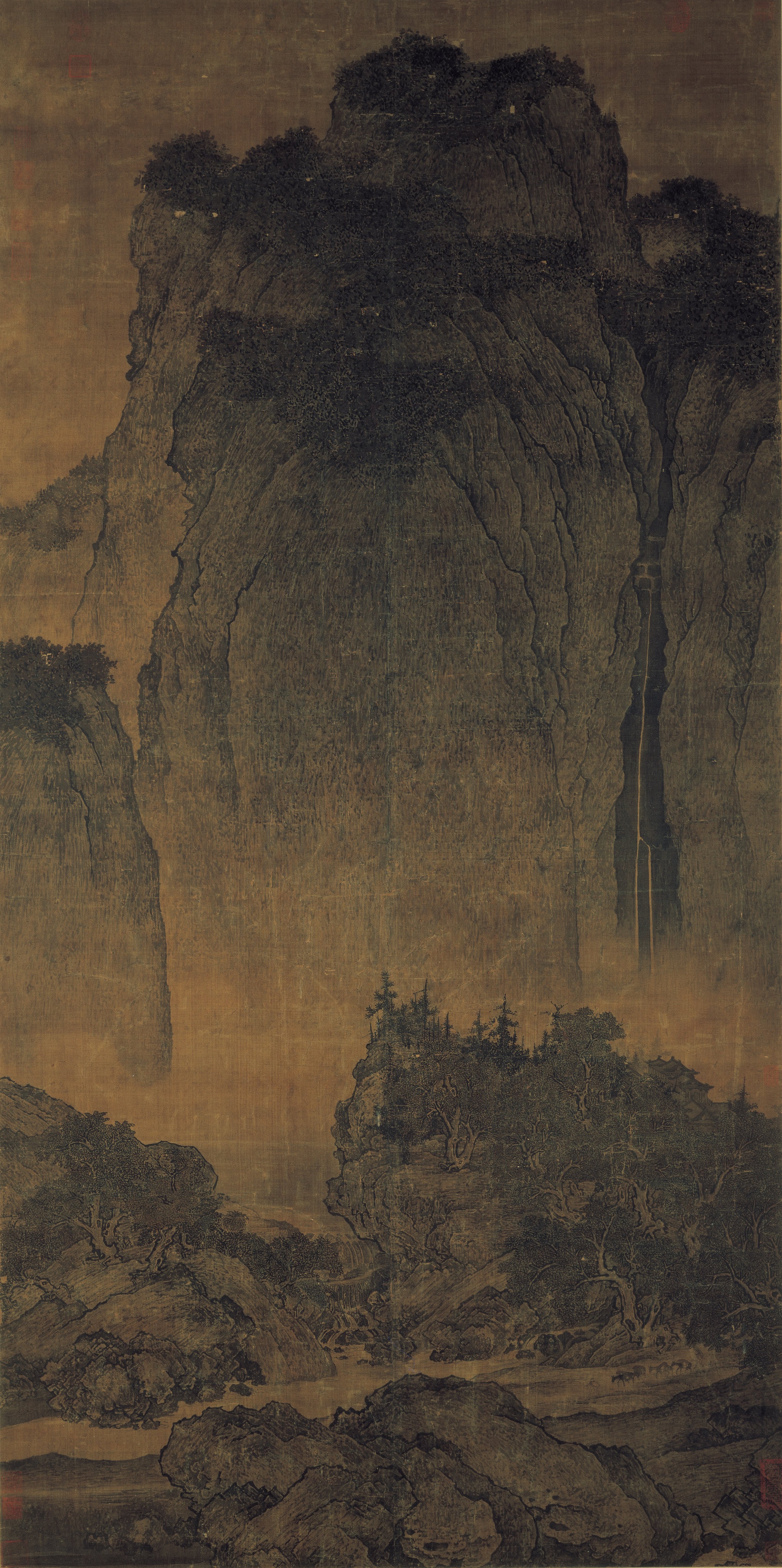
Traveling amid Mountains and Gorges
a. It features 3-part recession of space using mist and water as transition
b. there is symbolism relating to the emperor in the painting
f. it captures the qi and li of the mountain and landscape to visually travel through
g. It features the new raindrop texture stroke

On a Mountain Path in Spring
a. the artist is an academy court painter
b. it uses the framing device of a tree as part of the one corner Ma tradition
c. It is typical of the artist because it uses juxtaposition of blank or reserve space with the composition in the other corner
f. the artist uses the axe-cut texture stroke
g. The goal of this painting tradition was to make the work lyrical or poetic by catching a moment of human drama

Haniwa Warrior Figure
a. it was placed on a Kofun
b. the decoration reflects an interest in patterns
d. It served as a guardian figure for the deceased

Ise Shrine
a. It enshrines or holds the symbolic mirror, sword and jewel/stone
c. It is built with the truth to the materials aesthetic which means it is all natural construction
e. it has significance and associations to the Yamato dynasty's lineage because of Amaterasu
g. The architecture is based off of a Yayoi storehouse for rice

Genji Visits Murasaki, Tale of Genji
b. It features mono-no-aware through the use of the blown off roof technique and constricted space for the figures
d. it is an example of yamato-e
e. the scroll is about intrigues and adventures of a prince at court
g. it is an example of onna-e style because of the heavy use of pigment

The Flying Granary, Legends of Mt. Shigi
b. It is an example of otoko-e style with the light washes for color rather than thick paint
c. It is an example of mono-no-aware through the use of abrupt cropping and use of steep diagonals
e. It is expressive with facial expressions and calligraphic line

Night Attack on the Sanjo Palace, Events of the Heiji Scroll
a. it features new dotted pigment in the flames that reflects the continued taste for irregular patterns
b. it includes mono-no-aware as part of yamato-e style by having the blown-off roof technique
d. it was made to document civil wars as part of contemporary history
e. it was made for the samurai because they were a warrior culture and liked violent imagery