Homeostasis
 Call Kai
 Learn
Learn Practice Test
 Spaced Repetition
 Match
Match Flashcards
 Knowt Play
1/48

There's no tags or description
Looks like no tags are added yet.
Name | Mastery | Learn | Test | Matching | Spaced | Call with Kai | Chat |
|---|
No analytics yet
Send a link to your students to track their progress
49 Terms
What stimuli do plants respond to?
light (photo)
water (hydro)
gravity (geo)
Tropism meaning
Tropism is the turning of all or part of an organism in a particular direction in response to an external stimulus.
Phototropism meaning
A response to light
Positive phototropism:
Shoots bend towards light
Negative phototropism:
Roots bend away from light
Geotropism meaning
A response to gravity
Negative geotropism:
Shoots grow against force of gravity
Positive geotropism:
Roots grow in direction of force of gravity
3 Plant Hormones
Auxins: Promote growth in shoots, stop growth in roots
Gibberellins: Control cell devision
Ethene: Regulates development and initiates germination
auxins & phototropism
auxins are mostly made in the tips of the growing stems and roots
Unequal distribution of auxin can cause unequal growth rates in plants and shoots. Auxins change the rates of elongation in plant cells and control growth of stems and roots.
Stems and roots respond differently to high concentrations of auxins:
cells in stems grow more
cells in roots grow less
In a stem, the shaded side contains more auxin and causes cell elongation, which causes the stem to grow towards the light. The plant does NOT bend towards the light. It grows because the auxin causes the cells to elongate on the shaded side, so this side grows more. This unequal growth of the two sides, results in the growth of the stem towards the light.
If lit from above, the plant will grow upwards.
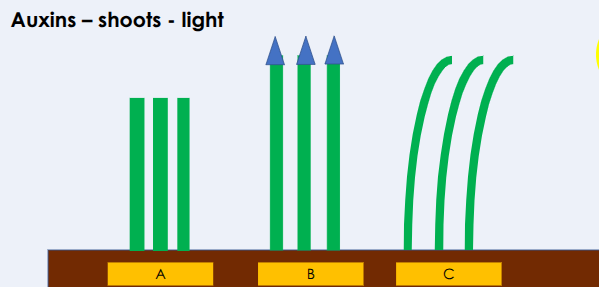

Auxins – Roots - Gravity

auxins: function & agricultural use

gibberellins: function & agricultural use
Regulates developmental processes including seed germination
Ends seed dormancy
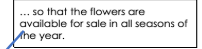
Promotes flowering
Increases fruit size
ethene: function & agricultural use
Controls cell division
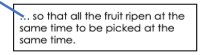
Controls fruit ripening
identify the tropism:
an upright shoot grows & bends towards light from one side
a horizontal underground root grows & it bends down
a root grows and bends away from light
positive phototropism
positive gravitropism
negative phototropism
plant hormones are used in weedkillers so…
…so that only plants with broad leaves are destroyed (not those with narrow leaves)



plant hormone meaning
a natural chemical messenger that controls how a plant grows, develops, and responds to its environment
Explain two reasons why a germinated root will grow downwards
A germinated root grows downwards because of positive gravitropism (also called geotropism), which is controlled by the plant hormone auxin
Gravity pulls auxin: Gravity causes auxin to accumulate on the lower side (underside) of a root.
Auxin inhibits growth: Unlike in shoots where auxin promotes cell elongation, high concentrations of auxin in the root inhibit cell growth and elongation.
Unequal growth rates: Because the lower side has more auxin and grows slower, the cells on the upper side of the root elongate and grow faster.
Bending downwards: This difference in growth rate causes the root to bend and grow downward in the direction of gravity
what effect do auxins have on the cells in shoot tips and why is this advantageous?
They cause elongation and the plant shoots will grow towards the light. This will then increase the amount of sunlight the plant gets for photosynthesis.
describe how different factors from the environment can affect:
the direction of shoot growth
the direction of root growth
The response of a plant to an environmental stimulus is called tropism. Common stimuli to plants include light, gravity and water. A shoot grow upwards towards the light, this is called phototropism. Shoots grow away from the force of gravity (negative geotropism). When a root grows downwards in the direction of the force of gravity, this positive geotropism. Roots will also grow towards moisture (positive hydrotropism).
Plant hormones can be used to control the growth of plants and crops. Auxins change the rate of elongation in plant cells, controlling their length. Unequal distribution of hormone causes unequal growth rates. Higher concentrations of auxins causes faster growth in shoots. Higher concentrations of auxins cause cells in the roots to grow less.
explain how the trophic responses are important to help plants survive
Positive tropisms make sure the plants grow towards light and water. Phototropism allows the leaves of the plant to absorb light so they can photosynthesise and produce more glucose. Positive tropism also allows plants to grow towards sources of water.
Germination meaning
the start of growth in seeds
factors which affect successful seed germination
water, warmth and oxygen concentration
why most seeds germinate during Spring
soil temperatures are higher
Gibberellins use for farmers & seeds
Gibberellins are the hormone which cause a seed to break dormancy. Farmers can use spray gibberellins onto newly sown crops to trigger seeds to germinate out of season. This is useful to meet the demands of growing crops and providing out of season fruit and vegetables. It also ensures that all seeds germinate. Farmers can then grow plants in grow houses and provide the perfect amount of water and warmth to ensure germination.
Give two reasons why it is useful for a young root to grow towards gravity.
• anchorage
• takes in water
• takes in ions / minerals / salts

use a piece(s) of thread / string and measure length of thread (with
ruler)
straighten seedling / shoot and measure (with ruler)
(d) (side nearest the lamp) receives more light (on side P)
(therefore) unequal distribution of auxin
(auxin causes) more growth on side away from the lamp

(e) ethene is released from bananas
Investing the effect of light or gravity on the growth of newly germinated seedlings apparatus
Mustard seeds
3 Petri dishes
Cotton wool
A ruler
Water
Investing the effect of light on the growth of newly germinated seedlings apparatus
Set up 3 petri dishes
Soak cotton wool in equal amounts of water
Put 10 mustard seeds in each dish
Put dishes in a warm place.
Allow mustard seeds to germinate (water daily with equal amounts of water to each dish)
Each dish should have the same number of seeds germinated. Remove any excess seeds.
Measure the height of each seedling in mm.
Move the petri dishes into position: one in full sunlight, one in partial light and one in darkness.
Measure the height of each seedling every day, for at least five consecutive days.
Record the heights in a table
Homeostasis meaning
Homeostasis is the regulation of the internal conditions of a cell or organism to maintain optimum conditions for function in response to internal and external changes
stimulus meaning
A stimulus is any change in the internal or external environment e.g., a decrease or increase in the concentration of glucose in the body or touching a hot pan.
receptor meaning
A receptor is a specialised cell which detects the change. They are found in sense organs eyes, ears, nose, skin and mouth.
effector meaning
An effector is a muscle or a gland which bring about change in the body that will bring levels back to the optimum.
Homeostasis maintains optimal conditions for enzyme action and all cell functions.
In the human body, these include control of:
blood glucose concentration
body temperature
water levels.
coordination centres
(such as the brain, spinal cord and pancreas) that receive and process information from receptors
receptor examples
For example, rods and cones are specialised cells in your eyes that absorb light and form an image.
Glands
Glands release hormones which create a response e.g. adrenaline which increases heart rate or ovaries releasing oestrogen.
Muscles
Muscles trigger movement of body parts and smaller changes like hairs standing on end when you get cold!
Why do we need to control conditions within the body? blood glucose & water levels
Both blood glucose concentrations and water levels can cause damage to cells all through the body due to the effect of osmosis. For example, consistently high blood glucose levels can cause damage to capillaries and lead to loss of sight.
Why do we need to control conditions within the body? temperature
Temperature is important to control as almost all the chemical reactions in the body are controlled by enzymes.
Describe the changes in the body when blood glucose levels increase above optimum.
Pancreas detects an increase in blood glucose levels
Pancreas releases insulin
Insulin targets liver and muscle cells to take up glucose and convert to storage molecule
Describe how the body responds to increasing body temperature.
Blood temperature is detected by receptor cells in the brain.
Person starts sweating
Sweating allows for cooling of skin through heat loss via evaporation.

Shivering/muscle contract
vasoconstriction/constriction of blood vessels