Dyschezia, Tenesmus and Constipation
 Call Kai
 Learn
 Practice Test
 Spaced Repetition
 Match
 Flashcards
 Knowt Play
1/54

There's no tags or description
Looks like no tags are added yet.
55 Terms
dyschezia
difficult or painful defaecation +/- blood (haematochezia)
tenesmus
excessive straining to pass stools
constipation
infrequent or difficult passage of stools assoc with retention of faeces within rectum and colon
-owners think it is this but will actually be dyschezia or tenesmus
causes of these issues
-commonly mechanical
structural
physical
less functional
causes of dyschaezia
-colonic impaction (bones/tumour)
-perineal hernia and rectal diverticulum
-rectal stricture (narrowing)
-anal neoplasia
-severe prostatomegaly
-obstipation
i.e. mainly lesions near anal region

what does radiograph show
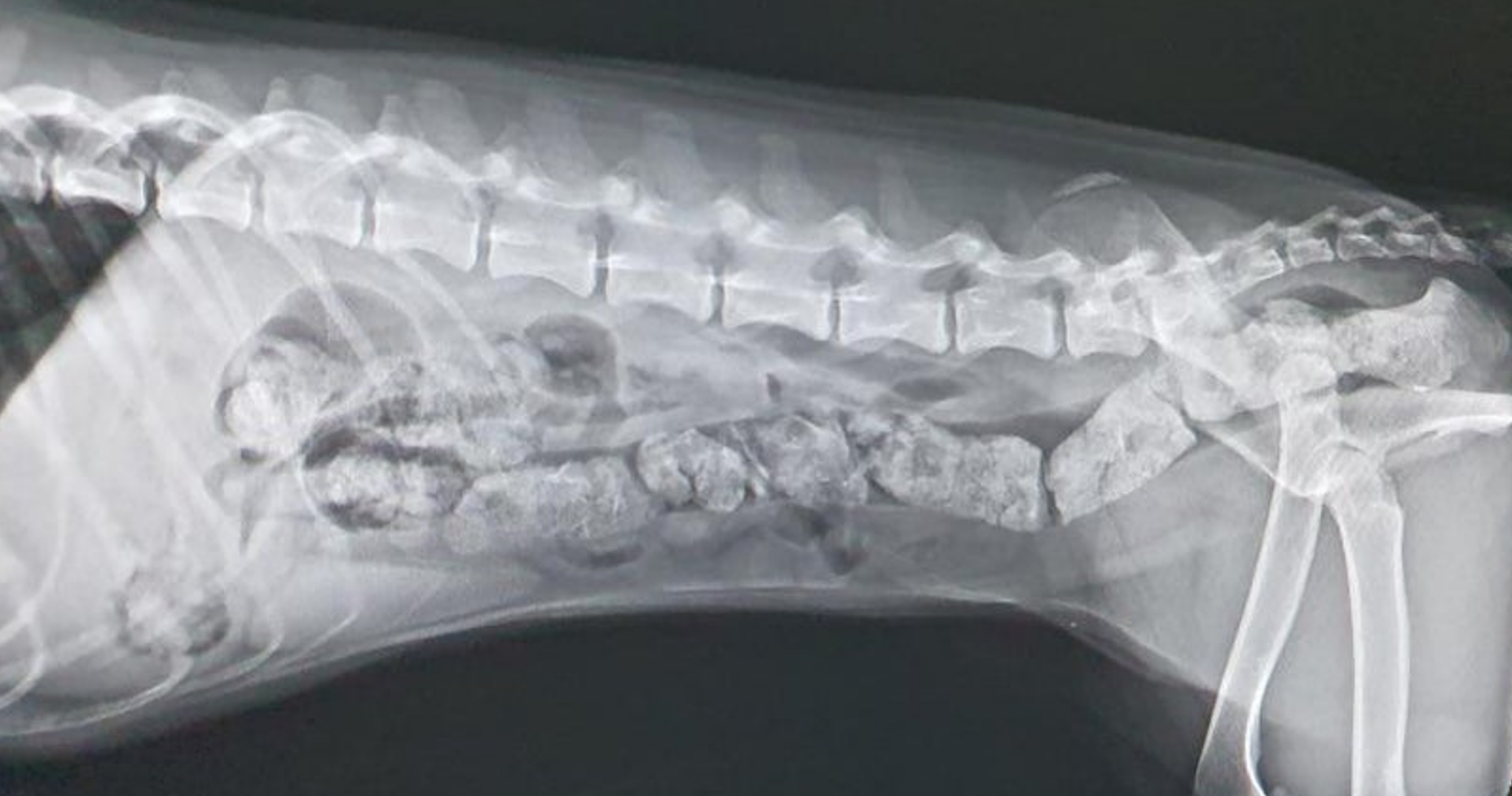
-build up of faeces
-faeces have same opacity as bone so this dog has eaten bones
so this patient will have tenesmus and dyschezia
common place for anal neoplasia
anal glands
obstipation
severe form of constipation
-cannot pass faeces and so builds up in colon
tenesmus causes
-colitis
-bone ingestion
-rectal or anal tumours
-post op following perineal surgery
-prostatomegaly
what can tenesmus lead to
rectal prolapse

what does the radiograph show
prostatomegaly
-proastate is large oval opacity just cranial to pelvis→ irritation
likely benign protstatic hyperplasia

how to diagnose prostatomegaly
-abdo or rectal palpation
-radiograph
most common cause of propstatomegaly
-benign prostatic hyperplasia
-tumour
-abscess
blood from small intestines
melaena
-poo appears black
colitis signs
-tenesmus
-soft stools
-mucus in stool
-fresh blood
-generally well animal
colitis treatment if acute and animal is well
-supportive
-easily digestible diet with high fibre
-probiotics
-pysllium
-sulfasalezine
-preds (anti inflam dose)
-metronidazole
sulfasalazine
-off license
-colonic anti inflam
metronidazole use for colitis
-not good antibiotic stewardship
-systemically well so avoid
novel protein, hydrolysed diet used for
enteropathies
chronic colitis treatment
-investigate as per chronic large intestinal diarrhoea or enteropathy
why is constipation uncommon
-owner responsible for feeding and providing water
what can cause constipation
-bones
-pelvic fractures
-rectal or anal tumours
often have tenesmus and dyschezia normally
which part of you physical exam is most specific info in dyschezia, tensmus, constipation
dyschezia
signalment for these issues
-male vs female
-neuter status
-age (puppy congenital, adult acquired, old neopalsia)
general history questions to ask
-appetite or diet change
-drinking PUPD
-coughing or sneezing
-vomiting or diarrhoea
-mobility→ OA → posture
-skin lesions
specific history questions to ask
When did it start? Onset/Progression
What is he/she passing? → owners mistake blocked cat as struggling to poo
Is there any mucus/blood?
Any change in diet or access to bones/fb?
Are they eating?
Any vomiting?
Any trauma?
Any weight loss?
Any excessive licking of perineum or scooting?
Previous history? Have they had this before?
clinical exam
-assess demaenour and hydration
-abdo for palpable gas or faecal excess
-colon palpable in dorsocaudal abdo for prostates
-check temp
rectal exam
-examine perianal area
-anal glands internally and externally
-express normal contents of anal glands then feel any changes
-prostate (over pelvic brim)→ can drop into abd
-sub lumbar LN (dorsally)
-colon
-see if any blood on glove
how rectal exam in cats
cats require sedation/GA
differentials for tenesmus/dyschezia
-diet
-anal gland disease
-perianal disease
-prostate disease
-trauma
-urogenital disease
-caudal abdo mass
-colorectal disease
differentials for constipation
-behavioural
-congenital with atresia ani
-diet
-idiopathic feline megacolon
-NMSK like feline dysautonomia, LS disease, pelvic
-obstruction
-pain
-prolonged colonic distention
-systemic disease
feline megacolon
idiopathic cause of constipation in cats
faeces of dehydrated patient
really dry faeces means can't pass them
diagnostics
-rectal exam
-abdo x ray +/- contrast
-US
-colonoscopy
-CT
-blood work
-urinalysis


what does this ct show
-cause of hypercalcaemia are hypoparathyroidism and neoplasia
-tenesmus and watery faeces are history
-blue arrows show sublumbar LNs→ shows metastases
-can see an anal gland mass
shows need to always do rectal

what contrast for abdo x ray for this investigation
barium enema
what to look for on bloods
-hydration
-total protein
-anaemia
-wbcc
-electrolytes
-TLI/folate/cobalamin
why look at urinalysis
some owners assume constipation when animal is actually straining to urinate
treatment
-high fibre or low residue diet and probiotic
-Metronidazole/sulphasalazine
-ENEMA
-surgery
-pelvic fracture repair
is cause dependent
surgery options
Anal sacculectomy-neoplasia
Subtotal colectomy
Rectal pull through
enema types
-micro or soapy water
micro enema
micralax
-work very fast
-need to inform owner that needs to take outside immediately or if cat then needs litter tray
how does micro enema work
osmotic laxatives
-brings water into colon
-must ensure patient is hydrated before giving and not in kidney disease
how does sopay enema work
-give in catheter
-can be painful
restraint for enema
-GA/sedation/conscious if not painful
laxative options
-lactulose
-liquid paraffin
send home and change dose based on response to treatment
pain relief used in this scenario?
-opioids only if straining as can cause constipation
-pardale v has codeine so can cause constipation so instead use paracetemol for DOGS
-avoid nsaids
is trial and error really
feline idiopathic megacolon
-recurrent constipation
-dilation of colon self perpetuates
-recurrent constipation and hypomotility of colon
-permanent loss of structure and function'
-nerves that innervate colon affected

how lare will feline idiopathic megacolon go to be diagnosed
1.5x length of 7th lumbar vertebra

treatment for feline idiopathic megacolon
medical first
laxatives
enemas
-high fibre feed
not responding→surgical
-subtotal colectomy
subtotal colectomy issues
-high risk of infection
-antibiotic use (cephalosporins/metronid)
-prolonged lag phase of healing and high intraluminal pressure increases risk of dehiscence
-Do NOT perform preoperative enema→ want solid to reduce leaking
-try and retain iliocaecocolic junction in dogs

post op complications
softer faeces → 6-8wks
incrs freq of defecation
subtotal colectomy
-incision at a for dogs, b for cats and c
-milk contents away

dogs with iliocaecocolic junction
-cats can be without but dogs need otherwise get a lot of diarrhoea
which is incorrect for subtotal colectomy surgery
provide borad spec abx cover
perfrom pre op enema
- retain the ileocaecocolic junction where possible
warn the owners will be softer for 6-8wks
perform pre op enema