Art in Europe Artworks
 Call Kai
 Learn
 Practice Test
 Spaced Repetition
 Match
 Flashcards
 Knowt Play
1/44

There's no tags or description
Looks like no tags are added yet.
45 Terms

Dipylon Amphora
C. 755 - 750 BCE
Geometric Period

Attic Black-figure amphora
Exekias (potter and painter)
C. 540-530 BCE
Archaic Period

Dionysos Kylix
Exekias
c. 530 B.C.E
Archaic Period

Attic white ground kylix
Attributed to Villa Giulia painter
C. 470 BCE
Early Classical

Attic Red-figure Kylix (interior)
Gorgos
c. 500 B.C.E.
Archaic period
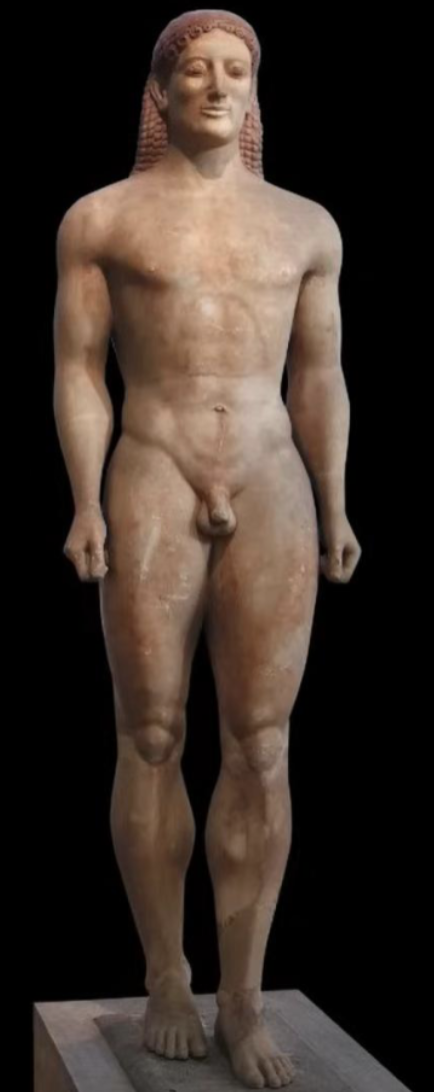
Anavysos Kouros
Greek
C. 530 BCE
Archaic Period

Left: Phrasikleia Kore
c. 540 B.C.E
Archaic
Athens
Right: Peplos Kore
c. 530 B.C.E.
Archais
Athens

Doryphoros (Spear-Bearer) or The Canon
Polykleitos
C. 450–440 B.C.
Early Classical
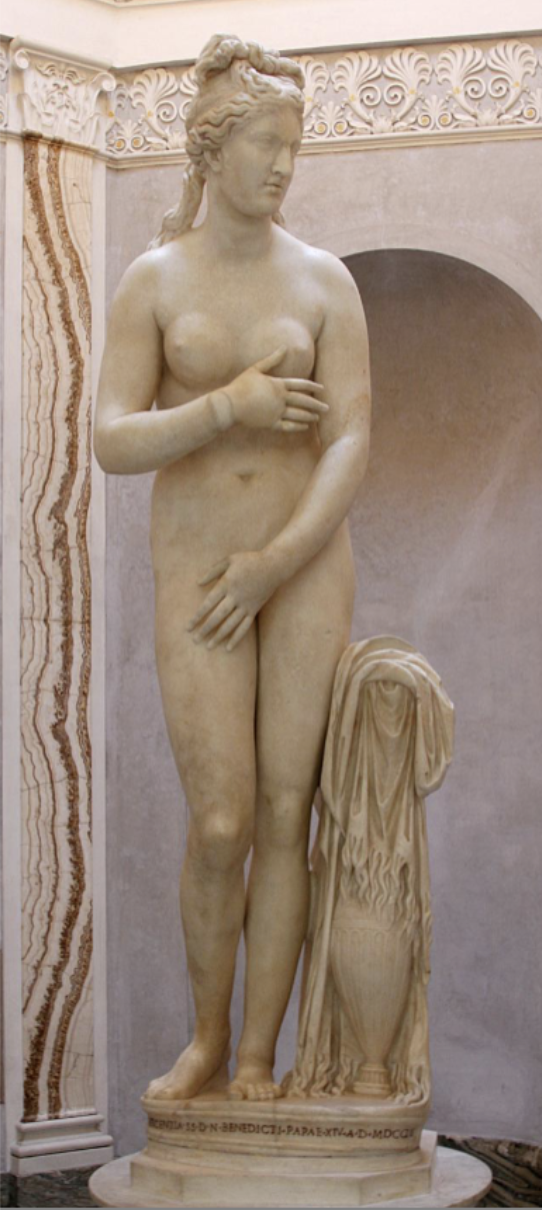
Capitoline Venus (Modest Venus)
2nd century C.E.
Late Classical
Roman copy after Greek original “Aphrodite of Knidos” (4th century B.C.) ~ Praxitele

Antikythera Youth
340-330 B.C.E.
Late Classical/early Hellenistic

Panathenaic amphora, detail Charioteer and horses
c. 410–400 B.C.E
High Classical
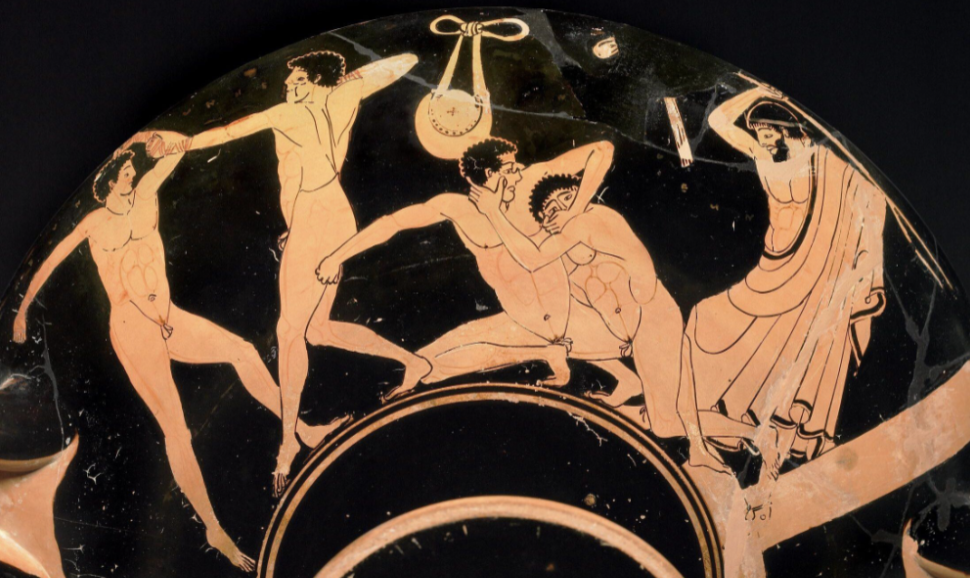
Cup with boxers and wrestlers
Attributed to the Foundry Painter, Attic
490–80 B.C.E.
Early Classical

Fikellura style amphora with a running man
6th century B.C.
Archaic

Black-figured “Tyrrhenian” amphora showing athletes and a combat scene
540 BCE
Archaic
Greek but made for Etruscan market

Discus-thrower (The Townley Discobolus)
Roman copy of a bronze original of the 5th century BCE
Attributed to Myron
Early and High classical
From Hadrian's Villa in Tivoli, Italy

Head of a Roman Patrician from Otricoli
c. 75-50 BCE
Roman Republic

Augustus of Primaporta
1st century CE
Imperial Period

Portrait of a Young Woman (known as Sappho)
c. 55–79 C.E.
Fresco, Pompeii
Imperial
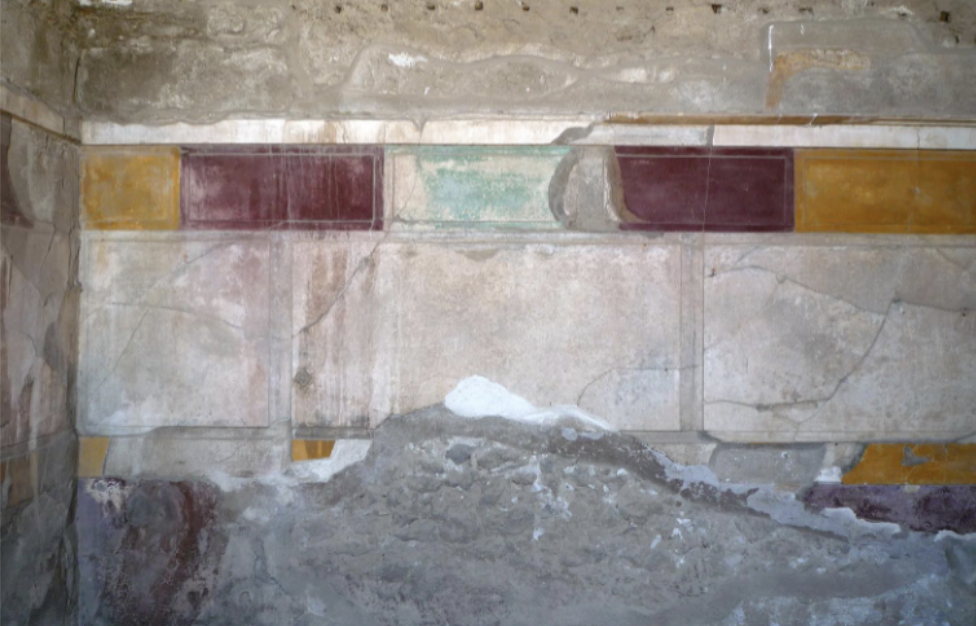
First Style painting
House of the Faun, Pompeii
Built 2nd century B.C
Roman Republic

Examples of Second Style painting
Top: Cubiculum (bedroom), Villa of P. Fannius Synistor at Boscoreale
50–40 B.C.E
Republic
Bottom: View of the Dionysiac frieze, Villa of the Mysteries
60-50 BCE
Republic

Example of Third Style painting
Panel with candelabrum, Villa Agrippa Postumus, Boscotrecase
Last decade of the 1st century B.C.E.
Imperial

Example of Fourth Style painting, Ixion Room,
House of the Vetii, Pompeii
1st century C.E.
Imperial
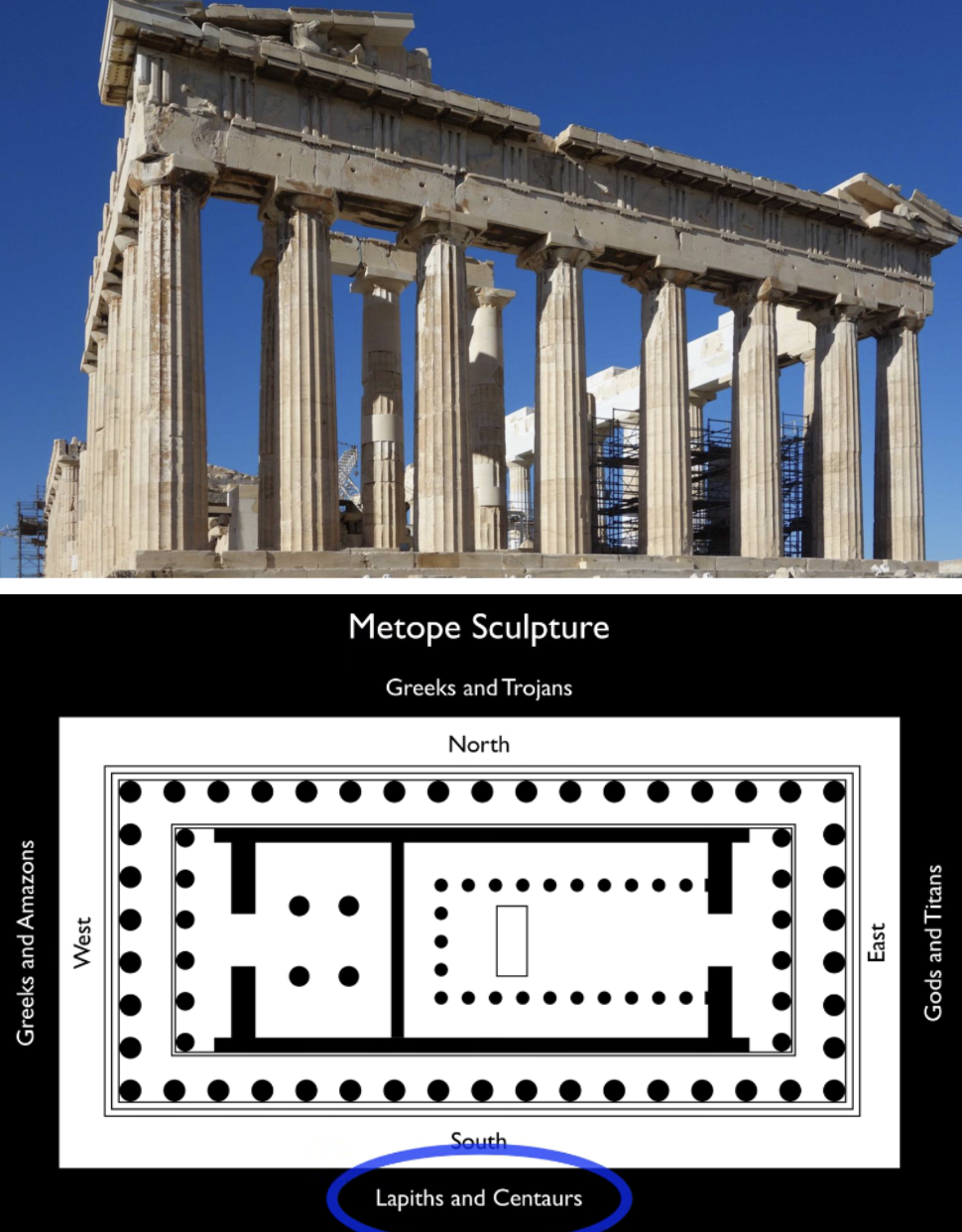
The Parthenon, Acropolis
Iktinos and Kallikrates, architects, sculptural programme directed by Phidias
447–432 B.C.E.
Early Classical
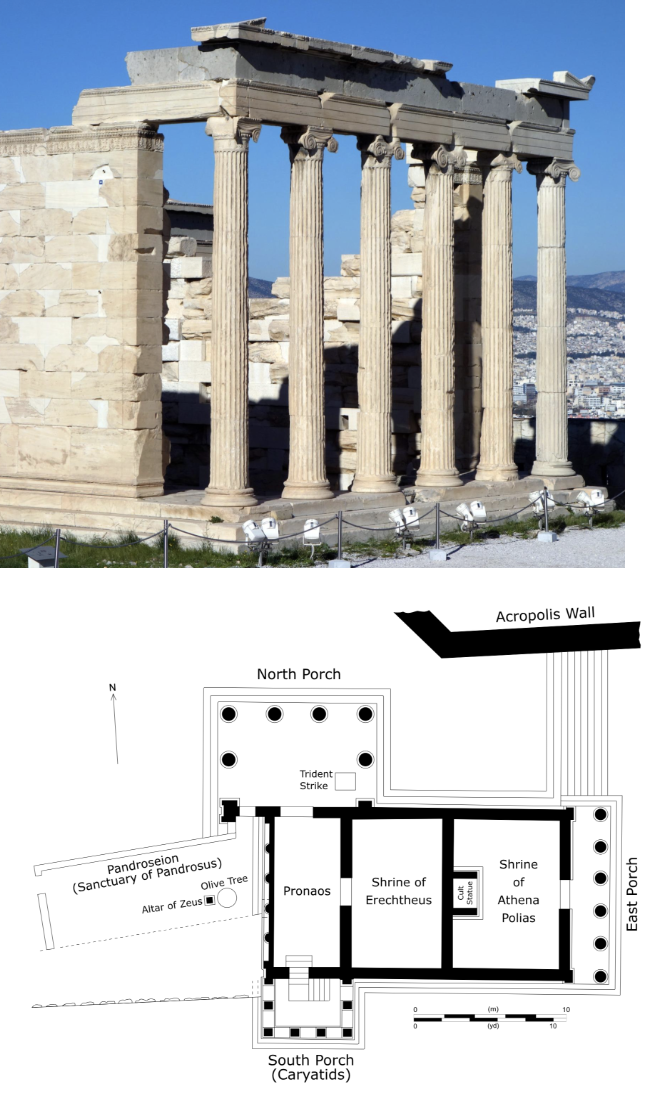
East porch Erechtheion, Acropolis
421–407 B.C.E.
Early and High Classical

Corinthian
Eg. Pantheon, Acropolis, Rome
Imperial period
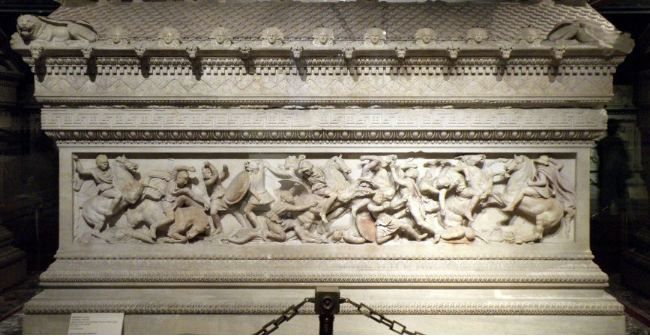
Alexander Sarcophagus
c. 312 B.C.E
Hellenistic
One of the earliest surviving portraits of Alexander

Alexander Mosaic
2nd century B.C.E.
Hellenistic
from the House of the Faun in Pompeii

Nike of Samothrace (winged Victory)
c. 190 B.C.
Hellenistic

Boxer at Rest
Apollonius
1st century B.C.E.
Hellenistic
(may be a copy of a 4th century sculpture)

The Pantheon
Rome
c. 125
Imperial Period

Parthenon metopes, e.g. Lapith and Centaur (Centauromachy)
Phidias (programme)
447–432 BCE
Early Classical

Virgin (Theotokos) and Child between Saints Theodore and George
6th or early 7th century
Early Byzantine
encaustic on wood
Saint Catherine's Monastery, Sinai, Egypt

Christ Blessing or Christ “Pantokrator” (all-ruler)
first half of the 6th century
Early Byzantine
Saint Catherine's Monastery, Sinai, Egypt

The Holy Monastery of Saint Catherine, Sinai, Egypt
Built between 548 and 565 AD by order of the Byzantine Emperor Justinian I.
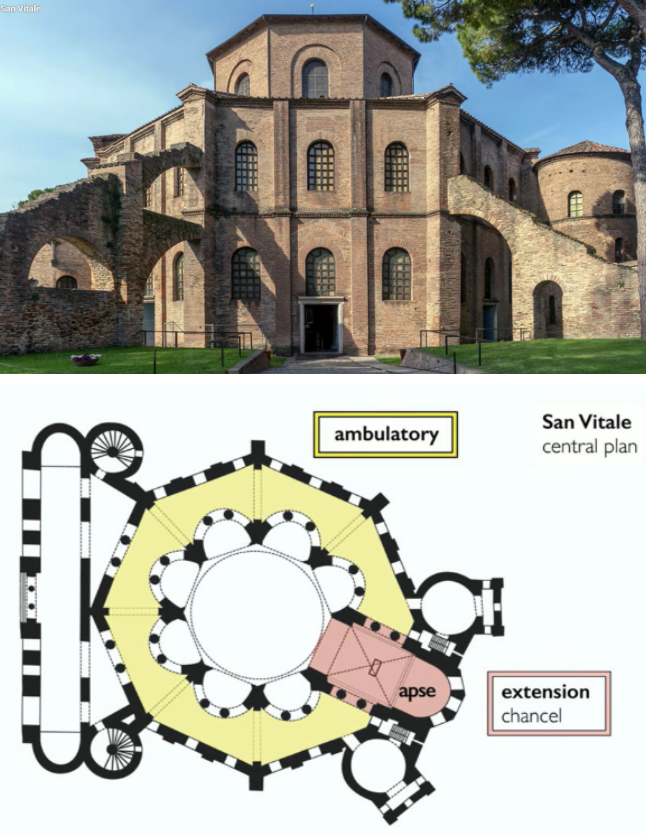
San Vitale
begun c. 526–27, consecrated 547
Ravenna (Italy)
Late Antiquity

San Vitale mosaics: apse with Christ enthroned, sanctuary with offering and sacrifice (Abraham and Isaac)
c. 547
Late Antiquity

Justinian and his attendants; Theodora and her attendants, San Vitale
c. 547
Late Antiquity

Colossus of Constantine (Musei Capitolini, Rome)
c. 312–315 CE
Late Antiguity

Kritios Boy
480 BCE
Early Classical
Turning point after the kouroi; early contrapposto

Barberini Faun
c. 220 BCE
Hellenistic
Sleeping satyr; overtly sexualised male nude