Near Eastern Midtime with Pictures
 Call Kai
 Learn
 Practice Test
 Spaced Repetition
 Match
 Flashcards
 Knowt Play
1/53

There's no tags or description
Looks like no tags are added yet.
54 Terms

Fertile Crescent; early domesticated plants/animals; more than 1 ft rain a year

Gobeklitepe; oldest megalithic structure; T-shaped pillars

Animal engraving at Gobeklitepe

Karahantepe; megalithic structure; rite of passage

Jericho; tell site of farming village

Catalhoyuk; made of mudbrick; wall plaster; egalitarian society (goddess figurines)

Interior of Catalhoyuk; wall paintings; no doors; buried underneath room

Obsidian, volcanic glass that Catalhoyuk controlled trade of

Bucrania - plastered skulls of bulls set into walls or platforms. Wild species but domesticated diet.

Intramurial burials at Catalhoyuk; all equal; vultures ate bodies and then buried underneath settlement
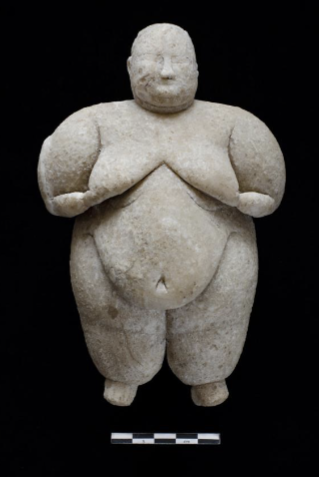
Goddess figurines; matriarch society?

Burial with puppy at ‘Ain Mallaha

Jericho Wall; protection from flooding or for war? Probably flooding

Plastered skulls at Jericho; buried below house
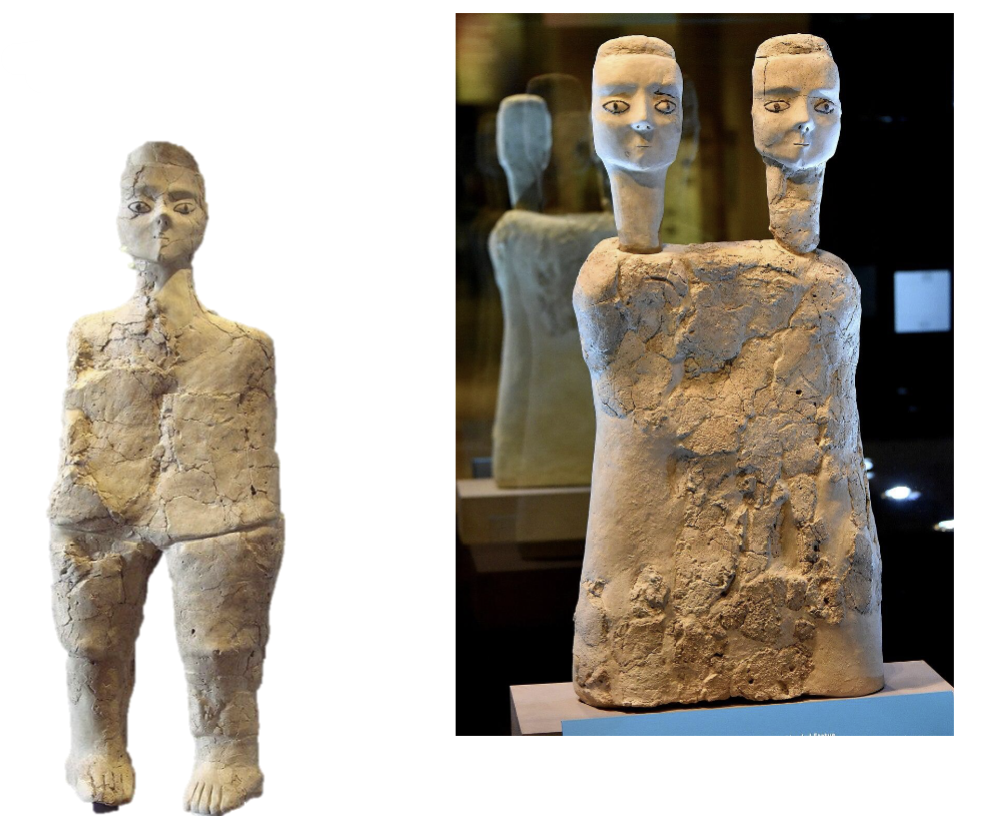
Ain Ghazal figures; made of lime+reed; buried in 2 pits

Halaf culture; domestication, villages; one precursor to first cities; Upper Mesopotamia

Ubaid Culture; lower mesopotamia; farming villages, temple, towns; craft specialization; precursor to Uruk

Plan of Uruk; architecture+monumental building; religious evolution; city wall!!!

Sanctuary of Innana; religious temples

Uruk Vase; found at Innana temple in pit; Inanna receiving offerings
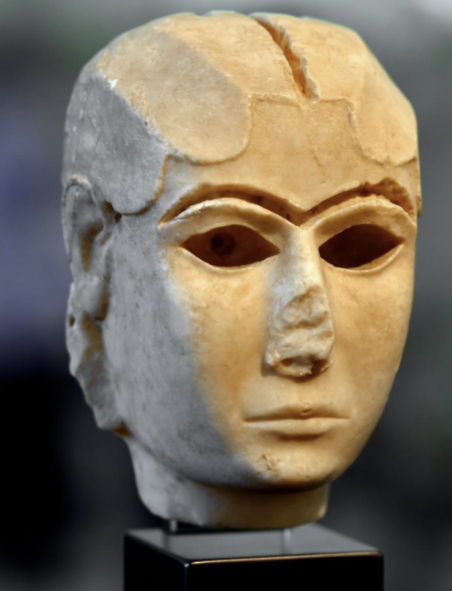
Cult Statue of Inanna; Uruk; Representation of deity thought to reside inside; made of composite

Votive offerings; two-way objects dedicated to a god, asking for divine favor in return

Mosaic Columns at Eanna Complex in Uruk

Anu Ziggurat for worship of Gods in Uruk; Anu=sky god; white temple on top of ziggurat
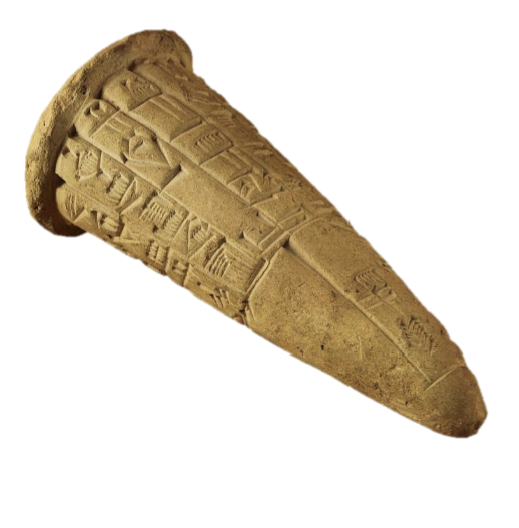
Foundation nail; often stamped or engraved; dedicated to gods prior to construction

Cuneiform; importance of writing

Sumerian King’s List; cities, rulers, lengths of reign; “before the flood” = mythical periods
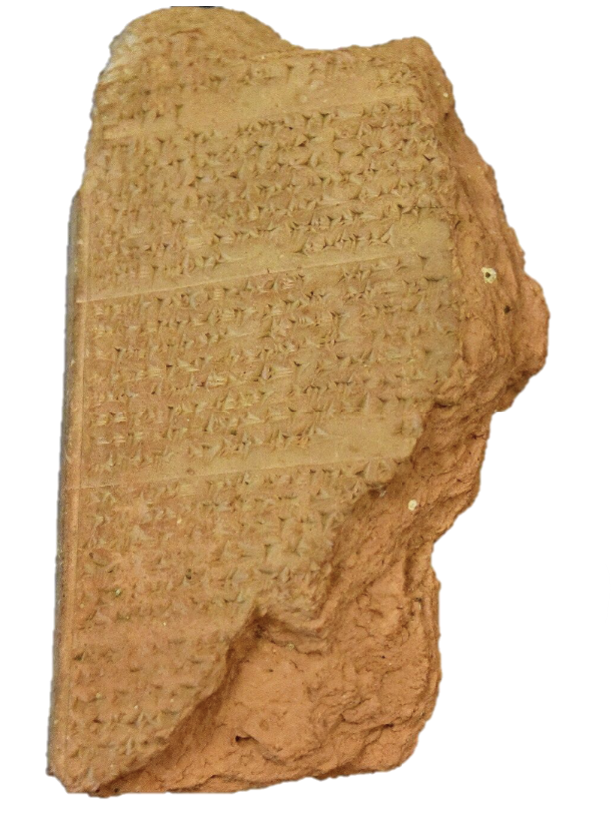
Epic of Gilgamesh; Sumerian; Oral Tradition→Written
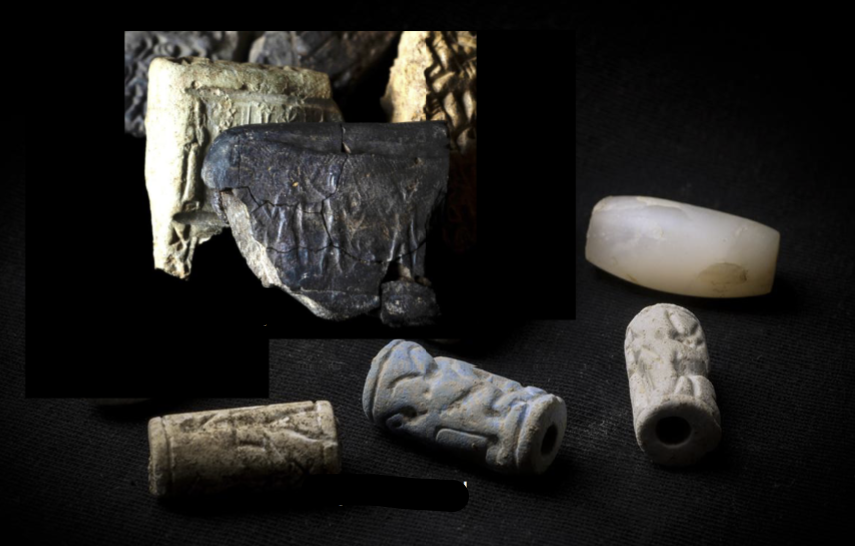
Cylinder Seal; authentication, identity, ownership, amulet

Lapis Lazuli; from Afghanistan; power + divine favor

Kaunakes; sheepskin wrap both men and women wore
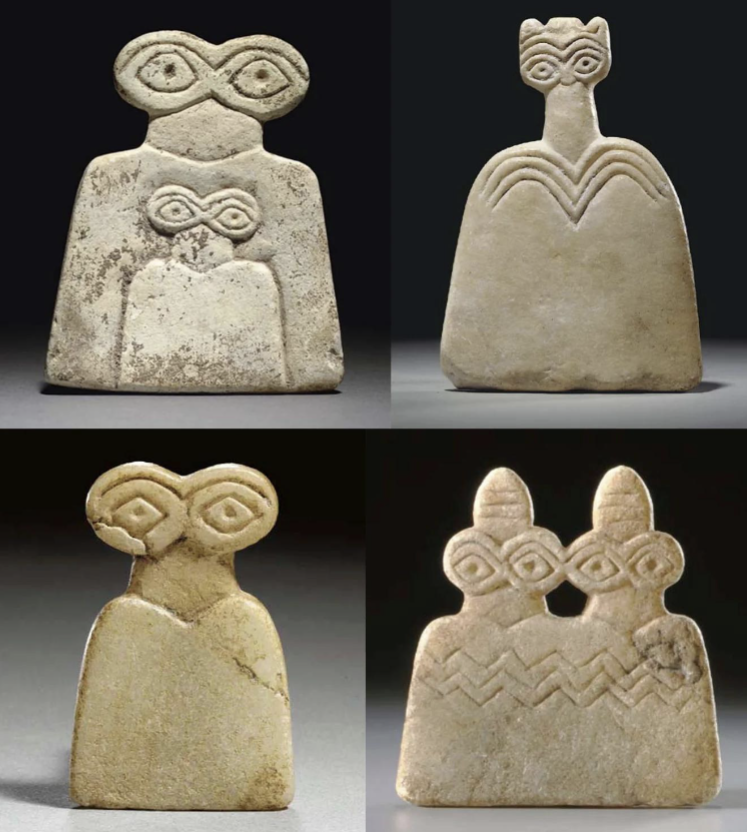
Tell Brak Eye Temple; 20,000; geometric

Mace head of Barakisumun; symbol of storm god
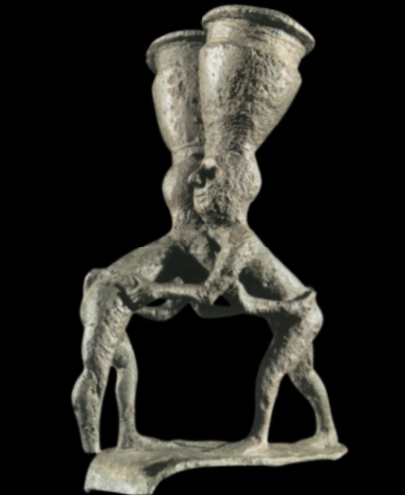
Metal votives; 20,000 found; one above is of first sports

Royal Tomb of Ur; human sacrifice; difference social structures of queens vs peasants in burials

Queen Pu’abi Headdress; trade materials; rich vs poor in Ur society

King Meskalamdug of Ur; early Sumerian ruler

Standard of Ur; duality of Kings both warfare and peaceful; social hierarchy; trade of materials

Victory Stele of Sargon of Akkad; military King
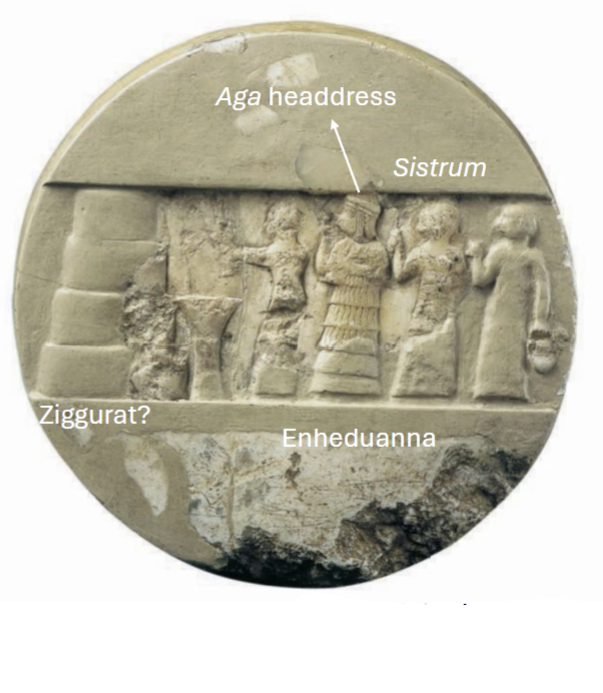
Disc of Enheduanna; daughter of Sargon; high priestess of Ur; poet, first named author
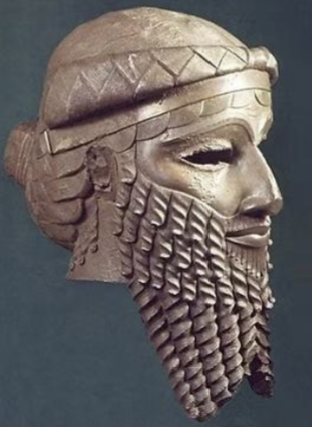
Bronze Statue of Akkadian King; found in Temple of Ishtar, Nineveh; Sargon or his son. Very naturalistic
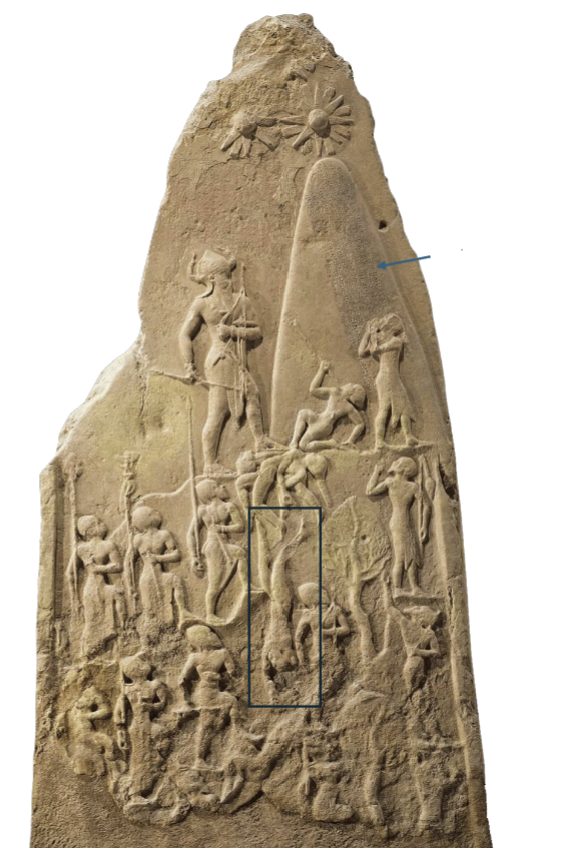
Stela of Naram-Sin; victory of Zagros tribe; Naram-Sin deifies himself with horned crown

Gudea of Lagash; governor of Lagash; made of diorite; strong-armed; note the beanie

Clay Cylinders of Gudea of Lagash; construction of temple by Gudea; pious King opening temple for storm god

Temple of Ningirsu; floor plan on statue model matches in real life

Stela of Ur-Nammu; builder of temple

King Shulgi of Ur; did a ton of reform (new capitol, language, taxes, laws) but he deifies himself so he is doomed to fail

Ziggurat of Ur; dedicated to Nanna; built by Ur-Nammu and Shulgi
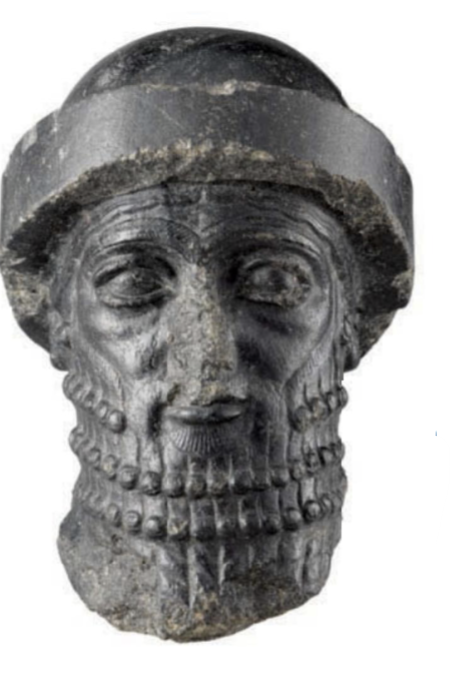
Hammurabi Head found in Susa
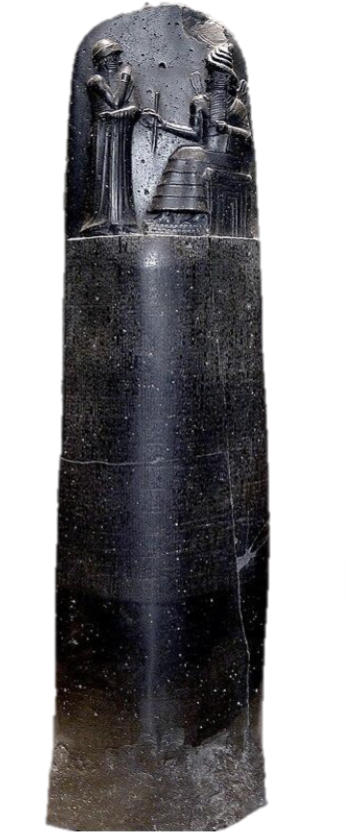
Hammurabi’s Code; if→then format; only equal punishment if both parties of same status

Palace of Zimri-Lim @ Mari; famous in antiquity for grandness; burned by Hammurabi; archives good for history

Liver Models; early divination; liver=soul

Votive Plaques - mass produced, this one probably represents Ishtar

Karum Kanesh - economic node for trade from Assur/Ashur. Family business, routes to pay or avoid taxes