ARC 241 - Exam 3
 Call Kai
 Learn
 Practice Test
 Spaced Repetition
 Match
 Flashcards
 Knowt Play
1/43

There's no tags or description
Looks like no tags are added yet.
44 Terms

The creator god in Hinduism; one of the three main deities of the Trimurti

The preserver god in Hinduism; one of the three main deities of the Trimurti; often shown with human statues/royal iconography

The destroyer and transformer god in Hinduism; one of the three main deities of the Trimurti; shown by the Linga and associated with Nandi the bull
The continuous cycle of life, death, and reincarnation in both Hinduism and Buddhism; liberation from this cycle is the primary spiritual objective
The universal law of cause and effect governing spiritual cause, action, and rebirth in Hinduism and Buddhism
The moral order, sacred duty, and cosmic law of the universe in Hinduism and Buddhism

The entrance porch/entry hall leading into a Hindu temple

The main hall/intermediate pillared hallway in a Hindu temple
The great hall/main assembly space in a Hindu temple; functioning structurally like a hypostyle hall filled with columns

A sacred geometric diagram (such as the Vastu Purusha Mandala) using a square grid layout as a spiritual underpinning to structure cosmic order and sacred space
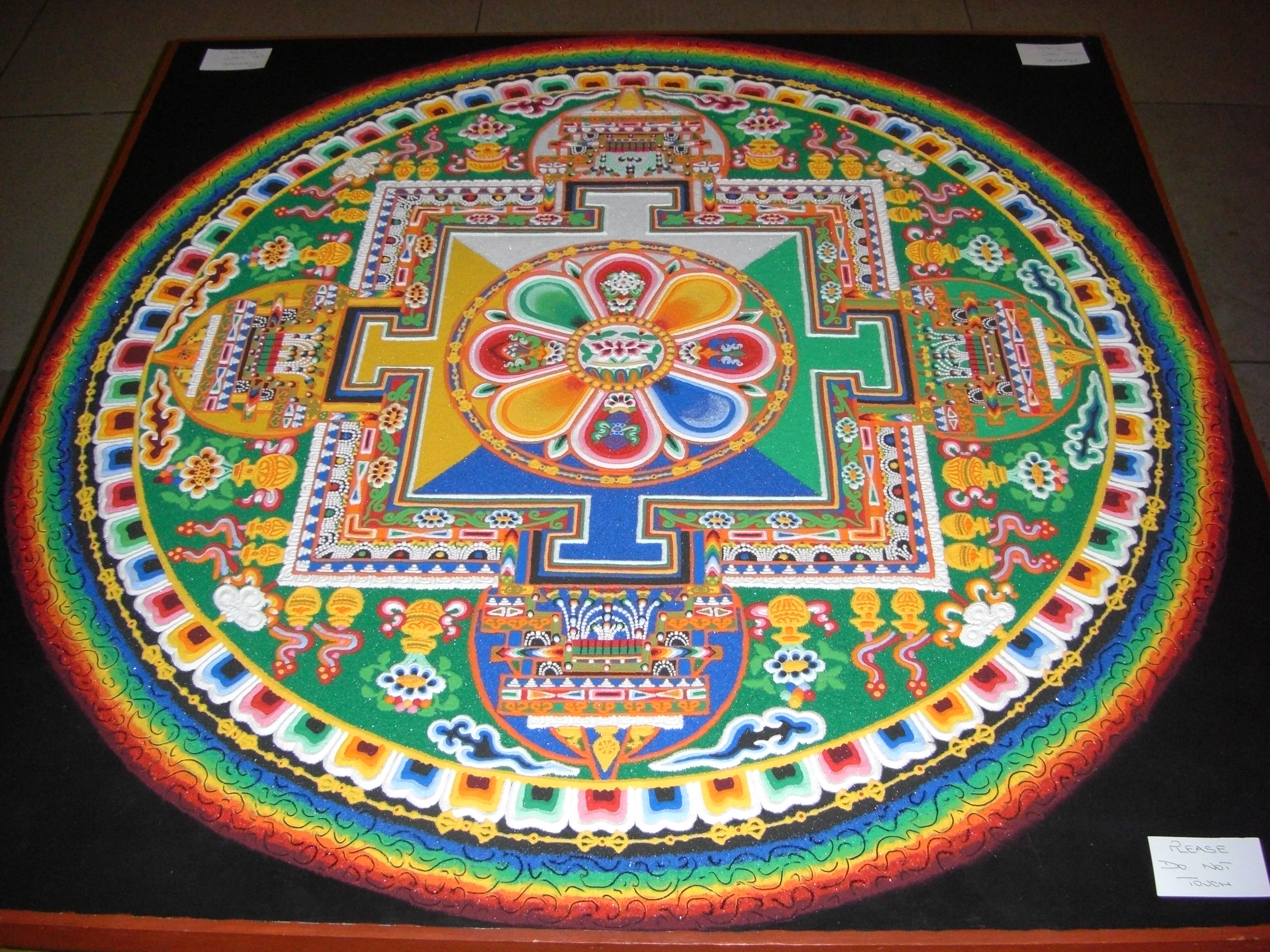
A sacred geometric diagram where the outer square represents the world of form (the four elements) and the inner circle represents formlessness and ultimate enlightenment

‘The awakened or enlightened one’; the embodiment of perfect wisdom and compassion; referring to Siddhartha Gautama (c. 563–483 BCE)
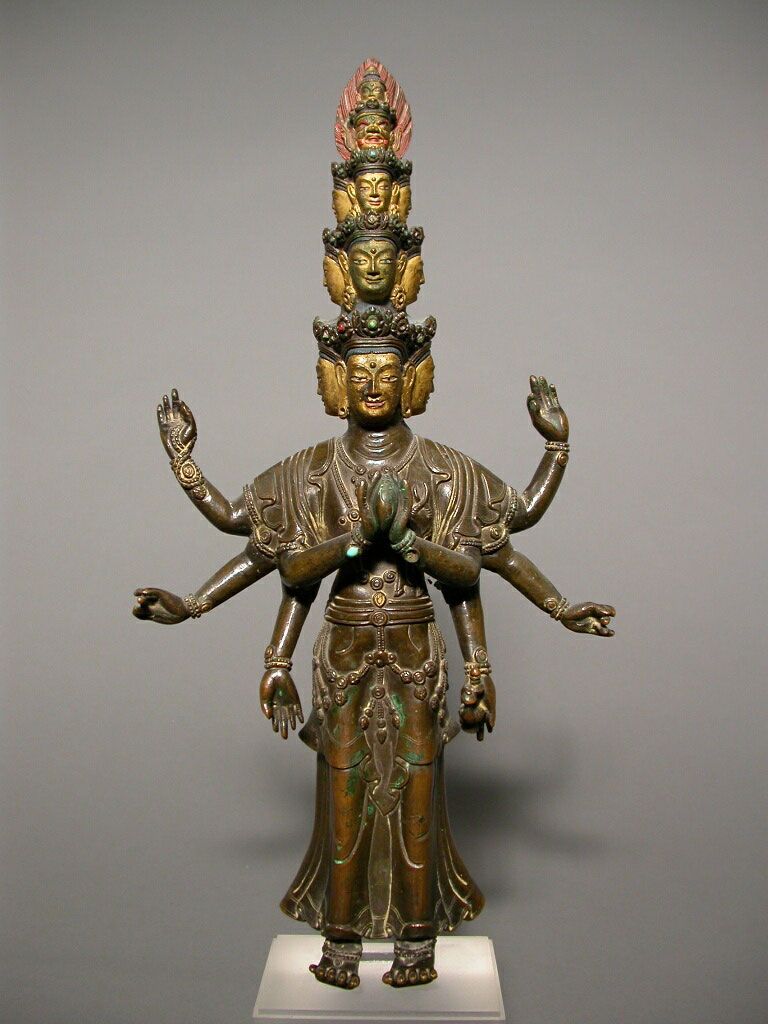
A spiritual being in Buddhism who is seeking enlightenment and striving to guide all beings toward liberation
Sacred triad of Hindu deities; Brahma, Vishnu, and Shiva
Oldest sacred religious texts of Hinduism

Soaring vertical tower representing Mount Meru; the sacred mountain of the gods emerging from the cosmic ocean

‘Womb chamber'; dark, intimate inner sanctum located directly beneath the Shikhara tower housing the primary deity statue/Linga

Aniconic phallic stone symbol representing male cosmic energy; associated with Shiva
Sacred bull and vehicle (vahana) of Shiva; positioned facing the temple sanctum
'Crossing point'/holy threshold enabling transition from worldly physical concerns to the spiritual realm; centered around sacred water

The Eightfold Path
Right understanding (Samma ditthi)
Right thought (Samma sankappa)
Right speech (Samma vaca)
Right action (Samma kammanta)
Right livelihood (Samma ajiva)
Right effort (Samma vayama)
Right mindfulness (Samma sati)
Right concentration (Samma samadhi)

(1) All existence is Dukkha (suffering)
(2) Cause of Dukkha is craving/desire
(3) Cessation of Dukkha comes from stopping craving
(4) The Eightfold Path leads away from Dukkha

Solid hemispherical earth-and-stone burial mound holding sacred relics; acts as a 3D mandala and axis mundi
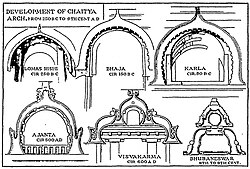
A Buddhist assembly/prayer hall housing a stupa at its apsidal end
A Buddhist monastery/residential cave unit

Ritual walking around a sacred monument; performed clockwise in standard Hindu and Buddhist practice (counterclockwise at Angkor Wat)

Symbolic ritual hand gestures depicted on Buddha sculptures
Calling Earth as Witness
Benevolence
Concentration/Meditation
Turning the Wheel of Law

Name: Ladkhan Temple (Chalukya Shiva Temple)
Location: Aihole, Karnataka, India
Time: 5th century CE
Culture: Chalukya Dynasty (Dedicated to Shiva)
Early Hindu typology; stone roof slabs translate earlier timber/vegetal roofs into stone; elevated platform; outer walls with stone lattice grills (jalis) for light and heat control; center hall contains Nandi bull statue; Garbhagriha located at the rear containing a Shiva Linga

Name: Lakshmana Temple
Location: Khajuraho, Madhya Pradesh, India
Time: c. 950 CE
Culture: Chandela Dynasty (Dedicated to Vishnu)
Built on a raised base platform (Jagati) as a 5-shrine layout (Panchayatana) with 4 subsidiary corner temples; requires worshippers to circumambulate the full platform perimeter before entering the main temple; enclosed Garbhagriha houses a sculpted Vishnu statue rather than a Linga; extensive stone carvings tell stories of the gods
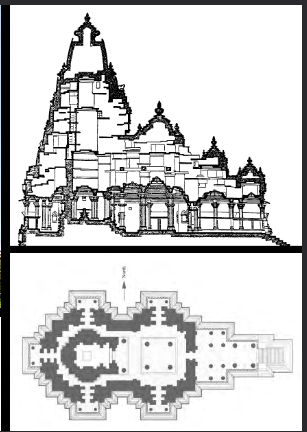
Name: Kandariya Mahadeva Temple
Location: Khajuraho, Madhya Pradesh, India
Time: c. 1025 CE
Culture: Chandela Dynasty (Dedicated to Shiva)
Quintessential Nagara style; soaring vertical axis with a central mountain-like Shikhara flanked by subsidiary towers (Urushringas) symbolizing Mount Meru; built on a high base platform; linear axial procession (Ardha Mandapa → Mandapa → Maha Mandapa → Antarala → Garbhagriha); dark inner Garbhagriha houses a Shiva Linga with a tight circumambulation path
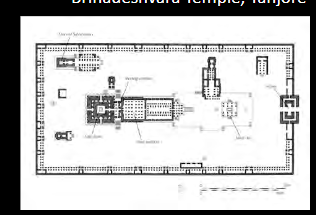
Name: Brihadeshvara Temple
Location: Tanjore (Thanjavur), Tamil Nadu, India
Time: 1003–1010 CE
Culture: Chola Dynasty (King Raja Raja I / Dedicated to Shiva)
Masterpiece of Dravidian style; massive 63-meter pyramid Vimana tower over Garbhagriha; situated within a huge walled courtyard; long flat-roofed Maha Mandapa filled with columns acting as a hypostyle hall; dedicated Nandi pavilion facing the East entrance; encloses a massive Shiva Linga inside the Garbhagriha
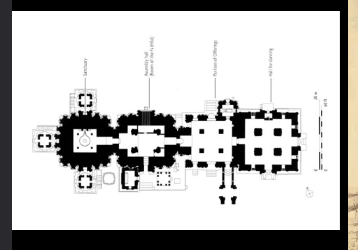
Name: Lingaraja Temple
Location: Bhubaneswar, Odisha, India
Time: 1050–1150 CE
Culture: Somavamsi Dynasty (Dedicated to Harihara/Shiva)
Mature Kalinga Nagara style with a 4-part linear axis (Dancing Hall → Hall of Offerings → Maha Mandapa / Assembly Hall → Deula / Sanctuary); high curvilinear Shikhara over the sanctum; spacious Maha Mandapa functions structurally as a hypostyle hall filled with heavy stone columns

Name: Prambanan Temple Complex
Location: Yogyakarta, Java, Indonesia
Time: c. 900 CE
Culture: Sanjaya Dynasty (Dedicated to Shiva / Trimurti)
Largest Hindu complex in Java; concentric square mandala plan; central inner court holds 3 main East-facing temples for the Trimurti (largest 47m tower for Shiva, flanked by Brahma and Vishnu); separate Nandi shrine facing Shiva temple; features a vertical Garbhagriha well shaft and relief galleries depicting the Ramayana

Name: Angkor Wat (Vrah Vishnulok)
Location: Siem Reap, Cambodia
Time: 1113–1150 CE
Culture: Khmer Empire / King Suryavarman II (Dedicated to Vishnu / Royal Funerary)
Represents Mount Meru surrounded by a 190m moat (cosmic ocean); dry-laid mortarless stone masonry with corbeled vaulting (no true arches); faces West (unusual, linked to Vishnu and death); circumambulated counterclockwise; features purification water basins and a deep vertical subterranean well shaft under the central Garbhagriha
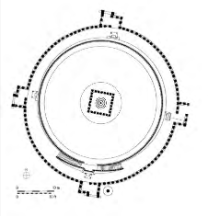
Name: Mahastupa (Great Stupa at Sanchi)
Location: Sanchi, Madhya Pradesh, India
Time: 250 BCE – 250 CE
Culture: Emperor Ashoka (Patron) / Maurya & Satavahana eras
Hemispherical brick/rubble mound encased in stone veneer housing Buddha relics; surrounded by a stone fence (Vedika) imitating wooden posts; 4 L-shaped cardinal entry gateways (Toranas) aligned to a swastika plan block outside views; features 2 elevated levels of clockwise circumambulation; crowned by a Harmika, Yasti, and 3 Chatra disks

Name: Great Chaitya Hall (Cave 8 at Karli)
Location: Karli (Karla), Maharashtra, India
Time: c. 100 BCE
Culture: Nahapana / Western Satraps (Kshatrapa) Dynasty
Subtractive rock-cut basalt cave; barrel-vaulted ceiling lined with non-structural wooden ribs attached to stone to ease transition into new stone belief spaces; two rows of octagonal columns with elephant capitals create side aisles for clockwise circumambulation around a solid rock-cut stupa at the apsidal end

Name: Ajanta Caves (Cave 19)
Location: Aurangabad District, Maharashtra, India
Time: 390–400 CE
Culture: Satavahana & Vakataka Dynasties
Subtractive rock-cut cave into a horseshoe cliff face; features an excavated gathering court and horseshoe arch facade; vault ribs carved directly out of solid stone to imitate wood; elongated rock-cut stupa features a carved standing Buddha figure on its front face with a multi-tiered Chatra spire

Name: Borobudur
Location: Java, Indonesia
Time: 800–850 CE
Culture: Shailendra Dynasty / Architect: Gunadharma
Didactic step-pyramid 3D stone mandala built over a natural hill; clockwise ascent from Form to Formlessness; 5 lower square terraces feature high walls with 432 cardinal Buddha niches blocking outside views; 3 upper open circular terraces hold 72 perforated bell stupas with seated Buddhas; capped by a solid empty central Stupa representing the void/enlightenment

Name: Ananda Temple
Location: Bagan (Pagan), Myanmar (Burma)
Time: 1105 CE
Culture: Pagan Kingdom (King Kyanzittha)
Symmetrical Greek-cross cruciform plan based on a mandala; white-washed terraced brick base topped by a golden Hindu-style Shikhara tower capped with a stupa spire; central square brick core houses 4 colossal standing gilt Buddha statues (9.5m tall) facing North, South, East, and West

Name: Ghats at Varanasi (Great Benares / Kedar Ghat)
Location: Varanasi (Benares), Uttar Pradesh, India
Time: 17th–19th century CE
Culture: Hindu (Various patrons)
Continuous wide stone stair terraces along the banks of the sacred Ganges River; embodies Tirtha (a sacred crossing point between mundane civic life and spiritual salvation/purification); steps accommodate daily washing, ritual bathing, and cremation rituals directly at the water's edge

Name: Sun Temple & Surya Kund
Location: Modhera, Gujarat, India
Time: 1075–1080 CE
Culture: Solanki Dynasty (Dedicated to Surya, the Sun God)
East-facing Hindu temple paired with a massive stepped reservoir (Surya Kund) on the main axis; temple lost its top Shikhara; rectangular Kund features geometric transverse (diagonal) stairs that reduce horizontal space needed to reach seasonal groundwater levels; lined with mini step-shrines along the water walls

Name: Chand Baori
Location: Abhaneri, Rajasthan, India
Time: c. 825 CE
Culture: Nikumbha Dynasty (King Chanda)
Subtractive 13-story inverted pyramid stepwell extending deep to groundwater; 3 sides lined with a dense grid of geometric transverse stairs (no axial stairs); 4th side features a multi-story arcaded palace/pavilion (Hindu sculpted galleries below, Islamic additions above); raised perimeter lip prevents dirty surface rainwater runoff from contaminating clean well water
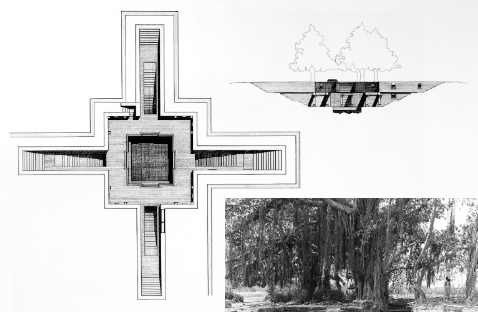
Name: Chaumukhi Stepwell
Location: Chobari, Gujarat, India
Time: c. 1000 CE
Culture: Hindu
Subterranean stepwell built on a symmetrical cruciform (cross) plan; 4 cardinal entrance stairways descend to a central square water pool; subterranean landing platforms provided shaded resting areas for travelers and a safe, liberated gathering space for local women; features inset wall deity niches and a raised lip
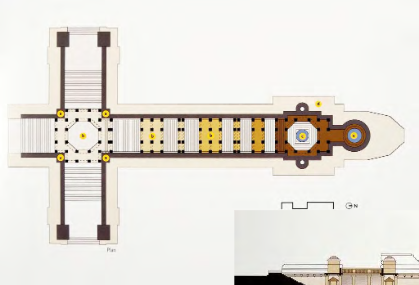
Name: Rudrabai Stepwell (Rudba Devi Vav)
Location: Adalaj, Gujarat, India
Time: c. 1500 CE
Culture: Queen Rudrabai (Rudba Devi) / Vaghela Dynasty & Gujarat Sultanate era
Subterranean sandstone Vav showing a fusion of Hindu spatial layout and Islamic carving; 3 entrance flights converge to descend along a longitudinal axis through 5 story platform tiers to an octagonal well shaft; adorned with geometric/floral motifs with no human/deity figures (Islamic rule), except for small carved fish at the base; raised parapet lip protects groundwater