ASTRONOMY QUIZ 1
0.0(0)
Studied by 3 people Call Kai
 Learn
 Practice Test
 Spaced Repetition
 Match
 Flashcards
 Knowt Play
Card Sorting
1/36

Earn XP
37 Terms
1
New cards
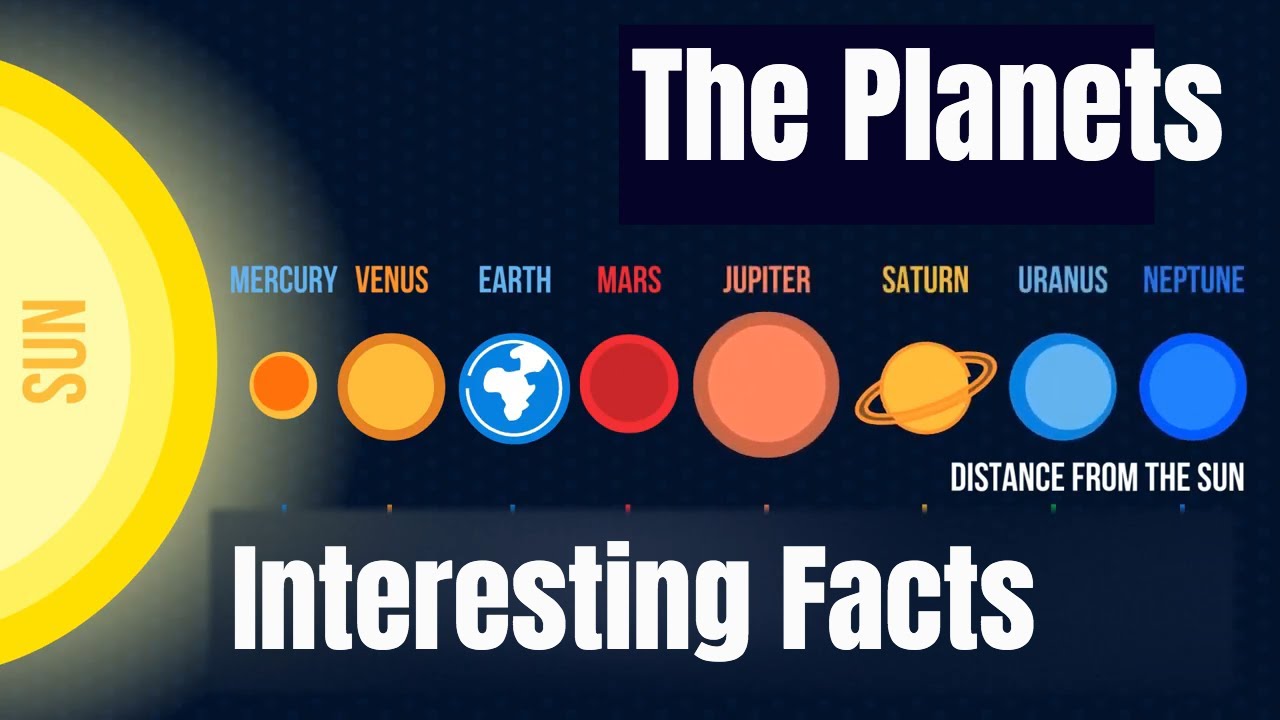
What is the order of the planets?
My Very Excellent Mom Just Served Us Noodles
2
New cards
What galaxy do we live in?
The Milky Way Galaxy!

3
New cards
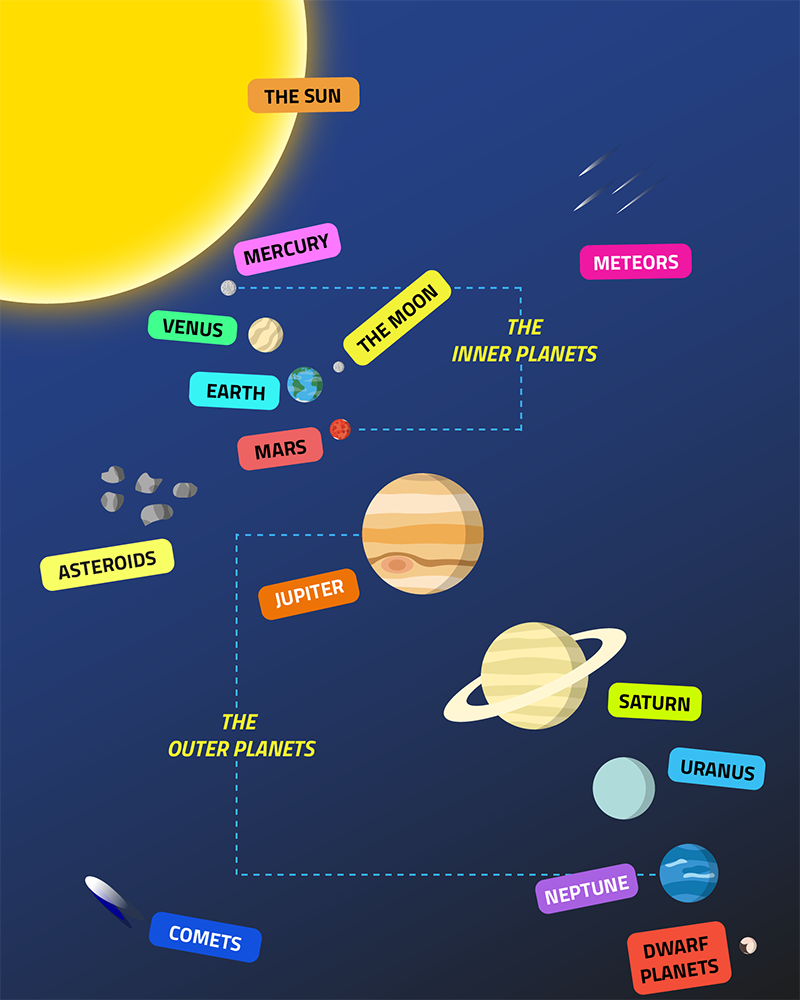
What does our solar system contain?
The sun, 8 planets, dwarf planets, comets, asteroids, & meteors
4
New cards
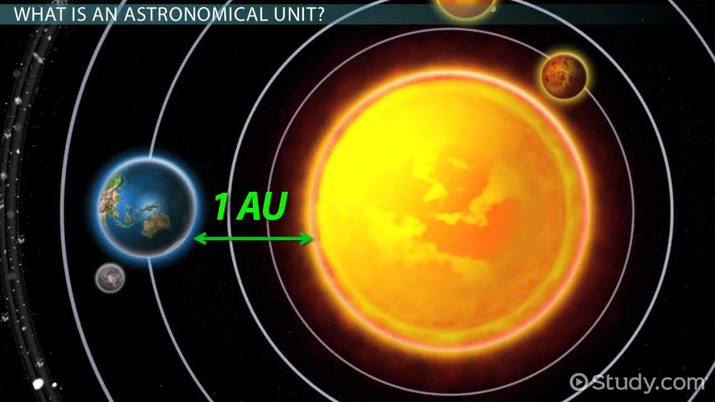
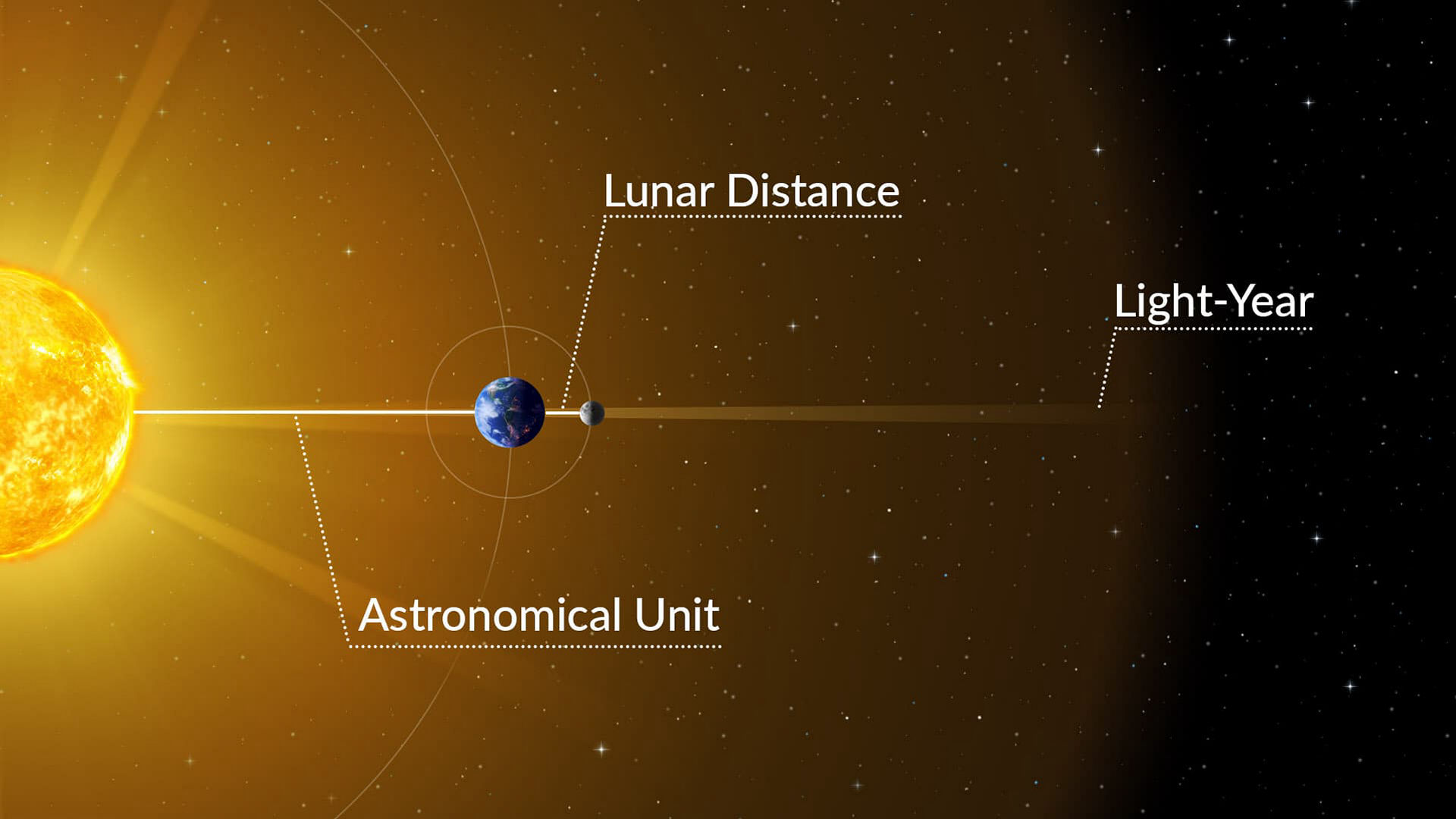
What is an astronomical unit?
Measuring unit used in space exploration. It is the equivalent to the average distance between the earth and sun.
5
New cards
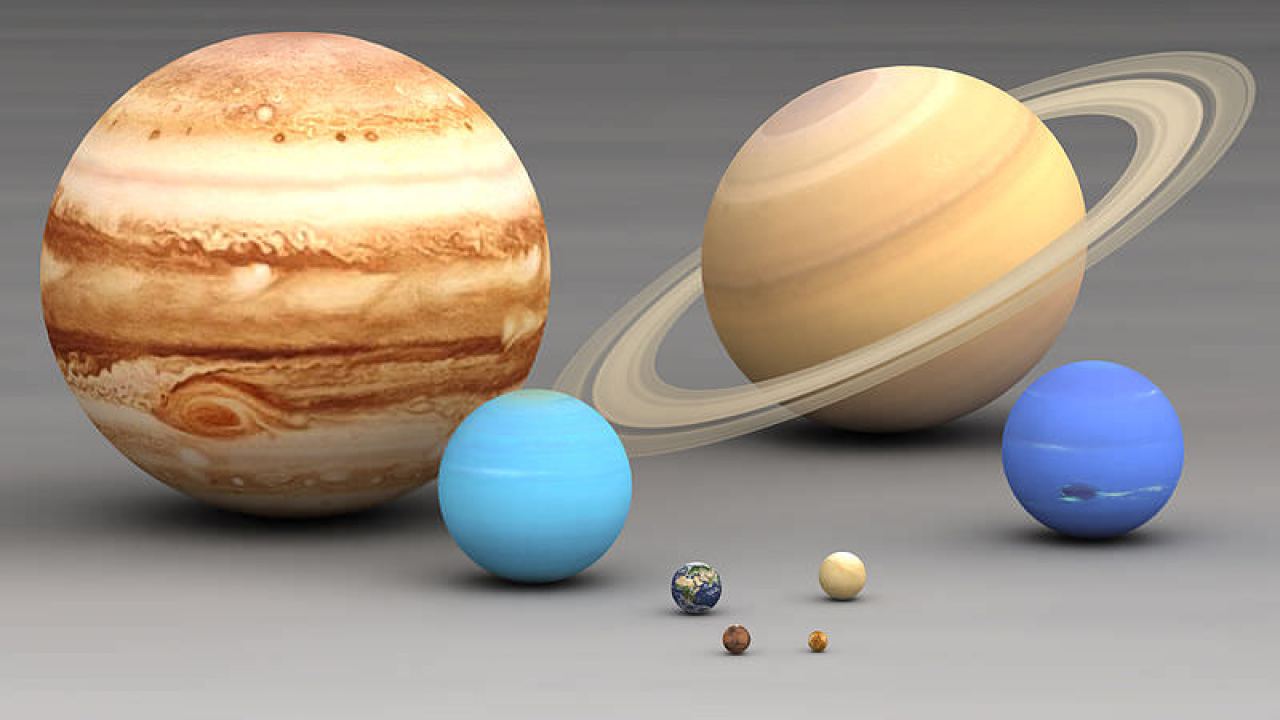
Planets Largest to Smallest
Jupiter, Saturn, Uranus, Neptune, Earth, Venus, Mars, Mercury
6
New cards
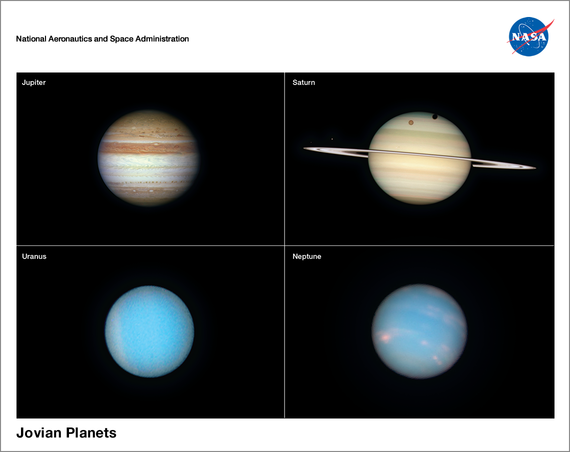
What is a Jovian Planet?
A gas planet made with hydrogen and helium. Examples are Jupiter, Saturn, Uranus, & Neptune.
7
New cards
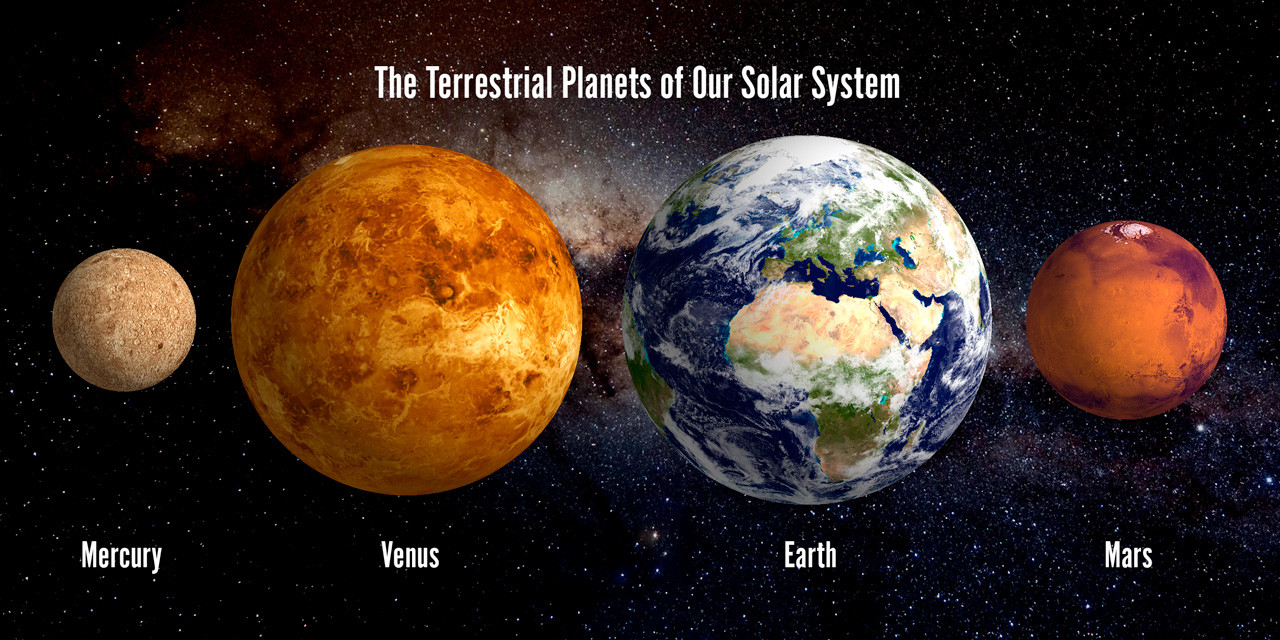
What is a Terrestrial planet?
A planet with a rocky & solid surface. Examples are Earth, Venus, Mars, & Mercury.
8
New cards
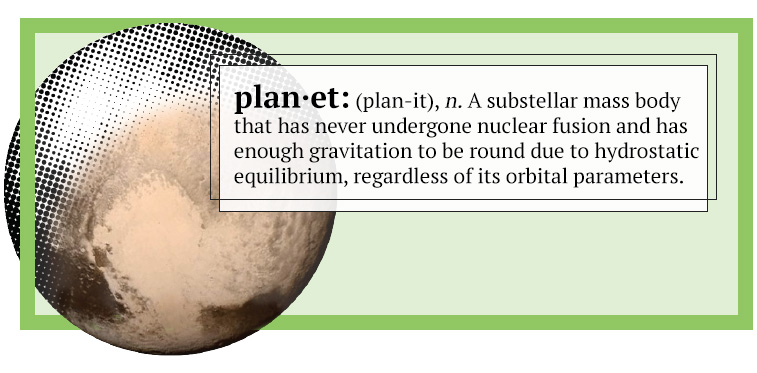
What is a planet?
A planet is a celestial body that orbits a stars and shines from solar light, is massive enough to be rounded by its own gravity, but not massive enough to cause thermonuclear fusion.
9
New cards
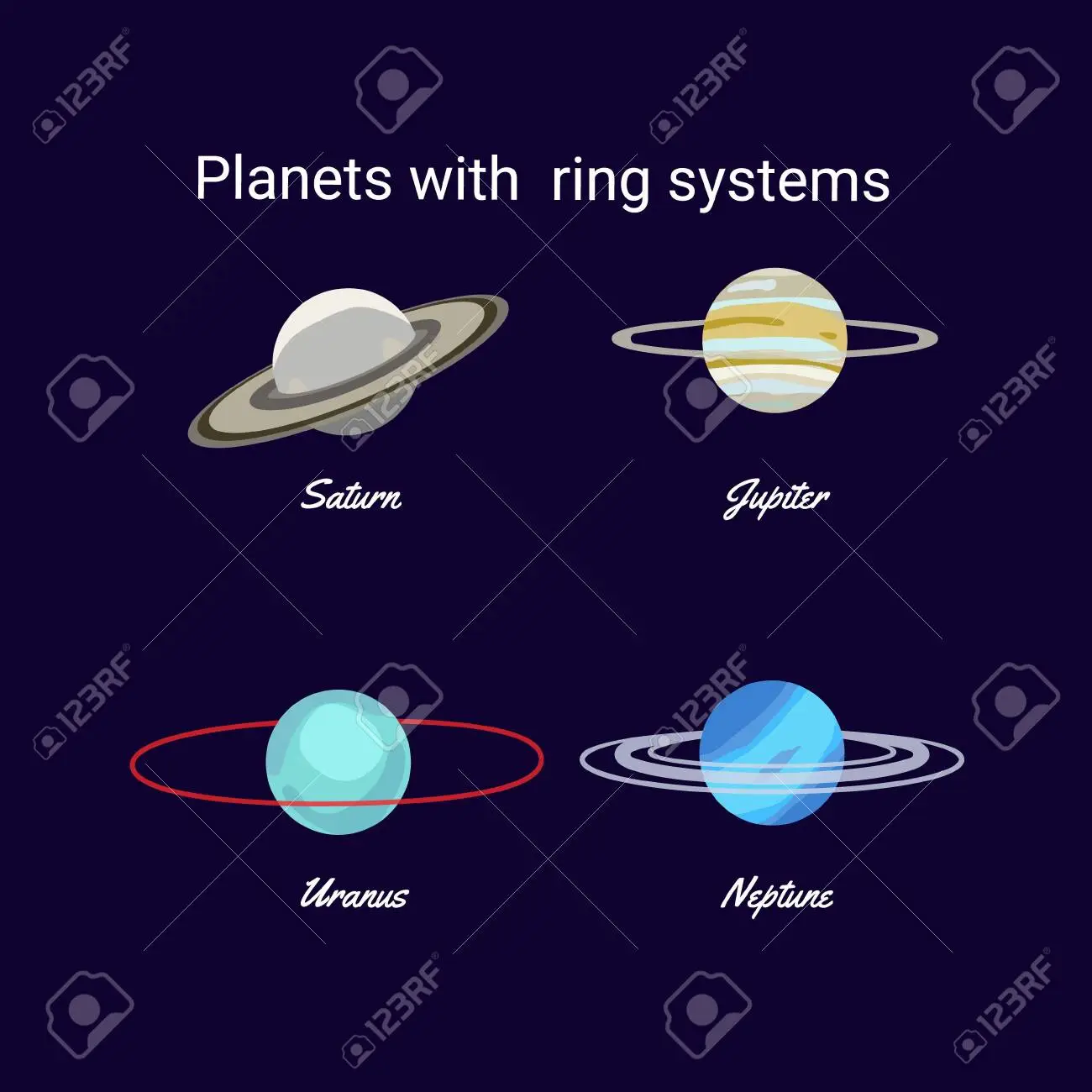
What planets have rings?
Jupiter, Saturn, Uranus, & Neptune
10
New cards
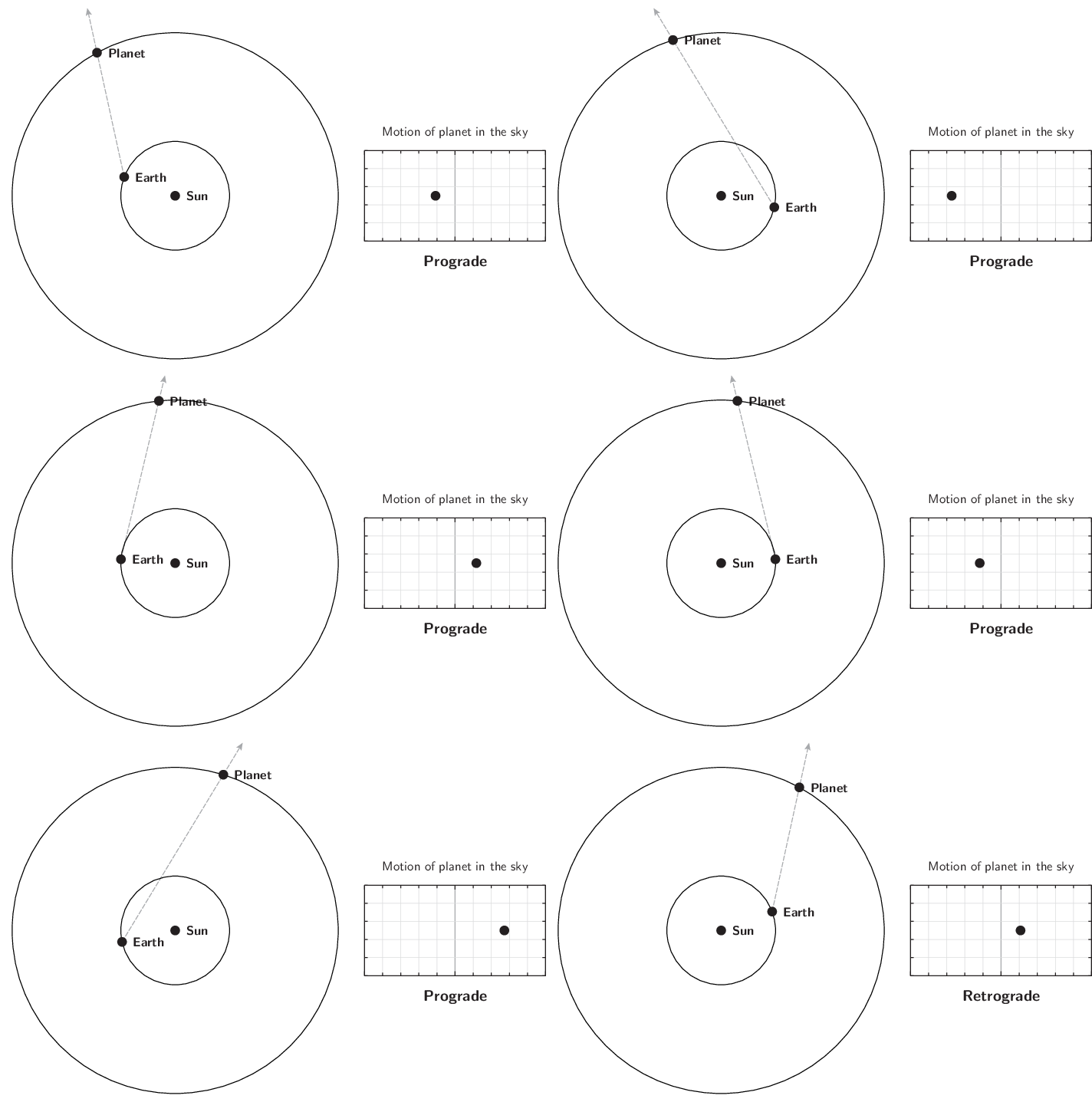
What did ancient people nickname planets?
They nicknamed them wandering stars! This is because stars remain motionless in relation to each other while planets shift their positions relative to the stars.
11
New cards
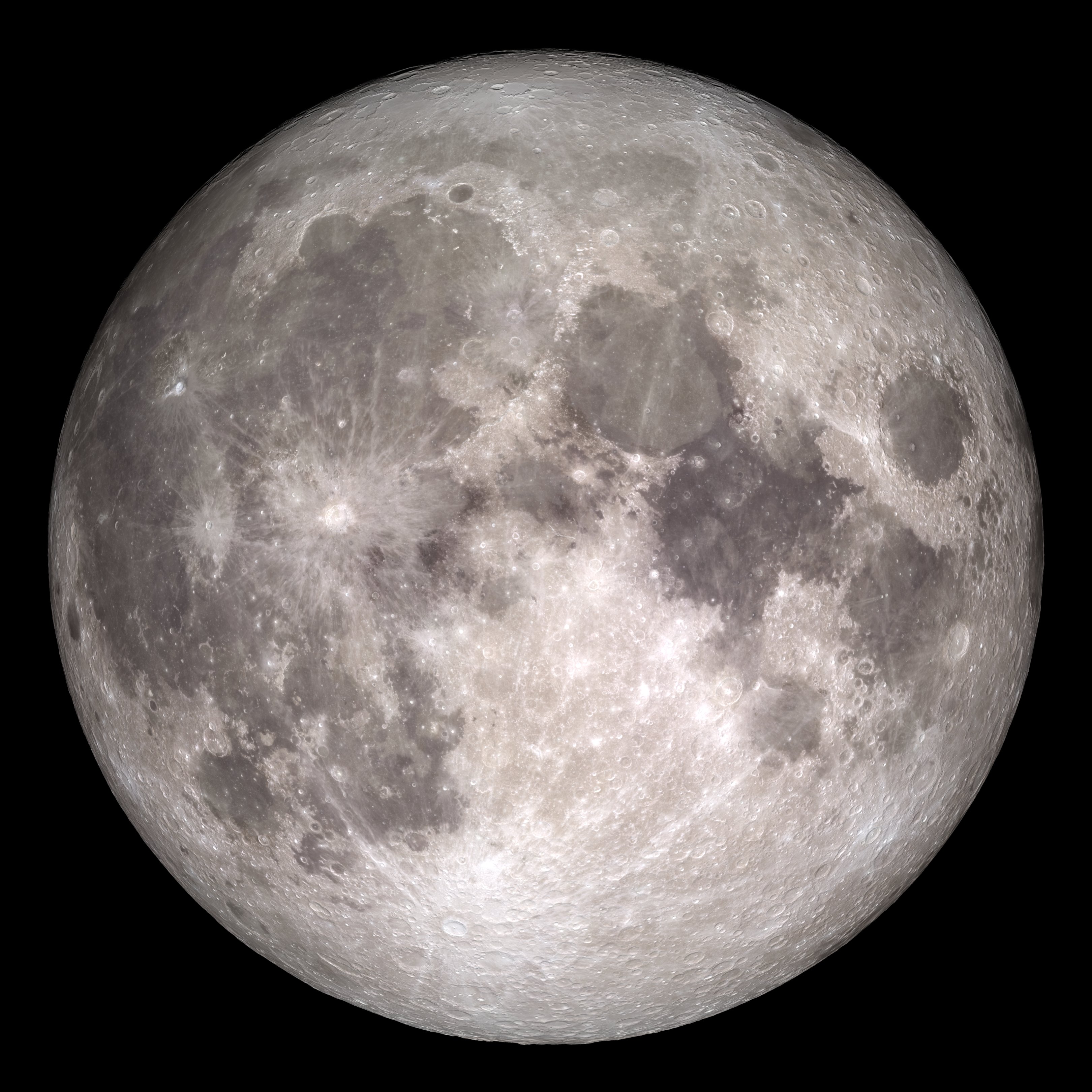
What is a moon? How are they created?
A natural Satellite! They are probably formed from floating debris, discs of gas, and dust circulating around planets in the early solar system.
12
New cards
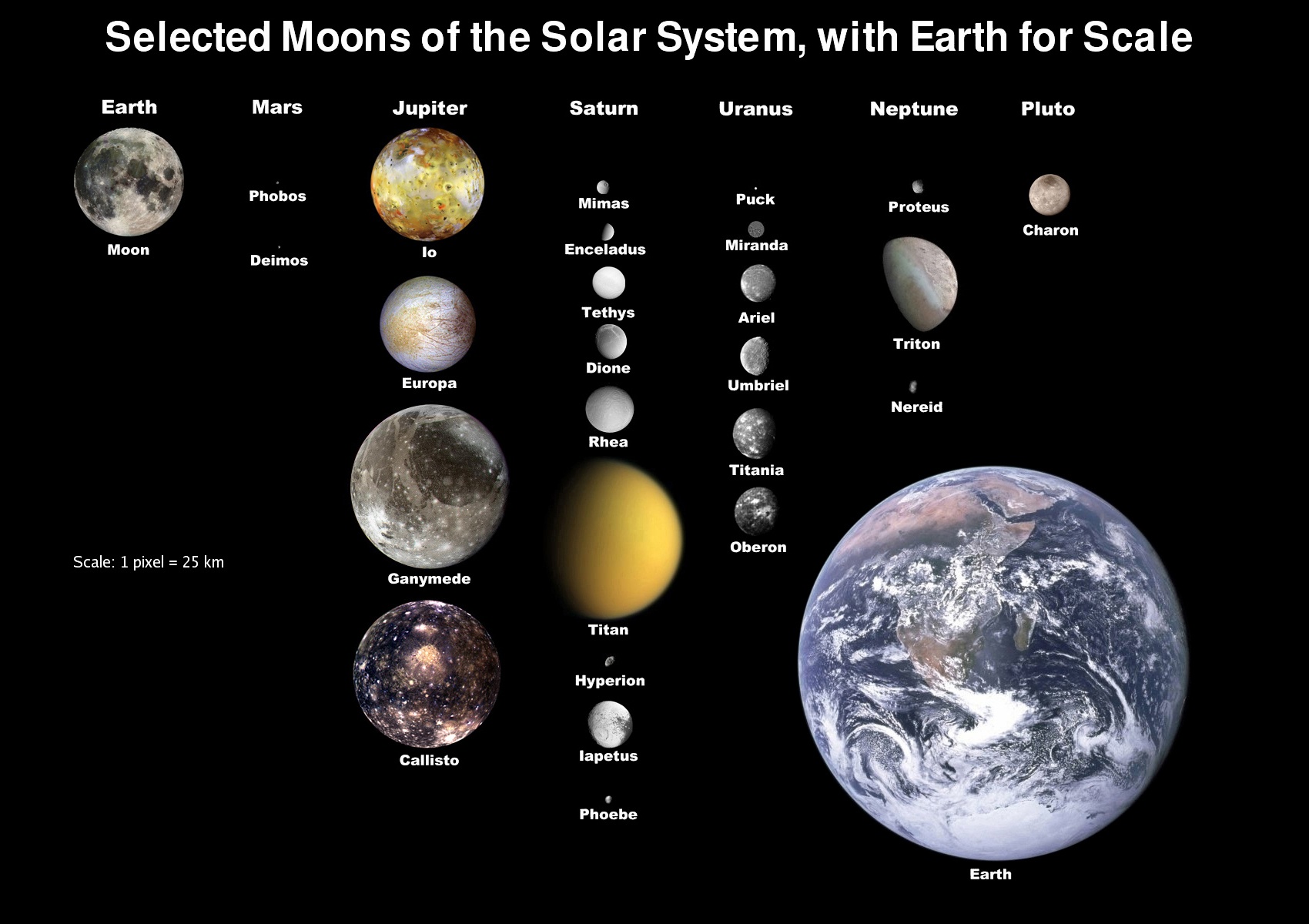
What planet’s have moons?
Every planet except Mercury & Venus!
13
New cards
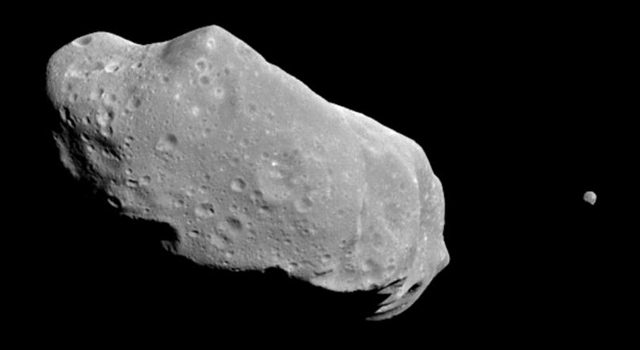
What is an asteroid?
They are solid, small, rocky objects that orbit the sun.
14
New cards
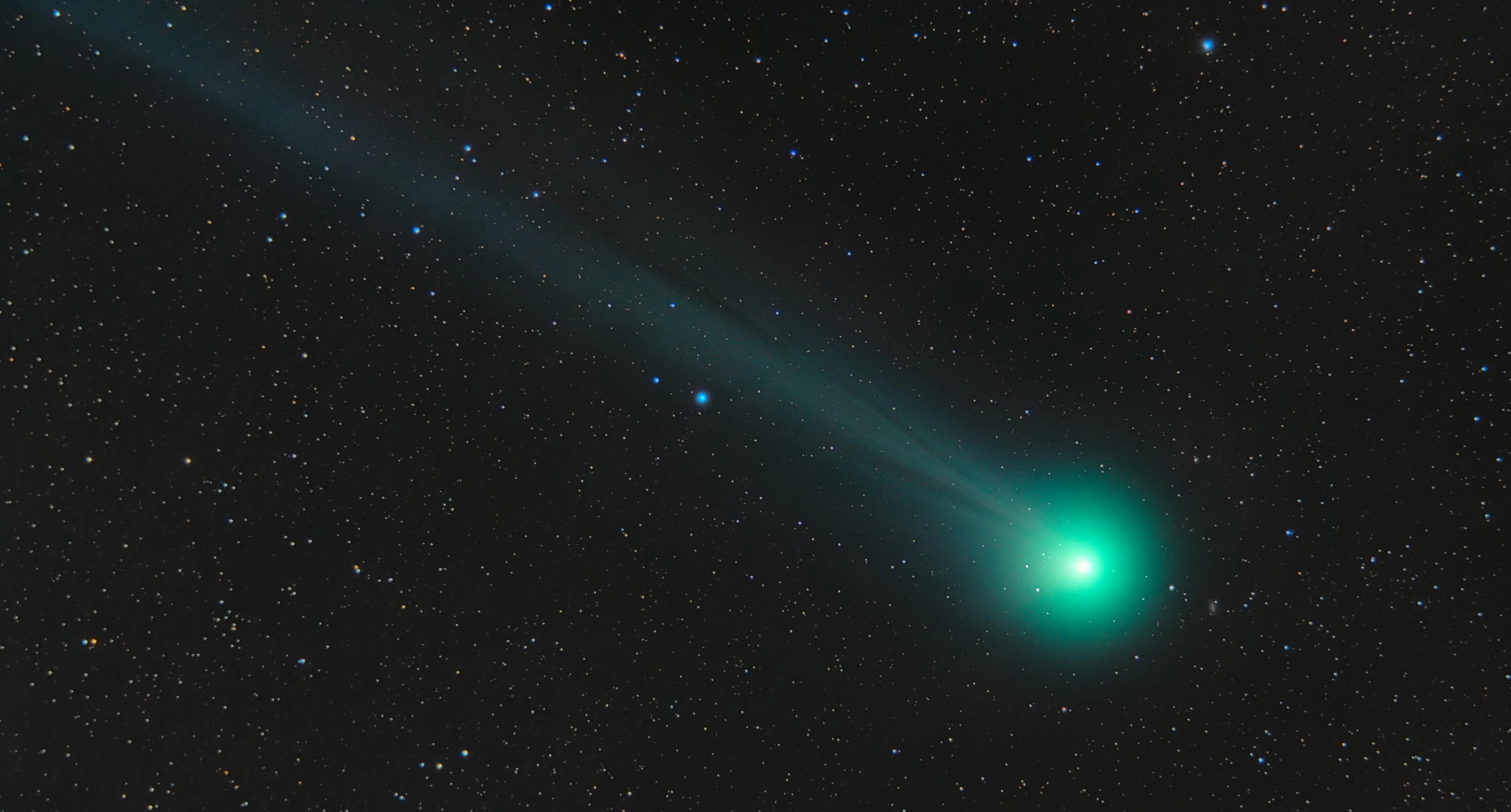
What is a comet?
Cosmic snowballs of frozen gases, rock, and dust that orbit the Sun. They are identified by their icy tail of frozen gas and dust.
15
New cards
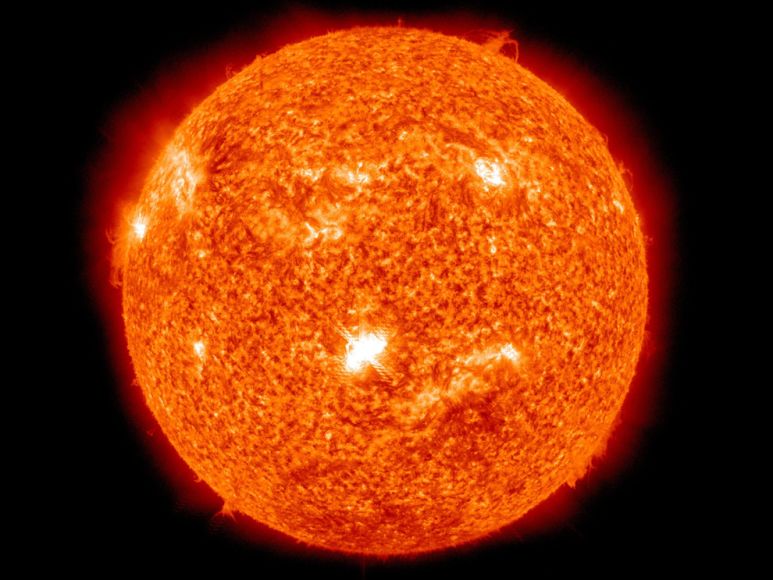
What is the sun?
The sun is a star that is at the center of our Solar System. It is the largest object in our solar system, and all objects are in orbit around the Sun.
16
New cards
How many planets are in the solar system?
8!
17
New cards
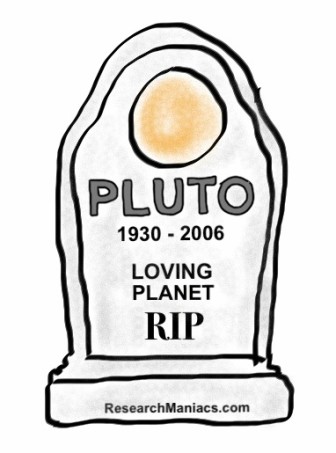
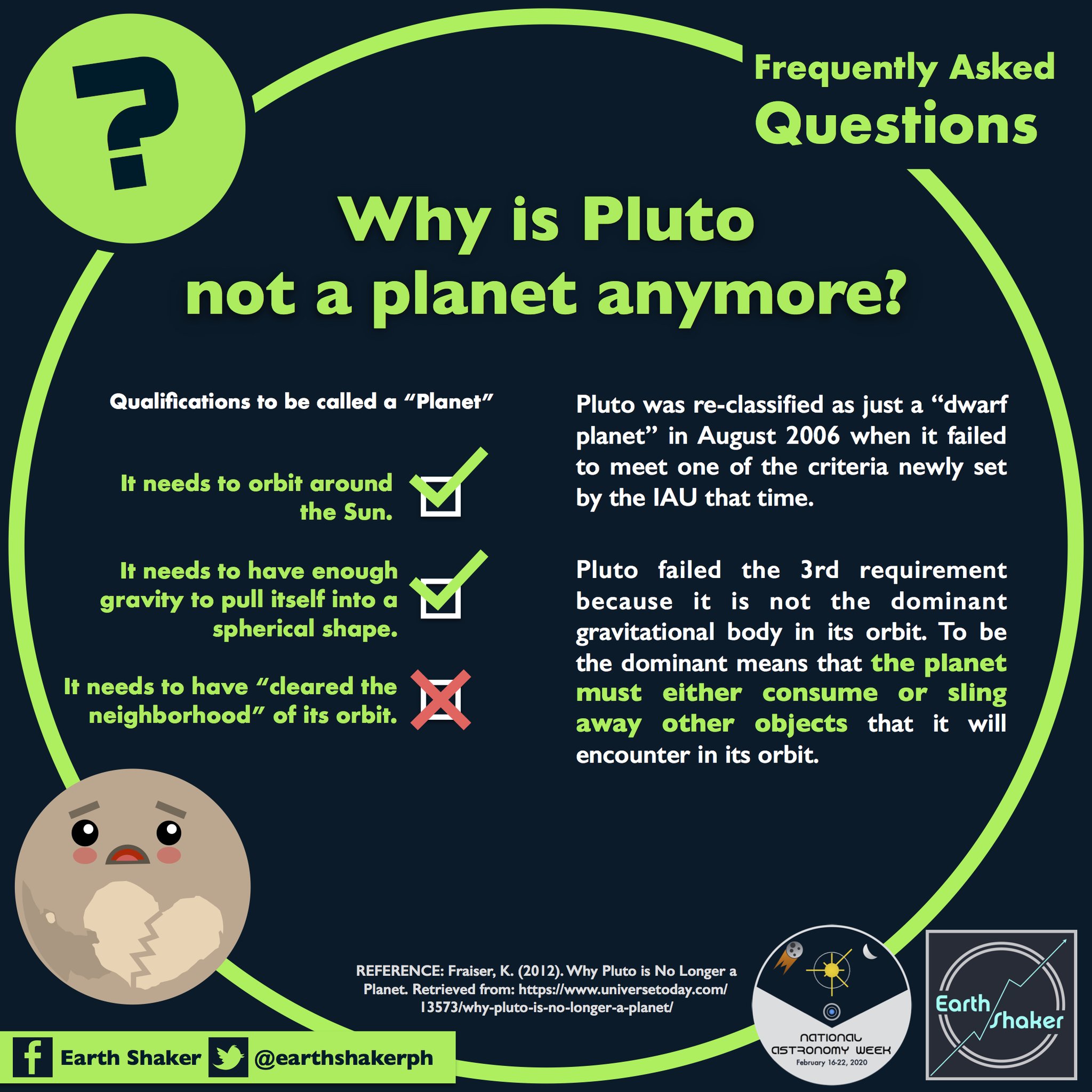
Why isn’t Pluto a planet anymore?
Because is did not clear its neighboring region of other objects AKA Eris.
18
New cards
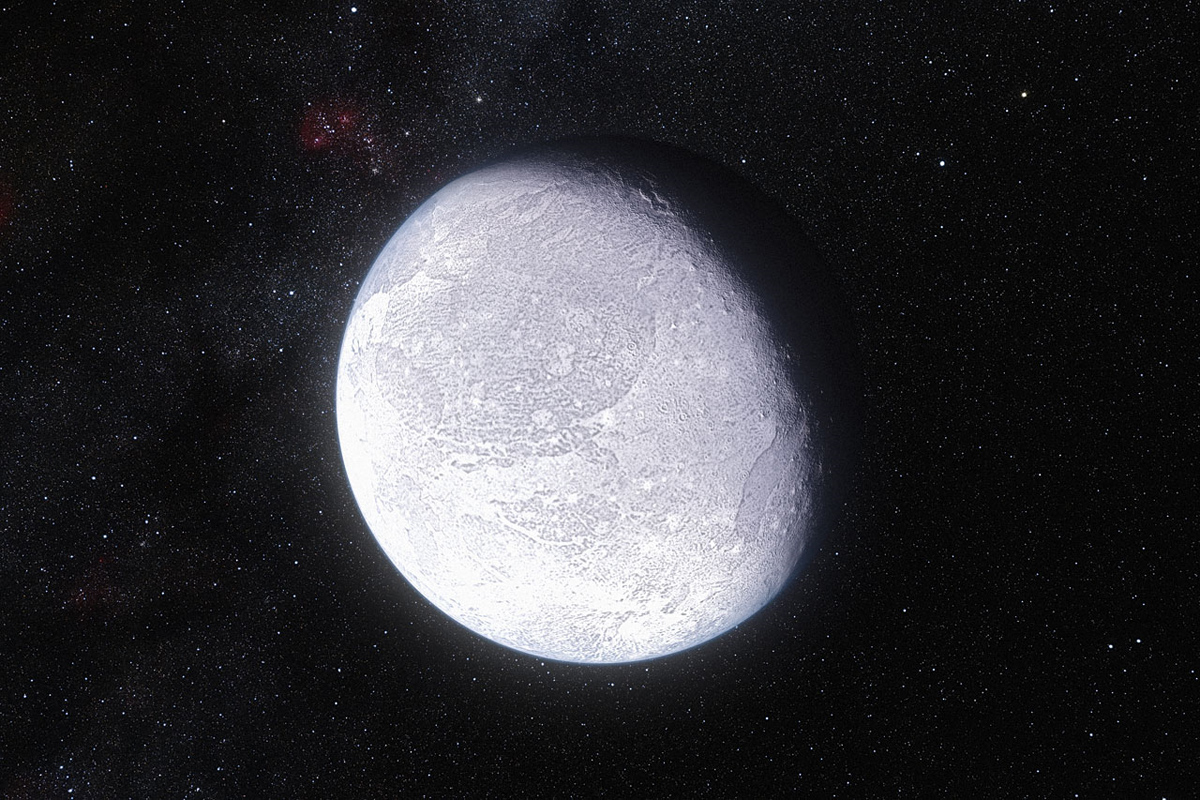
What discovery led to Pluto not being declared a planet?
In 2005, a neighboring object named Eris was announced to have been discovered and it had a moon.
19
New cards
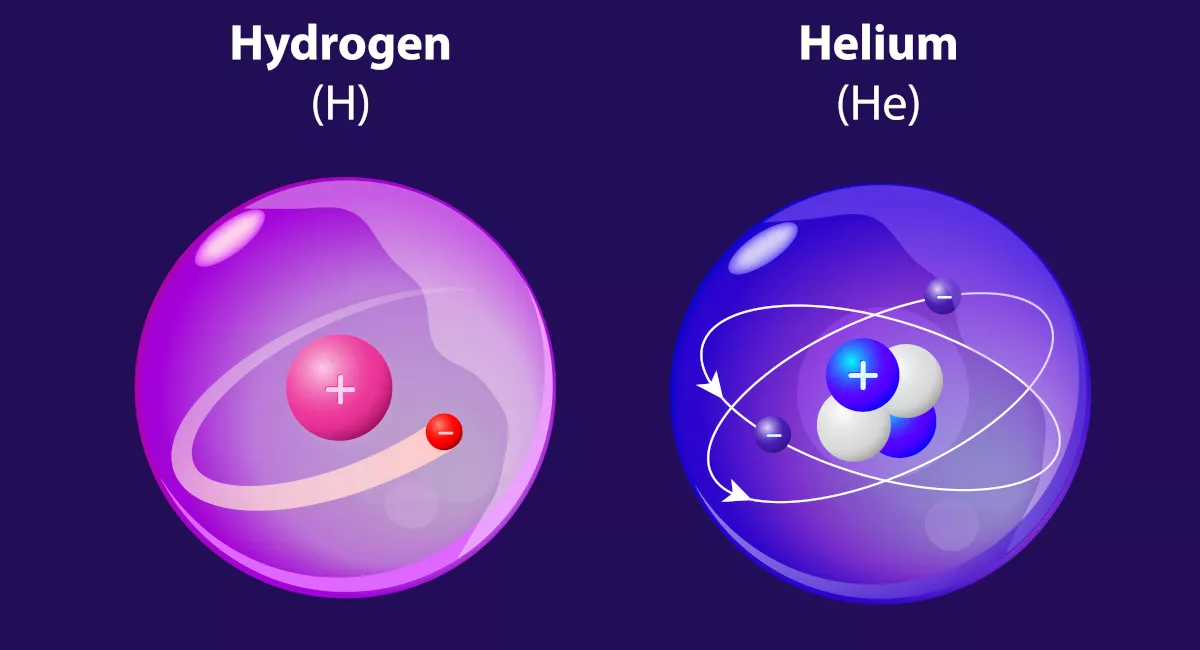
What are the most abundant items in the universe?
Hydrogen & Helium
20
New cards
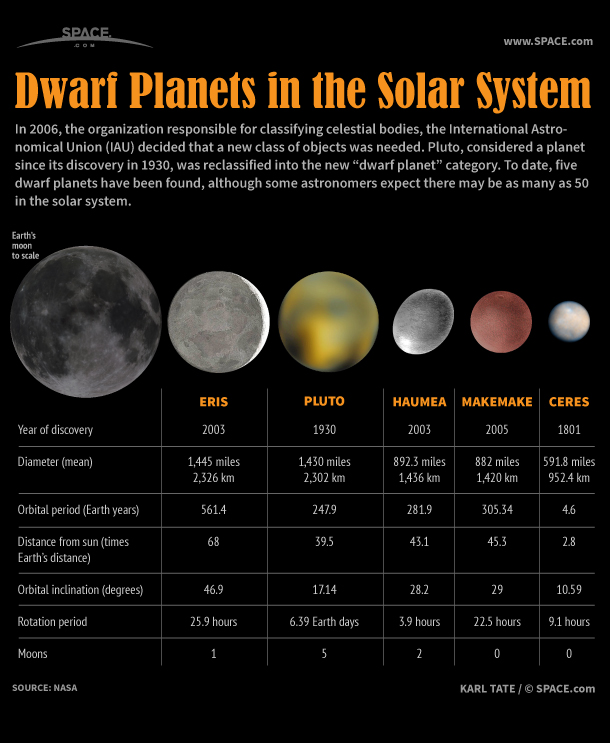
What is a dwarf planet?
A dwarf planet is in orbit around the Sun,
has sufficient mass for its self-gravity to become round in shape, has not cleared the neighborhood around its orbit, and is not a satellite.
has sufficient mass for its self-gravity to become round in shape, has not cleared the neighborhood around its orbit, and is not a satellite.
21
New cards
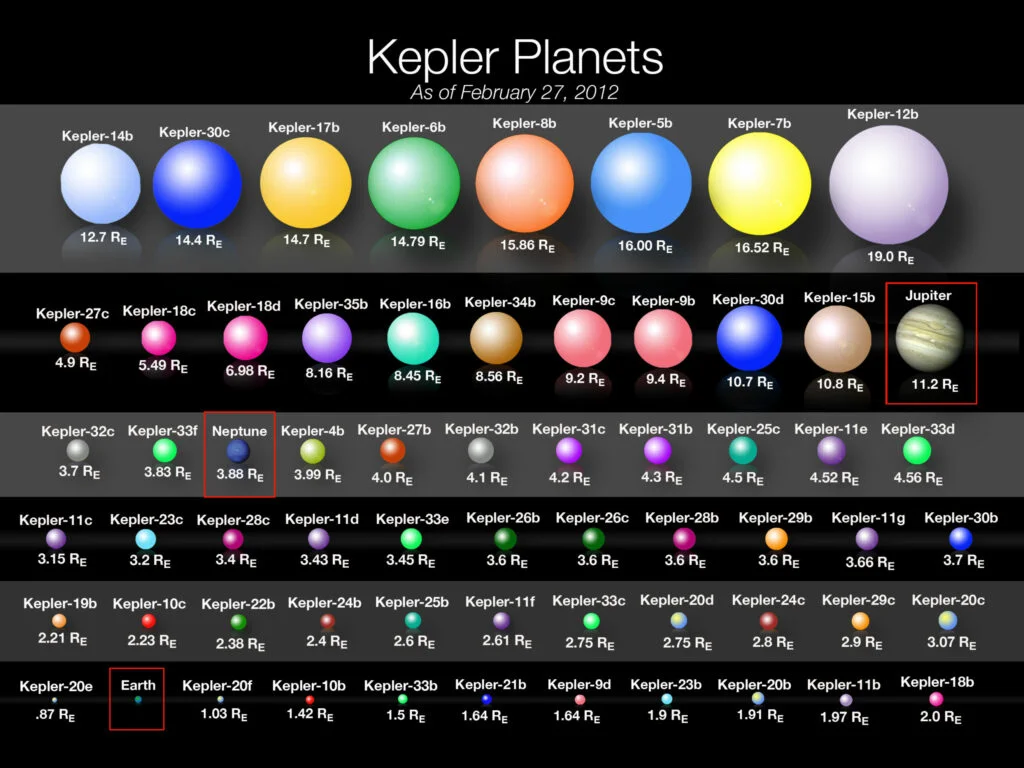
How many planets are outside our solar system?
5,000+
22
New cards
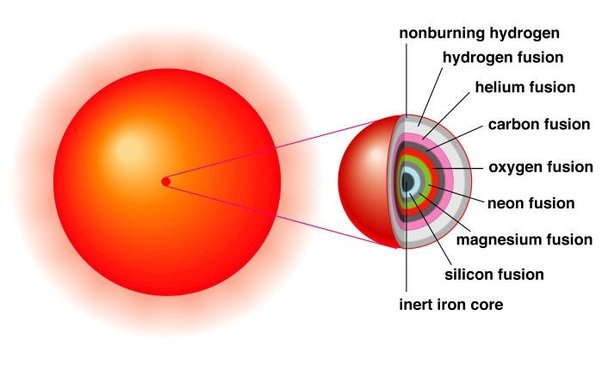
What are stars made of?
Hydrogen & Helium & they generate energy through nuclear fusion.
23
New cards
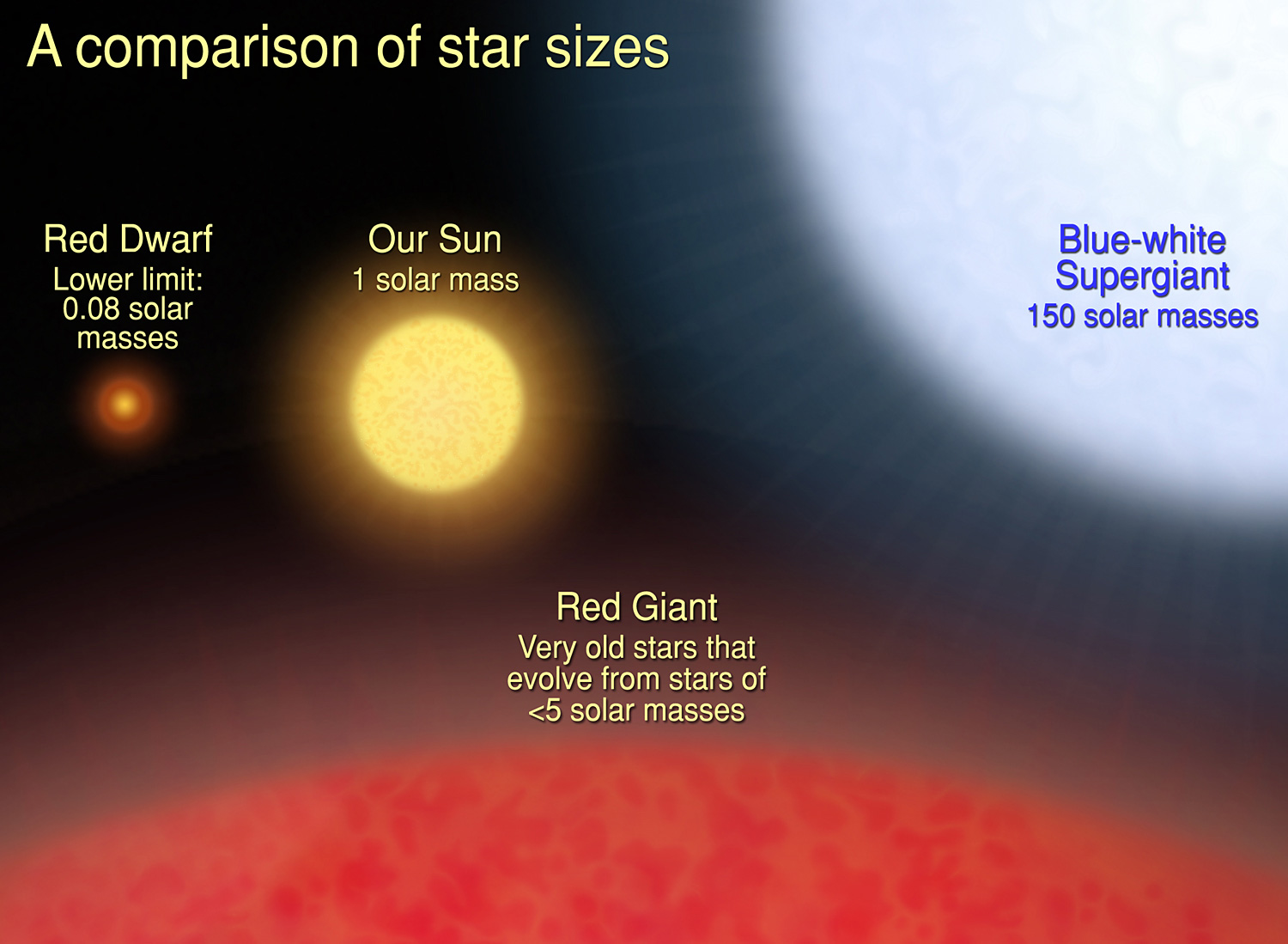
How big is our star compared to others?
In the middle, not too big or small!
24
New cards
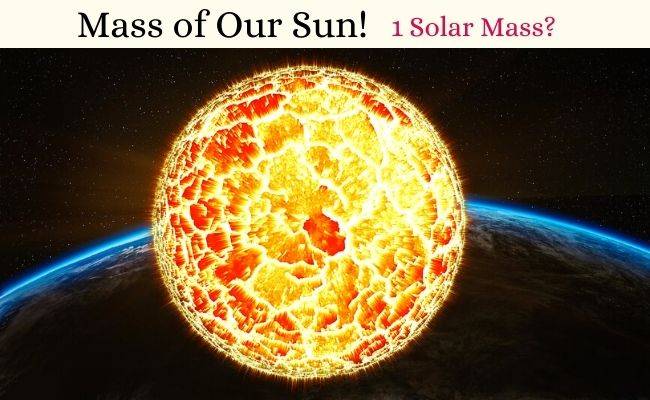
What is solar mass?
A measuring unit for stars typically ranging from 0.1 - 100. Our sun is 1 solar mass.
25
New cards
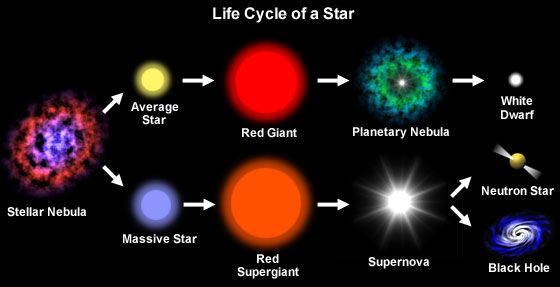
What is the star life cycle?
They are born, live, and die!
26
New cards
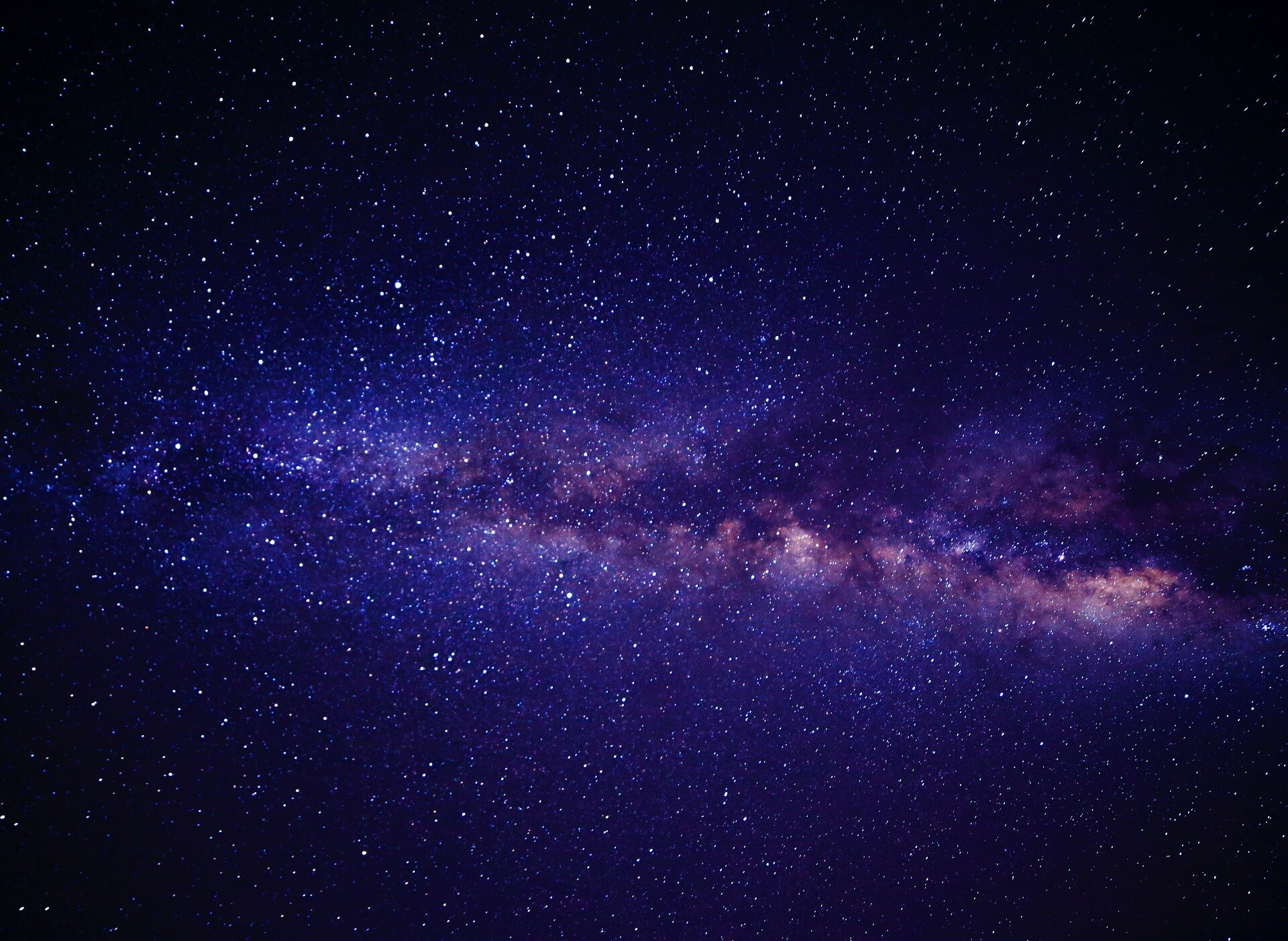
What is a galaxy?
A massive gravitationally bound system of stars and stellar remnants, gas, dust, planets, and dark matter.
27
New cards
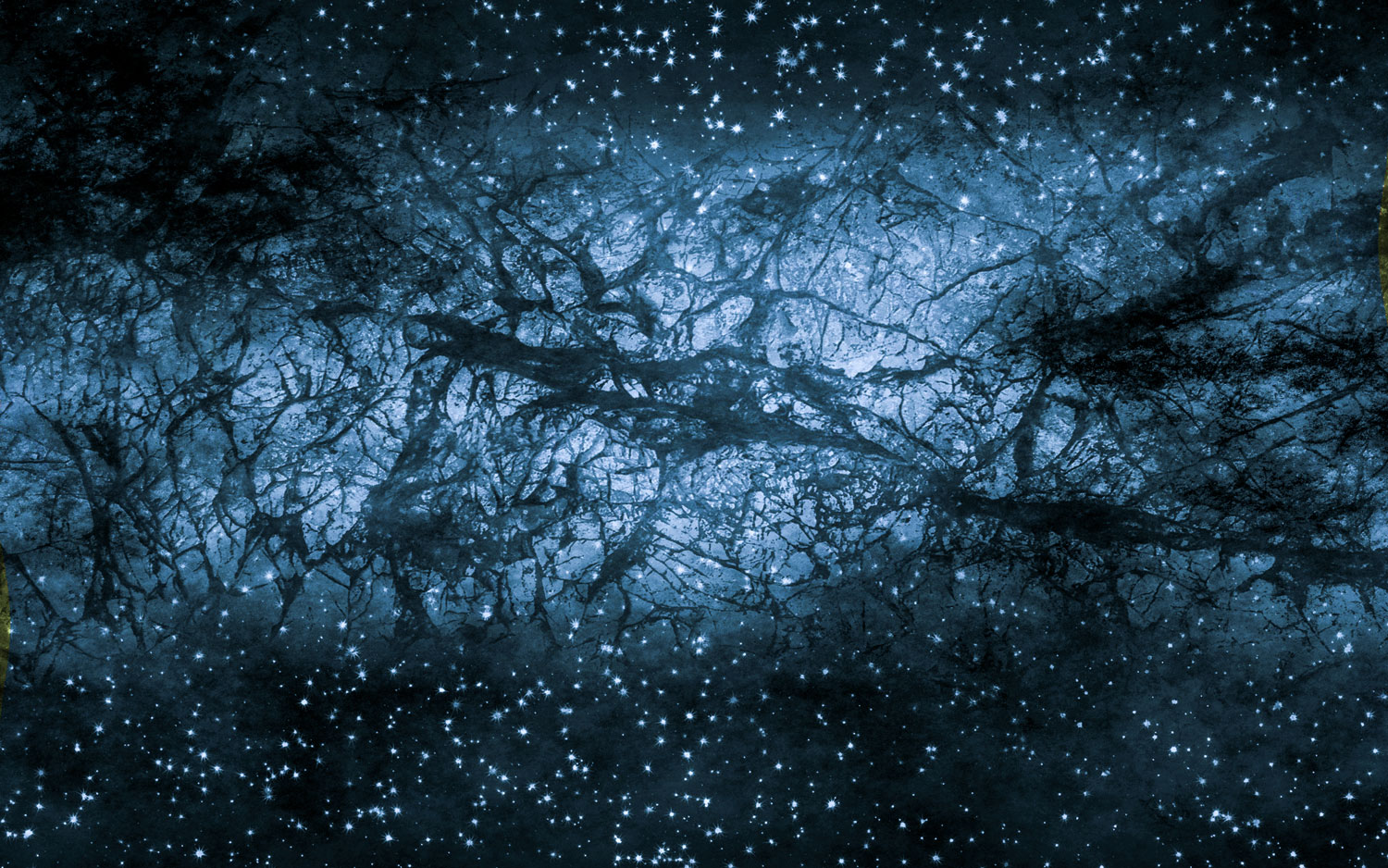
What is dark matter?
Dark matter is matter that you can’t see but whose gravity affects visible matter and background radiation.
28
New cards
How many stars are in our galaxy?
100-400 billion stars.
29
New cards
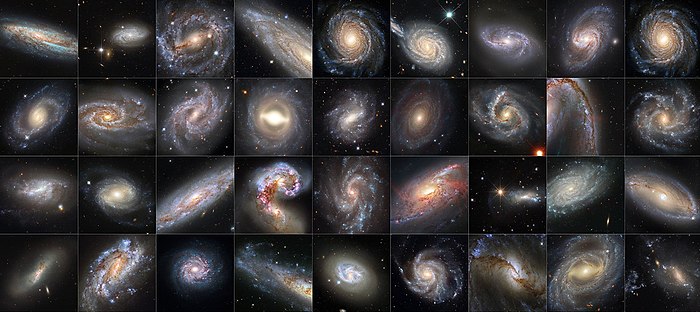
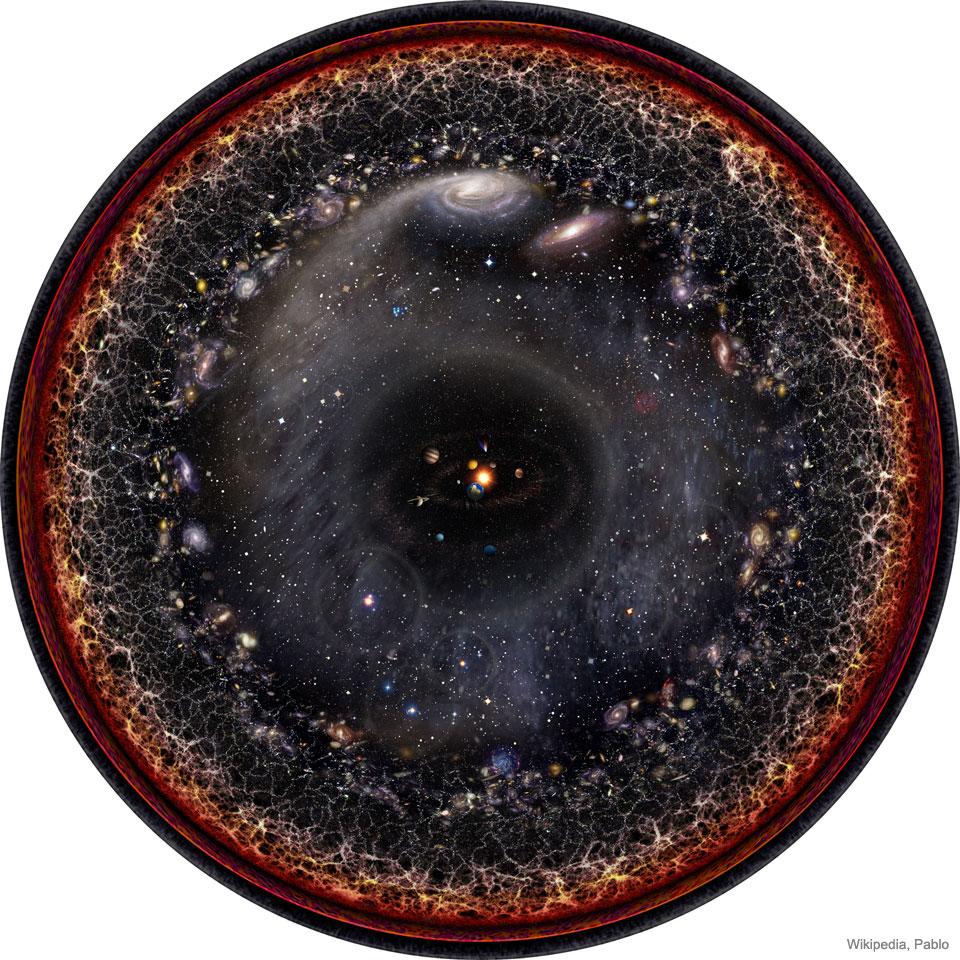
How many galaxies are there?
Some studies argue that there are more than 2 trillion galaxies in the observable universe.
30
New cards
What is the observable universe?
It is all galaxies and matter that we can theoretically observe!
31
New cards
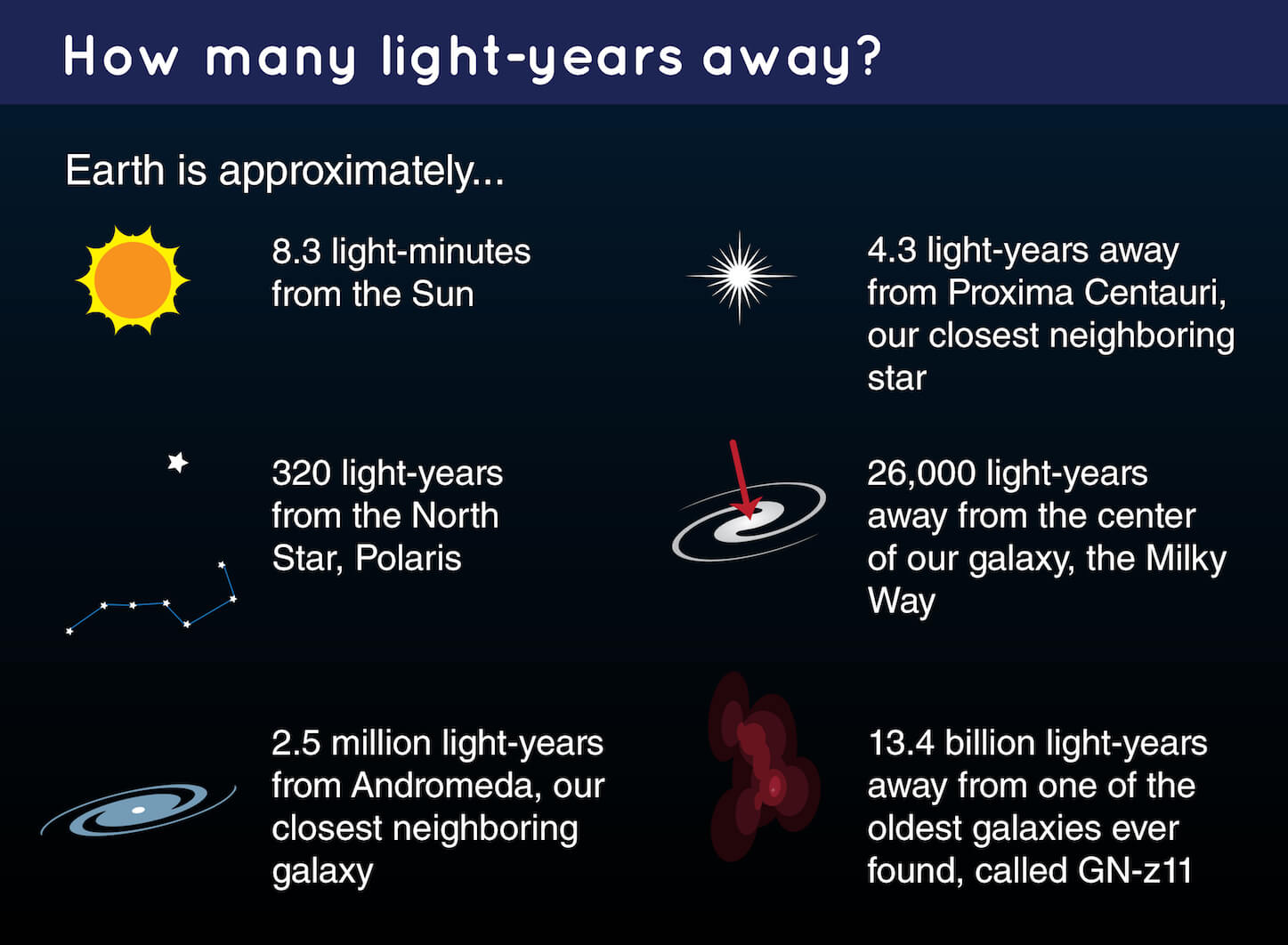
What is a lightyear?
A lightyear is a unit of measurement that represents the distance that light travels in a year.
32
New cards
How fast does light travel?
Light travels at a speed of 300,000,000 m/s in a vacuum
33
New cards
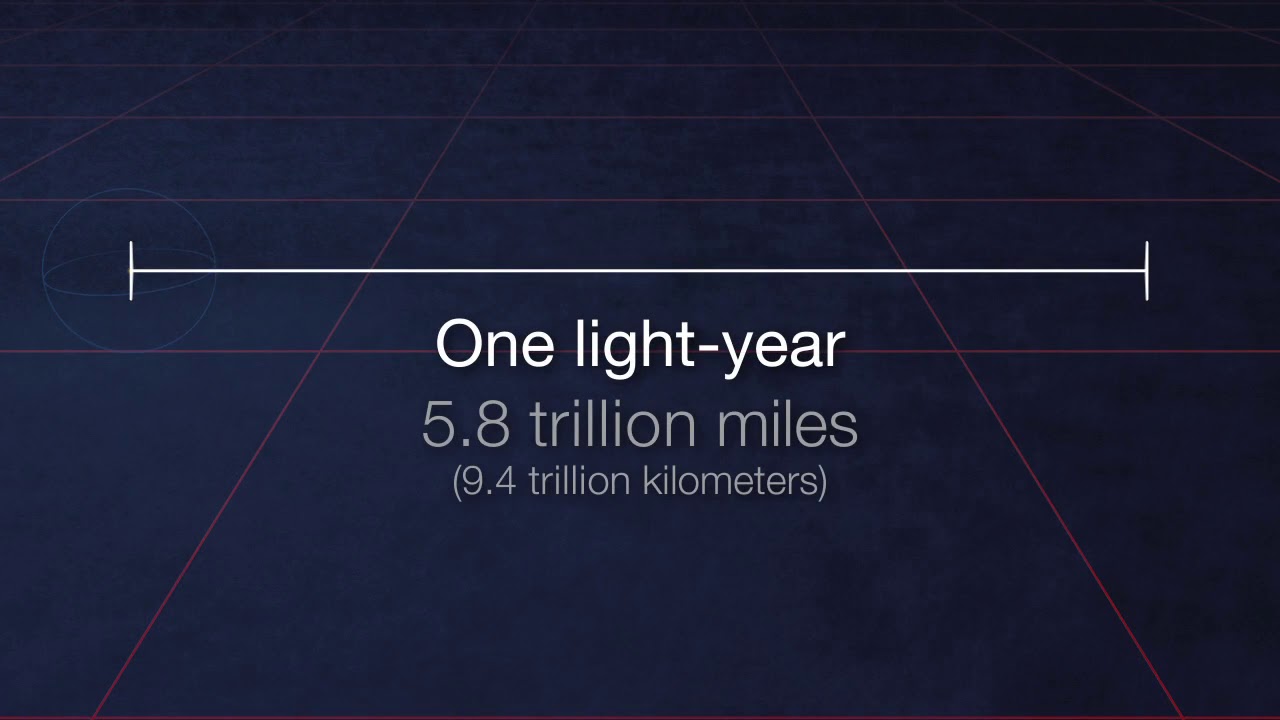
How much is a light year?
1 light year = 10,000,000,000,000,000 meters
34
New cards
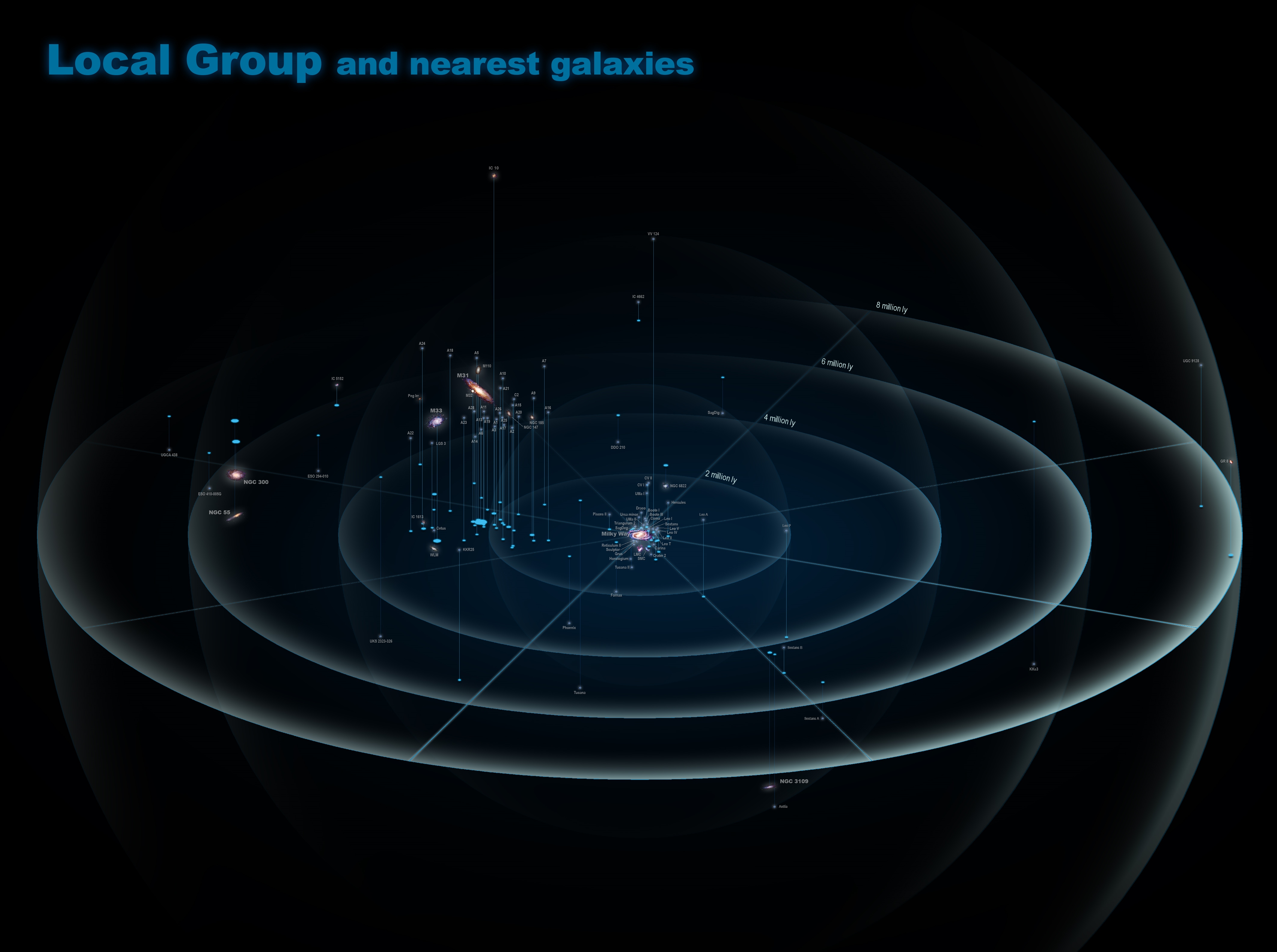
What is the local group?
A gravitationally bound group of galaxies that the Milky Way is a member of. It Contains more than 30 galaxies.
35
New cards
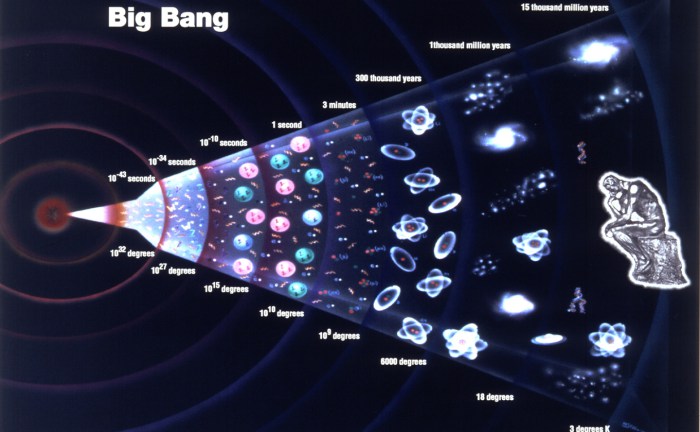
What is the big bang?
The event that started the Universe!
36
New cards
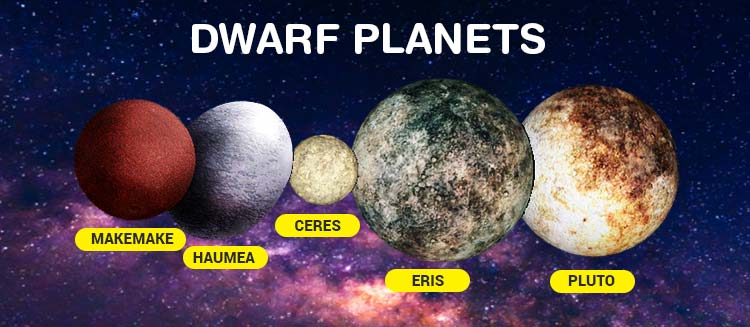
How many dwarf planets are there? What are their names?
5! Ceres, Pluto, Eris, Makemake, and Haumea
37
New cards
What was the IAU XXVIth General Assembly?
IAU is the International Astronomical Union
Prague
August 14-25, 2006
About 2,400 astronomers attended the meeting
400 People voted
Prague
August 14-25, 2006
About 2,400 astronomers attended the meeting
400 People voted