Recognize Basic Atomic Structure
 Call Kai
 Learn
Learn Practice Test
 Spaced Repetition
 Match
Match Flashcards
 Knowt Play
1/22

There's no tags or description
Looks like no tags are added yet.
Name | Mastery | Learn | Test | Matching | Spaced | Call with Kai | Chat |
|---|
No analytics yet
Send a link to your students to track their progress
23 Terms
What is an atom?
the basic building block of all matter in the universe

What is the periodic table?
table of elements arranged in columns and rows by increasing atomic number

What is a proton? (say where it’s found)
A positively charged atomic particle found in the nucleus

What is a neutron? (say where it’s found)
An atomic particle with no electric charge found in the nucleus
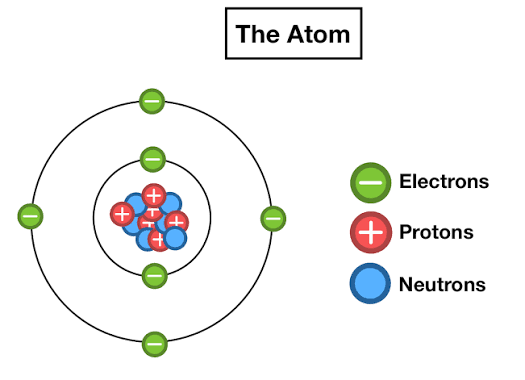
What is an electron? (say where it’s found)
A negatively charged atomic particle found in the electron cloud
What is the nucleus (of an atom)? What does it include?
The central part of an atom that contains the protons and neutrons

What are isotopes?
Atoms of the same element with different numbers of neutrons but the same numbers of protons and electrons
What is atomic mass?
The sum of the proton mass + neutron mass (in one atom of an element)
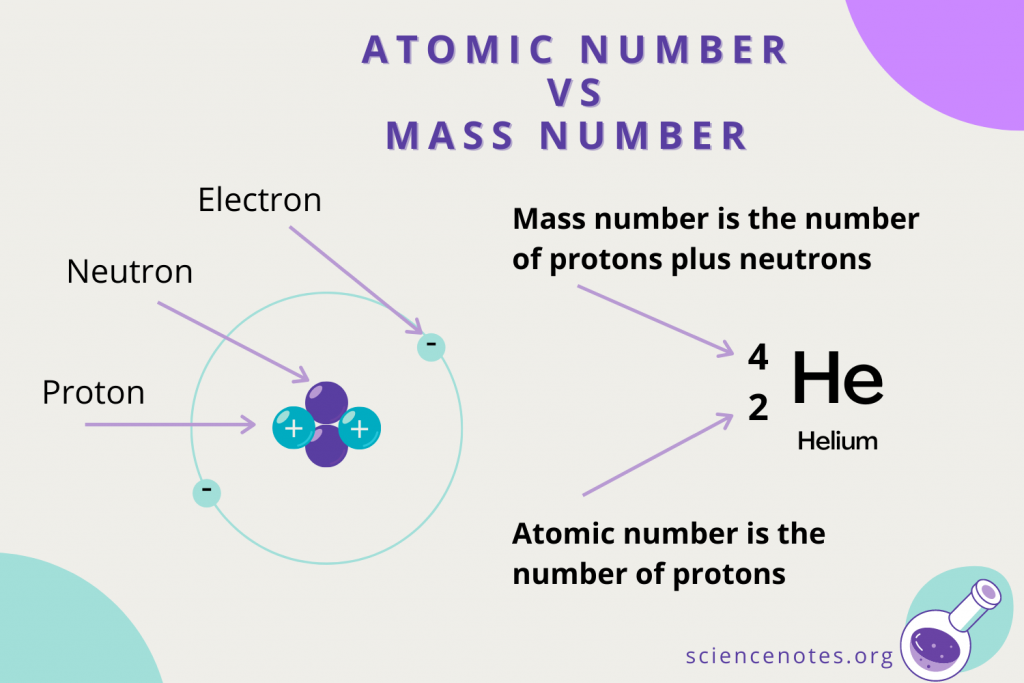
What is the atomic number?
The number of protons in the nucleus of an atom

What is an ion?
A positively or negatively charged atom/molecule

What is a group (in the periodic table)? What makes each group significant?
A column of elements that share the same number of valence electrons

What is a period (in the periodic table)? What makes it significant?
the horizontal rows that indicate the total number of energy shells
What is an orbital? What can be found here?
An area around the nucleus where an electron can be found
What is a nonmetal? Does it tend to gain or lose electrons?
Any element or substance that is not a metal; tends to gain electrons

What is a metal (define it’s traits, does it lose or gain electrons?)
A good conductor of electricity and heat that tends to lose electrons and form cations

What is an anion?
A negatively charged ion

What is a cation?
A positively charged ion
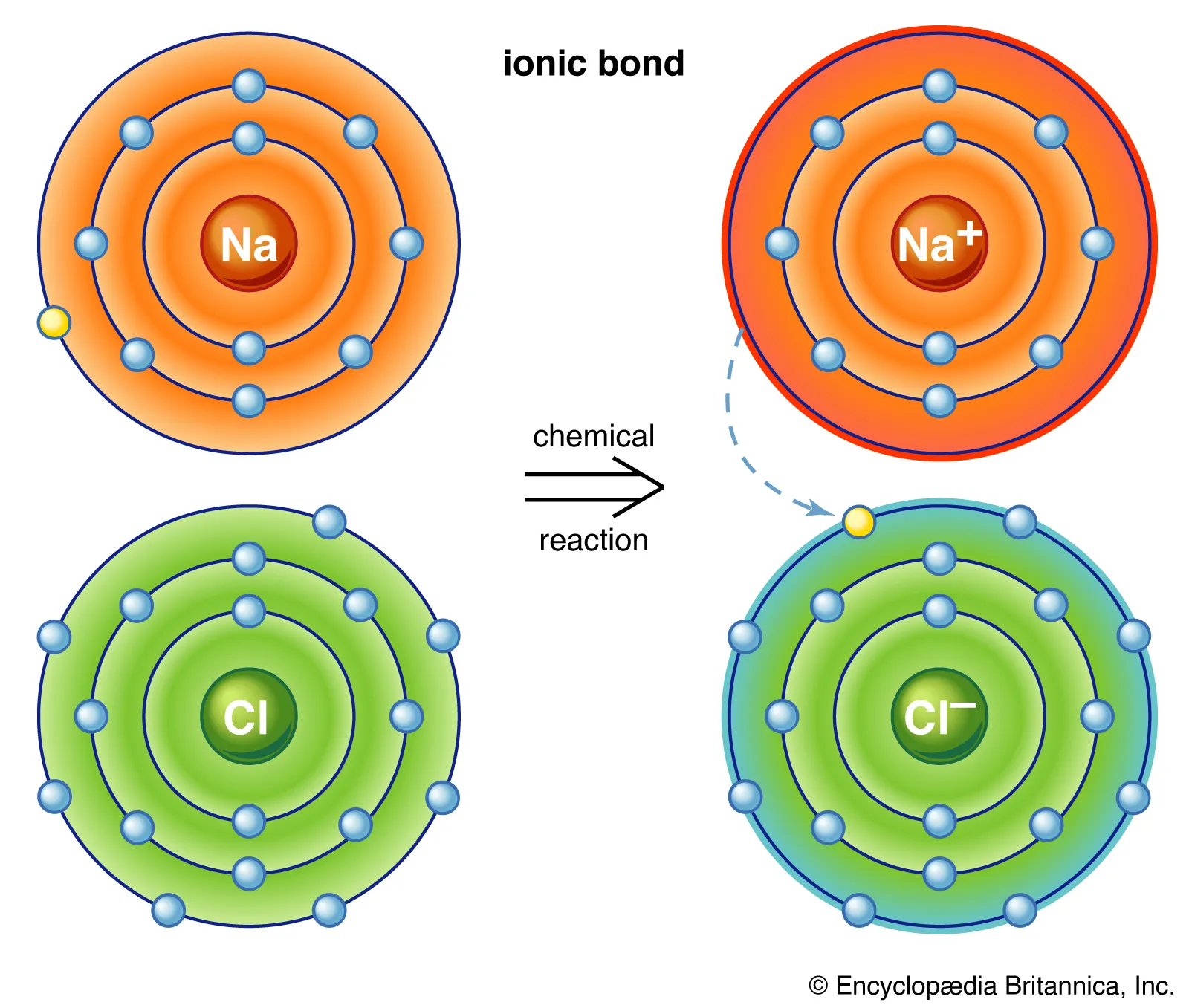
What is an ionic bond? (explain how it’s formed)
A bond formed by the transfer of electrons between oppositely charged ions

What is a covalent bond?
A chemical bond where electron pairs are shared between atoms

What is a valence electron? What does it participate in?
An electron in the outermost shell of an atom that participates in bonding

What is a noble (inert) gas?
An element with a full valence shell that rarely reacts with other atoms
Elements in the same columns have similar: (2)
chemical properties and valence electron configurations
(for test, say chemical properties b/c textbook answer)