3. anorectal disease
 Call Kai
 Learn
 Practice Test
 Spaced Repetition
 Match
 Flashcards
 Knowt Play
1/65

Earn XP
Description and Tags
Rectal cancer → CT + PELVIC MRI → often neoadjuvant therapy before surgery if locally advanced.
66 Terms

dentate (pectinate) line
What structure separates the change between the skin of the anus and mucosal lining of the rectum?

visceral innervation (autonomic)
primarily through the inferior hypogastric (pelvic) plexus.
Sympathetic: L1–L2 → lumbar splanchnic/hypogastric pathways
Parasympathetic: S2–S4 pelvic splanchnic nerves
*** NO PAIN
innervation above the dentate

Somatic: S2–S4
Inferior rectal nerve → pudendal nerve*
Very sensitive to pain, temperature, and touch
innervation below the dentate

columnar epithelium
cell type of anus above dentate

stratified squamous
cell type of anus below the dentate

smooth muscle (involuntary)
muscle type of the internal anal sphincter

skeletal muscle
(voluntary, pudendal nerve)
muscle type of the external anal sphincter

puborectalis muscle
muscle that creates the anorectal angle and maintains stool continence

anorectal angle
Region of rectum that passes through pelvic diaphragm

puborectalis
relaxation of this muscle allows defecation

Anal columns of Morgagni
Vertical mucosal folds above dentate line
House hemorrhoidal vessels

80-100 degrees
Memory:
~90° holds it;
>110° lets it go.
what is a normal anorectal angle?
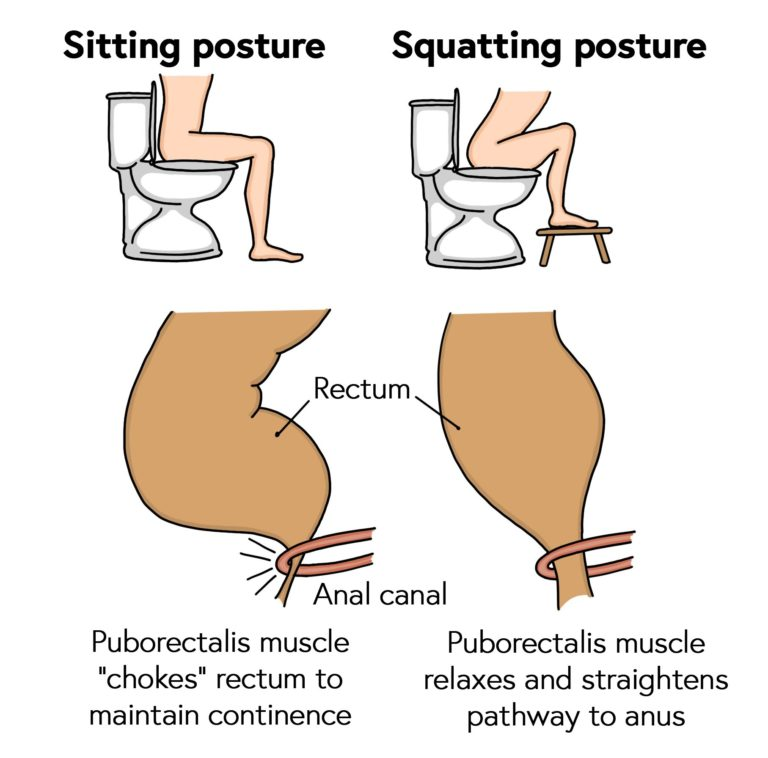
Increased (straightened) → incontinence
Decreased → constipation/obstruction
what is the significance of the anorectal angle
Vaginal delivery (levator ani injury)
Aging
Chronic ↑ intra-abdominal pressure (obesity, constipation)
Pelvic surgery
structural causes of pelvic floor disorders
Pudendal nerve damage
Spinal cord disease
Diabetes (autonomic neuropathy)
neurologic auses of pelvic floor disorders
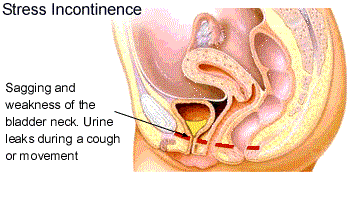
↑ Intra-abdominal pressure
→ bladder pressure exceeds urethral closure pressure
→ urine leakage
mechanism of stress incontinence

detrusor overactivity
mechanism of urge incontinence

retention--> leakage
mechanism of overflow incontinence
BPH, neurogenic bladder
causes of overflow incontinence
impaired mobility/cognition (ex: dementia)
cause of functional incontinence
External sphincter injury (OB trauma)
Pudendal neuropathy
Rectal prolapse
Chronic diarrhea
primary causes of fecal incontinence
Type | First-line treatment {conservative} |
|---|---|
Stress | Pelvic floor (Kegel) exercises + weight loss/lifestyle modification |
Urge | Bladder training + pelvic floor exercises |
Overflow | Treat retention/underlying cause → catheterization if significant retention |
Functional | Scheduled/prompted voiding + address mobility/environmental barriers |
first line management of incontinence
stress-
urge -
overflow -
functional -
Stress: midurethral sling / other procedures; pessary can be used in selected patients
Urge: antimuscarinic (e.g., oxybutynin) or β3 agonist (mirabegron)
Overflow from BPH: treat BPH (e.g., tamsulosin) and relieve significant retention
second line tx for incontinence
stress -
urge -
overflow -
urge incontinence
involuntary leakage of urine with a sudden, strong desire to urinate

pessary
appliance of varied form, introduced into the vagina to support the uterus or to correct any displacement

sling procedures
surgical procedures for stress incontinence
Weak stream
Hesitancy
Incomplete emptying
Overflow incontinence
clinical features of urinary obstruction
foley catheter
acute treatment of urinary obstruction
α1-blockers (tamsulosin)
5α-reductase inhibitors (finasteride)
primary pharm treatments of BPH--> urinary obstruction
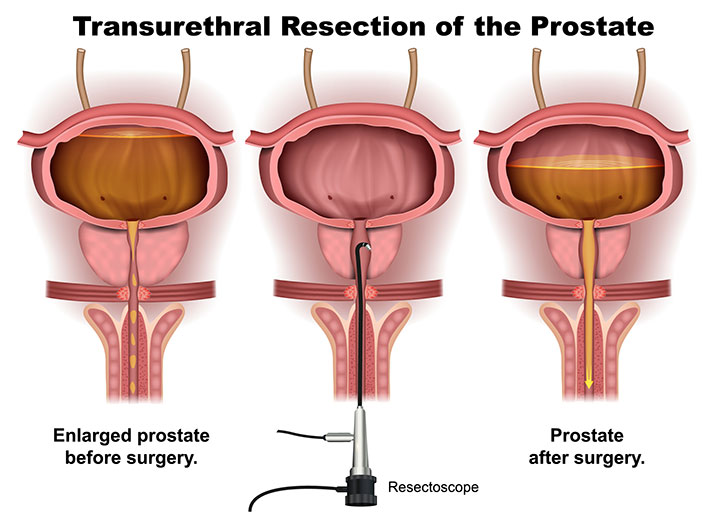
TURP
= widens the prostate thru the pee pee
surgical treatment of BPH for urinary obstruction

Mucosal prolapse
Only the rectal mucosa protrudes
Often associated with hemorrhoids
Internal rectal prolapse (rectal intussusception)
Rectum telescopes into itself
Does not protrude through the anus
Complete/full-thickness rectal prolapse
Entire thickness of rectal wall protrudes through anus
Classic finding: concentric/circular folds
Rectal prolapse → concentric folds
Prolapsed internal hemorrhoids → radial folds
Memory: Rectal = Rings; Hemorrhoids = Radial.
name the types of rectal prolapse
Chronic constipation/straining
Pelvic floor weakness
Neurologic disease
Elderly women (most common demographic)
primary causes of rectal prolapse
concentric: rectal prolapse
radial folds of prolapsed: hemorrhoids
concentric vs radial anal folds
rectal prolapse
“Something coming out” of rectum
Concentric folds
Fecal incontinence
Mucus discharge
Stool softeners
Fiber
Pelvic floor therapy
conservative treatment of rectal prolapse

definitive surgery for rectal prolapse
Perianal abscess
Fistula-in-ano
Hidradenitis suppurativa
Crohn's perianal disease
quick associations:
Painful fluctuant mass → Abscess → I&D
Chronic draining opening after abscess → Fistula-in-ano
Recurrent groin/perineal boils + sinus tracts + scars → Hidradenitis
Multiple/complex perianal fistulas + GI symptoms → Crohn's
inflammatory causes of perianal pain

anal fissure
most COMMON cause of severe pain with defecation
thrombosed external hemorrhoid
hard, painful, irreducible, blue mass protruding from the anal canal.

pilondial disease
a hair-containing abscess/sinus in the intergluteal cleft

levator ani syndrome
idiopathic dull ache possibly resulting from dysmotility of the muscles supporting the rectum and anus
bright red blood on toliet paper,
painless
bleeding associated with internal hemorrhoids
anoscopy
exam indicated for internal hemorrhoids
rubber band ligation (internal)
procedure in management of internal hemorrhoid
excision if <72 hours
mild or >72 hours — conservative mngmt
-
Conservative treatment
NSAIDs/analgesia
Sitz baths
Stool softener / fiber
Hydration
Avoid straining
management of thrombosed external hemorrhoid
small amount of bright red blood
painful asf
bleeding associated with anal fissure

posterior midline
most common location of anal fissure
fiber, sitz bath
second line: nitroglycerin or CCB
first line management of anal fissure

a surgical procedure in which a small portion of the internal anal sphincter muscle is cut to relieve pressure and promote healing in patients with chronic anal fissures.

perianal fistula
a small, abnormal tunnel connecting an infected anal gland to the skin near the anus
commonly causing pain, swelling, and persistent pus-like discharge

perianal fistula
-chronic anal drainage
-mild pain, minimal bleeding
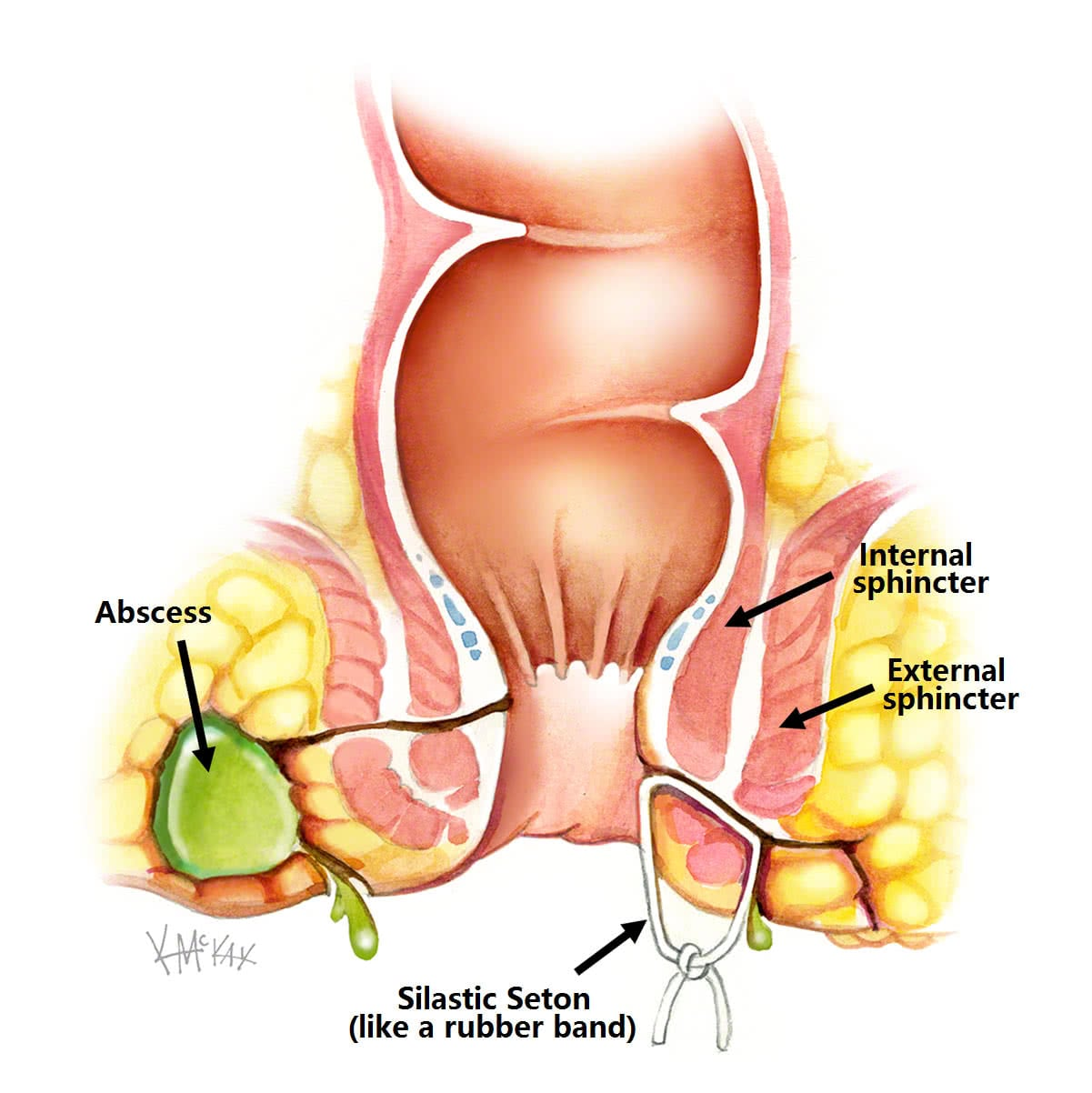
Surgical (fistulotomy/seton)
Treat underlying Crohn’s if present
treatment of perianal fistula

perianal abscess
collection of infection within or adjacent to the perianal space
-severe, constant, throbbing pain
-fluctuant erythematous mass
🚨 Immediate incision & drainage (DO NOT delay)
Antibiotics if immunocompromised
treatment of perianal abscess
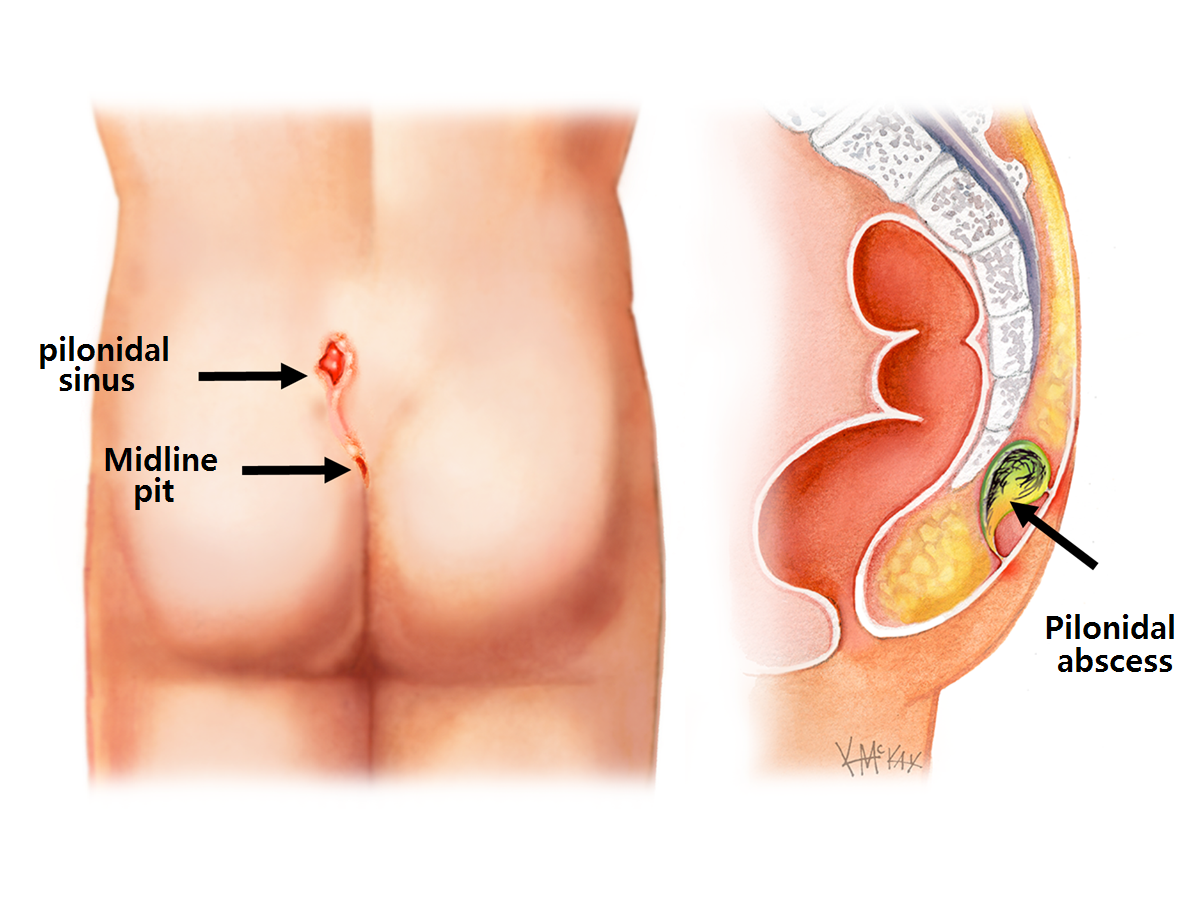
Midline sacrococcygeal (NOT anal)
typical location of pilonidal disease

Hair + debris → sinus
cause of pilondial disease
Acute: I&D
Chronic: excision
treatment of pilonidal disease

apocrine gland obstruction
what causes hidradenitis suppurativa
Antibiotics
Biologics (severe)
Surgery if refractory
treatment of hidradenitis suppurativa
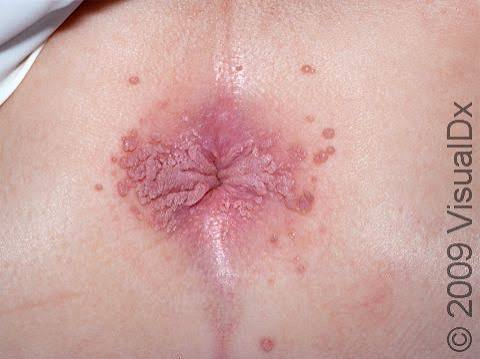
perianal condyloma
most commly HPV 6 & 11
(high ca risk 16,18 —> SCC)
painless cauliflower like lesions
(anal warts)
Topical (imiquimod)
Cryotherapy / excision
treatment of perianal conduloma
fistulas, abscesses, fissures
perianal findings of Crohn's disease
HPV, immunosuppression
primary risks of anal tumors
Chemoradiation (NOT surgery first)
management of anal tumors
evaluate internal hemorrhoids, tumors
what is anoscopy used for?


proctoscopy
procedure for looking at the anus and rectum;
deeper rectal pathology than anoscopy