Chapter 11 Protozoans Common
 Call Kai
 Learn
 Practice Test
 Spaced Repetition
 Match
 Flashcards
 Knowt Play
1/23

There's no tags or description
Looks like no tags are added yet.
24 Terms
Giardia species:
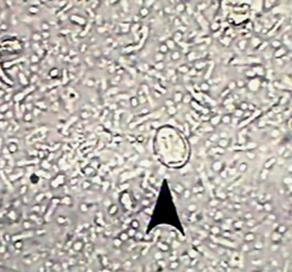
Common name giardia very zoonotic protozoa that infects the intestinal mucosa of dogs cats horses ruminants and exotic species. Transmission is through the ingestion of cysts and is diagnosed via fecal flotation. Treated with metronidazole, carnidazole, albendazole, and fenbendazole.
Cystoisospora species
Protozoan that infects the small intestines of canines felines and swine. Common name is coccidia and transmission is through ingestion of sproulated oocysts. Diagnosed through fecal flotation or direct smear. Treated with sulfadimethoxine (albon)

Toxoplasma gondii
Zoonotic protozoan that infects felines (other animals and humans incidental parasite) located in the intestines. Transferred through ingestion of sporulated oocyst and tissue cyst. Diagnosed by standard fecal float and immunodiagnostic tests. Treated with sulfadiazine and pyrimethamine and clindamycin. SIGNIFICANT PATHOGEN in humans especially pregnant women.

Cryptosporidium species
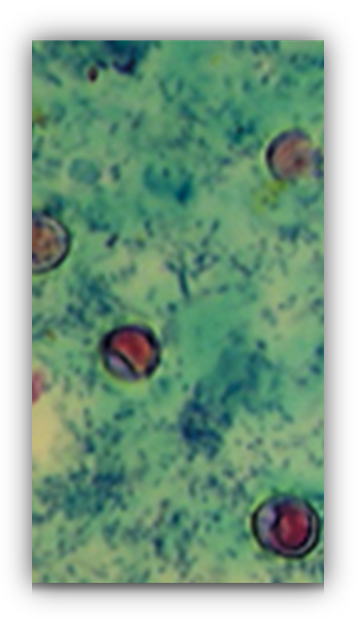
ZOONOTIC protozoan that infects canines, felines, ovine, swine, avians, guinea pigs, snakes, and mice. Located in the small intestine and transferred through ingestion of oocysts. They are diagnosed by fecal flotation although fecal smears and stains can be helpful in diagnosing. Treatment is just supportive care and _________ parvum is the most common of the species.
Leishmania species
Protozoan that infects canines common name is the same as scientific and the intermediate hose is phlebotomine sand flies. Location is in cells of the speen and other organs and WBCs. Transmission is via a bite from the intermediate host and treatment is allopurinol amphotericin b meglumine antimoniate.

Trypanosoma cruzi:
Protozoan that lives in humans and occasionally canines. They are located in the peripheral blood and are transferred by ingestion of the kissing bug or its feces. They are diagnosed by direct blood smears. (known as a hemoprotozoan because it swims within the blood)

Babesia canis:
Protozoan infecting canines intermediate host is ticks. They are located within the RBCs and transferred via a bite from an infective intermediate host. Clinical signs are pale membranes, hemoglobinemia, splenomealgy and other nasties. Diagnosed by stained blood smears and treated with Imidocarb phenamidine trypan blue and supportive care. Common name is first part of scientific name. If not treated quickly the animal dies.

Cytauxzoon felis:
Protozoan that infects felines (bobcats are the definitive/reservoir host) and the intermediate host is ticks. They are located within the RBCs and are transferred via a bite from the intermediate host. Clinical signs are fever anemia dehydration etc. PROGNOSIS IS POOR. They are diagnosed via stained blood smears and are treated with diminazine aceturate or imidocarb. Greater survival rates are with atovaquone and azithromycin combo. Common name is first word of the scientific name.

Hepatozoon canis
Protozoan that infects canines intermediate host is the rhipicephalus sanguineus. Located within the WBCs and transferred by ngestion of intermediate host. Less fatal than its counterpart and diagnosed by peripheral blood smears. Treatment is TCP + Decoquinate and clindamycin then another round of decoquinate. Common name is the first word of the scientific name.

Hepatozoon americanum
Protozoan that infects canines and is violent and frequently fatal. Intermediate host is the amblyomma maculatum and is located within the WBCs. Transferred by the intermediate host and diagnosed with muscle biopsy “onion cysts”. Treated with TCP and Decoguinate and clindamycin and decoguinate again. Common name is same as first word of scientific name.

Eimeria species
(Eimeria bovis and Eimeria zuernii):
Protozoan infecting ruminants located in the cecum and colon. Transferred through ingestion of eggs. Clinical signs are diarrhea neurologic signs and death. Diagnosed by fecal floatation and usually noted as coccidia as is the common name. Treated with decoquinate lasalocid and monensin.

Cryptosporidium species:
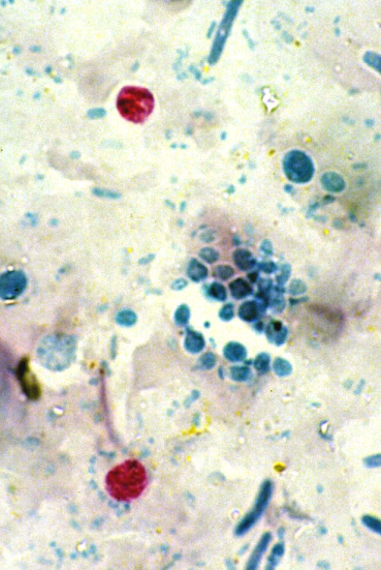
Protozoan infecting canines, felines, bovines, swine, avians, guinea pig, snakes, and mice and located in the small intestine. Transferred by ingestion of eggs and diagnosed via fecal flotation and stained fecal smears. Treatment is supportive care VERY ZOONOTIC
Babesia bigemina:
Protozoan infecting bovines that is a REPORTABLE DISEASE. Intermediate host is boophilus annulatus and is located within the RBCs. Transferred by the intermediate hosts bite and clinical signs are weakness fever anorexia etc. Diagnosed by a stained blood smear and treatment is dip for ticks, diminazene aceturate and phenamidine. Common name is same as first word of scientific name.

Tritrichomonas foetus:
Protozoan that infects bovines and is located in reproductive areas of bulls and cows. Transmission is through sexual contact with bulls being the primary source of infection. Clinical signs are abortion and diagnosed via observing the protozoan in fluid from aborted fetus, uterine discharge, and washings from reproductive areas. Treated with ipronidazole and metronidazole. Common name is same as first word of scientific name.

Sarcocystis neurona:
Protozoan infecting equines and located in the nervous system. Transferred via ingestion of opossum feces carrying the eggs. Clinical signs are neurological issues and muscle wasting. Diagnosis is via a histopathologic examination and it is treated with trimethoprim sulfadiazine and pyrimethamine. Common name is same as first word in scientific name. Can cause EPM

Cystoisospora suis:
Protozoan affecting swine and located in the small intestine. Transmission route is via ingestion of eggs and clinical signs are weight loss diarrhea and dehydration. Diagnosed via fecal flotation and treated with decoquinate to sows and sulfamethazine. Common name is coccidia.

Giardia psittaci:
Protozoan affecting avians located in the intestinal mucosa. Transferred via ingestion of eggs and diagnosed with fresh saline mounts. MOST COMMON PROTOZOAN SEEN IN PET BIRDS. associated with skin conditions.

Histomonas meleagridis: “Blackhead”
Protozoan affecting turkeys peafowl chickens and pheasants. Intermediate host is heterakis gallinarum and is aquired by eating said intermediate host. Located in the liver and diagnosed via either necropsy or histopath of the liver.
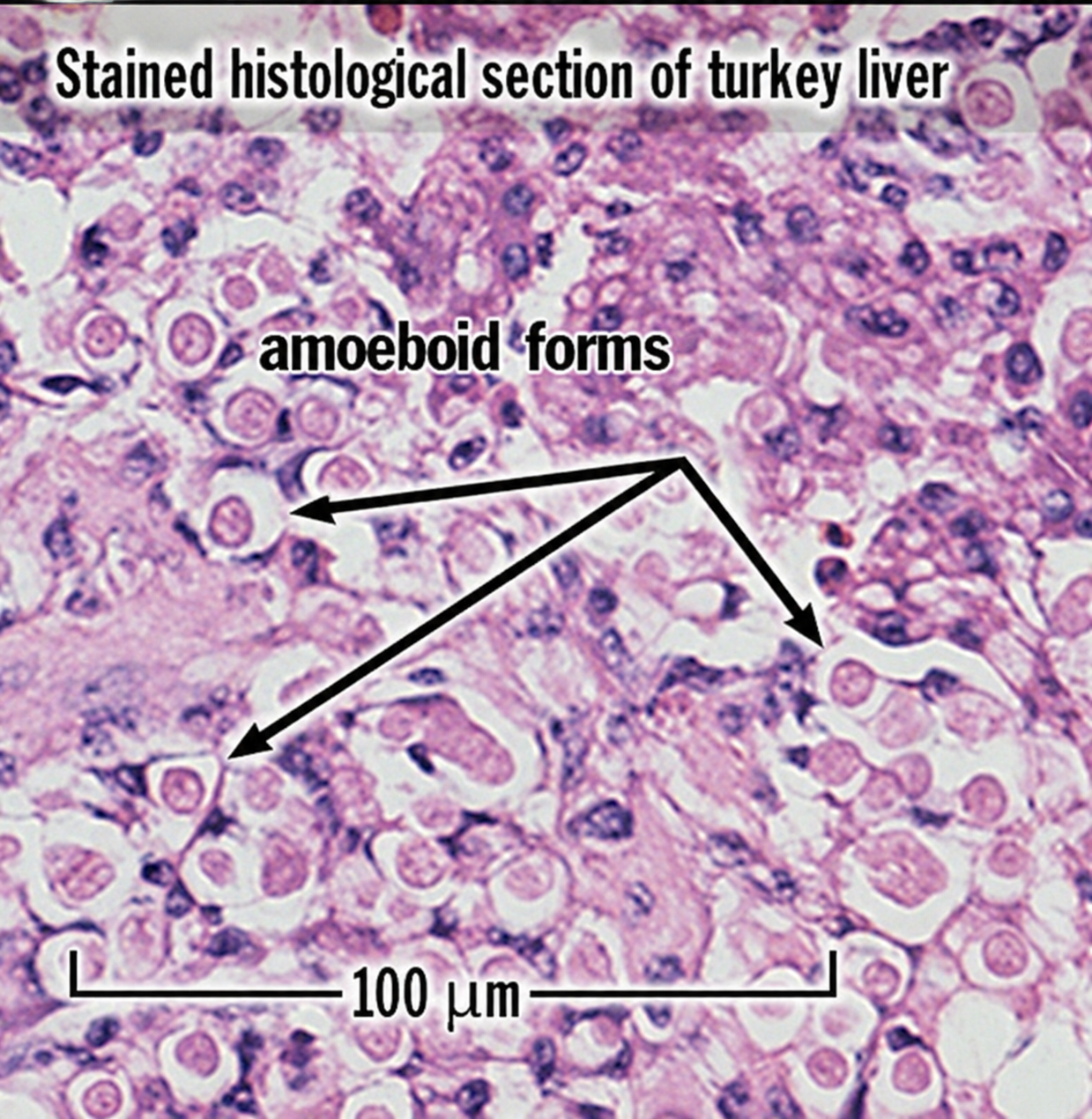
Trichomonas gallinae:
Protozoan affecting pigeons doves poultru and raptors located in the crop of said birds. Transferred via direct contact with contaminated water or infected bird. Diagnosed via crop washes and swabs and treated with dimetridazole ipronidazole and metronidazole. Common name is same as first word of scientific name.

Haemoproteus species:
Protozoan affecting cockatoos green winged macaws and some conures located within the birds blood cells. Transferred via a bite from infected culicoides or chrysops fly. Rarely associated with clinical disease but is very deadly to wild waterfowl.
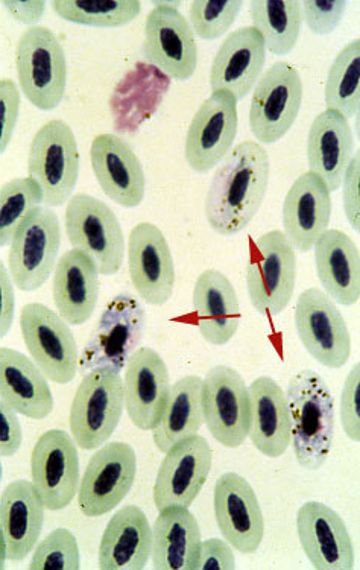
Plasmodium species:
Protozoan affecting avians intermediate host is the mosquito and lives in the red blood cells. Transferred via a bite from the intermediate host and dagnosed with a stained blood smear. Common name is avian malaria. This is the etiologic agent of avian malaria.
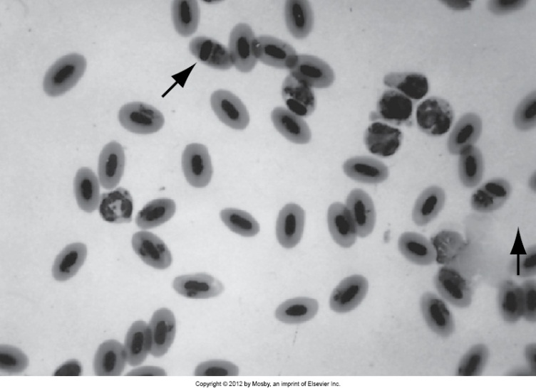
Leucocytozoon species:
Protozoan affecting raptors and lcoated within the white blood cells. Transferred via a bite from infected black flies. May be associated with a leukocytosis and greatly distorts the appearance of white blood cells.
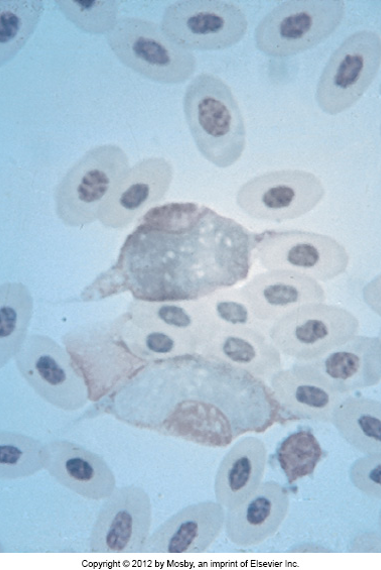
Eimeria species:
Protozoans affecting rabbits and can be located in small and large intestines or bile ducts. Transferred via ingestion of eggs and diagnosed via recognition of the eggs along with clinical signs (diarrhea excessive thirst dehydration.) HIGHLY pathogenic.

Ichthyophthirius multifiliis:
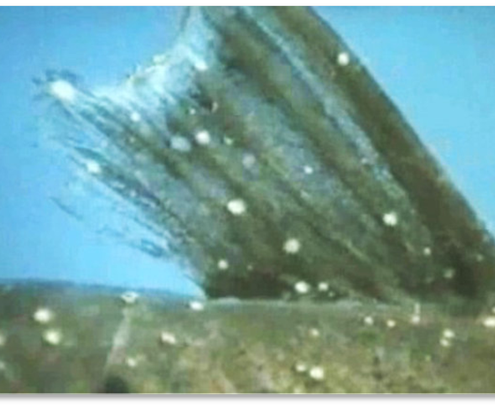
Protozoan infecting fish located in the skin gills fins and eyes. Transmission is via contact with infective stage and diagnosed with observation of typical lesions and skin scrapes. The parasite causes ichthyophthiriosis or ICH. Tiny white spots along body.