Assessment of Intelligence Exam 2
 Call Kai
 Learn
Learn Practice Test
 Spaced Repetition
 Match
Match Flashcards
 Knowt Play
1/108

There's no tags or description
Looks like no tags are added yet.
Name | Mastery | Learn | Test | Matching | Spaced | Call with Kai | Chat |
|---|
No analytics yet
Send a link to your students to track their progress
109 Terms

-Important to gain trust
-Tailor language to child
-Testing environment should be aesthetically pleasing but not distracting
-Encourage and guide them
Issues to consider when establishing rapport with children
Vocabulary (VC)
Subtest on the WISC-V that best represents g

-Do not provide choices you cannot honor
-Explain testing to parent and child
-Child should be tested without parent
-Test limits only after entire test has been administered
-Do not come off as condescending
-Privacy issues with confidentiality
Considerations when testing children

WISC-IV
-2003
-10 core subtests
-5 supplementary subtests

10
How many primary subtests are on the WISC-V?

6
How many secondary subtests are on the WISC-V?

5
How many complementary subtests are on the WISC-V?

-Update theoretical foundations
-Developmental appropriateness
-Increase user friendliness
-Improving psychometric properties
-Enhance clinical utility
What were the major revision goals of the WISC-V?

-More neuro-focused
-New measures of visual spatial ability and working memory
-PRI split into VSI and FRI
-Improved verbal comprehension and processing speed measures with composites for each
How did the WISC-V update theoretical foundations?

-Further simplification of verbatim subtest instructions
-Increased demo, sample, and teaching items
-More clarifications to aid in scoring
-Reduced number of block design items with time bonus
How did the WISC-V improve developmental appropriateness?

-Reduce testing time to approximately 65 mins for 10 primary subtests
-Simpler test admin and scoring directions
-Reduced discontinue rules (mostly 3 consecutive 0s and earlier discontinuance)
-Redesigned stimulus books
-Copyright protections of items by replacing from earlier versions
How did the WISC-V increase user-friendliness?

Reducing number of items and earlier discontinuance
How did the WISC-V reduce testing time to approximately 65 minutes for the 10 primary subtests, in order to improve user-friendliness?

-Norms
-Improved reliability and validity
-Improved floors and increased ceilings
-More testing of item bias
-More options for critical value levels
How did the WISC-V improve psychometric properties?

2012 US census (data collection 2013-2014)
What were the norms based on to improve psychometric properties in the WISC-V?

-13 special group studies
-Subsamples administered either K-TEA-3 or WIAKT-III for linkages to achievement testing
-Use of 5 factor test structure
-Current and engaging artwork and items
-Redesigned processing speed
-Change in score difference comparison method
-New NVI
-Additionally ancillary scores, process scores, and complementary subtests
How did the WISC-V enhance clinical utility?
The FSIQ/7 subtests or to mean primary index score/10 subtests
What is the change in score difference comparison method relative to?

6:0-16:11
Age range for WISC-V

7
How many primary subtests needed to obtain the FSIQ?

10
How many primary subtests needed to obtain the primary index scores?

11
How many additional subtests make up the ancillary and complementary scales on the WISC-V?

FSIQ
What is the only scale substitutions are allowed for on the WISC-V?

-FW
-VP
-PS
-NSL
-NSQ
-IST
-DST
-RST
What are the new subtests on the WISC-V?

Visual Puzzles
Which subtest(s) can Block Design be substituted for?

-Information
-Comprehension
Which subtest(s) can Similarities be substituted for?

Picture Completion
Which subtest(s) can Matrix Reasoning be substituted for?
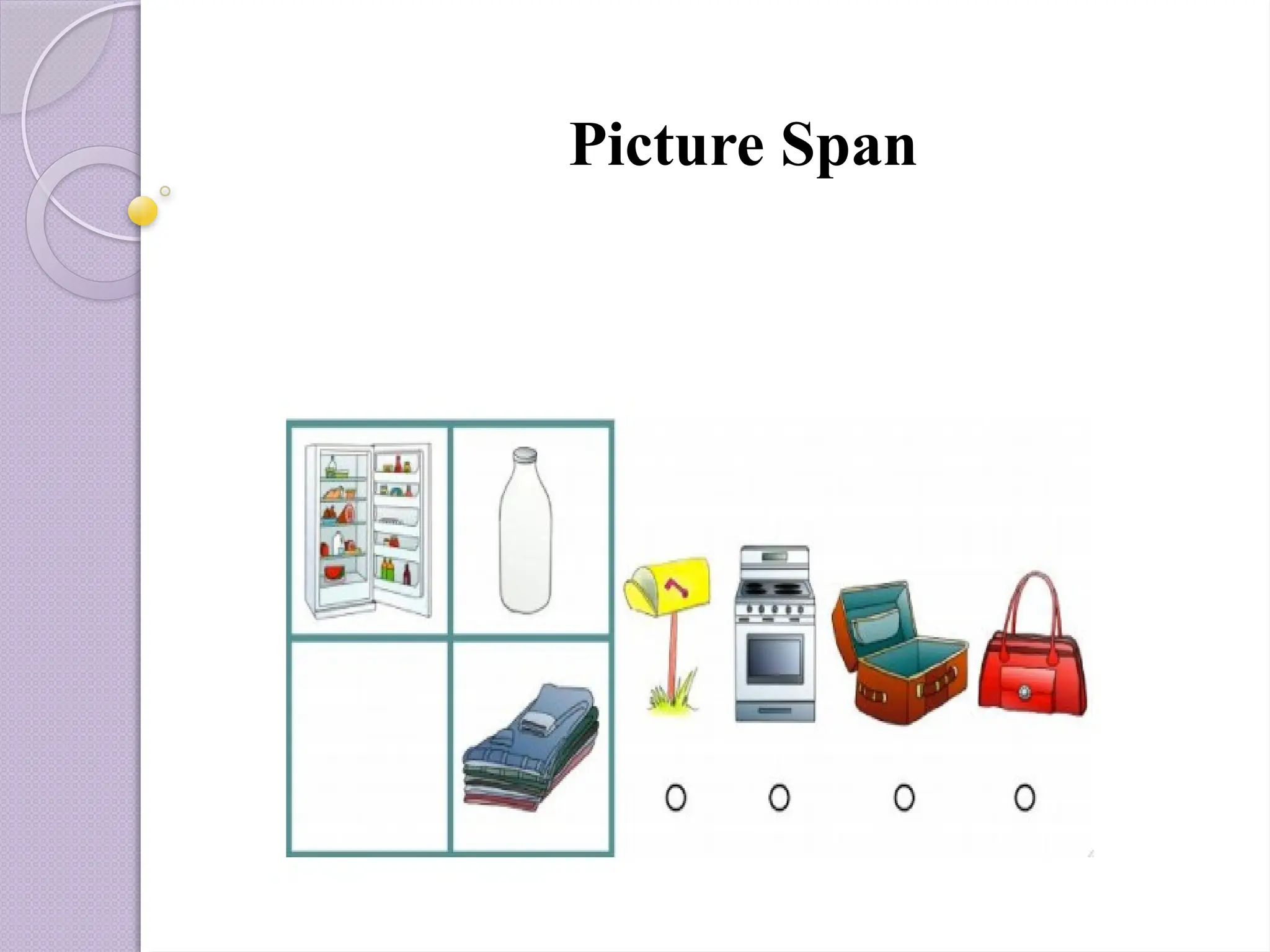
-Picture Span
-Letter Number Sequencing
Which subtest(s) can Digit Span be substituted for?

-Symbol Search
-Cancellation
Which subtest(s) can Coding be substituted for?

-Information
-Comprehension
Which subtest(s) can Vocabulary be substituted for?

-Picture Completion
-Arithmetic
Which subtest(s) can Figure Weights be substituted for?
-Similarities
-Vocabulary
Which subtests make up the Verbal Comprehension Index (VCI)?

-Block Design
-Visual Puzzles
Which subtests make up the Visual Spatial Index (VSI)?

-Matrix Reasoning
-Figure Weights
Which subtests make up the Fluid Reasoning Index (FRI)?

-Digit Span
-Picture Span
Which subtests make up the Working Memory Index (WMI)?

-Coding
-Symbol Search
Which subtests make up the Processing Speed Index (PSI)?

-Figure Weights
-Arithmetic
Which subtests make up the Quantitative Reasoning Index (QRI)?

-Digit Span
-Letter Number Sequencing
Which subtests make up the Auditory Working Memory Index (AWMI)

-Block Design
-Visual Puzzles
-Matrix Reasoning
-Figure Weights
-Picture Span
-Coding
Which subtests make up the Nonverbal Index (NVI)?

-Similarities
-Vocabulary
-Block Design
-Matrix Reasoning
-Figure Weights
Which subtests make up the General Ability Index (GAI)?

-Digit Span
-Picture Span
-Coding
-Symbol Search
Which subtests make up the Cognitive Proficiency Index (CPI)?
Complementary Index Scales
-Naming Speed Index (NSI)
-Symbol Translation Index (STI)
-Storage and Retrieval Index (SRI)


-Naming Speed Literacy
-Naming Speed Quantity
Which subtest(s) make up the Naming Speed Index (NSI)?

-Immediate Symbol Translation
-Delayed Symbol Translation
-Recognition Symbol Translation
Which subtest(s) make up the Symbol Translation (STI)?

-Naming Speed Index
-Symbol Translation Index
Which indexes make up the Storage and Retrieval Index (SRI)?

Index scores
Is the SRI derived from index or subtest scores?

Normative Sample
-2,200 children
-11 age groups
-Equal males and females in each group
-4 main geographic regions of english speaking children from 2013-2014

Population percent
What was each age group’s ethnicity breakdown in the normative sample based on?

Parental Education Level
The normative sample was stratified according to?

Symbol Search
Which subtest has the lowest reliability at .81?

Figure Weights
Which subtest has the highest reliability?

1.34 (SS) to .73 (FW)
What is the subtest SEM range?

Verbal Comprehension Index (VCI)
Which index has the highest test-retest reliability?

Picture Completion
Which subtest had the lowest test retest reliability at .71?

Vocabulary
Which subtest has the highest test retest reliability at .90?

-Mean = 10
-SD = 3
What is the mean and standard deviation of the scaled scores?

-Mean = 100
-SD = 15
What is the mean and standard deviation of the standard scores?
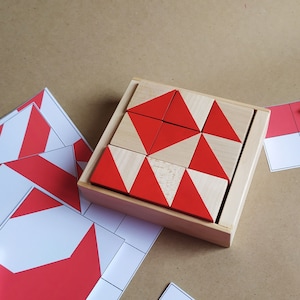
BDn
Scaled process score based on the child’s performance on Block Design without time-bonus points

NSco
Naming Speed Literary process score derived from Item 1 performance, and only for 6-year-olds

NSsco
Naming Speed Literacy process score derived from Item 2 performance available to children ages 6-8

NSIn
Naming Speed Literacy process score derived from Item 3 performance available to children ages 7-8.

-”You’re working hard”
-”I like the way you keep trying your best”
Praises

“That was a hard one, but this next one may be easier.”
What do you say if a child performs poorly on an an entire subtest and is clearly aware if it.

“Just try your best”
What do you say if the child says he or she cannot perform a task or answer a question?

“I want to see how well you can do it.”
What do you say if the child asks for help?

Temporarily suspend the subtest and administer the next one. Return when child appears to be more engaged and attained some degree of success in testing.
What do you do if a child refuses to respond to a particular subtest?

20-30 minutes
How long after the administration of Immediate Symbol Translation should Delayed Symbol Translation be administered?

1 week
How long is it preferred to administer the second session if the administration must be broken up?

Item 1
Where should children suspected of having an intellectual disability or low cognitive ability start?
Scoring children suspected of intellectual disability
Regardless of the child’s performance on items preceding the start point, full credit is awarded for preceding items if perfect scores are obtained on the age-appropriate start point and subsequent item.

Cumulative raw score after a set number of items have been administered
What is the discontinue criterion based on for Immediate Symbol Translation?

The same decision point as Immediate Symbol Translation
What is the discontinue criterion based on for Delayed Symbol Translation and Recognition Symbol Translation?

Do not award points for those items
What do you do if additional items were administered to ensure that a subtest was not discontinued prematurely?

0s on all trials within a single item
What is the discontinue criterion for DS and LNS?

Stop at the child’s particular age
What is the discontinue criterion for NSL and NSQ?

“Do you have an answer?”
What do you say if a child has no response after 30 seconds?

“Let’s try another one”
What do you say if the child does not respond?

Items 20-34 and pause the time.
Which items on AR are allowed repition?

2 consecutive scores of 0
What is the discontinue criterion for Block Design?

“Work as fast as you can”
What do you say if the child hesitates or seems to be playing with the blocks on BD?

Each one should have a different side facing up
How should the blocks be presented for Item 1 on BD?

Only one block should have a red/white side facing up
How should the blocks be presented for Items with 4 blocks on BD?

Only 2 blocks should have a red/white side facing up
How should the blocks be presented for items with 9 blocks on BD?

Approximately 7” from the child’s edge of the table and to the left if right handed and to the right if left handed
How should the Stimulus Book be placed in BD?

“Make yours over here”
What do you say when the child occasionally attempts to construct the design on top of the Stimulus Book?

“See it goes this way.”
How do you correct a rotation error in BD?

Within approximately 30 seconds
When do you say “do you have an answer?” during Matrix Reasoning?
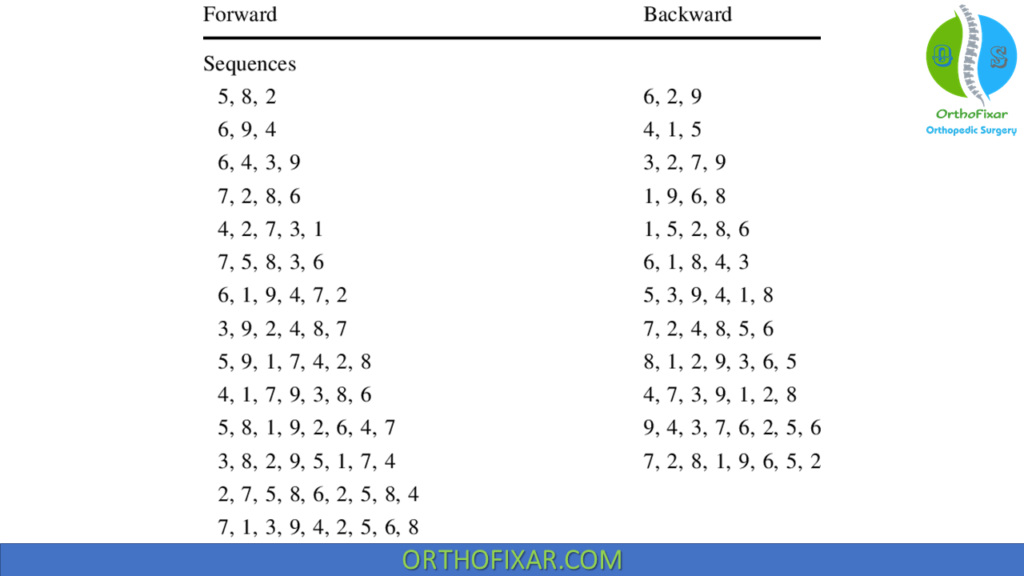
“I can only say them one time. Just take your best guess”
What do you say if a child asks you to repeat a trial on Digit Span?

Place an extra response booklet to the right of the child’s response booklet so the extra key is aligned with the key in the child’s response booklet
What do you do if a left-handed child partially blocks the key with his or her left hand while completing the sample item during coding?

When there are 10 seconds left
When do you say “do you have an answer?” for Figure Weights?

“You do not have to choose them in order"
What do you say if the child asks if their response has to be provided in numerical order on Visual Puzzles?

After 20 seconds
When do you say “do you have an answer?” in Visual Puzzles?

3 consecutive scores of 0
What is the discontinue criteria for Picture Span?

3 seconds
How long do you expose the stimulus page for Sample A to Item 3 on picture span?

5 seconds
How long do you expose the stimulus page for Item B to Item 26 on picture span?

“Keep looking at this page. I’ll turn the page when it’s time.”
What do you say if the child tries to turn the stimulus page before exposure time expires?

“Remember the pictures in order, starting with this one.”
What do you say if it suggests that the child is memorizing the pictures in reverse order on Picture Span?

LPSs Raw Score
Number of pictures on the stimulus page for the last item assigned a perfect score

LPSr Raw Score
Number of pictures on the response page for the last item assigned a perfect score.

3 consecutive scores of 0
Discontinue criterion for Picture Concepts

Approximately 30 seconds
When do you say “do you have an answer?” in Picture Concepts?

45 seconds
Discontinue criterion for Cancellation