Honors Biology Unit #3
 Call Kai
 Learn
Learn Practice Test
 Spaced Repetition
 Match
Match Flashcards
 Knowt Play
1/47

There's no tags or description
Looks like no tags are added yet.
Name | Mastery | Learn | Test | Matching | Spaced | Call with Kai | Chat |
|---|
No analytics yet
Send a link to your students to track their progress
48 Terms
Cell Theory Part 1
All ohrganisms are made up of cells (single or multicellular). (ONE)
Cell Theory Part 2
Cells are the basic unit of life: they form the smallest structural and functional unit’s required for an organism to live (TWO)
Cell Theory Part 3
New cells come from existing cells: cell multiply and divide rather them forming spontaneously
Cell Theory Part 4
All cells have DNA or genetic material (FOUR)
Cell Theory Part 5
Cells arise from previously existing cells (FIVE)
Cell Theory Part 6
cells use energy to sustain life (SIX).
Prokaryotic Cells
No nucleus (they do have a nucleoid = nuclear void).
No membrane-bound organelle
Unicellular and small (0.1 - 5.00 um)
DNA is in the cytoplasm
Circular (single loop) DNA
Bacteria, Archaea
Eukaryotic Cells
Membrane-bound organelle: Nucleus, Chloroplast, Golgi, Lysosome, ER, and Vacuole.
Multi or Unicellular
Larger (10 -100 um)
Linear (multiple chromosomes) in DNA
Animals, Plants, Fungi, Protists
Unicellular
consists of a single cell
Unicellular Structure
simple structure where all life tasks happen inside of one cell (feeding, growing, reproducing.
Unicellular Reproduction
Usually reproduce asexually by splitting into 2 (binary fission).
Unicellular Examples
Amoeba, Parameium, Bacteria
Multicellular is
always Eukaryotic
Multicellular
consists of 2 or more cells (can be millions and trillions of cells)
Multicellular Structure
form a complex structure from cells to organisms, where the cells divide the work.
Multicellular Reproduction
often reproduce sexually using special reproductive cells (sometimes asexually)
Multicellular Examples
Animals, Plants, Fungi
Organelle
tiny functional component inside of a cell (nucleus, mitochondria, lysosome, etc.)
Cell
Fundamental unit of life!
The Order of Organisms
Cell - Tissue (group of similar cells) - Organ (group of tissues) - Organ System- Human

Nucleus
the BRAIN of the cell, stores DNA. Outside the nucleus is a nuclear membrane, making it a membrane-bound organelle.

Nucleolus
a part of the nucleus that is primarily responsible for making proteins

Golgi Apparatus
(post office of the cell) sorts and packages molecules to be shipped in and out of the cell. It modifies proteins from the RER and lipids from the SER for transportation. MEMBRANE BOUND.
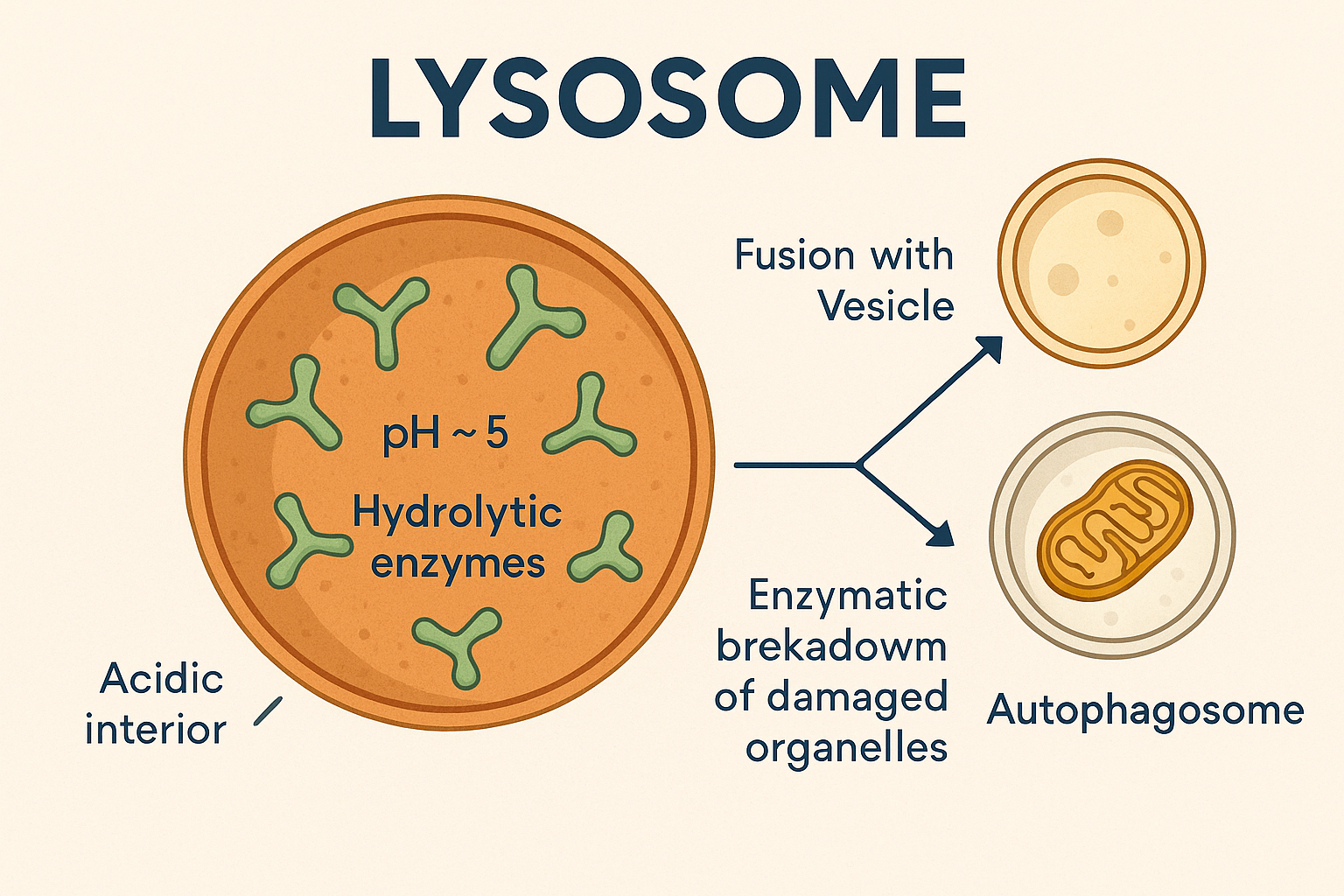
Lysosome
(janitor) breaks down structures like old organelles or carbohydrates through enzymes in their structure. MEMBRANE BOUND

Mitochondria
powerhouse of the cell, as it produces ATP through cellular respiration (converts glucose from plants into energy). MEMBRANE BOUND

Rough ER
typically has ribosomes on it, makes and synthesizes proteins, and is often represented next to the nucleus MEMBRANE BOUND

Smooth ER
No ribosomes, makes lipids, carbohydrates and hormones needed for our body and monitors our blood sugar/cholestrtol. MEMBRANE BOUND

Vacuole
storage containers of the cell that store water, nutrients, and waste materials, maintaining the cells internal pressure (plant cells use the Vacuole for their structure where a full Vacuole = a healthy plant cell). MEMBRANE BOUND

Cell Membrane
it controls what enters or exits a cell, also known as a phospholipid bilayer or plasma membrane. (selectively permeable)

Ribosomes
make proteins from genetic info and are either free floating or attached to the RER

Cytoplasm
jelly-like fluid that lies in the free space of a cell. Hold organelles in place.
Organelles Only in Plant Cells
Chloroplast and Cell Wall

Chloroplast
the primary site of photosynthesis were light energy is captured and turned into sugars. Contains chloropphyll.

Cell Wall
thick barrier that shields the cell from physical damage, allows a plant to grow tall and maintain their shape against gravity (prevents plant cells from bursting when hydrated).
Prokaryotic and Eukaryotic share…
Ribosomes ,Cytoplasm, Cell Membrane, Cell Wall, DNA
Prokaryotic Organelles
Nucleoid and Capsule
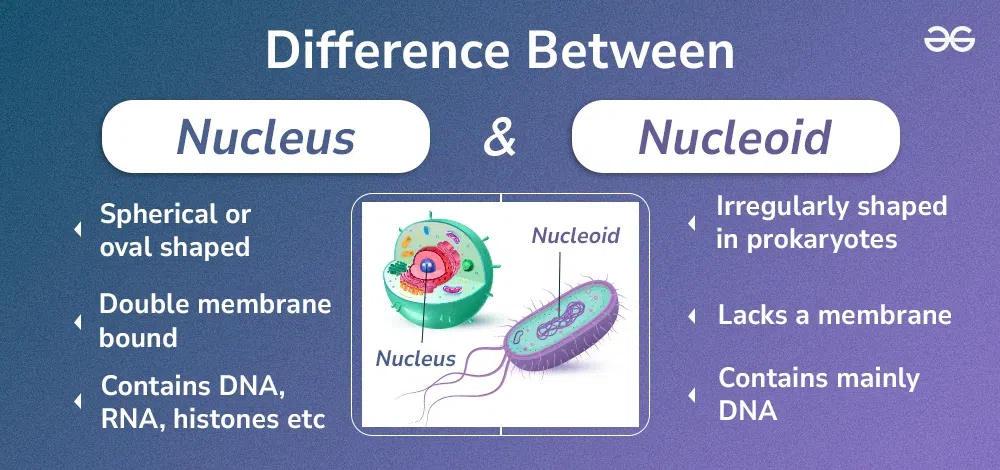
Nucleoid
(nucleus void) an open area in the cytoplasm where the cells single DNA molecules if stored (no protective membrane).

Capsule
a sticky outer layer found in some bacteria that helps them stick to surfaces

Cilia
hair like structures on the outside of a cell

Flagellum
tail like structure
What is an organelle only found in animal cells?
Centrioles

Centrioles
organelles formed from microtubules and help make spindle fibers for cell division.

Nuclear Pores
where molecules like mRNA seep out of the nucleus
A group of specialized cells working together is called a…
TISSUE
A group of specialized TISSUES working together is called an…
Organ
A group of specialized organs that work together make up an…
Organ System
Specialized Organ Systems that work together form an…
Organism
Homeostasis
A living things ability to maintain a stable or partially stable internal environment regardless of internal or external factors (temperature, blood pressure, disease control, etc.).