hale exam 2 lecture 2 part 2 [start angina drug deck] and also lecture 3
 Call Kai
 Learn
 Practice Test
 Spaced Repetition
 Match
 Flashcards
 Knowt Play
1/53

There's no tags or description
Looks like no tags are added yet.
54 Terms

Verapamil HCl (Isoptin, Calan, Verelen) therapeutic use
- sustained-release, oral formulations for the treatment of HTN,
- management of chronic stable angina & Prinzmetal's angina
- treatment of AV node dependent supraventricular tachyarrhythmias [PSVT]
Verapamil PK
- significant first-pass metabolism via CYP3A4 oxidation to norverapamil
- norverapamil is active metabolite that contributes to efficacy despite the short half life and poor oral bioavailability of the verapamil
- mostly excreted through kidney and liver as metabolites
- extended release formulation delays time to peak plasma concentration [2 hours to 7 hours]
Verapamil contraindications
- avoid use in patients with severe left ventricular dysfunction
Verapamil warnings/precautions
- can cause or worsen cardiac hypertrophy, heart failure and/or pulmonary edema
Verapamil adverse effects
- patients with liver dysfunction should be monitored for signs of overdosage
Verapamil DDIs
- more significant than those of diltiazem
- caution when co-administering with beta-blockers, antihypertensive drugs, anti-arrhythmia agents
- is a strong inhibitor of CYP3A, so it can cause an increase in plasma levels of other drugs that are significantly metabolized by CYP3A4

Diltiazem HCl (Cardizem)
- sustained release oral formulations for HTN treatment
- management of chronic stable angina
- Prinzmetal's angina
- treatment of AV node dependent supraventricular tachyarrhythmias
diltiazem PK
- significant first-pass metabolism CYP3A4 oxidation to des-acetyl diltiazem, which is an active metabolite that contributes to efficacy
- extended release formulation delays time to peak plasma concentration
diltiazem contraindications
- avoid use in patients following acute MI with pulmonary congestion
diltiazem warnings, precautions and adverse effects
- same as verapamil:
can cause or worsen cardiac hypertrophy, heart failure and/or pulmonary edema
patients with liver dysfunction should be monitored for signs of overdosage
diltiazem DDI
- considered to be less significant than those of verapamil
- exposure can be increased if coadministered with CYP3A4 inhibitors
- moderate inhibitor of CYP3A, so it can cause an increase in plasma levels of other drugs that are significantly metabolized by CYP3A4
dihydropyridine in antianginal therapy
- "vasoselective"
- dilate peripheral blood vessels at concentrations below those that decrease hr and contractility
- reflex stimulation [from lowering BP] can lead to an increased hr
- antianginal effect primarily follows afterload reduction
- generally preferred for treating stable angina when only vasodilation desired: treating concurrent htn or if beta blocker co-administered
phenylalkylamines and benzothiazepines [verapamil and diltiazem] in antianginal therapy
- "non-selective"
- dilate peripheral blood vessel and decrease hr and contractility at similar concentrations
- reflex stimulation from lowering BP is offset by cardiac effects
- used to treat stable angina or 1st line of therapy for Prinzmetal's angina
- caution needed if B-blocker co-administered due to potential additive cardiac effects that could lead to risk of bradycardia/conduction block
verapamil/diltiazem antianginal effect primarily follows from...
- afterload reduction
- reduction of myocardial oxygen demand
- reduction of coronary vasospasm
beta-blockers considerations as antianginals
- are 1st line treatments for stable angina
- clinically demonstrated to reduce the severity and frequency of attacks of stable angina and also improve survival post-myocardial infarction
- selective B1-antagonists/blockers are effective additive therapy for unstable angina/angina
why are beta-blockers effective in angina
- decrease in heart rate and systolic bp prolongs myocardial perfusion and increases blood supply to ischemic regions of the heart
why are selective B1-blockers effective additive therapy for unstable angina
- lower myocardial oxygen demand reduces the chance that transient coronary obstruction will trigger ischemia
- buys time for antiplatelet and anti-thrombotic therapies to address underlying plaque/thrombus
why are selective B1-blockers effective additive therapy for angina
- B2 antagonism can drive bronchoconstriction and vascular smooth muscle constriction
- ion channels and specific coupling to receptors in vascular smooth muscle cells could lead to increase in calcium concentrations inside the cell
B2 agonism leads to
- increased cAMP, which decreases myosin phosphorylation and ultimately results in smooth muscle relaxation
beta blockers in angina
- metoprolol, atenolol, bisoprolol, carvedilol
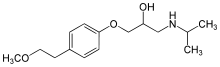
metoprolol in angina
- most commonly used B1 antagonist in the US
- excreted as metabolite through kidney
- may mask tachycardia due to some metabolic disorders, like hypoglycemia and hyperthyroidism
- with prolonged use of beta blockers, your sympathetic nervous system tone goes up and you will have slightly higher basal activity, so if you abruptly stop beta-blocker it can cause rebound hypertension and result in angina pectoris
second most commonly used beta blocker for angina
- bisoprolol
- high selectivity


carvedilol in angina
- nonselective for beta, but also blocks a1 and CCB
- provides stronger BP lowering and moderately potent
NO production and function in vascular tissue
- produced by many cells in the body, including vascular endothelium
- important roles in regulation of blood flow, platelets, immune, GI regulation, as well as CNS signaling
- formed via action of nitric oxide synthase [NOS] on L-arginine
NOS on L-arginine
- activity of NOS is Ca and calmodulin dependent
- NO diffuses to smooth muscle cells where it binds to guanylyl cyclase
- NO can also binds to hemoglobin in the blood, where it is deactivated as nitrate
- NO also deactivated by intracellular oxidants
- net half life of NO is <5 secs
Guanylyl cyclase
- catalyzes the conversion of GTP to cGMP, which regulates vascular relaxation
- exact mechanism unclear, but it involves inhibition of Ca2+ entry into smooth muscle cells
cGMP deactivated by
- phosphodiesterase enzymes
cGMP and vascular relaxation enhancement
- increasing NO availability
- directly activating or enhancing activity of GC
- inhibiting breakdown of cGMP by phosphodiesterases
organic nitrate vasodilators function
- increase NO bioavailability, which is useful to treat angina
- GC stimulators have more utility for treating pulmonary arterial hypertension
- PDE5-is used to treat PAH and erectile dysfunction
contraindications with organic nitrate vasodilators
- both sGC stimulators or PDE5-i due to potential for severe hypotension

organic nitrate esters
- prodrugs that are sources for exogenous NO
- sodium nitroprusside and NO gas can also be used to directly deliver NO
- main effect is preload and afterload remember
Primary cardiovascular effects of organic nitrates on systemic vasculature
- vasodilation affords decrease in pressure [venous > arterial]
Primary cardiovascular effects of organic nitrates on cardiac cells
- decrease in wall stress from reduced preload and afterload
- decrease in O2 demand
Primary cardiovascular effects of organic nitrates on coronary arteries
- prevention/reversal of vasospasm
- vasodilation and improvement of subendocardial perfusion
- increase in O2 supply
organic nitrate prodrugs
- nitroglycerin [GTN, Nitrostat]
- isosorbide mononitrate [ISMN, Monoket]
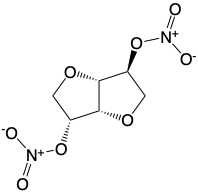
- isosorbide dinitrate [ISDN]

nitroglycerin [GTN, Nitrostat] metabolism in vascular cells
- GTN is reduced to 1,2-glyceryl dinitrate and nitrite NO2- in the mitochondria by ALDH2
- NO2- requires further bioactivation by either reduction by the respiratory chain or by acidic disproportionation to yield NO
- bioactivated in smooth ER at higher doses
ISMN and ISDN metabolism in vascular cells
- bioactivated by p450 enzymes in the smooth ER directly yielding NO
nitroglycerin
- lots of formulations, but SL is most common
- extremely short half life
- reduced to less vasoactive dinitro- and mononitro metabolites in the liver, RBCs and vascular wall
ISMN (isosorbide mononitrate)
- has extended release formulation to make dosing 2x day instead of every 2-3 hours
- 100% OBA
- longest half life of the organic nitrate vasodilators
- kidney excretes 100% of single dose over 5 days

ISDN (Isosorbide dinitrate)
- when metabolized, there is increased duration of action with NO coming from this compound
- extended release oral capsule extended dosing from 2xday to once daily
- low OBA and somewhat decent half life
- metabolized and excreted via formation of active mononitro metabolites
organic nitrate vasodilators in chronic stable angina
- GTN preferred for rapid treatment or acute prophylaxis before exertion/exercise
- long acting nitrates [ISMN, er-GTN, ISDN] used for prophylaxis in patients with more occasional episodes
organic nitrate vasodilators in variant [Prinzmetal's] angina
- long-acting nitrates used in combination with other agents, like CCBs
organic nitrate vasodilators toxicity and adverse effects
- rare and exclusively follow from vasodilatory MOA
- headache, hypotension, syncope, rash
tolerance to organic nitrate vasodilators
- the antianginal efficacy of organic nitrate rapidly diminishes with frequent continuous administration
- organic nitrate antianginal therapy should be designed to prevent tolerance
the antianginal efficacy of organic nitrate rapidly diminishes with frequent continuous administration
- Vascular tolerance follows from the reduced capacity of vascular cells to produce NO from nitrate vasodilators
- Increase in superoxide and peroxynitrite production contributes to vascular tolerance by decreasing NOS activity & inhibition of GC, ALDH2
- Pseudo-tolerance follows from acute neurohormonal activation of vasoconstrictor signals and the response to an increase intravascular volume
organic nitrate antianginal therapy should be designed to prevent tolerance
- Avoid high doses and interrupt therapy for 8-12 h daily
- with GTN, omit night doses with stable angina and use patches to treat nocturnal angina
- with ISDN ad ISMN, manage tolerance via dose schedule
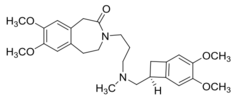
Ivabradine therapeutic uses
- 2nd line agent for Oral and solution formulations for the treatment of stable angina in patients in whom B-blockers are not tolerated or are not sufficiently efficacious
- Oral and solution formulations to reduce morbidity and mortality risks of HFrEF as 2nd line agent
Ivabradine MOA
- selective block of HCN [Hyperpolarization-activated Cyclic Nucleotide-gated) channels to reduce heart rate, but not contractility which leads to decreased O2 demand
Ivabradine PK
- not the best oral bioavailability and extensively metabolized, so excreted through kidneys and liver
Ivabradine warnings and contraindications
- Visual changes ("phosphenes") can follow from effect on retinal HCN channels
- Contraindicated vs. cardiac conduction syndromes, bradycardia, hypotension & use during pregnancy
- Can cause and/or be a victim of CYP3A4-based drug-drug interactions

Ranolazine therapeutic uses
- Oral (extended-release) formulation for treatment of stable angina as 2nd line therapy
- May be combined with many other cardiovascular drugs (e.g., beta blockers, Ca++ channel blockers, ACE inhibitors, AT1 blockers, lipid lowering agents, anti-thrombotics)
Ranolazine antianginal mode of action
- Independent from reductions in heart rate and arterial blood pressure or changes in coronary blood flow
- Follows in part from the inhibition of several cardiac ion fluxes -> maintains Na, Ca homeostasis
Ranolazine ADME
- similar for both R and S enantiomers
- extensively metabolized and both this and parent excreted through liver and kidneys
Ranolazine warnings and contraindications
- Can cause and/or be a victim of CYP3A4-based drug-drug interactions
- Most frequent adverse effects are dizziness, headache, nausea, constipation