axial skeleton
 Call Kai
 Learn
Learn Practice Test
 Spaced Repetition
 Match
Match Flashcards
 Knowt Play
1/109

There's no tags or description
Looks like no tags are added yet.
Name | Mastery | Learn | Test | Matching | Spaced | Call with Kai | Chat |
|---|
No analytics yet
Send a link to your students to track their progress
110 Terms
frontal bone

parietal bone

temporal bone

occipital bone

sphenoid bone
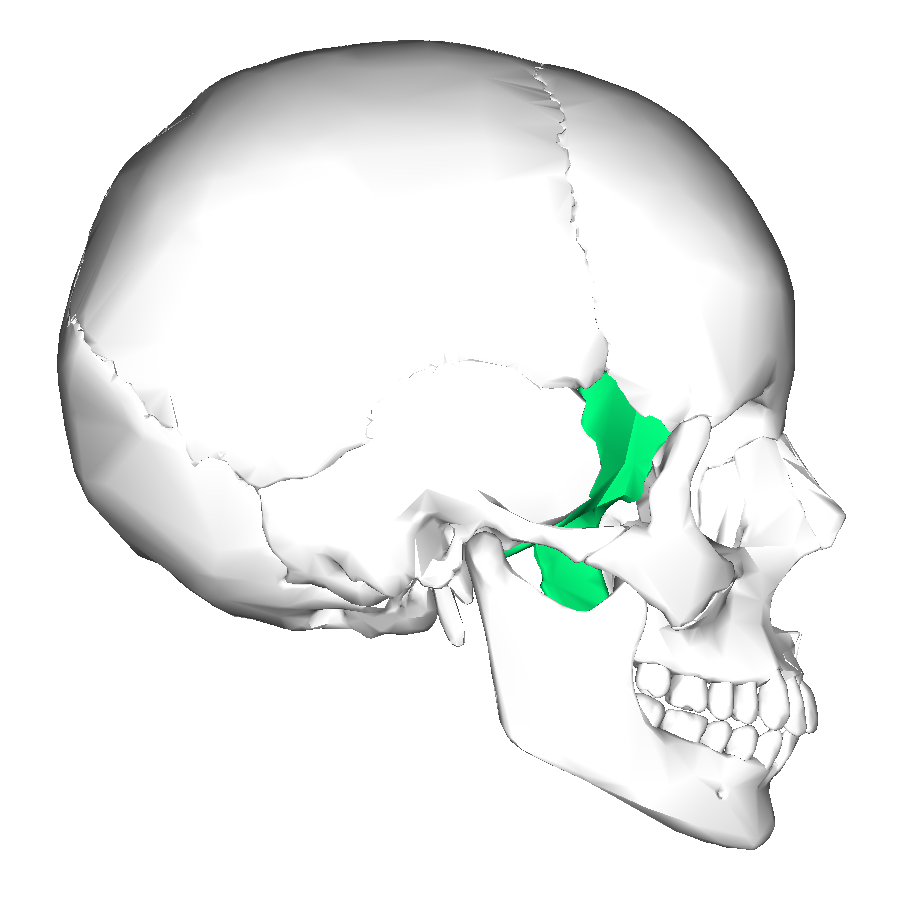
ethmoid bone

mandible

maxillary bones (maxilla)

zygomatic bones

lacrimal bones

nasal bones

palatine bones

vomer
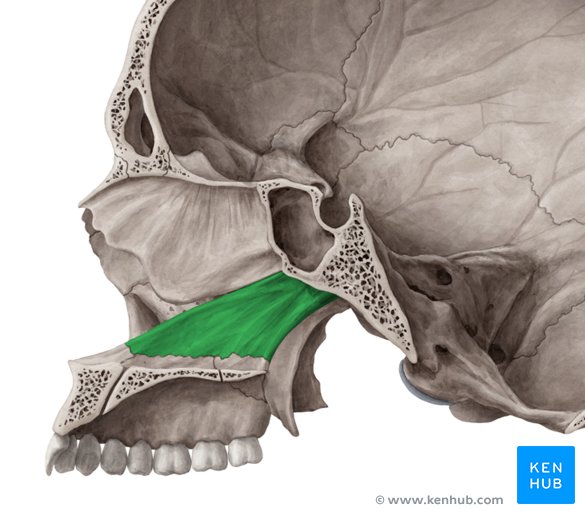

inferior nasal conchae

coronal suture
sagittal suture

squamous suture

lambdoid suture

8
how many cranial bones do we have
temporal and parietal
which cranial bones come in pairs
interlocking, immovable joints that connect the bones in the skull
what are sutures?
tiny irregularly shaped bones that appear within sutures
what are sutural bones?
skull, vertebral column, and thoracic cage
parts of axial skeleton
80
how many bones are in the axial skeleton?
14
how many facial bones are there?
maxillary bones (maxillae), zygomatic bones, nasal bones, lacrimal bones, palatine bones, and inferior nasal conchae
which facial bones come in pairs of two?
cavities that encase the eyes (eyesockets), houses the eye muscles and lacrimal glands
orbits
made of bone and hyaline cartilage, divided along midsagittal plane by nasal septum
nasal cavity
paranasal sinuses
mucosa lined air-filled spaces in the bones surrounding the nasal cavity
allow material to flow in and out, lightens the skull, warms and humidifies air, and enhacnes resonance of voice
role of paranasal sinuses
frontal, sphenoid, ethmoid, and maxillary bones
where are paranasal sinuses found?
frontal sinus
ethmoidal air cells
sphenoidal sinus
maxillary sinus
list all of the paranasal sinuses

hyoid bone

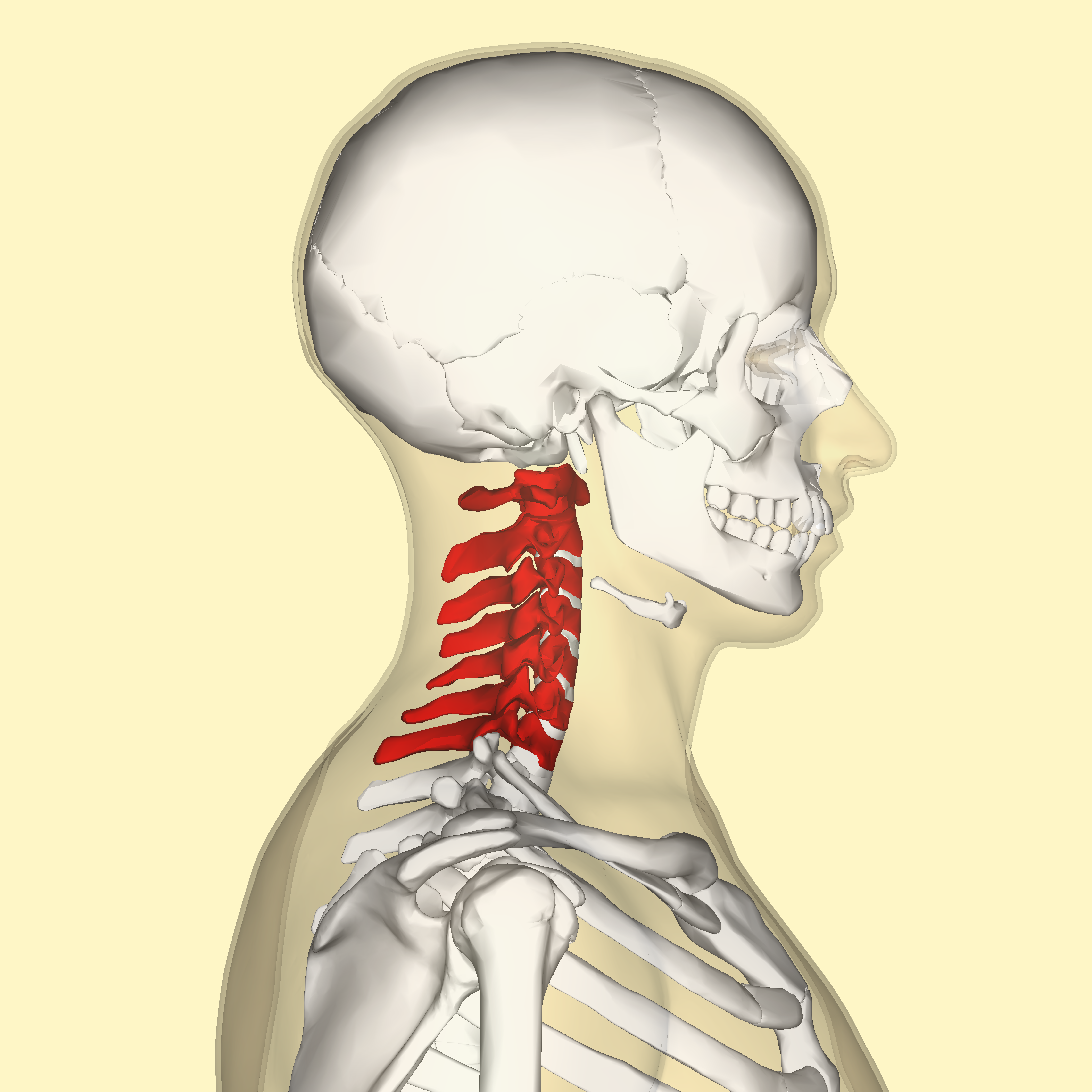
cervical vertebrae
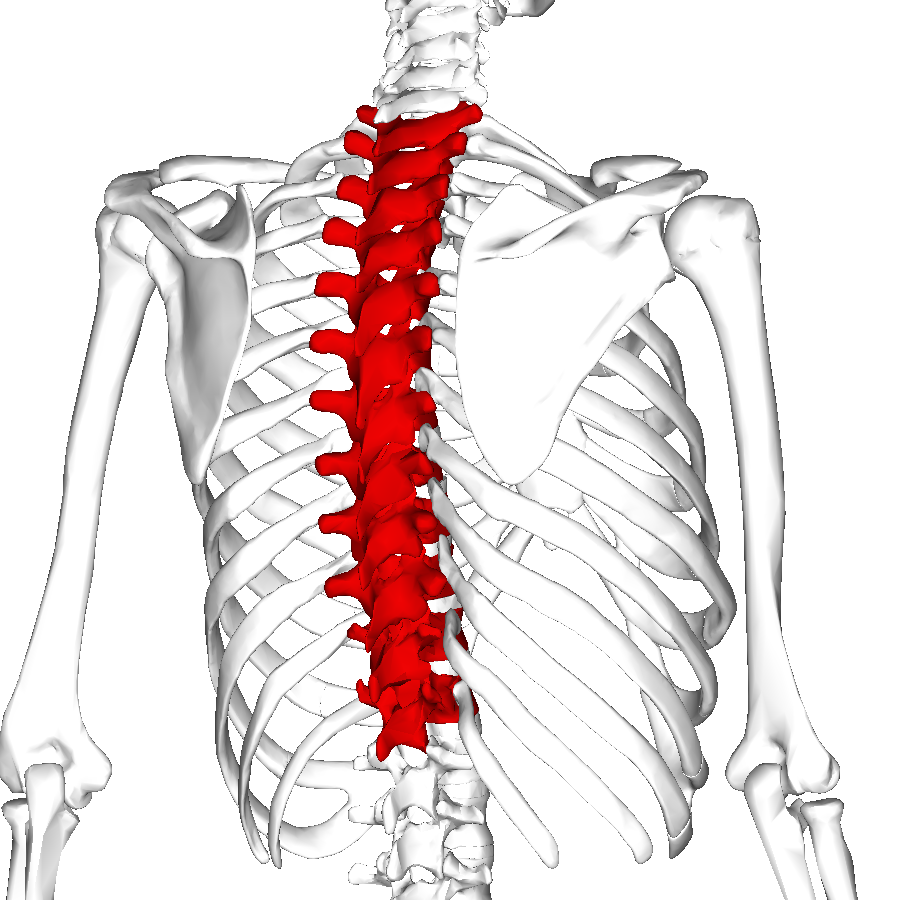
thoracic vertebrae
lumbar vertebrae

sacrum

coccyx

cervical and lumbar curvatures
concave posteriorly
thoracic and sacral curvatures
convex posteriorly
85; called foramina, canals, and fissures
how many openings does the skull have?
forms forehead and anterior portion of cranium and most of cranial fossa
function of frontal bone
make up superior and lateral aspects of skull
function of parietal bones
protect the brain; enclose it in the cranial cavity; serve as attachment sites for head and neck muscles
function of cranial bones
they articulate with all facial bones EXCEPT mandible
why are maxillary bones keystone bones?
two bones that are medially fused and form the upper jaw and central part of face
maxillary bones
maxillary sinuses (largest of paranasal sinuses)
maxillary bones contain ______________.
form cheekbones and inferolateral margins of orbits
zygomatic bones
2 bones that are fused medially and form our nose bridge
nasal bones
hyaline and bone cartilage
what are nasal bones attached to
2 separates bones that are in the medial walls of the orbits
what are lacrimal bones?
lacrimal fossa
part of lacrimal bones and has lacrimal sac which is part of passageway for tears
form posterior 1/3 of hard palate and the posterolateral walls of the nasal cavity
function of palatine bones
plow-shaped; forms the inferior part of nasal septum
function of vomer
2 bones that form the lateral walls of the nasal cavity
function of nasal conchae
false
The inferior nasal conchae is not the largest of the three pairs of conchae.
lower jab, largest & strongest bone in the face
function of mandible
temporomandibular joint (TMJ)
is part of the mandible and is the only freely movable joint in skull
occipital bone
forms most posterior part of skull
part of the occipital bone that allows for the brain to connect with spinal cord
foramen magnum
the first vertebrae (C1)
the occipital bone articulates with _________.
ligamentum nuchae and many neck & back muscles
occipital bone is a site of attachment for what?
forms that sides of skull around the ears
function of temporal bone
squamous, tympanic, and petrous
three regions of temporal bones
complex-bat shaped bone
sphenoid bone
Because it articulates with all other cranial bones
why is sphenoid bone keystone of cranium?
ethmoid bone
deepest skull bone
function of ethmoid bone
forms roof of nasal cavity and superior part of nasal septum and contributes to medial wall of orbits
movable based for tongue, helps with swallowing, speech, and muscle attachment
function of hyoid bone
not a bone of skull but is considered part of skull AND it does not articulate directly with another bone
2 important things about hyoid bones
stylohyoid ligaments
the hyoid bone is connect through ____________________.
frontal, sphenoid, ethmoid, and maxillary bones
location of paranasal sinuses
mucosa-lined air filled places clustered around nasal cavity
what are paranasal sinuses?
allow material to flow in and out, lightens the skull, warms and humidifies air, and enhances resonance of voice
function of paranasal sinuses
maxillary sinus
largest paranasal sinus
lateral walls of nasal cavity
inferior nasal conchae forms ____________.
abnormal lateral curve
scoliosis
also called hunchback; exaggerated thoracic curvature
kyphosis
also called swayback; accentuated lumbar curvature
lordosis
cushionlike pad composted of two parts
intervertebral discs
nucleus pulpous and anulus fibrosus
two parts of intervertebral discs
inner gelatinous nucleus; gives the disc elasticity and compressibility
role of nucleus pulposus
role of anulus fibrosus
outer collar composed of collagen and fibrocartilage; prevents the nucleus pulposus from expanding during compression and binds the vertebrae together
atlas (C1)
no body or spinous process; movement for “yes”; supports the skull
axis (C2)
similar to cervical vertebrae but has dens; movement for “No”
cervical, thoracic, lumbar, sacrum, and coccyx
5 regions of vertebrae
projects posteriorly; it is the part that we feel on our back
spinous process
cervical vertebrae
smallest, lightest vertebrae
7
how many vertebrae are in cervical region?
12
how many vertebrae are in thoracic region?
5
how many vertebrae are in the lumbar region?
thoracic vertebrae
increase in size from from first to last
thoracic vertebrae
articulate with the ribs are facets and demifacets
thoracic vertebrae
circular vertebral foramen
cervical vertebrae
large triangular vertebral foramen
lumbar vertebrae
the vertebrae that receives the most stress
cervical vertebrae

thoracic vertebrae

lumbar vertebrae

sternum, ribs, costal cartilage, and thoracic vertebrae
thoracic cage components