field zoo ID quiz
 Call Kai
 Learn
Learn Practice Test
 Spaced Repetition
 Match
Match Flashcards
 Knowt Play
1/63

There's no tags or description
Looks like no tags are added yet.
Name | Mastery | Learn | Test | Matching | Spaced | Call with Kai | Chat |
|---|
No analytics yet
Send a link to your students to track their progress
64 Terms
complete live cycle
four stages; egg, larva, pupa, adult
incomplete/simple life cycle
molts from stage to stage; egg, nymph, nymph adult
coleoptera
beetles, weevils, etc

coleoptera
mouth parts: chewing
metamorphosis: complete
key ID: elytra
lepidoptera
moths and butterflies

lepidoptera
mouth parts: siphoning proboscis
metamorphosis: complete
key ID: scaled wings
hymenoptera
bees, wasps, ants, sawflies

hymenoptera
mouth parts: chewing or lapping
metamorphosis: complete
wings: 2 pair, linked by hamuli
key ID: triangular 4 wings
hemiptera
cicadas, stink bugs, assassin bugs, leaf and tree hoppers, etc

hemiptera
mouth parts: piercing/sucking
metamorphosis: incomplete
key ID: rostrum from head, wing arrangement
diptera
flies, mosquitos

diptera
mouth parts: sucking
metamorphosis: complete
key ID: 1 pair of wings, legless larvae
orthoptera
grasshoppers, crickets, katydids

orthoptera
mouth parts: chewing
metamorphosis: incomplete
wings: 2 pair, forewing leathery tegmina
key ID: jumping legs
phasmatodea
stick insects

phasmatodea
mouth parts: chewing
metamorphosis: simple
wings: often absent or vestigial
key ID: stick like
odonata
dragonflies and damselflies

odonata
mouth parts: chewing
metamorphosis: incomplete
wings: 2 pair, extensive venation
key ID: large eyes, elongated abdomen
mantodea
praying mantids

mantodea
mouth parts: chewing
metamorphosis: incomplete
wings: 2 functional pair
key ID: raptorial forelimbs, elongated pronotum
blattodea
roaches and termites

blattodea
mouth parts: chewing
metamorphosis: incomplete
wings: 2 functional pair
key ID: dorsal ventrally flattened or body shape
neuroptera
lacewings, antlions, owlflies

neuroptera
mouth parts: chewing
metamorphosis: complete
wings: 2 functional pairs, dense branching venation
key ID: dense venation wings, held over body, antennae
insect leg compostion
coxa, trochanter, femur, tibia, tarsus

cursorial insect leg
long and narrow-running
saltatorial insect leg
enlarged, muscular-jumping
raptorial insect leg
enlarged, muscular-hunting
fossorial insect leg
broad, flat-digging
filiform insect antennae
segments same throughout

plumate insect antennae
segments whorls of hair

monofiliform insect antennae
segments are globular

geniculate insect antennae
long scape, segments arranged at angle

aristate insect antennae
terminal enlarged, dorsal bristle

capitate insect antennae
terminal segments enlarged

insect mouthparts

haustellate
liquid food; piercing, sponging, siphoning
mandibulate
solid food-chewing
arachnid life cycles
no metamorphosis, but molts exoskeleton 5-12 times
Chelicerae
pair of appendages location front of prosoma and mouth

Spider chelicerae function
capture prey, inject venom
scorpions and pseudoscorpions chelicerae function
tear and crush food
ticks and mites chelicerae function
cut through host skin
harvestmen chelicerae function
tear and crush food
pedipalps
secondary pair of forward appendages attached to the prosoma

spider pedipalps function
males use for sperm transfer
scorpions pedipalps function
end in chelae (pincer like organ) to seize food
ticks and mites
sensory exploration to host
harvestmen
seize food
guilds
grouping of spiders (or other organisms) based on similar foraging and hunting strategies, or microhabitats
spider order
araneae
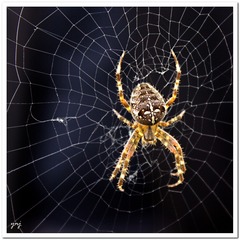
araneidae
orb weaving spiders
hunting approach: sit and wait, hair vibration
web type: spiral, wheel shaped
agelenidae
funnel weaving spiders
hunting approach: sit and wait, web vibration
web type: flat, non-sticky, criss-crossing, funnel shaped

linyphiidae
sheet web spiders
hunting approach: sit and wait, hair vibration
web type: flat sheet, non sticky 3D

salticidae
jumping spiders
hunting approach: active stalkers and ambush
web type: not for food, for sleep, retreat, reproduction

lycosidae
wolf spiders
hunting approach: active ground hunters
web type: not for food, line burrows or protective egg sac

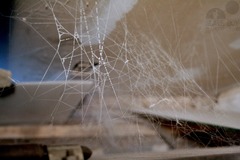
pholcidae
cellar spiders
hunting approach: vibration and silk wrapping
web type: messy, irregular, traps due to irregular structure
theridiidae
tangle web spiders
hunting approach: vibration pully system
web type: haphazard, lack pattern, sticky (pulls prey through web)
sicariidae
six eyed spiders
hunting approach: active hunt, vibrations or bury+venom
web type: none or irregular for retreat

opiliones
harvestmen
diagnostic characteristic: fused prosoma and opisthosoma
long, slender legs; direct ingestion

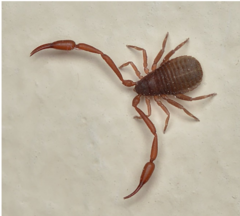
pseudoscorpionida
pseudoscorpions
diagnostic characteristics: fused with no pedicel, 12 segments, no tail but large pincer like pedipalps
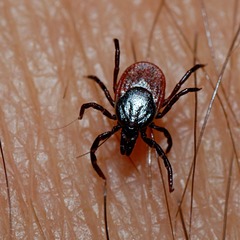
ixodida
hard bodied ticks
diagnostic characteristics: distinct head region; denticulate (piercing mouth), leathery outer cuticle
superorders parasitiformes and acariformes
mites
diagnostic characteristics: fused, unsegmented oval body; adults 4 pairs of legs; stalks on legs for attachment

OFT formula
energy/ (search time+handling time)