CNS Tumors: Pathology, Treatment Modalities, and Patient Care
 Call Kai
 Learn
 Practice Test
 Spaced Repetition
 Match
 Flashcards
 Knowt Play
1/50

There's no tags or description
Looks like no tags are added yet.
51 Terms
What does CNS stand for?
Central Nervous System

What types of tumors are included in CNS tumors?
Tumors of the brain and spinal cord

How can CNS tumors be classified?
As primary or secondary (metastatic) and as benign or malignant
Why are CNS tumors significant?
They rarely metastasize but often create significant problems.
What are the main responsibilities of the CNS?
Receiving, processing, and responding to sensory information.
What are the main components of the CNS?
The brain and spinal cord.
What is the mean age for CNS cancer diagnosis?
55-65 years
What is the peak age for CNS cancer in children?
Between age 3 and 12
What is the peak age for CNS cancer in adults?
Between age 50 and 80
What imaging technique is commonly used for diagnosing CNS cancer?
MRI with Gadolinium contrast

What is Gadolinium used for in MRI?
It enhances the quality of images by altering the magnetic properties of nearby water molecules.

What are the two types of CNS tumors?
Primary tumors and metastatic tumors (brain metastasis)
Which type of brain tumor is most common?
Metastatic tumors
What are the most common primary brain tumors?
Astrocytomas, oligodendrogliomas, and ependymomas
What are the signs and symptoms of frontal lobe tumors?
Personality changes, memory difficulties, seizures, and gait disorders.

What are the signs and symptoms of parietal lobe tumors?
Loss of vision, spatial disorientation, and tingling sensations.
What symptoms are associated with cerebellar tumors?
Disturbance in coordination and equilibrium.
What are the signs of pituitary tumors?
Endocrine dysfunction, visual deficits, and headaches.

What symptoms are associated with temporal lobe tumors?
Speech disorders, seizures, and disturbance in hearing.

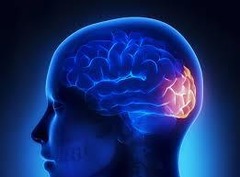
What are the signs of occipital lobe tumors?
Seizures and loss of vision.
What are the symptoms of brainstem tumors?
Hearing loss, facial pain, dysphagia, and ataxia.

What are glial cells?
Supporting cells of the brain from which most brain tumors develop.

What are the three main types of glial cells?
Astrocytes, oligodendrocytes, and ependymal cells.
What is the role of astrocytes?
They support and nourish neurons and form scar tissue after brain injury.
What type of tumor originates from oligodendrocytes?
Oligodendrogliomas

What type of tumor originates from ependymal cells?
Ependymomas
What are meningiomas?
Tumors that start in the meninges, the protective layers of the brain and spinal cord.
What type of cells do gliomas originate from?
Glial cells
What are the three types of astrocytomas?
Low-grade astrocytoma, High-grade astrocytoma, Glioblastoma multiforme
What is the grade of Glioblastoma multiforme?
Grade IV astrocytoma
What is the standard treatment for Glioblastoma multiforme?
IMRT radiation with concurrent oral Temodar/Temozolomide
What is the occurrence rate of gliomas among brain tumors?
About 32% of all brain tumors
What is the typical treatment for low-grade oligodendrogliomas?
Surgery
What is the peak occurrence age for ependymomas?
Age 5 and again at 34 years old
What percentage of adult intracranial gliomas are ependymomas?
About 6%
What type of tumor originates in the cerebellum?
Medulloblastoma
What is a significant risk associated with medulloblastomas?
They can spread to the spine
What is the treatment approach for primary CNS lymphoma?
Chemotherapy, radiation, steroids, and stem cell transplant
What factors limit the usefulness of surgery for CNS tumors?
Location, extent of tumor, risk of neurological damage, performance status of the patient
What are common drug therapies used for brain tumor patients?
NSAIDs, analgesics, steroids, anti-seizure medications, anti-emetics, muscle relaxers
What is a challenge faced in chemotherapy for brain tumors?
Ineffectiveness due to the Blood-Brain-Barrier
What is the purpose of Gliadel wafers?
Placed intraoperatively for localized chemotherapy
What is Stereotactic Radiosurgery (SRS)?
Single high dose fraction of radiation given directly to the tumor
What are the three distinct time periods of radiation therapy effects on neurocognitive functioning?
Acute, Subacute, Late
What are common side effects of radiation therapy to the CNS?
Fatigue, hair loss, headaches, nausea/vomiting, vision changes, short term memory loss
What is the role of steroids in treating side effects of radiation therapy?
To manage symptoms such as inflammation and pain
What is the effect of radiation therapy on neurocognitive functioning in the acute phase?
Drowsiness, nausea, vomiting, headache, alopecia
What are the side effects of dexamethasone?
Thrush, decreased immune system, mood changes, hyperglycemia, insomnia, weight gain
What is the purpose of patient education by radiation therapists?
To provide emotional support and monitor for side effects
What immobilization devices are commonly used for CNS patients?
Fixed head frames for precise treatment
What is the significance of monitoring platelets during Temodar therapy?
To prevent complications from low platelet counts