Disorders of Upper & Lower GI Systems
 Call Kai
 Learn
 Practice Test
 Spaced Repetition
 Match
 Flashcards
 Knowt Play
1/32

There's no tags or description
Looks like no tags are added yet.
33 Terms
GI tract
Mouth to anus

Pain. ingestion, motility, Bleeding
Upper and Lower system disorders
4 cardinal sings and symptoms
___
Altered ___
Altered ___
___
Esophagus
Disorders of the ___
Digestive Pathway
food and liquids enter the mouth
Mastication and addition of salivary enzymes
Voluntary transport of food and liquids
Positioned at back of throat for ___ entry
pushed into the ___
Common Manifestations of ___ defects
Pain, alteration in ingestion, and/or bleeding
Dysphagia
Difficulty of swallowing
Causes
Neurological deficit
Muscular disorder
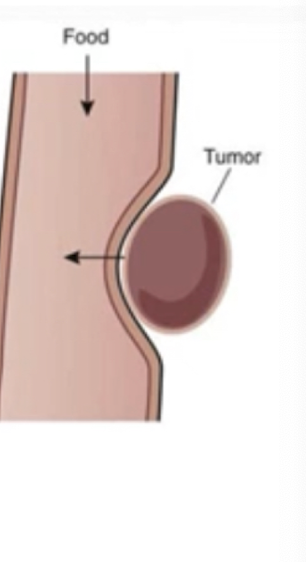
Mechanical obstruction
Results/presentation
Pain with swallowing
Inability to swallow larger pieces of solid material
Difficult swallowing liquids
Types:
Acquired
newly developed difficulty or pain when swallowing food, liquids, or saliva, rather than a lifelong condition
Esophageal atresia (a medical condition in which a natural body opening, tube, or passage is abnormally closed, missing, or blocked)
The swallowing tube does not connect to the stomach, often splitting into separate upper and lower sections
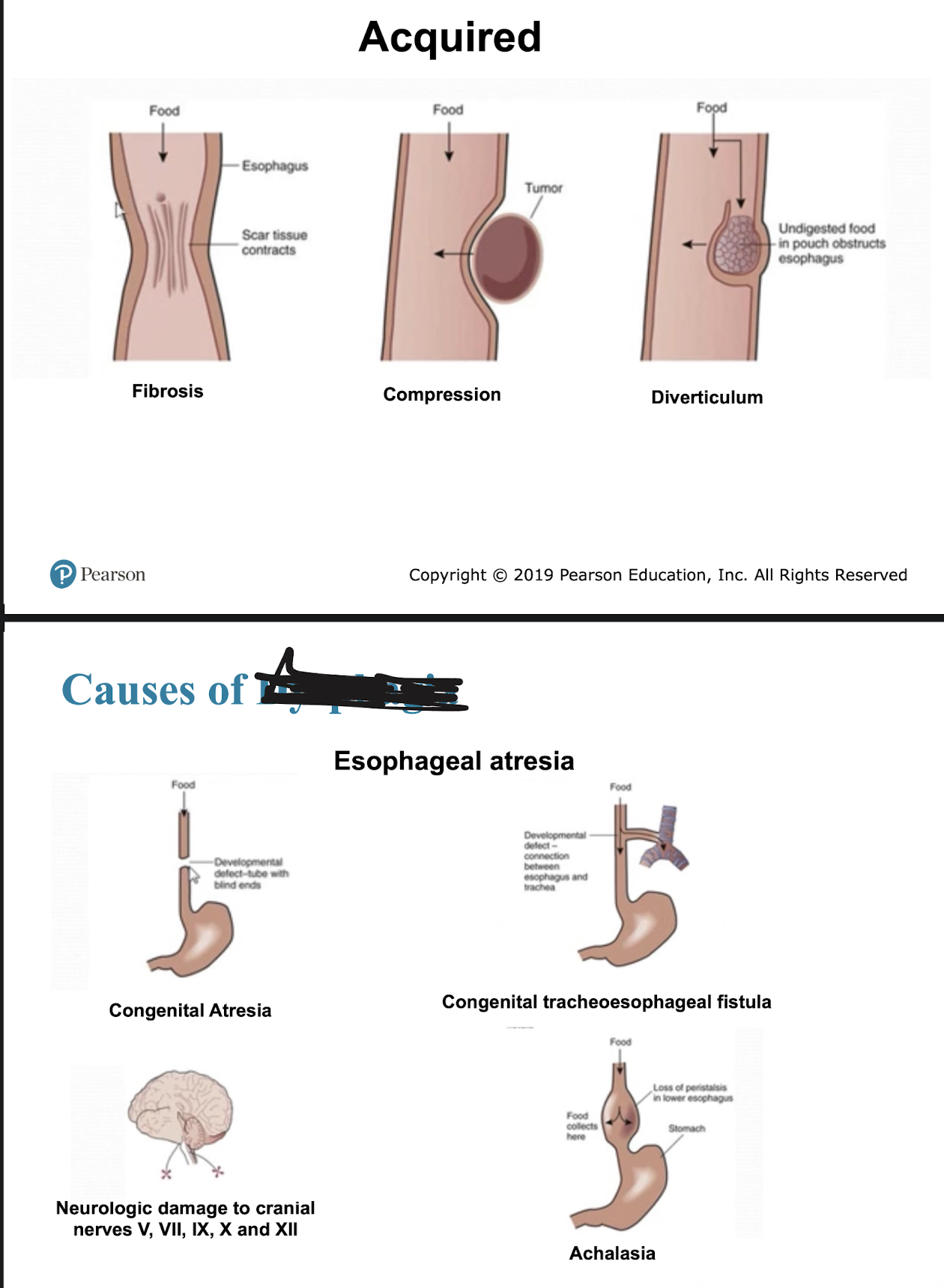
Webs and Rings
Esophageal ___ and ___
thin membranes or folds that narrow the esophagus
Cause
Gastroesophageal reflux, iron deficiency anemia, and autoimmune diseases
Treatment
Dietary restrictions (soft food)
Endoscopic dilation therapy

Esophageal Cancer
Primarily squamous cell carcinoma (most common distal esophagus)
Significant dysphagia in later stages
Poor prognosis due to late manifestation
Associated with chronic irritation due to:
chronic esophagitis
achalasia
nerves in the esophagus degenerate, preventing the lower esophageal sphincter (the muscle valve connecting the esophagus to the stomach) from relaxing, while normal wave-like muscle contractions (peristalsis) are lost
Hital hernia
Alcohol abuse and smoking
Hital Hernia
Part of the stomach protrudes into the thoracic cavity
Etiology
Multifactorial
May involve genetic link
Pathogenesis
Herniation of stomach through esophageal hiatus of the diaphragm (an oval-shaped opening in the muscular diaphragm that allows the esophagus to pass from the thoracic (chest) cavity into the abdominal cavity)
Lower esophageal sphincter LES permits reflux of gastric contents
Manifestations
may be asymptomatic
Frequently involves symptoms of gastroesophgeal reflux
Type IV paraesophgeal hernia may produce dyspnea, reduced exercise tolerance, syncope, may cause chronic esophagitis
HEARTBURN
Signs
Heartburn or pyrosis, frequent belching, increase discomfort when laying down, substernal (behind sternum) pain that may radiate to shoulder and jaw
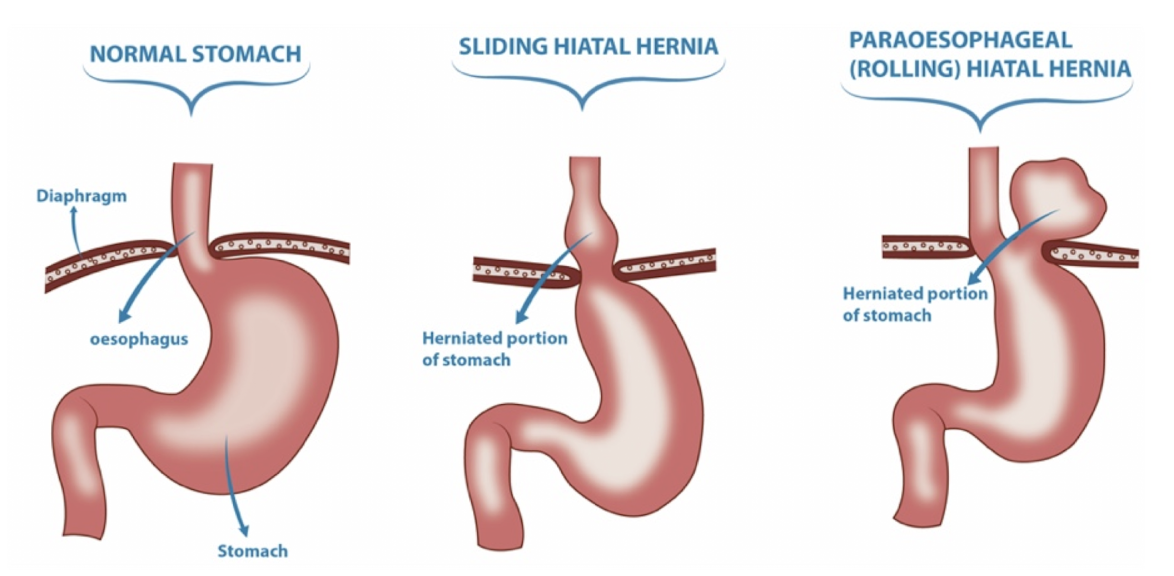
Hernia
Condition where an organ or tissue protrudes through a weak spot in the muscle or connective tissue that surrounds it
Esophagitis
Etiology
Eosinophilic ___ (EoE)= cause unknown; many associated factors
chronic, immune-mediated inflammatory condition where WBCs, eosinophils build up in the lining of the esophagus
allergens trigger
Radiation ___= treatment of thoracic cancers; exacerbated by chemotherapeutic agents
inflammation of the esophagus caused by external beam radiation therapy
Corrosive __ = ingestion of strong alkaline or acid substances
Pill ___ = swallowed pill lodges transversely in esophageal lumen and causes inflammation
Pathogenesis
Irritation to and inflammation of esophageal tissues lead to esophageal damage
Manifestations
Vary based on etiology

Esophageal Diverticula
Etiology
acquired condition
most common cause: Impaired esophageal motility
May be caused by traction on esophagus due to inflammatory disease of mediastinum (eg. tuberculosis)
Pathogenesis
pressure increases→ esophageal lumen
Esophageal mucosa protrudes through weakened esophageal wall and produces out pouching
Manifestation
Most often asymptomatic
Manifestions vary based on location of divercula
May produce dysphagia and heartburn
pockets formed due to damage to the mucosa and then food is trapped in those pockets

Stomach
Disorders of the ___
Main categories
Disorders of secretion
Disorders of motility
Associated cardinal GI symptoms
Pain
altered ingestion
altered motility
GI tract bleeding
Pepsin enzyme is used to break down proteins, pepsin needs low pH which this organ has a very low pH
Also has chyme and has rugae (folds) to increase/decrease in size
Peptic Ulcer Disease
Etiology
various causes
most common: H. pylori infection and NSAID use
Contributing factors: smoking, excessive alcohol use, drug use, emotional stress, and psychosocial components
Pathogenesis
Increased gastric acid secretion or a weakened mucosal barrier leads to mucosal erosion or ulceration of GIT
Manifestations
Common: epigastric pain and dyspepsia (upset stomach)
Common Complications: bleeding, perforation (hole, tear, or puncture through tissue or organ), obstruction
Treatment
Identify causative facot
H. pylorI- triple or quadruple therapy
NSAID- induced - H2 receptor antagonist (decrease stomach acid production by blocking histamine from binding to H2 receptors on parietal cells in the stomach) and cease NSAID

Acute Gastritis
Inflammation of stomach wall
Etiology
Infection-induced - H. pylori
Drug-induced - e.g NSAIDS, steroids, some chemotherapeutic drugs, alcohol, and iron supplements
Ulcerohemorrhagic - physiologic stress and ischemic changes caused by shock, hypotension
Pathogenesis
Acute imbalance between mucosal injury and repair mechs
Development of mucosal hyperemia (increase in the volume of blood within the tissues or organs of the body, caused by the dilation of blood vessels) and erosive changes with histologic presence of inflammation
Manifestations
Most often asymptomatic or report mild dyspepsia
Potenital symptoms may include abdominal pain or upset, burning sensation in chest or upper abdomen, feeling of fullness, bloating, belching, and reflux
More severe symptoms include nausea, vomiting, GI bleeding, fever, and weight loss

Chronic Gastritis
Inflammation of stomach wall
Etiology
Infection induced - H.pylori
Chemical and caustic agents (eg NSAIDs, excessive alcohol ingestion, radiation exposure
Autoimmune disease (eg. Crohn disease, Wegener granulomatosis,
autoimmune disease that causes inflammation of the small and medium blood vessels (vasculitis), restricting blood flow and damaging major organs
and sarcoidosis
an inflammatory disease characterized by the formation of tiny, abnormal clumps of inflamed immune cells called granulomas in one or more organs throughout the body
Pathogenesis
Begins with superfical gastritis
Progresses to atrophic (wasting away) gastritis
chronic inflammation damages and thins the stomach lining, normal stomach glands to shrink and get replaced by intestinal or fibrous tissue
Advances to gastric atrophy
gastric glandular structures are lost and/or metaplasia
Gastric atrophy is precursor to gastric cancer
Manifestations
Most often asymptomatic or report mild dyspepsia
Potenital symptoms may include abdominal pain or upset, burning sensation in chest or upper abdomen, feeling of fullness, bloating, belching, and reflux
More severe symptoms include nausea, vomiting, GI bleeding, fever, and weight loss

Gastric Outlet Obstruction
Etiology
Includes gastric, duodenal, and/or extraluminal pathology (outside the lumen (the inside space or hollow cavity of a tubular structure, such as the intestine, blood vessel, or airway)
Malignancies of digestive organs
Surgical and interventional induced obstructions
Metastatic cancer
Pyloric stenosis
Pathogenesis
mechanical obstruction in pyloric region
Manifestsions
abdominal pain, distention or bloating
vomiting, dehydration, and weight loss
May include early satiety and nausea
Treatment
Benign cases - nasogastric tube suction, meds to suppress gastric acid production, IV fluid and electrolyte replacement, nutritional supplementation, trial liquid diet, endoscopic balloon dilation or surgery
Malignant cases - Based on underlying cause, may include stenting, chemotherapy, endoscopic balloon dilation, or surgery
Advanced cancers - Palliative procedures may be preferred

Stomach Cancer
Etiology
Risk factors include H.pyloric infection, cigarette smoking, high alcohol ingestion, excessive dietary salt, inadequate fruit and veggie consumption, and pernicious anemia
High nitrate diet may also increase risk
Pathogenesis
tumors or neoplasms in the stomach arise from gastric mucosa (adenocarcinoma- most common ~85%)
Manifestsions
Clinical manifestations are known as false alarms features
Most common: weight loss and abdominal pain
May include dysphagia, nausea, early satiety, occult GI bleeding, and palpable abdominal mass
Treatment
Depends on cancer staging
upper endoscopy may be used for palliative (focus on reliving pain) procedures
May require endoscopic resection, radiation, chemo, and/or surgical resection

Chyme
Disorders of the Small intestines, Large intestines, and Rectum
Absorption in the lower GI tract
___ enters small bowel via duodenum
the thick, semi-fluid mass of partly digested food, water, hydrochloric acid, and digestive enzymes that forms in the stomach
Bowel is primary site of absorption
nutrients and vitamins
electrolytes
water
Impaired motility may cause multiple alterations
malabsorption
malnutrition
dehydration
Inflammatory Bowel Disease IBD
Chronic inflammatory disorder involving the GIT
2 Major IBD disorders
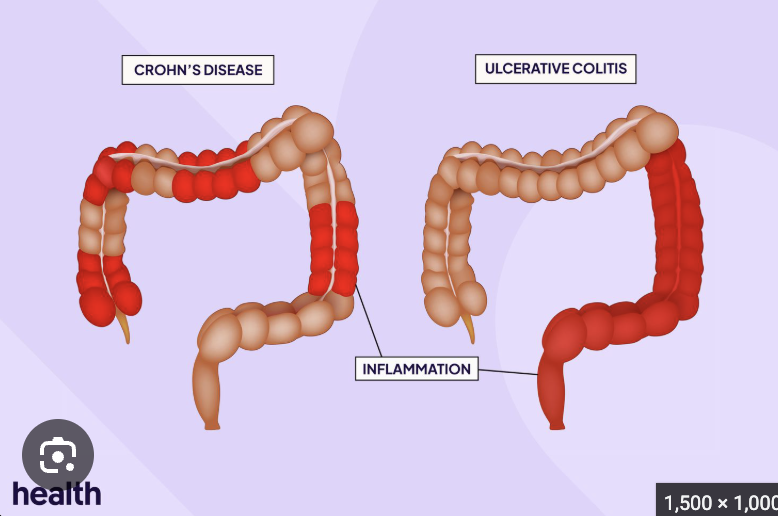
Ulcerative colitis UC
Crohn disease CD
Manifestations of IBD (including UC and CD)
Active: Fever, loss of appetite, weight loss, fatigue, and night sweats
Remission: Symptoms may decrease and even disappear
Ulcerative Colitis UC
Chronic inflammatory condition
Limited to mucosal layers of colon
Characterized by relapsing and remitting episodes of inflammation
Develops as a continuous lesion
Etiology
Not completely understood
Appears to involve environmental factors, microbial imbalance in the gut, genetic susceptibility and inappropriate immune response
Pathogenesis
Inflammation of muscoal and submucosal layers of colon
Continuous lesion of inflammation may extend into the proximal colon or may affect the whole colon (pancolitis)
Bowel changes include epithelial damage, inflammation, crypt abscesses, and loss of goblet cells (secrete mucus)
Manifestations
Bloody and/or mucoid, diarrhea, dehydration, and anemia
Crampy abdominal pain, pain with defecation, and tenesmus (painful, persistant need to empty bowels or urine even if empty)
Involvement of the rectum may also lead to constipation

Crohn Disease CD
Chronic inflammatory condition
May involve any portion of the GI tract
Charactered by transmural inflammation of the bowel
Most commonly affects ileum and proximal colon
Lesions are not always continuous (skip lesions)
Etiology
Not completely understood
Appears to involve environmental factors, microbial imbalance in gut, genetic susceptibility and inappropriate immune response
Pathogenesis
Inflammation and destruction of the bowel
Manifestations
Nausea, vomiting, and diarrhea with or w/o blood
Abdominal pain and pain with defecation due to anorectal fissures
Complications include bowel strictures (abnormal narrowing of the small or large intestine that slows or blocks the passage of waste), obstructions, perforations (holes) in bowel and intra-abdominal abscesses (collection of infected fluid and pus surrounded by inflamed tissue or organs)
stratified squamous
The inner lining (mucosa) of the esophagus is made primarily of non-keratinized ____ epithelial cells
Appendicitis
Etiology
Not fully understood
Believed to be due to appendiceal obstruction
Pathogenesis
obstruction is thought to lead to bacterial overgrowth and luminal distention
Increased intraluminal pressure and/or excessive inflammation can inhibit blood flow causing vascular compromise to the affected tissue
Appendix may become gangrenous (death of tissue due to low oxygen or bacterial infection) and can rupture
Manifestations
Cramping abdominal pain, tenderness with palpation of right lower abdominal quadrant, nausea or vomiting, increased WBC count, and low grade fever
Treatment
Gold standard- Laparoscopic surgery (tiny cuts)

Bowel Obstruction
Etiology
Most often due to adhesions 75% of cases
bands of fibrous scar-like tissue that form between internal body surfaces, organs, or tissues, causing them to stick together
Other causes hernia, adhesions neoplasm/tumor,
gallstone ileus
small bowel obstruction caused when a large gallstone (usually larger than 2.5 cm) slips into the digestive tract through an abnormal connection (fistula) between the gallbladder and the intestine,
intussusception,
serious medical condition where one segment of the intestine slides or folds inside an adjacent section,
volvulus
medical condition where a loop of the intestine twists around itself and its supporting tissue (the mesentery), causing a blocked bowel and cutting off blood flow
Pathogenesis
Intestinal tract blockage develops due to various etiologies
Up to 80% are small bowel obstructions SBOs
Obstruction may be partial or complete
Complications include strangulation and bowel necrosis (may lead to bowel perforation, sepsis, and death)
Manifestations
Abdominal pain, nausea, vomiting, abdominal distention, and inability to satisfactoryily pass gas or stool
Hyperactive, high pitched bowel sounds often present
Bowel sounds will be absent if ileus develops (temporary stoppage or slowing of the normal muscle contractions (peristalsis) in the intestines)
Treatment
Medical management includes gastric decompression, IV fluids, and serial physcial and serum tests
Surgery may be indicated if medical management fails
If strangulation and bowel ischemai present- Emergent surgery needed

Pyloric Stenosis
Narrowing and obstructing pyloric sphincter
May be developmental abnormality
Signs appears after birth
Projectile vomiting after feeding
Firm mass that can be palpitated at pylorus
Infant failure to gain weight

Diverticular Disease
Etiology
Associated factors include alterations in colonic wall resistance, alterations in colonic motility, low-fiber diets, NSAID use, advanced age, obesity, and lack of exercise
Manifestations
sudden, constant abdominal pain in Left lower quad
Abdominal distention and nausea
Diarrhea, constipation, decreased appetite
Fever, tachycardia, hypotension
Diverticula
Diverticulosis
Diverticulitis
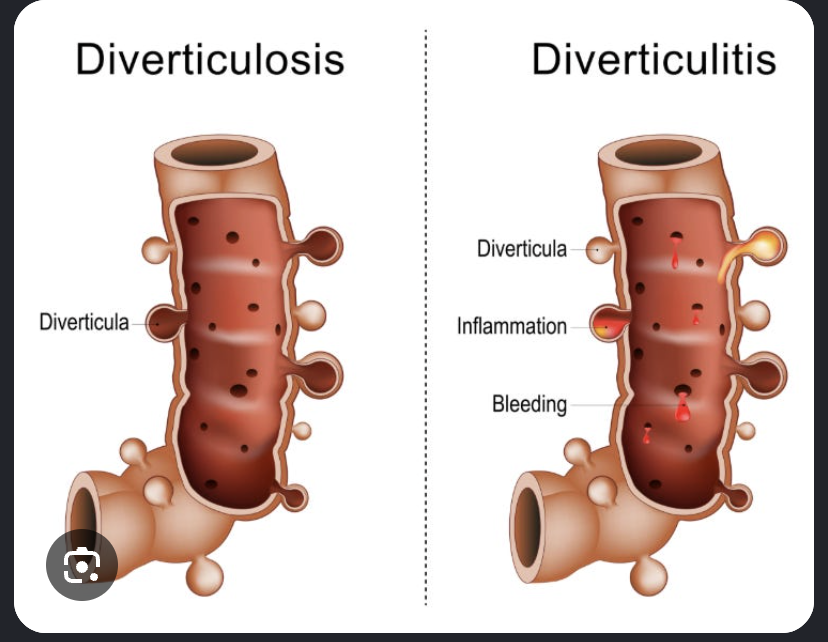
Diverticula
Small outpouchings (herniations) of colonic mucoasa
Protrudes through muscle layers of the colon wall
small, bulging pouches or sacs that form in the inner lining of the digestive tract—most commonly in the colon (large intestine)—pushing outward through weak spots in the muscular wall
Diverticulum: A single pouch
Diverticula: Multiple pouches

Diverticulosis
Divercula without evidence of inflammation
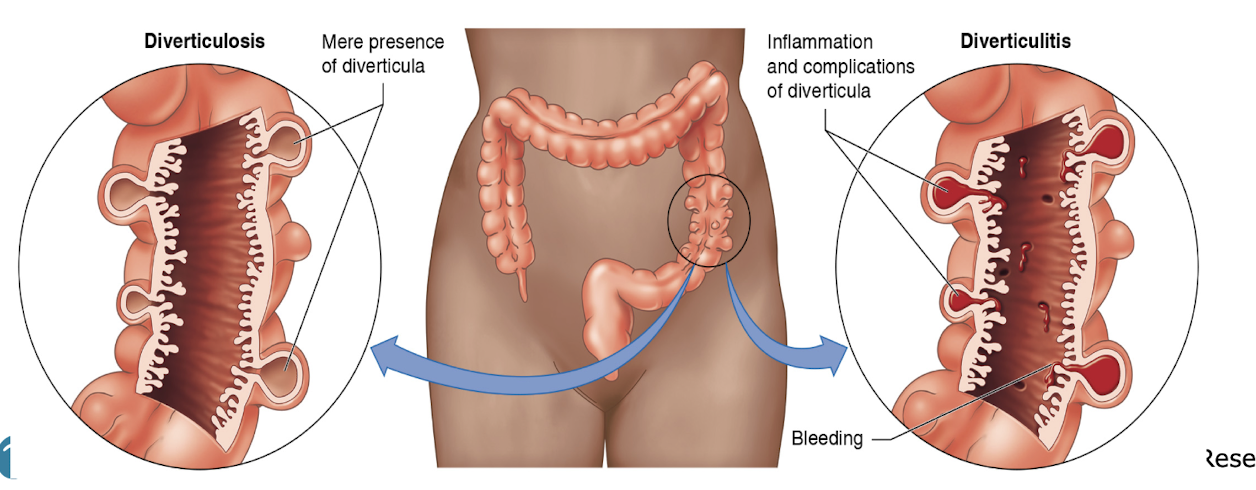
Diverculitis
Inflamed diverticula
When one or more diverticula become infected or inflamed, leading to symptoms like severe lower-left abdominal pain, fever, and nausea.

hemorrhoids
Internal and external ___
A swollen vein or group of veins in the region of the anus

Hemorrhoidal Disease
Etiology
Straining during bowel movement
Risk factors - conditions that increase intraabdominal pressure and/or impede venous return (eg pregnancy or portal hypertension)
Pathogenesis
abnormal enlargement of the 3 vascular mucosal cushions (hemorrhoidal cushions) that assist with anal continence
Manifestations
Hematochezia
passage of fresh, bright red or maroon blood through the anus, either mixed with or coating the stool
itching, perianal discomfort and soiling
Large hemorrhoids may produce sensation of incomplete evacuation
Cancer of colon and rectum
Adenomas (polyps) of colon
precursors to most colorectal cancers CRCs
benign tumors
form in glandular structures in intestinal mucosal epithelium
Colon cancer
malignant growth or tumor
results from division of abnormal cells in the colon
Occurs in ascending, transverse, or descedning colon
Rectal Cancer
Malignant growth or tumor
Located up to 15 cm from anal opening
Pathogenesis of CRC
genetic abnormalities plus environmental factors
Conventional Adenomas and Sessile Serrated Polyps (flat, pre-cancerous growth located in the large intestine)
Commonly developmental pathways
chromosomal instability pathway
Micro satellite instability pathway
Manifestations of early CRC
typically asymptomatic
Numerous potential manifestations
Hematochezia and symptoms of anemia
Change in bowel habits
Weight loss and fatigue
Generalized or localized abdominal pain

CRC Risk factors
__ and protective factors
Modifiable Risk Factors
Obesity
sedentary lifestyle
smoking
moderate to heavy alcohol ingestion
Heavy consumption of red and processed meats
Low consumption of fruits and veggies
Hereditary and Medical Risk Factors
Family history of CRC and/or polyps
Inflammatory bowel disease (US or CD)
Type 2 DM
Aging
Protective Factors
diet rich in while grain giber
Use of NSAIDs (eg, aspirin)
Potential Manifestations of advanced CRC
Physical assessment
distended abdomen
Palpable abdominal mass and lymph nodes
Rectal cancer - palpable mass on digital exam
Right sided cancers (ascending colon)
Usually silent
May become painful
May develop palpable mass in right lower quadrant
Tumors stay to one side of colon wall
Unlikely to develop intestinal obstruction
Dark red blood in stool
Left sided tumors (descending colon)
tumors grow circumferentially around colon
stools may become long and pencil-like
can lead to intestinal obstruction
bright red blood in stool
Screening for CRC
Early detection is essential
Screening methods
Lower GI endoscopy, fecal tests for occult blood and DNA testing for mutant genes
Screening recommendations
begin screening at age 50
those with predisposing genetic factors begin screening earlier than 50

TNM
Staging of CRC (national Cancer Institute classification)
Used to determine treatment
usually includes __ classification
Tumor, lymph nodes, and metastasis
Tumor: Describes the size of the primary tumor and how far it has grown into nearby tissues (ranked from T0-T4)
Nodes: Indicates whether the cancer has spread to nearby regional lymph nodes (ranked from N0-N3)
Metastasis: Shows whether the cancer has spread to distant parts of the body, such as the liver, lungs, or bones (M0 for no spread, M1 for distant spread).
Endoscopy may be used for staging
