Anatomy Bone Tissue and Skeletal System Test #4
 Call Kai
 Learn
 Practice Test
 Spaced Repetition
 Match
 Flashcards
 Knowt Play
1/30

There's no tags or description
Looks like no tags are added yet.
31 Terms
Bones
Densest connective tissue
Cartilage
has a different ratio than bone but also connective tissue, just not as dense
Functions of bone and cartilage
1.) Movement - moving around environment and stability; cartilage helps
2.) Protection - from things such as impact
3.) Storage (bone specific) - contain red and yellow bone marrow
Yellow marrow
fat
how are bones classified
by their shape
5 classifications of bone
1. Long
2. Short
3. Flat
4. Irregular
5. Sesamoid

long bones
rectangular shaped

short bones
smaller and harder to determine (cube/square)

sesamoid bones
knee caps/ patella; shaped like sesame seeds; some people form them in their ligaments
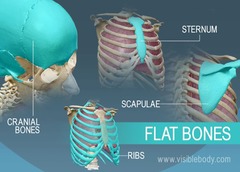
flat bones
thin, flattened, and usually curved bones such as sternum and ribcage
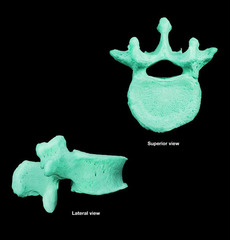
irregular bones
bones that are not shaped like any other bones
how many bones does the typical person have
206 bones

Articular cartilage
hard but smoother than bone; every joint or bone where bone touches bone
Arthritus
articular cartilage is inflamed or worn down

Periosteum
very soft tissue that is outside the bone; serosal epithelial tissue
Epiphyseal Plate
sectional plate of either end of a long bone; aging red bloomers turn yellow with age
osteogenic cells
Develop into osteoblasts
Deep layers of the periosteum and the marrow
osteoblast cells
generates/ builds bone cells
osteocyte cells
maintain mineral concentration of matrix
osteoclast cells
Bone-destroying cells
Haversian system (Osteon)
microscopic unit of compact bone
perforating canal
runs through the side of the bone at 90 degrees
Trabeculae
sections of spongy bone
Closed fracture
Bone doesn't move or pierce the skin
transverse fracture
straight across break/ fracture
spiral fracture
spirals around the bone
comminuted fracture
more than two parts (shattered)
oblique fracture
slant (typically somewhere near 30 degrees but not always)
impacted fracture
how it happens (transversal)
greenstick fracture
missing part of bone (usually found in kids whose bones are still developing)
stages of bone healing
1. hematoma formation
2. soft/cartilage callus formation
3. begins to harden and bony callus formation occurs
4. bone remodeling stage