Archaeology Lecture 2
 Call Kai
 Learn
Learn Practice Test
 Spaced Repetition
 Match
Match Flashcards
 Knowt Play
1/11

There's no tags or description
Looks like no tags are added yet.
Name | Mastery | Learn | Test | Matching | Spaced | Call with Kai | Chat |
|---|
No analytics yet
Send a link to your students to track their progress
12 Terms
distinctive human traits
bipedal locomotion
meat eating
manufacture & use of tools
large brain & intelligence
Hominins
humans and all human ancestors
first appeared in East Africa between 10- 5 mya
~7 mya in the Miocene era
evidence of bipedalism in Hominins
definitive evidence from 4 mya
Lucy
Australopithecus afarensis skeleton from 3.2 mya
shows evidence of walking on two legs
found by Donald Johanson and Tom Gray
Laetoli footprints
88-foot trail of early hominin footprints in Laetoli, Tanzania
from 3.6 mya
excavated by Mary Leaky

Homo Habilis
2.5 to 1.6 mya
Bigger brains than Australopithecus related to tool use
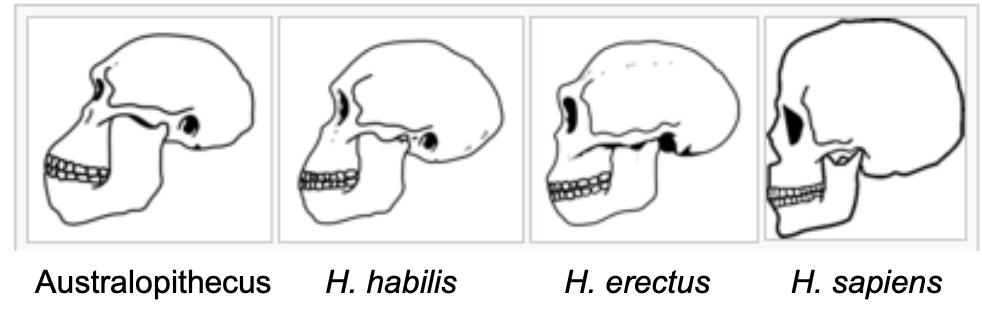
Louis & Mary Leaky
married British Paleoanthropologists whose discoveries proved that humans originated from Africa
they excavated Olduvai Gorge (Tanzania)
found the existence of Homo Habilis
Laetoli footprints
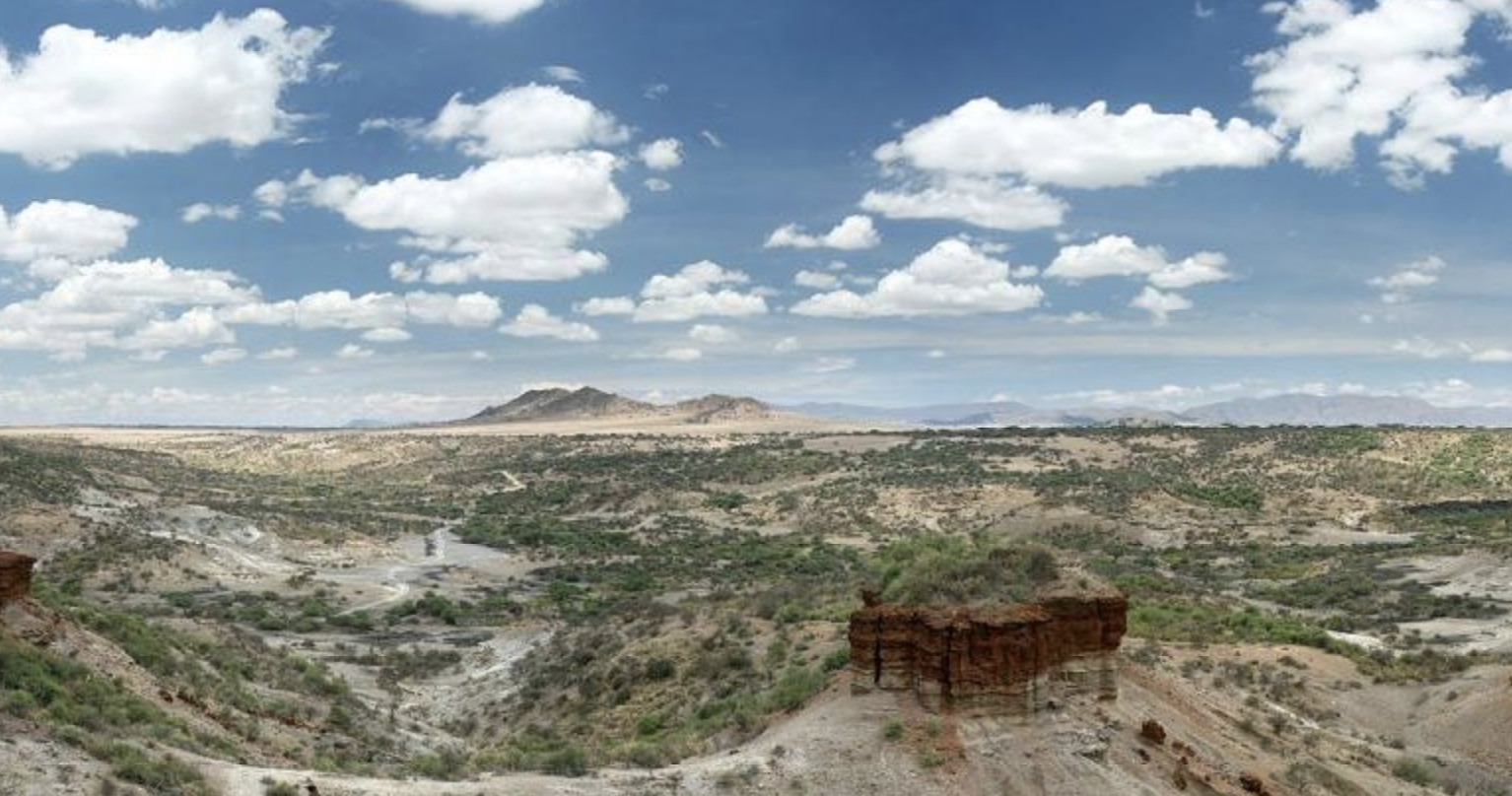
Olduvai Gorge
It formed through tectonic activity, located in northern Tanzania
contains many preserved skeletons of early Homonins
shows multiple vertical layers from 1.9 mya- 400 kya
Remains of large animals and stone tools
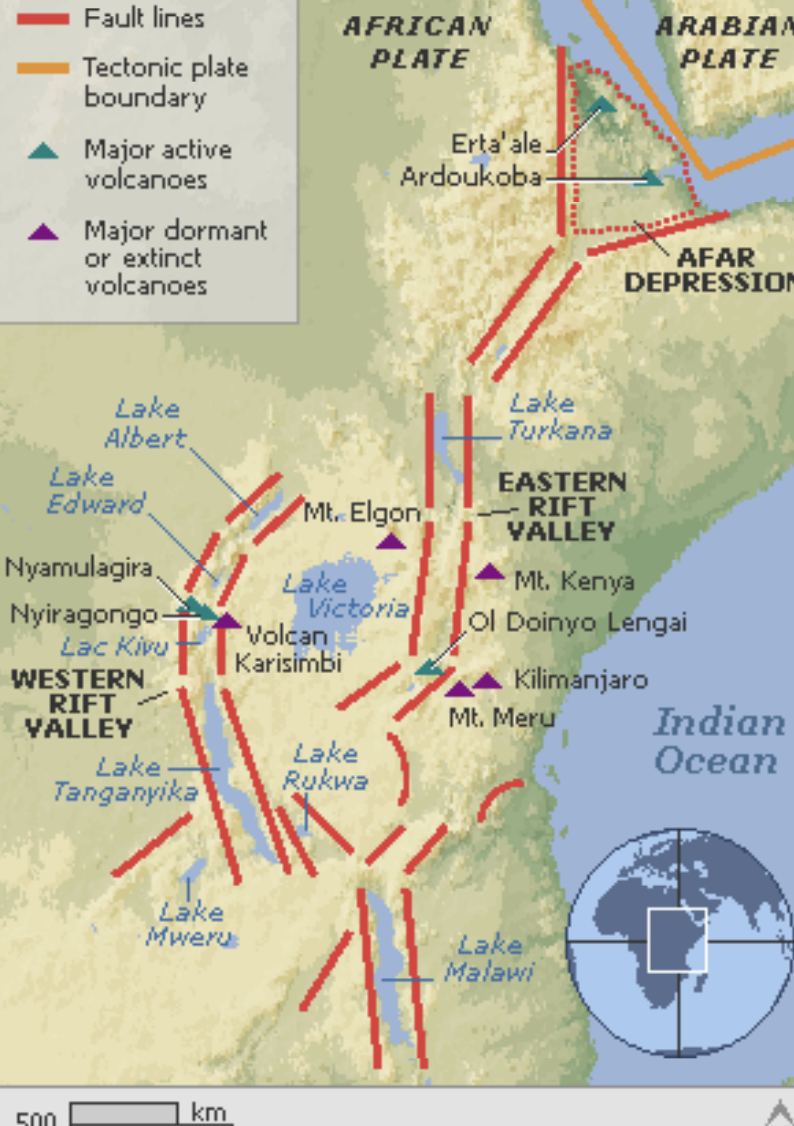
Great rift valley
A massive continuous trench and geological depression
includes the Olduvai Gorge
Was formed 20 to 30 million years ago by tectonic plates
from Syria (south Asia) to Mozambique (southern Africa)
preserved millions of years of Hominin fossils and tools
Lucy was found in the Afar depression (Ethiopia)
Oldest stone tools
Oldowan & Lomekwi tool industry
The oldest lomekwi tools dates back 3.3 mya (Lomekwi 3 site Kenya)
Basal paleolithic

Early hominin tool use is a cultural adaptation for
meat eating (Carnivory)
Evidence that humans were scavengers
cut marks from tools on bones
tooth marks on bones from animals indicates animals were there first