Low Countries: Notable Groups, Organizations, and Movements
 Call Kai
 Learn
Learn Practice Test
 Spaced Repetition
 Match
Match Flashcards
 Knowt Play
1/8

There's no tags or description
Looks like no tags are added yet.
Name | Mastery | Learn | Test | Matching | Spaced | Call with Kai | Chat |
|---|
No analytics yet
Send a link to your students to track their progress
9 Terms
The Flanders Council (All Facts)
Provided foreign merchants significant privileges including
tolls being reduced
accounting methods being simplified
bills of exchange being introduced
1200s - 1500s - Beguines (All Facts)
Religious lay order of women best known as “beggars” who served their communities by begging (some worked as textile workers)
Communities of single women over thirty who chose to live together in peace and prayer
They were easily identifiable by the black dresses and white veils that they worse
They were committed to stay in the namesake place for six years after one year of initiation
They were characterized by a theological independence demonstrated by their translations of the Bible and at their strict meetings
This worried the catholic establishment in France, Germany, and Belgium
The Bishop of Mainz in Germany
initiated the second Church crackdown on the activities of the namesake group
accused them of being idle, gossiping vagabonds who refused to obey men under the pretext that God is best served in freedom
excommunicated the namesake beggars
threatened to evict the namesake beggars from their parishes
1300s - Brethren of Common Life (All Facts)
Founded by Gerard Groote
Group members who were not bound by permanent vows, and lived together under a rule, holding all things in common and earning their own livelihoods
1517 - College of Three Languages (All Facts)
College which taught Hebrew, Greek, and Latin
College located at Louvain (modern-day Belgium)
College founded by Desiderius Erasmus

1560s - Mennonites (All Facts)
1567 - Council of Troubles (All Facts)
Tribunal established by Fernando Álvarez de Toledo on the orders of King Philip II of Spain to punish the ringleaders of the recent political and religious troubles in the Netherlands / Low Countries
It was a newer and more sinister form of the already-established Inquisition in the Netherlands (still separate from Spain’s)
It was nicknamed “The Council of Blood” / “The Court of Unrest”
Established by Fernando Alvarez de Toledo, who
organized the arrests of thousands just in one spring
oversaw the execution of 1,000 alleged heretics
oversaw the stripping of property of 8,000 alleged heretics
oversaw the seizing and burning of 500 alleged heretical books in the Calvinist city of Tournai
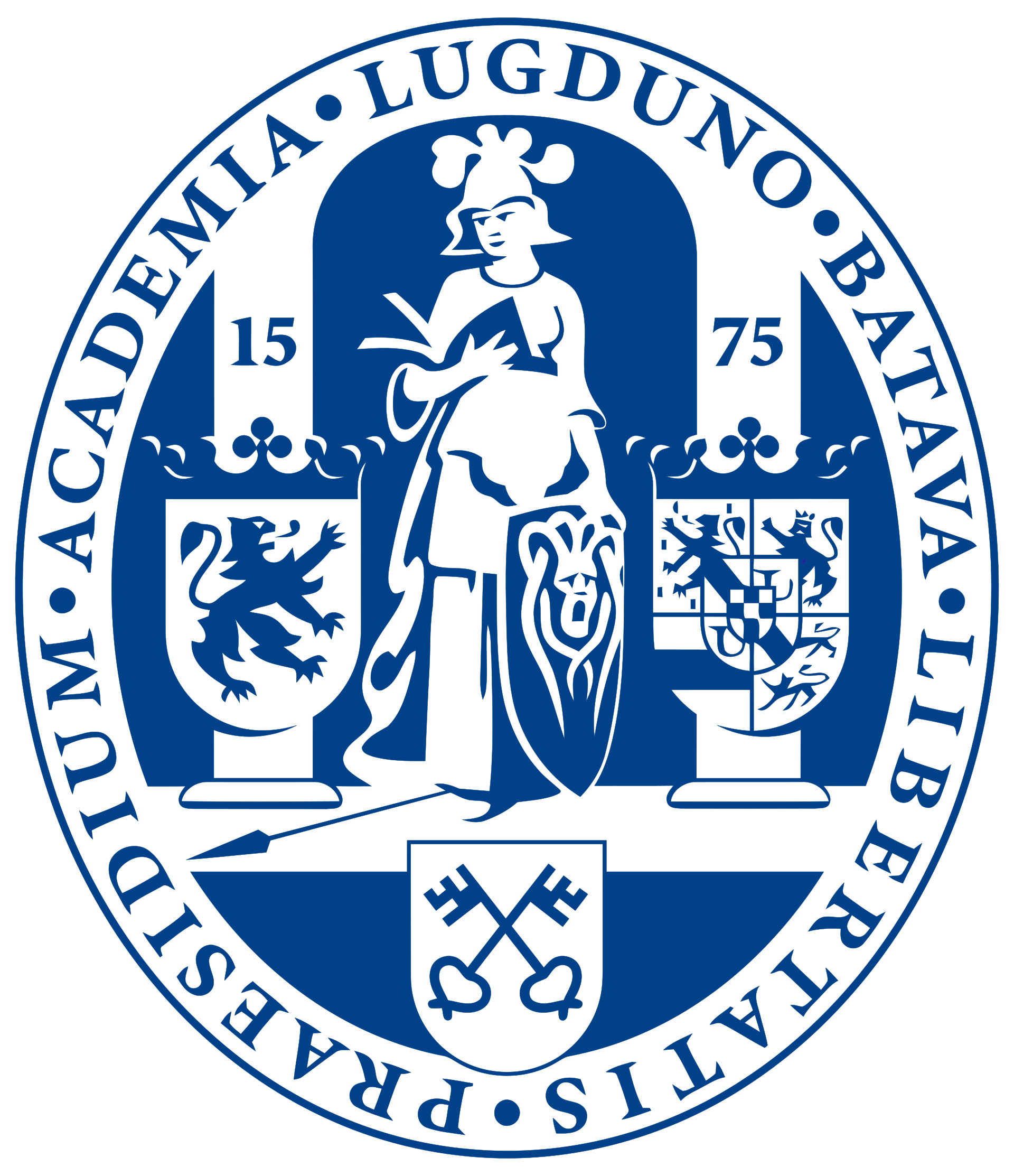
1574 / 1575 - University of Leyden / Leiden University (All Facts)
Founded by William of Orange in the (Spanish) Netherlands during the reign of King Philip II and Luis de Requesens y Zúñiga
It became the center of intellectual excellence during the Dutch Golden Age
1618 - (Brussels) Mount of Piety (All Facts)
Pawnshop opened in the “Catholic Netherlands” in which people of modest means could borrow money at a low interest rate upon leaving a security