Parl Guide Study Guide

0.0(0)
Studied by 0 people
call kaiCall Kai
learnLearn
examPractice Test
spaced repetitionSpaced Repetition
heart puzzleMatch
flashcardsFlashcards
GameKnowt Play
Card Sorting

1/131

encourage image

There's no tags or description

Looks like no tags are added yet.

132 Terms

1
New cards

Prorogation

The end of a session. MPs keep their seats, there is no election, and bills die on the Order Paper.

2
New cards

Dissolution

The end of a Parliament. It triggers an election and ends all business.

3
New cards

Order of reference

A task given to a committee (a big study, a bill after second reading, or a pre-study).

4
New cards

Committee of the Whole

A committee made of every member of one chamber, used for speed or supply bills.

5
New cards

Responsible government

The PM and Cabinet must keep the confidence of the House to stay in power.

6
New cards

Deadlock clause

Lets the PM ask the Monarch to add 4 or 8 senators (used once, in 1990, for the GST).

7
New cards

Beaux-Arts style

Grand, symmetrical, classical style meant to show wealth. The Senate of Canada Building is Ottawa's first example.

8
New cards

Hansard

The written transcript of debates.

9
New cards

Scrum

The media scramble after Question Period.

10
New cards

Crossing the floor

An MP switching parties.

11
New cards

In camera

A private committee meeting with no public access.

12
New cards

Grotesque vs gargoyle

A gargoyle is a grotesque that also works as a waterspout.

13
New cards

Whip

Makes sure members attend and vote with their party.

14
New cards

Order and Notice Paper

The Senate document that lists all business before it.

15
New cards

Why is the Senate red and the House green?

Red is the colour of royalty (the Monarch or GG speaks from the Senate). Green follows the British House of Commons tradition, and nobody knows exactly why.

16
New cards

Who can start a money bill?

Only the House of Commons. The Senate must still approve it.

17
New cards

How is each Speaker chosen?

Senate: appointed by the GG on the PM's advice. House: elected by secret ballot.

18
New cards

Which Speaker can break a tie?

The House Speaker, and only in a tie. The Senate Speaker can't (they must vote before the others).

19
New cards

How long is Question Period in each chamber?

House: 45 minutes. Senate: 30 minutes.

20
New cards

Which way does each Mace point?

House: toward the government. Senate: toward the thrones and the Speaker's chair.

21
New cards

Why can't the Senate defeat a government?

The Senate is not a confidence chamber.

22
New cards

The Senate has ____ seats and the House has ____.

105; 343

23
New cards

Senators must retire at age ____.

75

24
New cards

Royal Assent has ____ been refused to a federal bill.

never

25
New cards

A party needs ____ MPs for official status. A Senate group needs ____ senators.

12; 9

26
New cards

The Senate can delay a constitutional amendment for only ____ days.

180

27
New cards

The Peace Tower is ____ m tall and holds ____ bells.

92; 53

28
New cards

The Centre Block fire started on February ____, ____.

3; 1916

29
New cards

The Rhodes Chair is the ____ chair in West Block.

Speaker's

30
New cards

Bills about taxes or spending must start in the ____.

House of Commons

31
New cards

A bill is still in committee when the session ends. What happens?

It dies, but it can be reintroduced (usually at first reading).

32
New cards

The PM wants to pause Parliament without an election. What tool?

Prorogation. MPs keep their seats.

33
New cards

A Senate committee vote ends in a tie. What happens?

The motion fails. The chair has no tie-breaking vote.

34
New cards

An MP is unhappy with a minister's answer in Question Period. What can they do?

Raise it again in Adjournment Proceedings ("the late show").

35
New cards

A senator introduces a bill to raise taxes. Allowed?

No. Money bills must start in the House.

36
New cards

A government loses a confidence vote. What are its options?

The PM resigns or asks for an election.

37
New cards

The Senate amends a House bill. What next?

It goes back to the House. Both chambers must pass the identical bill.

38
New cards

A visitor claps in the public gallery. Allowed?

No. Visitors can't applaud, speak, take photos or show political messages.

39
New cards

How a bill becomes law (7 steps)

First reading → Second reading → Committee → Report stage → Third reading → Other chamber (repeat) → Royal Assent

40
New cards

Becoming a senator

Vacancy → Independent Advisory Board shortlists 5 names → PM advises → GG appoints

41
New cards

Speech from the Throne

Black Rod knocks 3 times at the House → Sergeant-at-Arms challenges → MPs walk to the Senate → Speaker claims Commons' rights at the Bar → GG reads the speech

42
New cards

Royal Assent ceremony

GG takes the Speaker's chair → Black Rod knocks 3 times → Mace comes down, MPs go to the Senate → request made and bill title read → GG nods

43
New cards

A day in the Senate

Speaker's Parade → Prayers → Senators' Statements → Routine Proceedings → Question Period → Orders of the Day

44
New cards

A day in the House

Statements → Question Period → Routine Proceedings → Government Orders → Private Members' Business → Adjournment Proceedings

45
New cards

Senate of Canada Building timeline

Grand Trunk Central Station (1912) → Centennial Centre (1966) → Government Conference Centre (1968) → Interim Senate (2018)

46
New cards
<p>Which Shield, and when did this province join Canada?</p>

Which Shield, and when did this province join Canada?

Alberta, 1905

47
New cards
<p>Which Shield, and when did this province join Canada?</p>

Which Shield, and when did this province join Canada?

Ontario, 1867
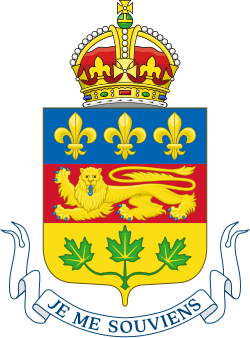
48
New cards
<p>Which Shield, and when did this province join Canada?</p>

Which Shield, and when did this province join Canada?

Quebec, 1867

49
New cards
<p>Which Shield, and when did this province join Canada?</p>

Which Shield, and when did this province join Canada?

Nova Scotia, 1867
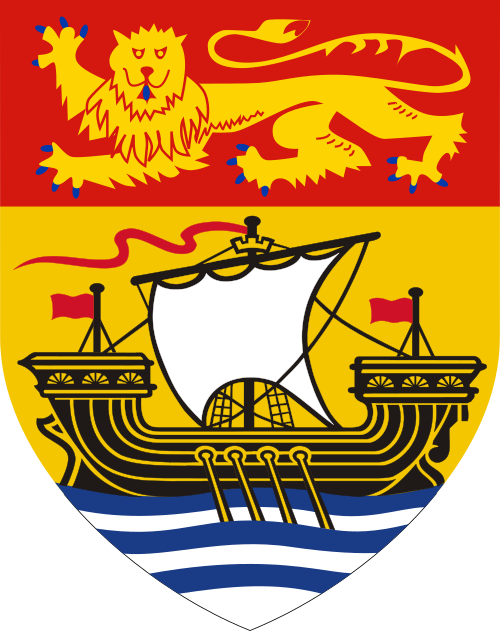
50
New cards
<p>Which Shield, and when did this province join Canada?</p>

Which Shield, and when did this province join Canada?

New Brunswick, 1867
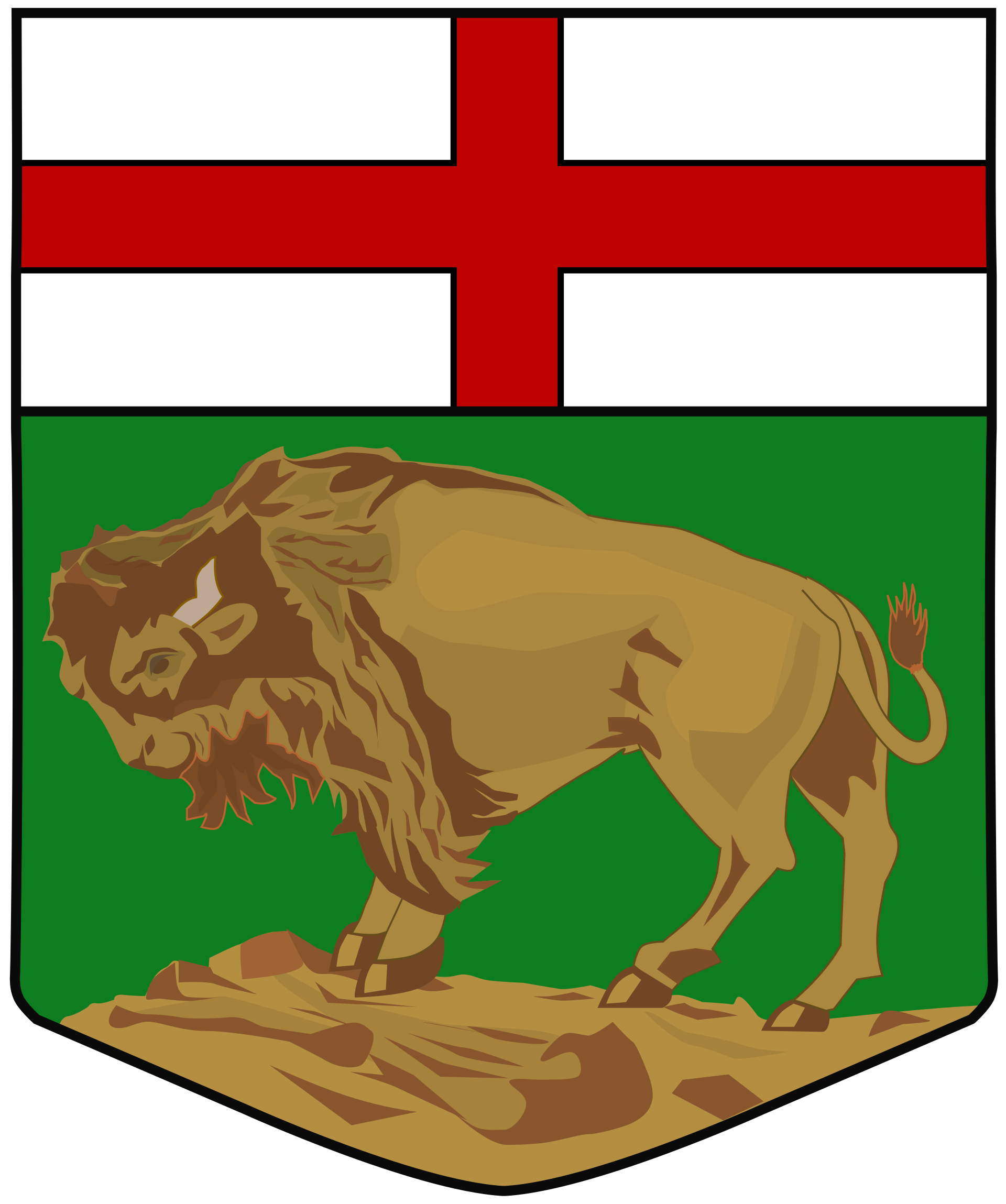
51
New cards
<p>Which Shield, and when did this province join Canada?</p>

Which Shield, and when did this province join Canada?

Manitoba, 1870
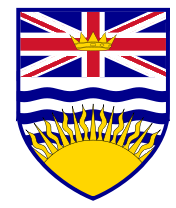
52
New cards
<p>Which Shield, and when did this province join Canada?</p>

Which Shield, and when did this province join Canada?

British Columbia, 1871
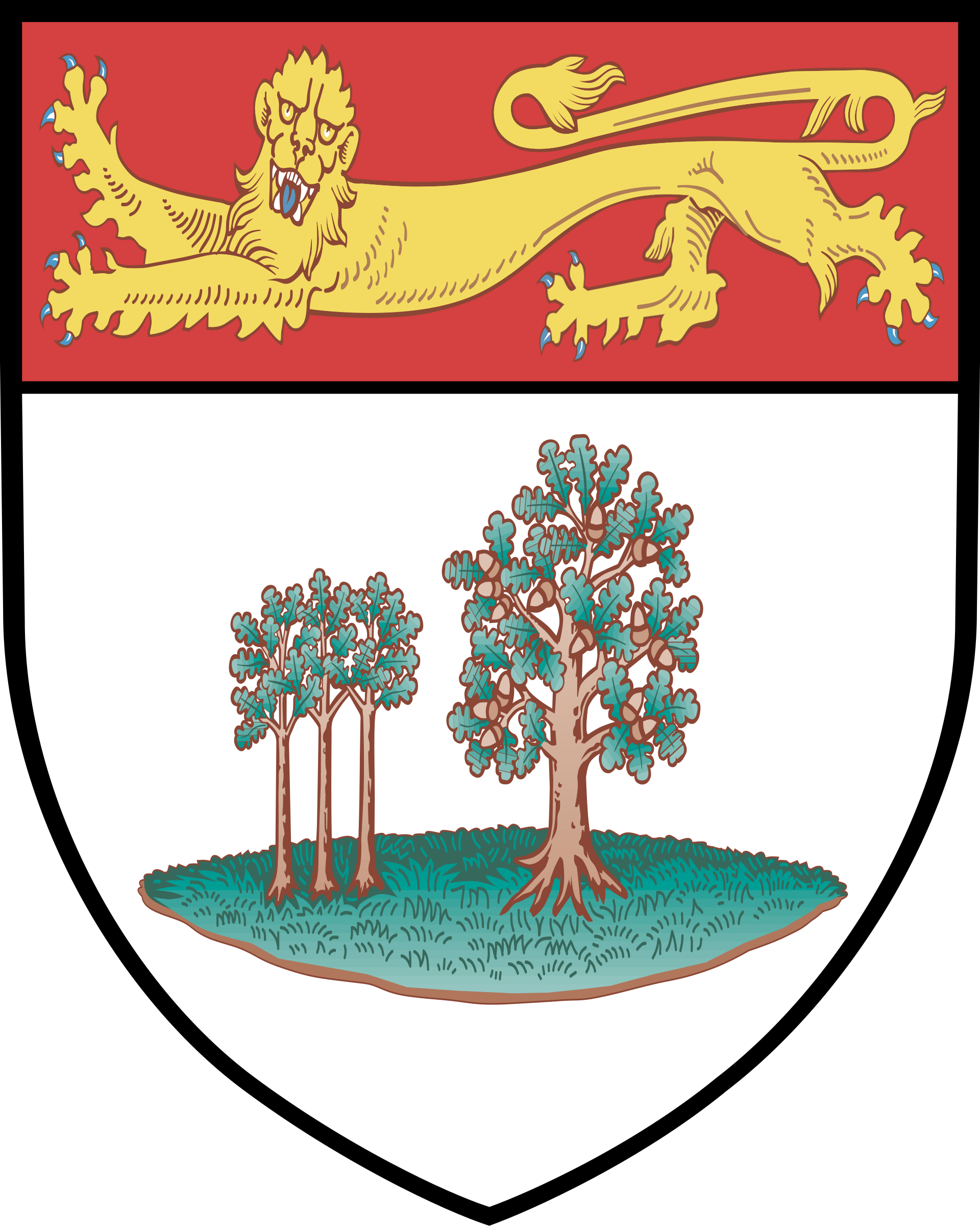
53
New cards
<p>Which Shield, and when did this province join Canada?</p>

Which Shield, and when did this province join Canada?

Prince Edward Island, 1873
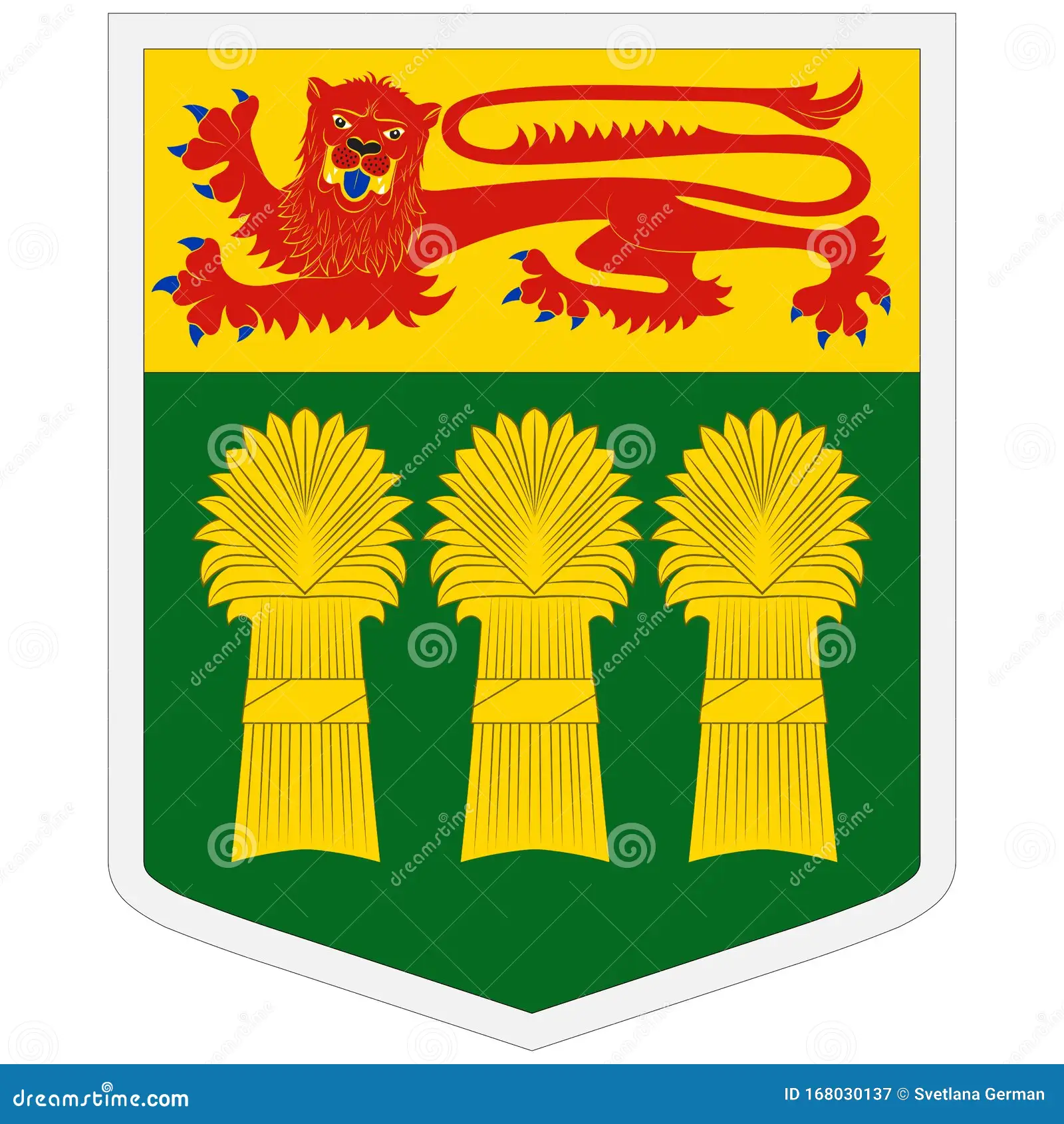
54
New cards
<p>Which Shield, and when did this province join Canada?</p>

Which Shield, and when did this province join Canada?

Saskatchewan, 1905
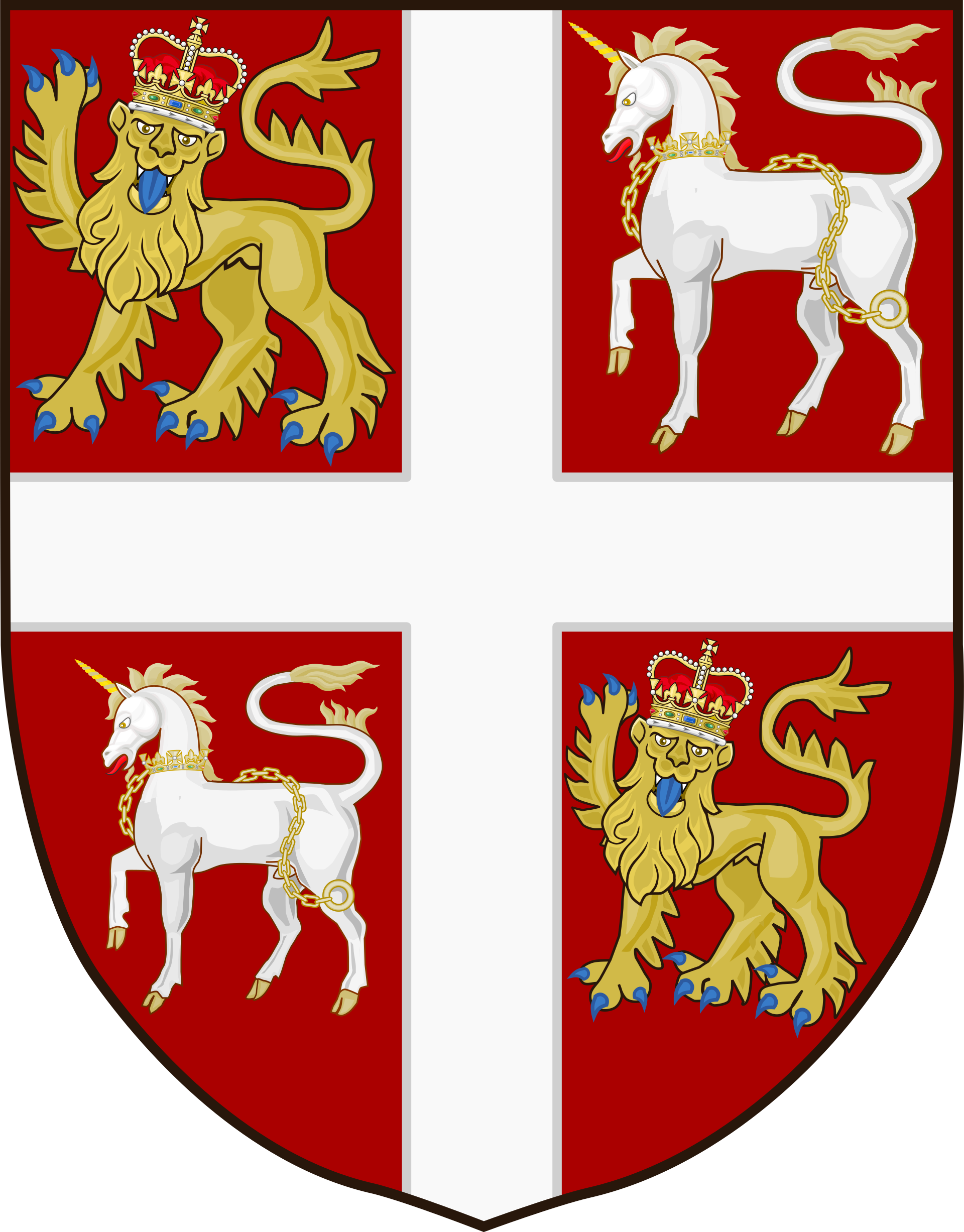
55
New cards
<p>Which Shield, and when did this province join Canada?</p>

Which Shield, and when did this province join Canada?

Newfoundland and Labrador, 1949

56
New cards
Reserve powers
GG powers for exceptional cases only (dismiss a PM, dissolve or refuse to dissolve Parliament, delay or refuse Royal Assent).
57
New cards
Parliamentary group
A Senate group of 9 or more senators that isn't a party (Independent Senators Group, Canadian Senators Group, Progressive Senate Group).
58
New cards
LTVP
The Long-Term Vision and Plan. A 25-year, five-phase program started in 2001 to fix the Parliamentary Precinct.
59
New cards
Private member's bill
A bill from a senator or MP who is not a minister or parliamentary secretary.
60
New cards
Bar of the House
The brass railing at the Chamber entrance. It guards against uninvited representatives of the Crown.
61
New cards
Seniority Board
Lists senators by date of appointment. The top arch shows the current Speaker.
62
New cards
Caretaker mode
What the government does after dissolution (routine business only).
63
New cards
Neo-Gothic
Any style after the 16th century inspired by Gothic architecture.
64
New cards
Portfolio
The department or area a minister runs.
65
New cards
His Majesty's Loyal Opposition
The second-largest party in the House.
66
New cards
Recess
The time between prorogation and the next session.
67
New cards
Which country first televised its parliamentary debates live?
Canada, on October 17, 1977.
68
New cards
Why was Ottawa chosen as the capital?
It sits on the English-French border, is far from the US, and is on a defensible cliff.
69
New cards
What was the Senate of Canada Building before?
Grand Trunk Central Station (a train station), then a conference centre.
70
New cards
Name three firsts honoured in Parliament.
Cairine Wilson (first woman senator), James Gladstone (first First Nations senator, 1958), Agnes Macphail (first woman MP, 1921).
71
New cards
Who was the first woman Speaker of the Senate?
Muriel McQueen Fergusson.
72
New cards
What happens in the House every February 3?
The wooden Mace is brought in to mark the 1916 fire.
73
New cards
Where does the Monarch or GG give the Speech from the Throne?
In the Senate Chamber.
74
New cards
Can the Senate veto a House bill? Can the House of Lords?
The Senate can. The Lords can only delay (about a year).
75
New cards
What does the Turning of the Page ceremony do?
Turns the pages of the Books of Remembrance daily at 11 a.m.
76
New cards
Parliament has three parts: the Monarch, the Senate and the ____.
House of Commons
77
New cards
A senator must be between ____ and ____ years old.
30; 75
78
New cards
In the House, each question and answer gets ____ seconds.
35
79
New cards
The House has ____ opposition days a year.
22
80
New cards
Bill C-1 is always about ____ of Office. Bill S-1 is always about ____.
Oaths; railways
81
New cards
The Constitution Act, 1982 includes the Canadian Charter of ____ and Freedoms.
Rights
82
New cards
The 7/50 formula needs ____ provinces with at least ____% of the population.
7; 50
83
New cards
A party leader loses their seat. What can happen?
They stay on as leader. A safe-riding MP can resign so they run in a by-election.
84
New cards
You need a one-time study on a single issue. Which committee?
A special committee. It ends after its final report.
85
New cards
A province has a special interest in a bill at a Senate committee. What must happen?
The committee must invite it to present (a rule since 1985).
86
New cards
A minority government wants a bill passed. What does it need?
Support from other parties.
87
New cards
A senator turns 75. What happens?
They must retire.
88
New cards
A group wants to speak to a committee about a bill. How?
Send a brief or ask to be a witness. Members choose who is heard.
89
New cards
The GG can't attend a ceremony to give Royal Assent. What other way?
A written declaration, or a deputy (like the Chief Justice) signs.
90
New cards
A change affects only some provinces. Which amendment route?
Section 43: only the provinces affected must agree.
91
New cards
A change would alter the composition of the Supreme Court. What is needed?
Unanimous consent (section 41).
92
New cards
Parliamentary cycle
Election → Parliament begins → Speech from the Throne (session starts) → sittings → prorogation (session ends) → recess → new session → dissolution → election
93
New cards
Committee stage
Bill referred after second reading → witnesses heard → clause-by-clause study → amendments voted → chair reports back to the chamber
94
New cards
Centre Block history
Built 1859-1867 → fire, 1916 → reopened, 1920 → Peace Tower done, 1927 → rehab begins, 2018 → target finish 2030-2031
95
New cards
Five ways to amend the Constitution
7/50 formula → unanimous consent → some but not all provinces → Parliament alone → provincial legislatures alone
96
New cards
Senate written questions
Oral question → Government Representative may defer → written question to Clerk → published in Order and Notice Paper → answer given
97
New cards
Who is this? First PM of Canada; one of the main architects of Confederation.
Sir John A. Macdonald
98
New cards
Who is this? Second PM; a stonemason who ran Public Works himself and had a secret staircase under West Block's tallest tower.
Alexander Mackenzie
99
New cards
Who is this? First Canadian-born PM; one of only two PMs to lead from the Senate.
Sir John Abbott
100
New cards
Who is this? PM who created the Criminal Code and died in office at Windsor Castle.
Sir John Thompson



