Cell Structure and Diversity 5,16
 Call Kai
 Learn
 Practice Test
 Spaced Repetition
 Match
 Flashcards
 Knowt Play
1/57

There's no tags or description
Looks like no tags are added yet.
58 Terms
unicellular
an organism consisting of just one cell
multicellular
an organism composed of multiple cells

eukaryotic cells
cells containing a nucleus and membrane-bound organelles
organelles
structures within cells which carry out a particular role
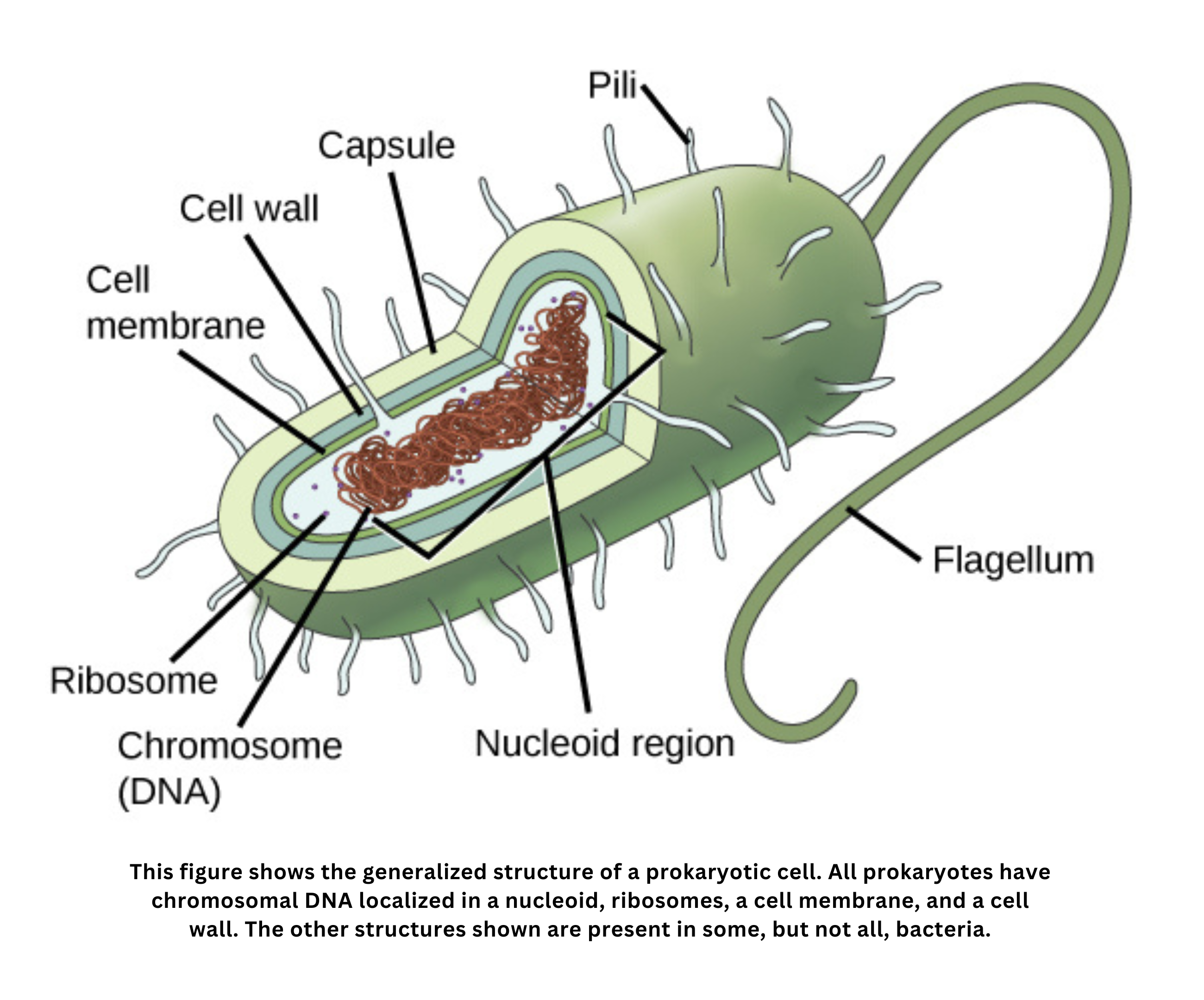
prokaryotic cells
cells that do not contain a nucleus or membrane-bound organelles
nucleoid
the region in a prokaryotic cell where the genetic material is found
cytoplasm
the contents of the cell excluding the nucleus
cytosol
the liquid part of the cytoplasm
animal cells…
do not have a cell wall, do not have chloroplasts, contain small, non-permanent vacuoles
plant cells…
do have a cell wall, do have chloroplasts, contain large permanent vacuoles
magnification of electron microscope
up to 1000000x
cell ultrastructure
the structure of a cell as seen under an electron microscope
2 types of electron microscope
transmission electron microscope (TEM), scanning electron microscope (SEM)
a TEM shows…
the internal structure of a specimen
an SEM shows…
the surface of a specimen
semi-permeable
describes how a membrane allows some small molecules through it
selectively permeable
describes how a cell membrane actively controls the entry and exit of materials in a cell
nucleus
the control centre of the cell, contains DNA wrapped around proteins called histones
Chromatin
consists of DNA wrapped around proteins called histones
chromosomes
condensed, wound up chromatin
Genes
sections of DNA in chromosomes that carry instructions for making proteins

the cell membrane is made up of…
2 layers of phospholipids, known as lipid bilayer

mitochondria
organelles responsible for respiration, the release of energy from food
cristae
folds of mitochondrion’s inner membrane
matrix
gel-like fluid enclosed by inner membrane

ribosomes
the organelles responsible for protein synthesis

endoplasmic reticulum (ER)
organelle responsible for lipid and protein synthesis
rough ER
covered in ribosomes, site of protein synthesis
smooth ER
no ribosomes
cisternae
interconnected tubes making up the ER or membrane-bound sacs making up Golgi apparatus

Golgi apparatus
responsible for packaging protein and lipids manufactured in the ER
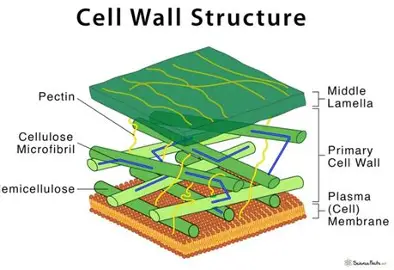
cell wall
rigid extracellular layer made of cellulose providing strength and support that prevents cell from bursting
fully permeable
all substances pass through it, e.g cell wall
middle lamella
the space between the cell wall of two cells

chloroplasts
the organelles responsible for photosynthesis; they contain the pigment chlorophyll
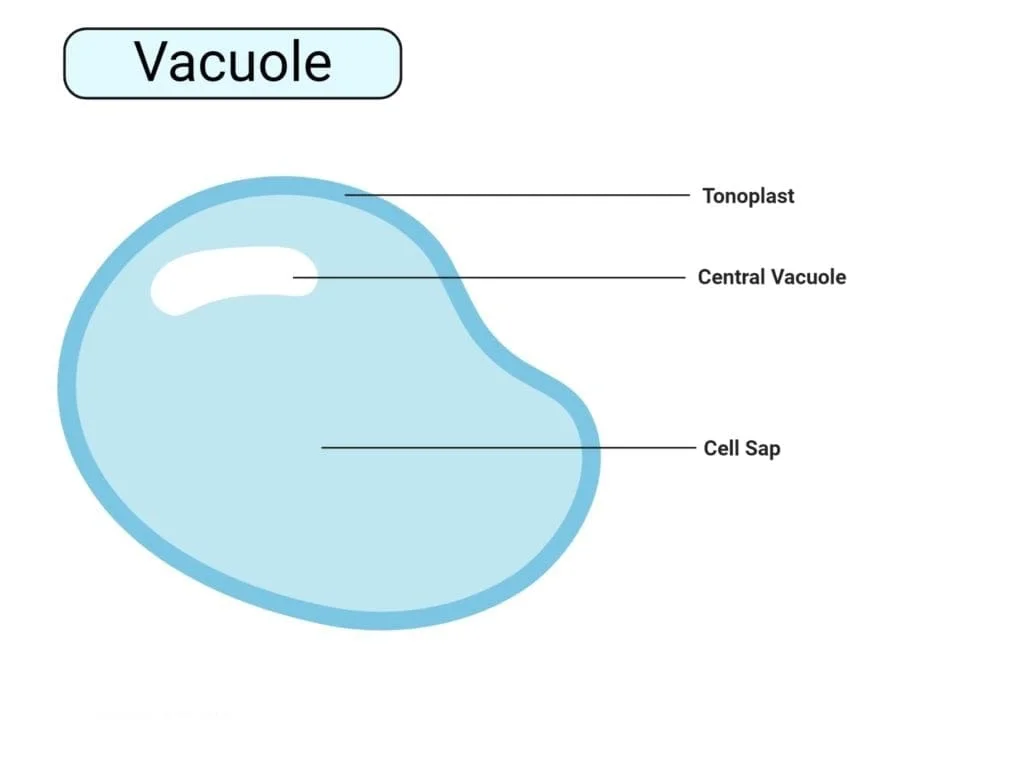
vacuoles
membrane‑bound compartments inside a cell that store water, nutrients, and waste materials
turgor
internal pressure exerted by the large vacuole on the cell wall

light microscope magnifications
4x, 10x, 40x
specialised cells
cells that have altered structures to match their specific function
tissue
a group of similar specialised cells carrying out a specific function
organ
a group of different tissues working together to perform a specific function
organ system
multiple organs cooperating to carry out a specific function
stem cells
unspecialised cells in the body
pluripotent
stem cells that can become any type of cell in the body, e.g embryonic
multipotent
stem cells that can develop into a limited number of other cells, e.g haematopoietic cells into blood cells
cloning
artificial copies of stem cells produced in a lab
induced pluripotent
cells that are reverted back to pluripotent cells by scientists

identify organelle
vacuole
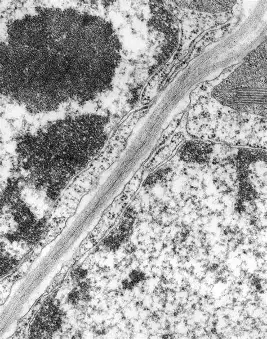
identify organelle
cell wall

identify organelle
ribosomes

identify the organelle
Golgi apparatus
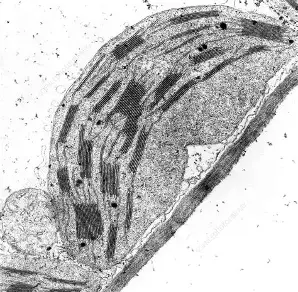
identify the organelle
chloroplast

identify the organelle
endoplasmic reticulum

identify the organelle
mitochondria

identify the organelle
nucleus

identify the organelle
cell membrane

identify the cell
plant cell

identify the cell
animal cell