Diseases of the neonatal lamb 1
 Call Kai
 Learn
Learn Practice Test
 Spaced Repetition
 Match
Match Flashcards
 Knowt Play
1/33

There's no tags or description
Looks like no tags are added yet.
Name | Mastery | Learn | Test | Matching | Spaced | Call with Kai | Chat |
|---|
No analytics yet
Send a link to your students to track their progress
34 Terms
What are the causes of still born lambs/ lambs dead in first 24 hours?
‘Birth stress’ resulting in a failure to suck, hypothermia etc.
Anoxia/hypoxia
Ruptured liver
Fractured ribs
Brain haemorrhage
List some of the causes of post partum neonatal lamb losses?
Hypothermia
Starvation
Infections
Predation
Accidents
Congenital defects
List some of the common infections causing neonatal lamb death
Watery mouth
Salmonella
Cryptosporidia
Septicaemia
Meningitis
Joint ill
Clostridial Disease
Pasturellosis
What volume of colostrum should a lamb receive in first feed and in first 24 hours?
50 ml/kg first feed
200ml/kg in 24 hours
What is the main methods used to assess passive transfer?
Brix threshold- 26%
Serum TP 5.5g/dL- do a good sample size
What are the risk factors for poor colostrum intake?
Concurrent disease- dystocia, lameness, fluke
Under nutrition of ewe
Breeding- mothering, lamb vigour
Age of ewe
Multiple births
Lambing environment
What are some of the substitutes that can be used for colostrum?
Ewe colostrum (spare from other sheep)
Goat colostrum (must be CAE -ve flocks)
Cow colostrum
Commercial colostrum substitues
What are the limitations of cow clostrum?
Need to be Johnes and TB negative
Less energy so need 30% more
Immunological anaemia not common but can affect a lot of lambs in flock 10-20 days
Can have colostrum tested
Vaccinate clostridia
List some of the causes of. primary hypothermia
Out-door lambing
Younger ewes
Wet weather
Small birth weight
Failure to feed
How can hypothermia be prevented?
Later lambing period
Genetics- good mothers
Ewe nutrition
Provide field shelter
ID at risk lambs and give special attention
Lamb coats
What should you make sure before warming a lamb?
Don't warm hypoglycaemic lamb without giving glucose first
Will have hypoglycaemia fit
Use I.P. glucose
Oral admin of fluid to hypothermic lambs can cause regurg and inhalation pneumonia if not holding head up
What is the approach to starvation in a lamb?
Holding its head up: stomach tube
Not holding head up: IP 20% glucose solution
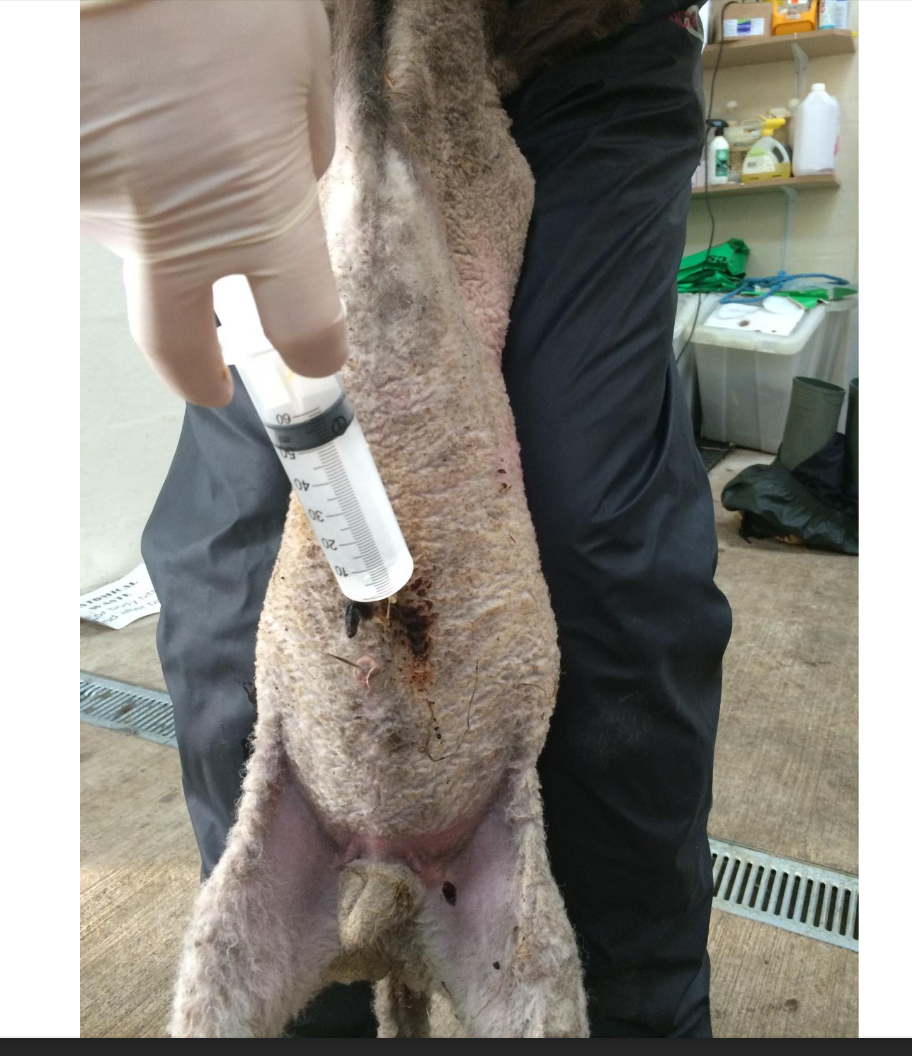
What are the common enteric diseases that can affect neonates?
Watery mouth
Lamb dysentery
ETEC
Septicaemia/meningitis
Pasteurellosis
Rotavirus
Salmonella spp.
Cryptosporidium parvum
Drunken lamb syndrome
What are the clinical signs of watery mouth?
12-72 hours of age
Dull
Unwilling to suck
Normothermic
‘watery mouth’ - saliva drooling from the muzzle.
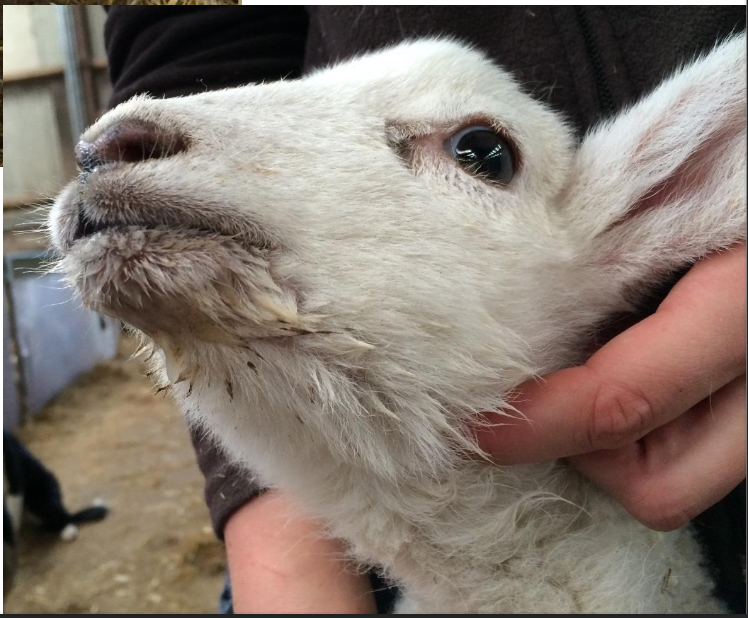
Profuse lacrimation
Frequently accompanied by abomasal tympany
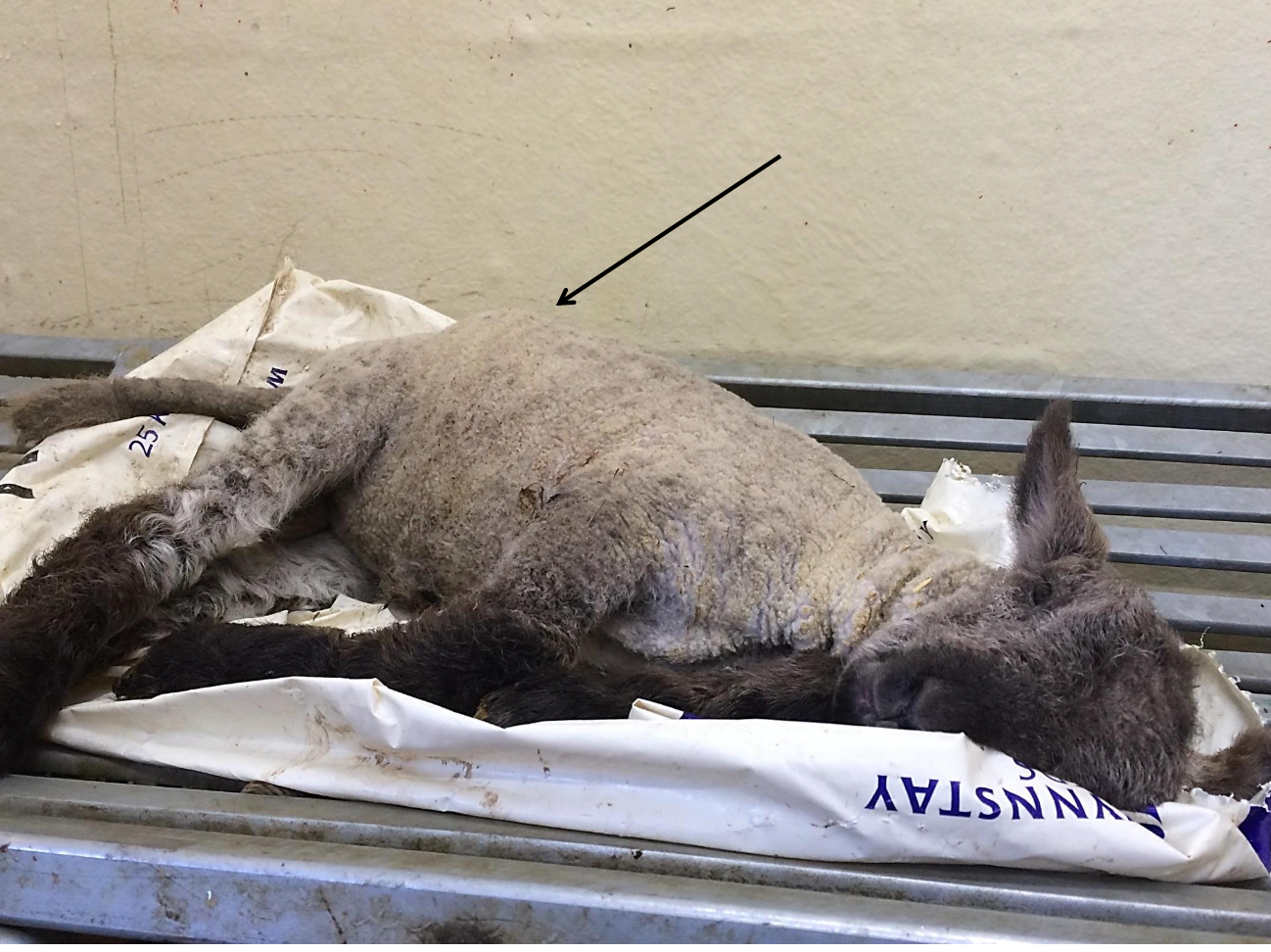
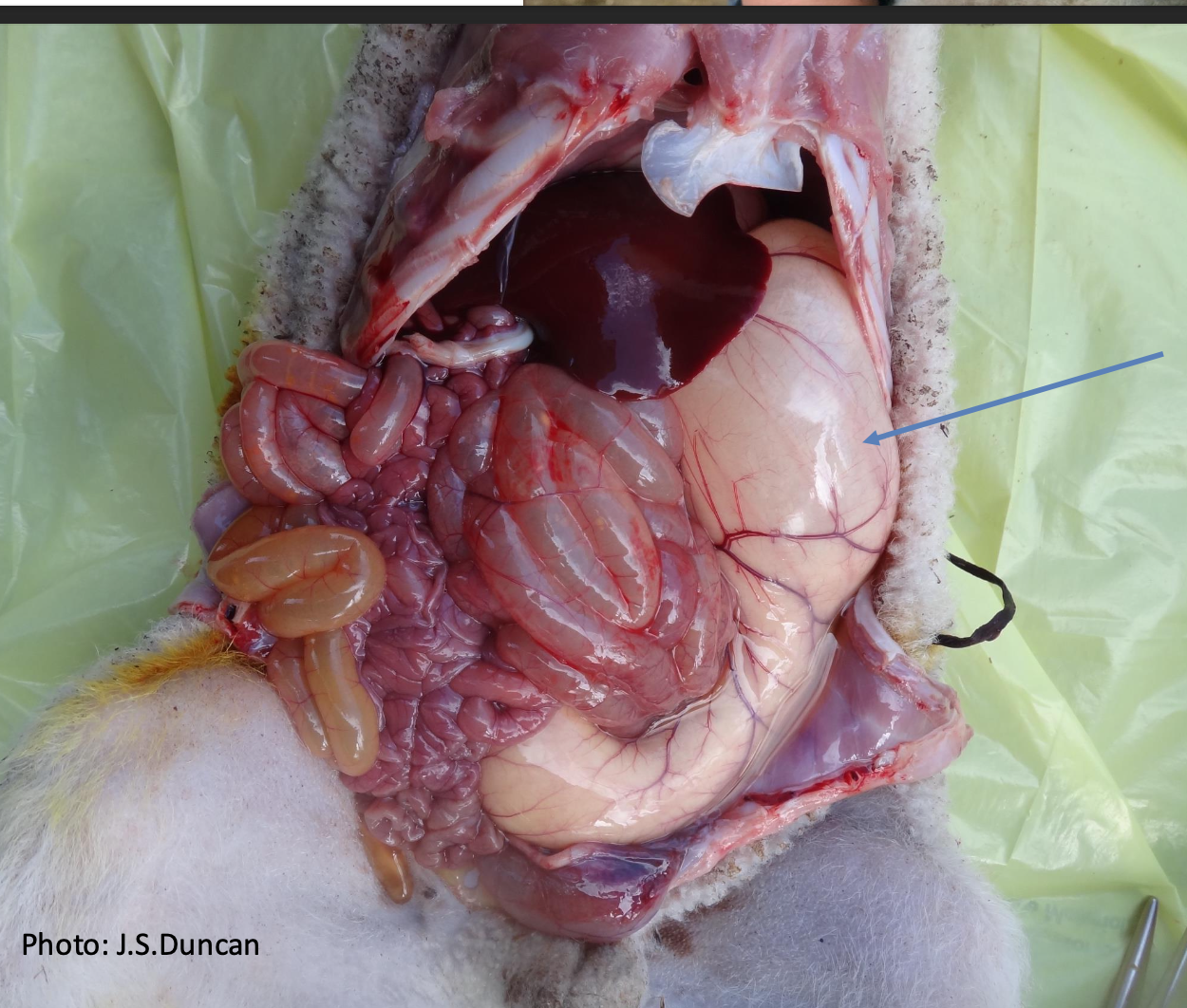
Scouring unusual – constipation/retained, meconium often present
What are the consequences of watery mouth?
Death within 24 hours common
Hypoglycaemia, hypothermia, lactic acidaemia
What are the ddxs for watery mouth?
Lamb dysentery
‘Neonatal Scours’ – E.coli K99, Rotavirus, etc.
‘Drunken lamb syndrome’ (lamb D-lactic acidosis syndrome)
Explain the aetiology and pathogenesis of watery mouth
Endotoxaemia caused by E. coli linked with unhygienic environment
Terminal hypoglycaemia, lactic acidaemia and lecuopenia
Delayed abomasal empyting in clinical cases
What are the risk factors for watery mouth?
Increased litter size
Lamb size – smaller lambs
Ewe condition
Time
Colostrum??
Housed lambs
How is watery mouth treated?
Not great evidence for treatment try-
Antibiotic
NSAID
Glucose/electrolyte solution by stomach tube
How is watery mouth prevented and controlled?
Adequate colostrum
Clean dry bedding
Cleaning and disinfection
What causes lamb dysentery?
Clostridium perfringens type B
How does lamb dysentery present?
1-3 days of age
Sudden death
Hemorrhagic diarrhoea in some cases
PM- dark red intestines, blood stained peritoneal fluid, pale friable liver
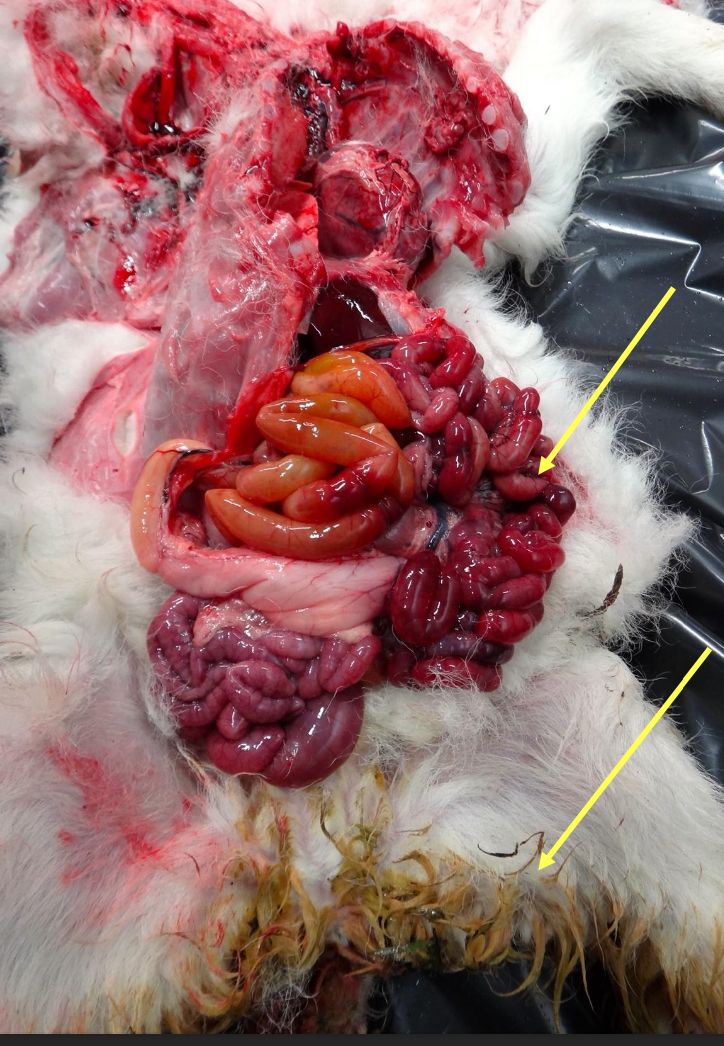
How is lamb dysentery prevented?
Vaccination of ewes with multivalent clostridial vaccines
– Good passive transfer of MDA
When does ETEC occur? What are the signs?
• First 24-48 hours of age
• Watery brown diarrhoea
How is ETEC treated and controlled?
Treatment with fluid therapy
• Control through hygiene , adequate colostrum intake, isolation of sick lambs
• Oral antibiotics
What are the main species of salmonella that cause issues in lambs? What do they cause?
S. typhimurium
S. dublin
Intestinal inflammation, reduced absorption, increased secretion
Bacteraemia and endotoxaemia
What are the clinical signs of neonatal salmonellosis?
Weakness
Profuse watery diarrhoea
Blood stained
Dehydration
Death
How is neonatal salmonellosis diagnosed?
Culture (warn about zoonosis)
What does cryptospridium parvum cause?
Villous atrophy in distal small intestine
Malabsorption, secondary fermentation and diarrhoea
Not very common bc tend to turn out before an issue (usually seen in pet lambs)
How do you treat crypto?
Supportive oral fluid therapy
Paromomycin
What is drunken lamb syndrome?
Aka lamb nephrosis, lamb D lactic acidosis syndrome
(Sporadic outbreaks)
Gut pathogens entering stomach causing villous atrophy, metabolic acidosis from D lactic acidosis
What are the clinical signs of drunken lamb syndrome?
7-10 days and 1-2 months
Ataxia
Stop sucking
Recumbent and depressed
High mortality ~ 100%
How is drunken lamb syndrome treated?
400ml of warm tap water
35g of Na bicarb
50ml given as a single oral bolus
How is drunken lamb syndrome prevented?
Hygiene
• Colostrum?
• Smaller lambs more at risk
• Towards the end of lambing