Archaeology of Mesopotamia Test 2
 Call Kai
 Learn
 Practice Test
 Spaced Repetition
 Match
 Flashcards
 Knowt Play
1/14

Earn XP
Description and Tags
Artifacts
15 Terms
Dilmun Style seals

Hammurabi Stele
Found in Susa (looted
from Babylon by the
Achaemenid Persians
in a much later period
(c.500 BCE))
• 282 laws

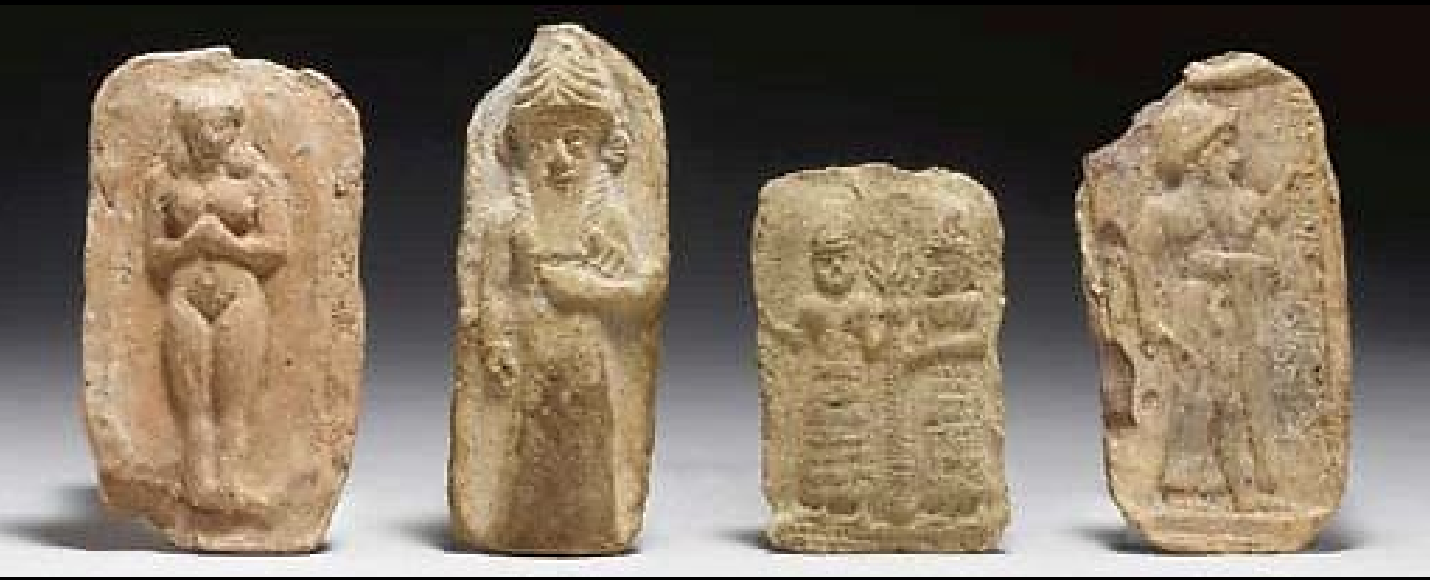
MBA Terracotta Plaques
• Mold-made (can be mass-produced)
• Unknown function – found equally in
temples and houses
• Apotropaic?
• Apotropaic = having the power to avert evil
influences or bad luck
• Thousands of examples
• MBA = period of experimentation with clay
forms (ceramics are utilitarian and
undecorated, though)

Tell Harmel, Terracotta lions

Duck Weights from Assur

Coiled silver used as currency

Stele of Dadusha (king of
Eshnunna – modern Tell Asmar)
records alliance with Shamshi-
Adad and Eshnunna’s victory
over the kingdom of Qabra
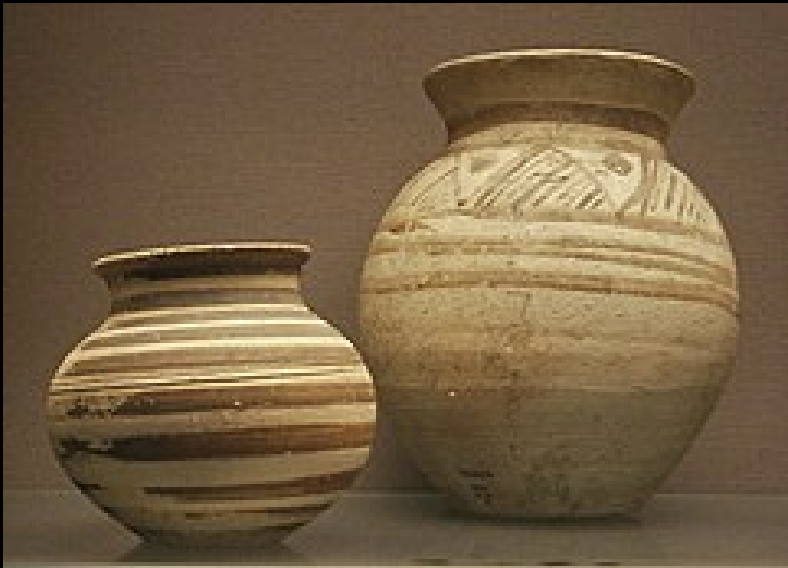
Khabur Ware, Simple painted
decorations – stripes,
cross-hatches,
triangles (usually
black, brown, and red
on buff ware

Kassite Button base jars

Kassite seals = long
cuneiform
inscriptions; divine
figures, symbols, and
hybrid creatures; tall
and skinny human
figures; some
presentation scenes

Kudurru symbolic system new and
was probably developed for a
system of land grants
o Continuing preoccupation with gods
witnessing legal transactions
o Set up in temples
o Meant to evoke field boundary
stones


Idrimi - vassal of the Mittani king
Limestone statue
Alalakh Level IV
Mitannian period
c. 1400 BCE

Nuzi Ware

The Pedestal of Tukulti-Ninurta I
c.1220 BCE, Gypsum
Part of a palace throne