Toxic Stress and PTSD in Children — Nelson study
 Call Kai
 Learn
 Practice Test
 Spaced Repetition
 Match
 Flashcards
 Knowt Play
1/39

There's no tags or description
Looks like no tags are added yet.
40 Terms
What is the main focus of Nelson's reading, "Toxic Stress and PTSD in Children"?
How childhood adversity can cause toxic stress, affecting brain development and physical and mental health throughout life.
hy are the first 3 years of life particularly important when studying childhood adversity?
The brain and body develop rapidly during this period. Adversity can disrupt development of the brain, immune system, cardiovascular system, and metabolism, with lasting effects.
What should medical professionals focus on to reduce the effects of childhood adversity?
Prevention and early intervention to reduce toxic stress and its long-term health effects.
What is the difference between a stressor and a toxic stress response?
A stressor is the adverse event a child experiences, such as abuse or neglect.
A toxic stress response is the child's prolonged biological and psychological reaction to severe adversity, especially without supportive adult care.
What are some examples of childhood stressors?
Abuse, neglect, violence, poverty, caregiver substance abuse, and caregiver mental illness.
How does a normal stress response differ from a toxic stress response?
A normal stress response helps the body respond to threats and then returns toward normal.
With toxic stress, stress-response systems remain activated or dysregulated for long periods.
How can prolonged toxic stress affect a child's development and health?
It can disrupt brain and organ development, impair cognitive function, and increase the risk of physical and mental health problems.
Does every child exposed to adversity experience the same effects?
No. The effects depend on the adversity itself, the child's characteristics, and the support available.
What factors determine how harmful childhood adversity may be?
Type: What kind of adversity occurred.
Duration: How long it lasted.
Timing: The child's developmental stage.
Number: How many adversities occurred.
Child characteristics: Genetics, temperament, existing health, and early developmental vulnerabilities.
Environment: Family support, caregiving, and additional stressors such as malnutrition or illness.
Why does the timing of childhood adversity matter?
Adversity during critical or sensitive developmental periods may have stronger effects because important brain systems are still developing.
How does experiencing multiple ACEs affect future health risk?
Generally, more ACEs are associated with greater risk of negative health outcomes. Multiple adversities may also have synergistic effects.
What does it mean when multiple childhood adversities have synergistic effects?
Their combined effects may be greater than the sum of each adversity's individual effects.
Biological embedding
When early experiences cause lasting biological changes that influence development, behaviour, and future health.
How can childhood adversity become biologically embedded?
Childhood adversity can interact with genetic susceptibility, causing biological changes that influence development and future health.
What are the main biological changes associated with childhood adversity?
Epigenetic changes: Altered gene expression, including DNA methylation.
Stress and immune changes: HPA-axis dysregulation, altered sympathetic responses, and chronic inflammation.
Neurodevelopmental changes: Changes in brain connectivity, neurotransmitters, activity, or volume.
Cellular ageing: Potentially accelerated ageing, including telomere shortening.
Behavioural changes: Poor diet, substance use, inactivity, and poor stress management.
How can childhood adversity cause epigenetic changes?
Adversity may change DNA methylation, altering how genes are expressed without changing the DNA sequence.
How can toxic stress affect the body's stress and immune systems?
Toxic stress may alter HPA-axis activity, sympathetic stress responses, and immune function, potentially contributing to chronic inflammation.
How can childhood adversity affect cellular ageing?
It may contribute to accelerated cellular ageing, including shortening of telomeres, which help protect chromosome ends.
What are the three main categories of consequences associated with childhood adversity?
Behavioural and psychological, neurobiological, and physical consequences.
What behavioural and psychological problems are associated with childhood adversity?
Increased risk of aggression, violence, risky behaviours, self-harm, substance abuse, suicidal thoughts or attempts, eating disorders, and PTSD.
Does experiencing childhood trauma mean a child will develop PTSD?
No. Most children exposed to trauma do not necessarily develop a lasting psychiatric disorder. Outcomes depend on individual vulnerability and protective factors.
What neurobiological changes are associated with childhood adversity?
Adversity is associated with reduced grey and white matter, altered brain connectivity, and changes in brain activity and volume, as well as poorer cognitive and educational outcomes.
What physical health problems can childhood adversity cause or contribute to?
Poor growth, altered cortisol levels, and increased risk of illnesses such as asthma, viral and ear infections, skin conditions, intestinal infections, and UTIs.
can the effects of childhood adversity continue into adulthood?
Yes. Childhood adversity is associated with increased risk of chronic physical diseases, mental health disorders, and harmful behaviours in adulthood.
hat physical diseases in adulthood are associated with childhood adversity?
Cardiovascular disease, stroke, COPD, asthma, diabetes, obesity, cancer, kidney disease, and chronic pain.
What mental health and behavioural outcomes in adulthood are associated with childhood adversity?
Depression, anxiety, PTSD, suicidal thoughts and attempts, substance use, and violence.
What did the reading report about the strength of associations between ACEs and adult health outcomes?
The reported odds ratios (ORs) were:
Outcome | Odds ratio |
|---|---|
Cardiovascular disease | 2.1 |
Obesity | 2.1 |
Diabetes | 1.4 |
Depression | 4.7 |
PTSD | 4.5 |
Suicide attempts | 37.5 |
An OR greater than 1 means the ACE-exposed group had higher odds of the outcome. A larger OR indicates a stronger association.
For example, OR = 4.7 means 4.7 times the odds, not necessarily 4.7 times the probability.
What are the two main pathways through which childhood adversity can affect adult health?
Direct pathways involve changes to biological systems or physical harm.
Indirect pathways involve changes in caregiving, environments, beliefs, or behaviours that later affect health.
How can childhood adversity directly affect long-term health?
It may directly alter the HPA axis, immune and endocrine systems, gene expression, brain development, and cellular ageing. Abuse or neglect can also cause physical injury or undernutrition.
How can childhood adversity indirectly affect long-term health?
Through less supportive caregiving, unsafe neighbourhoods, food insecurity, negative beliefs, or unhealthy behaviours such as smoking and poor diet.
How can chronic childhood stress affect the HPA axis?
Chronic stress can cause HPA-axis dysregulation, meaning the body's normal hormonal stress response becomes altered.
Why might two children exposed to the same adversity develop different health outcomes?
Their genetic susceptibility, temperament, health, and supportive environments may differ, influencing how strongly they respond to adversity.
Resilience
Resilience is the ability to maintain or regain healthy functioning despite experiencing adversity.
What is one of the most important protective factors against toxic stress?
Safe, stable, and supportive relationships with adults, which can buffer the toxic stress response and reduce its harmful effects.
How can the long-term effects of childhood adversity be prevented or reduced?
Through early screening, family support, home visiting programs, community and school programs, cognitive behavioural therapy (CBT), and helping children manage their stress responses.
What are the main limitations of current research on childhood adversity?
Research often relies on self-reports or parent reports, official records may underestimate adversity, and cultural differences can affect how adversity is measured.
Much of the evidence is also correlational, limiting conclusions about causation.
What improvements do the authors recommend for future childhood adversity research?
Use both objective and subjective measurements, consider cultural differences, study physical as well as mental outcomes, and conduct more longitudinal and intervention studies.
Researchers should also investigate individual differences and whether biomarkers improve prediction.
What do the authors recommend to improve childhood health and reduce adversity?
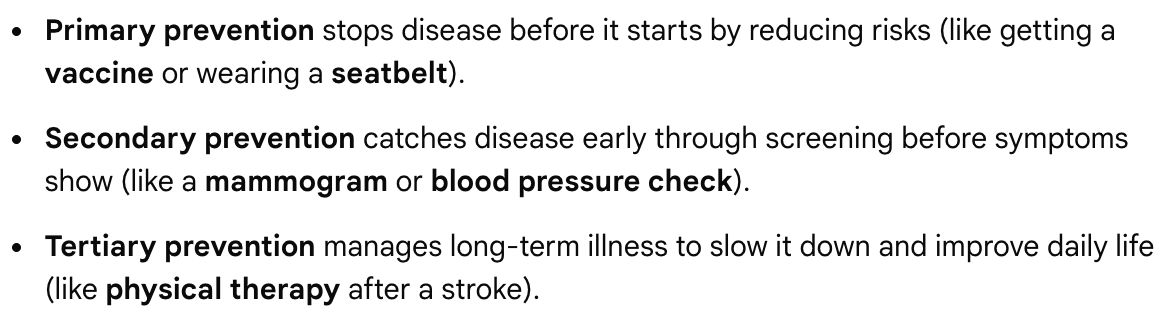
Strengthen nutrition and early-childhood programs, connect healthcare and education systems, use school and community interventions, and apply primary, secondary, and tertiary prevention.
What is the overall conclusion of Nelson's reading?
Childhood adversity can become biologically embedded, affecting health throughout life. However, outcomes depend on genetics, timing, individual vulnerability, and supportive relationships. Prevention and intervention can reduce these effects.
Most important concepts
Concept | What to remember |
|---|---|
Stressor vs. toxic stress | Adverse event vs. prolonged response |
First 3 years | Especially important for development |
More ACEs | Generally greater risk of negative health outcomes |
Biological embedding | Early adversity causes lasting biological changes |
Direct pathway | Changes to biological systems or physical harm |
Indirect pathway | Changes to environment, caregiving, beliefs, or behaviours |
Genetics | Influence susceptibility to adversity |
Resilience | Healthy functioning despite adversity |
Protective factor | Safe, stable, supportive adult relationships |
Intervention | Important early, but also beneficial later |
Research limitation | Much of the evidence is correlational |