lab exam 2 organ systems
 Call Kai
 Learn
 Practice Test
 Spaced Repetition
 Match
 Flashcards
 Knowt Play
1/44

Earn XP
Description and Tags
A comprehensive vocabulary review of anatomical structures for identification in the digestive, respiratory, urinary, and nervous systems, along with mitosis, meiosis, and human genetics concepts.
45 Terms
Esophagus
food tube
Stomach
breaks down food into so it can be digested in SI and LI
Small intestine
inner part of the digestive tract digest most of the food around 90%
Cecum
Start of large intestine by ascending colon
Ascending colon
On left side of large intestine goes from bottom up
Transverse colon
middle part of large intestine goes left to right
Descending colon
on the right side of large intestine goes top down
Sigmoid colon
attached to descending colon curves inward
Liver
filters blood aids digestion and stores energy
Gall bladder
small organ hides under liver stores bile
Pancreas
Hook shape or horn shape organ by liver
Parietal peritoneum
outer layer of abdomen

Visceral peritoneum
inner layer of abdomen
Nasal cavity
nose
Pharynx
thing that connects nose mouth and trachea and esophagus together
Nasopharynx
back part of nose that connects to throat

Larynx
Voice box
Trachea
air tube
Lung (right and left)
things that help you breathe
Primary bronchi
tubes that connect to lungs splits into two
Diaphragm
Breathing belt
Parietal pleura
outer layer of chest area by lungs
Visceral pleura
inner layer of chest area
Paranasal sinuses
sinuses by face
Frontal sinus
Forehead sinuses
Maxillary sinus
Nose sinuses
Kidney (right and left)
jellybeans by the bottom part of ribcage helps with urinary system
Ureter
tubes connected to kidneys
Urethra
Tube that transfers urine out of body
Urinary bladder
holds urine for disposing
Frontal lobe
forehead

Parietal lobe
Side of head

Cerebellum
helps with movement balance and posture

Brain Stem
Bottom tube of brain
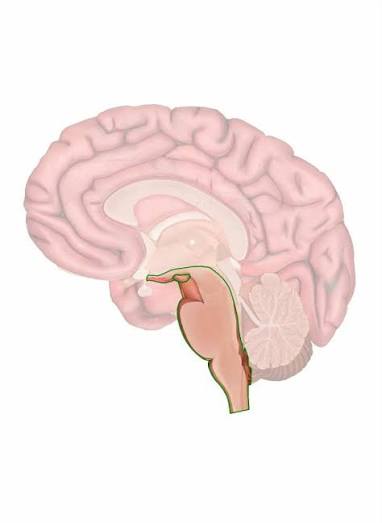
Temporal lobe
Bottom sides of head

Occipital lobe
back of head

Mitosis
Chromosome makes copies
asters and move away from each other
Asters Move on opposite sides
Chromosomes are lined up
Start splitting
Cell membrane pinched at center
Cell membrane completes constriction
2 cells are left
Meiosis
makes extra chromosomes
Aster moves to opposite sides
At opposite sides
Pulls apart
Plus apart more
Clift in center
Complete constriction
2 cells
Same thing 1-8 happens
now have 4 sex cells
Genotype
unique genetic code got from parents
Phenotype
Traits that came from geneotype and environment factors
Homozygous
Got same gene from both parents like brown eyes
Heterozygous
Got two different versions of the gene one from your dad one from mom
Dominant
Gene Allows one copy from one parent to be expressed
Recessive
Gene needs 2 copies from both parents to be expressed
Alleles
Specific version or variant of a certain gene