chem104 exam1
 Call Kai
 Learn
Learn Practice Test
 Spaced Repetition
 Match
Match Flashcards
 Knowt Play
1/30

There's no tags or description
Looks like no tags are added yet.
Name | Mastery | Learn | Test | Matching | Spaced | Call with Kai | Chat |
|---|
No analytics yet
Send a link to your students to track their progress
31 Terms
hybridization
is the mixing of atomic orbitals to form new hybrid orbitals that can accommodate bonds between atoms, such as s & p to form a new set of more stable bonds
functional groups
are specific groups of atoms within molecules where reactions tend to occur. They influence the properties and behavior of organic compounds.
polarity = functionality
double/triple bonds
atoms that aren’t C/H
Alkanes
are saturated hydrocarbons consisting only of carbon and hydrogen atoms w/ the max amount of hydrogen bonds that can be connected. nonpolar ex: methane
Methane
CH4
Ethane
C2H6
propane
C3H8
butane
C4H10
alkyl
has 1 less hydrogen than the alkane counterpart
alkenes
hydrocarbons w/ a double bond
Haloalkanes
carbons bonded to a group #7 element
Amines
form if nitrogen is present
carbonyl
c w/ double ond to oxygen
aldehyde
C=O-H

ketone

carboxylic acid

Amide
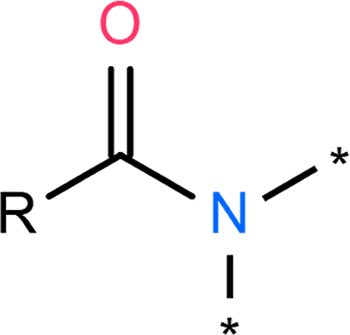
Ester

Arrhenius
Acid:
produces H+ in solution
base:
produces OH- in solution
bronsted-Lowry
acid:
donates a proton (H+)
base:
accepts a proton
Lewis
acid:
accepts a pair of electrons (cation)
base:
donates a pair of electrons (anion)
what molecules function as both an acid & base?
H2O, OH-, NH3
conjugate base
everything that remains of the acid molecule after a proton is lost
conjugate acid
formed when the proton is transferred to the base
strong acids
HCL, HBr, HI, HCLO4, H2SO4, HNO3,
strong bases
Group I hydroxides
SERI (ranking acidity)
size, electronegativity, resonance, inductive effect
ether

Alkyne

Benzene

Alkyl Halide
