ANTRHO105 Exam 3 - Section 5 Bipedalism & Earliest Hominins - VOCAB ONLY
 Call Kai
 Learn
 Practice Test
 Spaced Repetition
 Match
 Flashcards
 Knowt Play
1/22

There's no tags or description
Looks like no tags are added yet.
23 Terms
Mosaic
A combination of traits that do not all resemble the same modern comparison group.
Hominin
A member of the human-side lineage after its split from the chimpanzee/bonobo lineage.
Bipedalism
Locomotion on two hind limbs.
Obligate bipedalism
Anatomical reliance on bipedalism as the normal terrestrial locomotor mode.
Habitual bipedalism
Regular use of bipedal locomotion.
Facultative bipedalism
Occasional use of bipedalism when circumstances favor it.
Foramen magnum
Opening in the skull base for the spinal cord; a more inferior/central position supports upright posture.

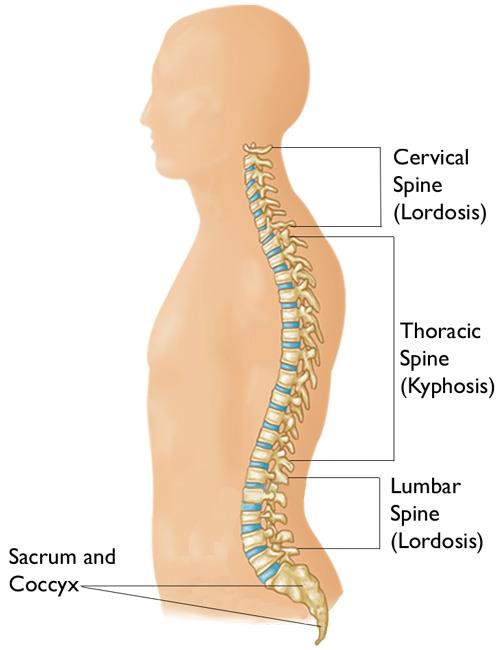
Lumbar lordosis
Inward curvature of the lower spine that helps balance the trunk over the pelvis.
Pelvis: iliac blade, ilium, ischium
Ilium/iliac blade: upper broad portion of each hip bone
Ischium: lower/posterior portion
A short, broad, reoriented ilium is important to hominin bipedalism.

Abductor muscles
Hip muscles that stabilize the pelvis during single-leg support in walking.

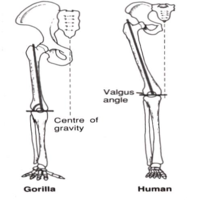
Bicondylar angle
Inward angle of the femur that brings the knee toward the body's midline.
Feeding adaptation hypothesis
Bipedal posture evolved in connection with reaching or obtaining food.
Carrying and provisioning hypothesis
Bipedalism freed hands to carry food, offspring or other resources.
Thermoregulation hypothesis
Upright posture offered thermal advantages such as reduced solar exposure.
Energetics hypothesis
Efficient bipedal locomotion reduced the energy cost of travel.
Non-honing canines
Canines that are not sharpened by an opposing premolar in a honing complex.
Honing complex
A projecting upper canine sharpened against the lower premolar; associated with accommodating dental gaps.
Diastema
A gap between teeth, often accommodating a large opposing canine.
Iliac blades / ilium
The upper broad portions of the hip bones; their shortening and reorientation help stabilize the pelvis in bipedal walking.

Sahelanthropus tchadensis
An early possible hominin from Chad, about 6-7 Ma, with a small brain, reduced canines and evidence interpreted as bipedalism. Browridges

Orrorin tugenensis
An early possible hominin from Kenya, about 6 Ma, combining climbing traits with femoral evidence of bipedalism.

Ardipithecus ramidus ("Ardi")
A 4.4 Ma Ethiopian hominin combining climbing anatomy, a divergent big toe, reduced canines and bipedal pelvic features.

Mosaic evolution
Different traits evolve at different times/rates; bipedalism preceded large brains in hominins.