WIP: Dates & Significance - Prelude APWH
 AP Practice
 Call Kai
1/50

Earn XP
Name | Mastery | Learn | Test | Matching | Spaced | Call with Kai | Chat |
|---|
No analytics yet
Send a link to your students to track their progress
51 Terms
big 5
ancient civilizations that significantly influenced human history, including Mesopotamia, Egypt, the Indus Valley/India, Yellow River/Shang China, and Mesoamerica, settling with original thought and around 4000-1200 BCE
original thought
ancient civilizations were settled without a reference or influence — governance, culture, social hierarchy was “originally thought”
ancient civilizations became distinct through what?
cities, job specialization, social classes/structure, public workers, art & architecture, writing systems, culture
why was governance initially formed?
to regulate and distribute resources among inhabitants for practicality
Hebrews
originally from Mesopotamia. monotheistic peoples who believed in morals, creating a set of laws (Ten Commandments) and acting as the foundation to Judaism, Christianity, and Islam. ultimately formed the Kingdom of Israel, lasting for 300 years, before being conquered and dispersed across the Middle East, Mediterranean, and Europe, diffusing its ideas across the world.
*when and where was the Achaemenid Empire established?
Contemporary Persia/Iran, 558-330 BCE. nicknamed the Golden Age of Classical Asia
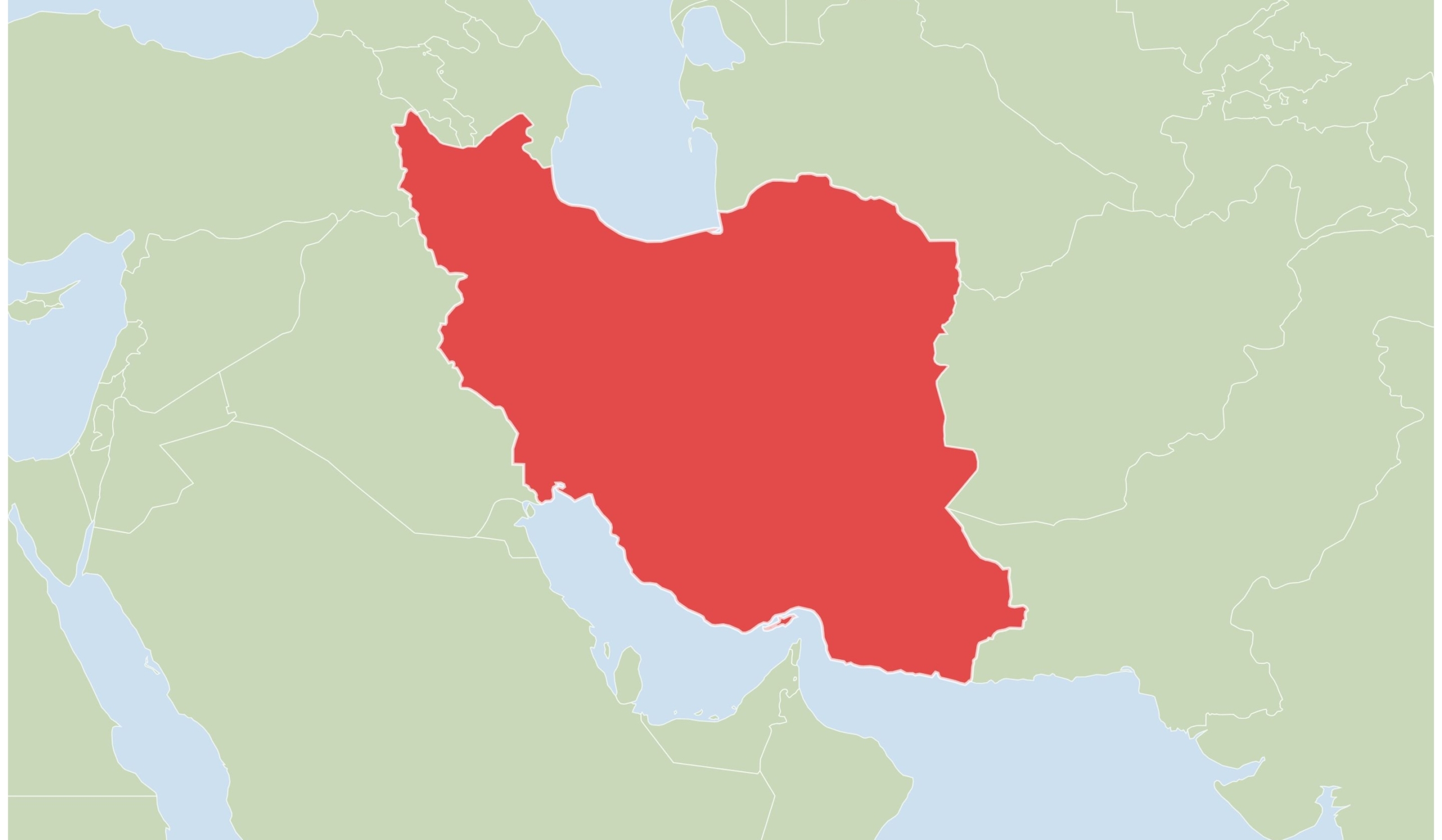
when and where was the Seleucid Empire established?
Contemporary Persia/Iran, 323-83 BCE
when and where was the Parthian Empire established?
Contemporary Persia/Iran, 247 BCE - 224 CE
when and where was the Sassanid Empire established?
Comtemporary Persia/Iran, 224-651 CE
*Achaemenid Empire
Persia’s first and most successful empire, coming from a migration of Medes & Persians from Central Asia including Eurasians, before 1000 BCE. founded by Cyrus, a king of Persian tribes. ruled from 558 to 530 BCE, after conquering the Medes. empire spanned across Afro-Eurasia, gathering a diverse population that unified the Middle East. benefited by the collapse of Mesopotamian empires, Assyria and Babylon.
Cyrus
reigned 558-530 BCE. founder of the Achaemenid Empire, king of Persian tribes. unified the Middle East and capitalized on his tolerance and consolidation of diverse populations, leading to the empire flourishing greatly. laid down the foundation for Persia’s most successful empire.
Darius
reigned 521-486 BCE. known as the Golden Age ruler, who ruled territory from the Indus River in the East, to the Aegean Sea in the West. ruled a population of 35+ million people with 70 ethnicities. built a lavish and grand capital called Persepolis which boomed with Persian culture. like Cyrus, the empire flourished under the consistency of law, justice, order, governance, and tolerance of diversities, leading to political stability.
Xerxes
reigned 486-465 BCE. would ruin everything Cyrus and Darius carefully built, leading to the decline of the Achaemenid Empire by attempting to impose Persian stamps/influence over local satrapies to create centralized governance and power; this led to local satrapies becoming discontent with Xerxes. eventually rebellions arose in Mesopotamia and Egypt as a result of heavy taxation, losing resources and currency.
*Greco-Persian Wars/Persian Wars
wars between Greek city-states and the Achaemenid Empire, occurring between 499-449 BCE. Persian expansion had disrupted into Greek city-states, creating tension. Persia held control in Ionia (modern-day Turkey) leading to a revolution. Greeks would win, with the Persians being defeated at Marathon in 490 BCE, becoming severely weakened as an empire.

Alexander the Great’s death led to the division of the conquered Achaemenid Empire by his military officials, who
spilt the empire into the Seleucid, fighting for dominance.
Seleucus
one of Alexander the Great’s military generals, who founded the Seleucid Empire, ruling from 305-281 BCE. attracted Greek migrants and fought against the Maurya Empire. maintained Persian governance and tradition, but was ultimately attacked by Parthian invasions. the Parni, or semi-nomadic Parthians, would drive the empire out of Iran.
Parthian Empire
founded in 247 BCE, lasting until 224 CE. would invade the Seleucid Empire. was a smaller empire with a decentralized government, although it had a strong military calvary. eventually declined due to internal rebellion and being weakened by Rome.
Sassanid Empire
founded in 224, lasting until 651 CE. tried to replicate the Golden Age of Persia under Darius, claiming descent from the Achaemenids. attempted to uphold Persian culture. it expanded economically through maritime trade with China and India and military conquest. had some tension with Rome, the Byzantine in the West, and the Kushans (central Asians) in the East. conquered by Arab conquests and the rise of Islam in 651 CE.
Satraps
a staple of Persian governance, especially in the Achaemenid Empire. included 23 administrative divisions, consisting of Persian and local power, and surprise audits/spies that reported to the central gov. was able to decrease local rebellion and increase taxation with standardized currency. wealth was put into construction of roads, postal couriers, and the Royal Road (provided communication, transportation, trade)
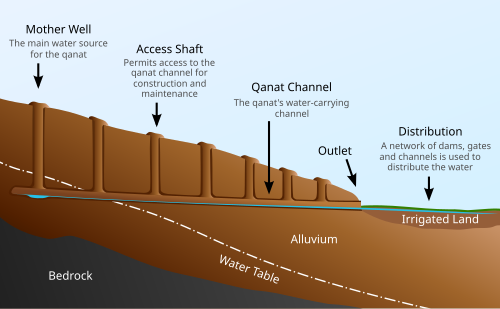
*Qanats
a Persian innovation mostly utilized in the Achaemenid Empire in 558-330 BCE. consisting of underground water canals, it aided in the process of irrigation and conservation of water, especially in dry regions such as Persia. supported Achaemenids greatly, providing a source of water for irrigation and survival.
*Zoroastrianism
one of the world’s oldest monotheistic religions, originating in the 6th century BCE (600-501 BCE) in Persia/Iran, founded by Prophet Zoroaster. was once the most influential religion practiced by Persian empires, especially in the Achaemenid Empire. core belief was the worship of Ahura Mazda, seen as the creator of the universe, who emphasized good ethics, morals, and deeds, over chaos and evil. acted as the foundation of Christianity, Islam, and Judaism, but is now a diaspora.
which empire temporarily unified India?
the Mauryan Empire, through military conquest and trade and diffusion of the Achaemenids and Greek ideas.
when and where was the Mauryan Empire established?
Magadha/India, 320-185 BCE
Maurya Empire
founded in 320, lasting until 185 BCE. expanded and grew primarily through military conquest, with influence from the Achaemenids and Greeks through trade. famous for unifying most of the Indian subcontinent under a centralized government. seized control of the Magadha Kingdom due to a power vacuum (gap of leadership, political instability) after Alexander the Great died in 323 BCE. declined after the death of Ashoka due to financial issues, government fragmentation, weak leadership, and loss of territory.
Chandragupta Maurya
founder of the Maurya Empire, reigned 320s-297 BCE. expanded the empire through military conquest, becoming the first state to unify rule under a centralized government in India. it was the largest Indian empire, amassing land over the Bactria region and the Ganges River. Hinduism influenced much of political and administrative rule, especially social structure
*Hinduism
world’s oldest religion, believed to have originated between 2300-1500 BCE in the Indus River Valley, near Northwestern India. a blend of Aryan & Dravidian values through diffusion and trade. influenced social hierarchy in Indian empires by justifying and developing a caste system. Upanishads (800-400 BCE) were ancient religious teachings used as the core belief: humans are a part of a cosmic order, undergoing the cycle of life: rebirth, suffering, and death in an endless loop. to escape the Samsara, one must become connected with the Brahman, which is seen as the omniscient universal soul of the eternal unchanging reality, and reaching such liberation is called Moksha. the Bhagavid Gita also influenced Hinduism. there is no known founder.
*Caste/Caste System
originated around1500 BCE, contributed to the development of Hinduism. this system determined and influenced sociopolitical status in Indian Empires, shaping governance and interaction between social classes. within the samsara, being devoted to your caste (dharma) and performing good deeds (karma) would influence the next rebirth. Moksha is achieved through good karma and dharma, living simply, denying pleasures, and avoiding strong ambition. typically included Brahmin (priests), Kshatriyas (rulers/warriors), Vaishyas (merchants/artisans), Shudras (laborers) and Dalits (outcasts). other subcastes would form as the system developed, called jati
*Ashoka
the grandson of the founder, reigning from 268 to 232 BCE. considered the Golden Age ruler, who expanded the Maurya Empire greatly with his aggressive military campaigns of armies and war elephants across South and West India. his powerful army invaded the Kalinga Kingdom in 260 BCE, causing massive bloodshed and suffering. he felt deep remorse for his actions, converting to Buddhism and writing Buddhist policies on Ashoka Pillars. he led a bureaucratic government and monarchy, viewing himself as a fair ruler who enforced political laws, hierarchies, and specialized labor.
when and where was the Gupta Empire established?
Magadha India, 319-320 BCE
Gupta Empire & Chandra Gupta
an Indian empire located in the Ganges River in North India, which reached its Golden Age under rule by Chandra Gupta in 375 to 415 CE. formed out of alliances with noble and powerful families, and through military conquest. it was a smaller and decentralized kingdom consisting of regional governments, not as successful compared to the Mauryan. although, they were technologically innovative. an invasion by the White Huns would weaken the empire’s authority and power in the 5th century CE. India would then by led by regional governance, only becoming unified in the 16th century CE under rule of the Mughals.
as India was a southcentral point of trade, it benefited from…
countryside towns with specialized labor, active marketplaces near the Ganges River, products made by a specific caste, and maritime trade across Eurasia —> caste system development
Hinduism influenced Indian empires and social structure because of…
beliefs of samsara and karma discouraged greed and evil based on Upanishads. many people also became vegetarians
*Jainism
no known founder, originating in 5th century BCE (500-401 BCE). based on Uphanishad doctrines and ethics, like Hinduism, but was actually created as an alternative. it rejected the caste system and jati. core belief was that everything has a soul with psychological and physical suffering. becoming selfless ends such suffering. jains were extremely dedicated to practicing ahimsa, which is nonviolence toward all living things. became too demanding for followers, but it was one of the main religions practiced in Indian empires.
*Qin Shihuangdi
Qin dynasty’s first emperor, reigning from 221 to 210 BCE. famous for the construction of the Great Wall of China, which were used as defensive borders against the Mongols. established centralized rule under a monarchy and bureaucracy, which was influenced by the Achaemenids, unifying China after the Warring States period. a bureaucracy ensured widespread control of 40 districts across the empire, while also including checks and balances that created a stable political environment. governance was also based on Legalist policies, which generated more money for centralized rule.
*Daoism
founded by Laozi, originating between 450 to 300 BCE. core belief was that all is connected with a universal force. being compassionate, authentic, and humble was encouraged, whereas fighting and extreme behavior was frowned upon. there was minimal laws and governance. people were expected to act naturally, live a balanced life, and avoid ambition. eventually, became less relevant in favor of Confucianism. however, it was influential in Chinese culture and philosophy.
*Legalism
no concrete founder, although Shang Yang (390-338 BCE) enforced Legalist policies on laws and governance in the Qin Dynasty, which aided in its development and foundation. heavily emphasized strict laws and strict punishments, believing that people were naturally selfish and had to be controlled by laws. it helped to unify China due to its devotion to a strong government.
*Confucianism
founded by Confucius, a philosopher (551 to 479 BCE). China’s most favored and dominant ideology out of Legalism and Daoism. emphasized social harmony, good ethics, etiquette, empathy and respect. followers were expected to be loyal, responsible, respectful, and supportive of elders. mainly influenced the Han Dynasty by influencing education, politics, bureaucrat training, and social hierarchy. it also shaped Chinese culture and organization of society and government.
*Buddhism
founded by Siddhartha Gautama, aka Buddha in 563 to 483 BCE in the Indian subcontinent. interpreted as a prince who abandoned living with luxury to seek the cause of suffering. he eventually discovered that suffering can be ended through the Four Noble Truths and the Eight-Fold Path. basic core beliefs: pain is living selfishly with desire, suffering with imperfections, and by reaching Nirvana only can you experience liberation. attracted lower castes and jati, along with monastic monks who won converts by being generous and kind while spreading Buddhist teachings. Ashoka was a major supporter; converting to Buddhism and spreading it to his people.
*Han Dynasty
Liu Bang, founder of the Han (202 BCE to 220 CE). he restored order by 206 BCE with adequate government officials and military leaders that overthrew the Qin. combined Qin centralization and Zhou decentralization in governance. Han Wudi (r. 141-87 BCE) reigned during the Golden Age of the Han Dynasty. he led a centralized bureaucratic government adopting policies on Legalism, promoting Confucian policies in education and politics, and expanded the empire through imperialism. the Han became a large, powerful dynasty with uncontested hegemony in East and Central Asia and held much influence over the Silk Roads.
*Peloponnesian Wars
continuous battles between Greek city-states: Sparta vs Athens, occurring between 431-404 BCE. both were rivals competing for control and dominance over Greece, resulting in many wars and bloodshed between the two. the Spartans would win. however, these wars decreased Greece’s power immensely as military forces were weakened, resources were drained, and the economy was stunted. this would make it extremely vulnerable, which led it to being conquered by Alexander of Macedon.
*Socrates, Plato, Aristotle
famous Greek philosophers who shaped Western philosophy and questioned the ideal government, collectively from between the years 470 to 322 BCE. Socrates asked deep questions about everything, Plato dialogued about ethics, politics, and justice, and Aristotle questioned logic, reasoning, and happiness. their debates about the perfect government inspired and influenced the founding fathers of modern governments, especially the American Founders about democracy, justice, and law.
*Alexander of Macedon
lived between 356-323 BCE, son of Philip Macedonia. at just 19, he inherited the kingdom of Macedonia. he conquered the Greek-city states, Persia, North India, and Egypt with a strong, organized military army. his conquests spread Greek, Persian, and Egyptian culture throughout Eurasia, called the Hellenistic Period. at 33, he died, leaving no heir. his death led to the fall of the empire and the rise of the Romans.
*Punic Wars
*Pax Romana
*Judaism
*Julius Caesar
*Augustus Caesar/Octavian
*Constantine
*Christianity
*Solon
an Athenian lawmaker who lived around 630-560 BCE. he was one of the Seven Sages of Greece that paved the foundation of Athenian democracy. he weakened the power of Athenian aristocracy by including people in government decisions and cancelling debts. this led to more people participating in government and less power focused on the aristocrats. he was also a poet.