TEAS english review SE
 Call Kai
 Learn
 Practice Test
 Spaced Repetition
 Match
 Flashcards
 Knowt Play
1/28

There's no tags or description
Looks like no tags are added yet.
29 Terms
1. Vowels and Consonants
The English alphabet has 26 letters.
Every letter belongs to one of two main groups:
A. Vowels
5 main vowels
These 5 letters are vowels:
A E I O U
These are the vowels!
What are vowels?
Vowels are letters that make open sounds when we speak.
Examples:
A = apple
E = egg
I = igloo
O = orange
U = umbrella
Memory trick:
Remember the phrase:
A E I O U — the vowels are YOU!
Whenever you see a word, look for these letters.
Examples:
CAT → A is the vowel.
DOG → O is the vowel.
SUN → U is the vowel.
B. Consonants
are ALL the other letters of the alphabet that are NOT A, E, I, O, or U.
Examples:
B, C, D, F, G
H, J, K, L, M
N, P, Q, R, S
T, V, W, X, Y, Z
What is the difference?
Vowels = A, E, I, O, U.
Consonants = all the other letters.
Examples:
Word | Vowel | Consonants |
|---|---|---|
CAT | A | C, T |
DOG | O | D, G |
BED | E | B, D |
FISH | I | F, S, H |
TEAS memory trick:
Vowels = the special 5.
Consonants = everybody else!
Important: Sometimes Y acts like a vowel, such as in the word "gym." But for now, remember the main five vowels.
2. Suffixes
a group of letters added to the END of a word.
Think of a suffix as a little attachment at the end of a word.
For example:
PLAYING
PLAYING
PLAY + ING = PLAYING
We added ING to the END of PLAY.
That's a suffix!
The 3 suffixes you should know
1. -ED
Usually tells us something happened in the past (already happened).
Examples:
Walk → Walked
Jump → Jumped
Talk → Talked
Play → Played
Think:
ED = already happened!
Example: Yesterday, I walked to school.
2. -ING
Usually tells us something is happening right now or continuing.
Examples:
Walk → Walking
Jump → Jumping
Read → Reading
Play → Playing
Think:
ING = happening!
Example: I am walking to school.
3. -S / -ES
Can show that there is more than one of something, or that someone does something regularly.
Examples:
Cat → Cats
Box → Boxes
Book → Books
Think:
S = more than one (when used to make a plural).
Important spelling rules when adding suffixes
This is where the TEAS can test you!
Rule 1: Sometimes you double the last consonant.
A consonant is a letter that isn't one of the five main vowels.
Example:
RUN + ING= RUNNING
We doubled the N!
More examples:
Sit → Sitting
Hop → Hopping
Stop → Stopped
Memory trick: Short vowel + one ending consonant? Often double the consonant before adding -ing or -ed.
Rule 2: If a word ends in silent E, usually drop the E before adding -ing.
Silent E = an E at the end that you don't pronounce.
Examples:
Make → Making
Write → Writing
Dance → Dancing
Bake → Baking
Memory trick:
Drop the E, then add ING!
But when adding -ed, usually keep the E:
Like → Liked
Bake → Baked
Hope → Hoped
Rule 3: If a word ends in Y, sometimes change Y to I.
When a word ends in a consonant + Y:
Happy → Happier
Cry → Cried
Try → Tried
Notice Y changed to I.
But when adding ING, keep the Y:
Cry → Crying
Try → Trying
And if there's a vowel before Y, usually keep the Y:
Play → Played
Enjoy → Enjoyed
Memory trick: Consonant + Y? Often change Y to I before certain endings. ING keeps the Y!
3. Plurals
First, what does plural mean?
Plural = MORE THAN ONE.
Singular = ONLY ONE.
Examples:
1 cat = singular
2 cats = plural
1 dog = singular
3 dogs = plural
Easy, right?
Rule 1: Usually add -S
One (singular) | More than one (plural) |
|---|---|
Cat | Cats |
Dog | Dogs |
Book | Books |
Apple | Apples |
Memory trick: More than one? Usually add S!
Rule 2: Words ending in S, SH, CH, X, or Z usually add -ES
Examples:
One | More than one |
|---|---|
Bus | Buses |
Dish | Dishes |
Church | Churches |
Box | Boxes |
Quiz | Quizzes |
Why? Adding ES makes these words easier to pronounce.
Memory trick:
S, SH, CH, X, Z → add ES!
Rule 3: Words ending in consonant + Y
Change Y to I and add ES.
Examples:
One | More than one |
|---|---|
Baby | Babies |
City | Cities |
Candy | Candies |
Party | Parties |
Memory trick:
Consonant + Y = change Y to I + ES.
BUT be careful!
If a vowel comes before Y, just add S.
One | More than one |
|---|---|
Boy | Boys |
Toy | Toys |
Day | Days |
Key | Keys |
Rule 4: Irregular plurals
Memorize these!
Irregular means the word does NOT follow the normal rule.
You can't just add S.
One | More than one |
|---|---|
Child | Children |
Man | Men |
Woman | Women |
Foot | Feet |
Tooth | Teeth |
Mouse | Mice |
Person | People |
Memory trick:
Think of these as the rule breakers. They change their spelling completely!
4. Homophones
Homo = same
Phone = sound
So...
Homophones = words that SOUND THE SAME but have DIFFERENT meanings and spellings.
They sound alike when you say them, but they mean different things.
Look at these examples.
Example 1: There, Their, They're
These three words sound the same, BUT they mean different things.
THERE
There = a place.
Example: The book is over there.
Think: WHERE? THERE!
THEIR
Their = belongs to someone.
Example: Their house is beautiful.
Think: THEIR = belongs to THEM.
THEY'RE
They're = they are.
Example: They're going to school.
Think: THEY'RE = THEY ARE.
Example 2: To, Too, Two
Word | Meaning | Example |
|---|---|---|
To | Direction | I am going to school. |
Too | Also / very | I want to go too. |
Two | Number 2 | I have two books. |
Memory trick:
TO = going somewhere.
TOO = also or extra.
TWO = number 2.
Example 3: Your vs. You're
Word | Meaning | Example |
|---|---|---|
Your | Belongs to you | Your phone is here. |
You're | You are | You're smart. |
Memory trick:
You're = You ARE.
If you can replace the word with "you are," use YOU'RE.
Example:
You're happy = You are happy.
Correct
Your happy = You are happy? No!
Incorrect
Other homophones to memorize
Word 1 | Word 2 | Difference |
|---|---|---|
See | Sea | See = look; Sea = ocean |
Hear | Here | Hear = listen; Here = location |
Write | Right | Write = put words on paper; Right = correct |
Buy | By | Buy = purchase; By = near |
Week | Weak | Week = 7 days; Weak = not strong |
Flower | Flour | Flower = plant; Flour = baking ingredient |
One | Won | One = number; Won = past of win |
Sun | Son | Sun = star; Son = male child |
Big memory trick:
Homophones = SAME SOUND, DIFFERENT MEANING.
Think: Your ears hear the same sound, but your eyes see different spellings!
5. Homographs
Homo = same
Graph = writing or spelling
So...
Homographs = words that are SPELLED THE SAME but have DIFFERENT meanings.
Some homographs also have different pronunciations!
Let's look at examples.
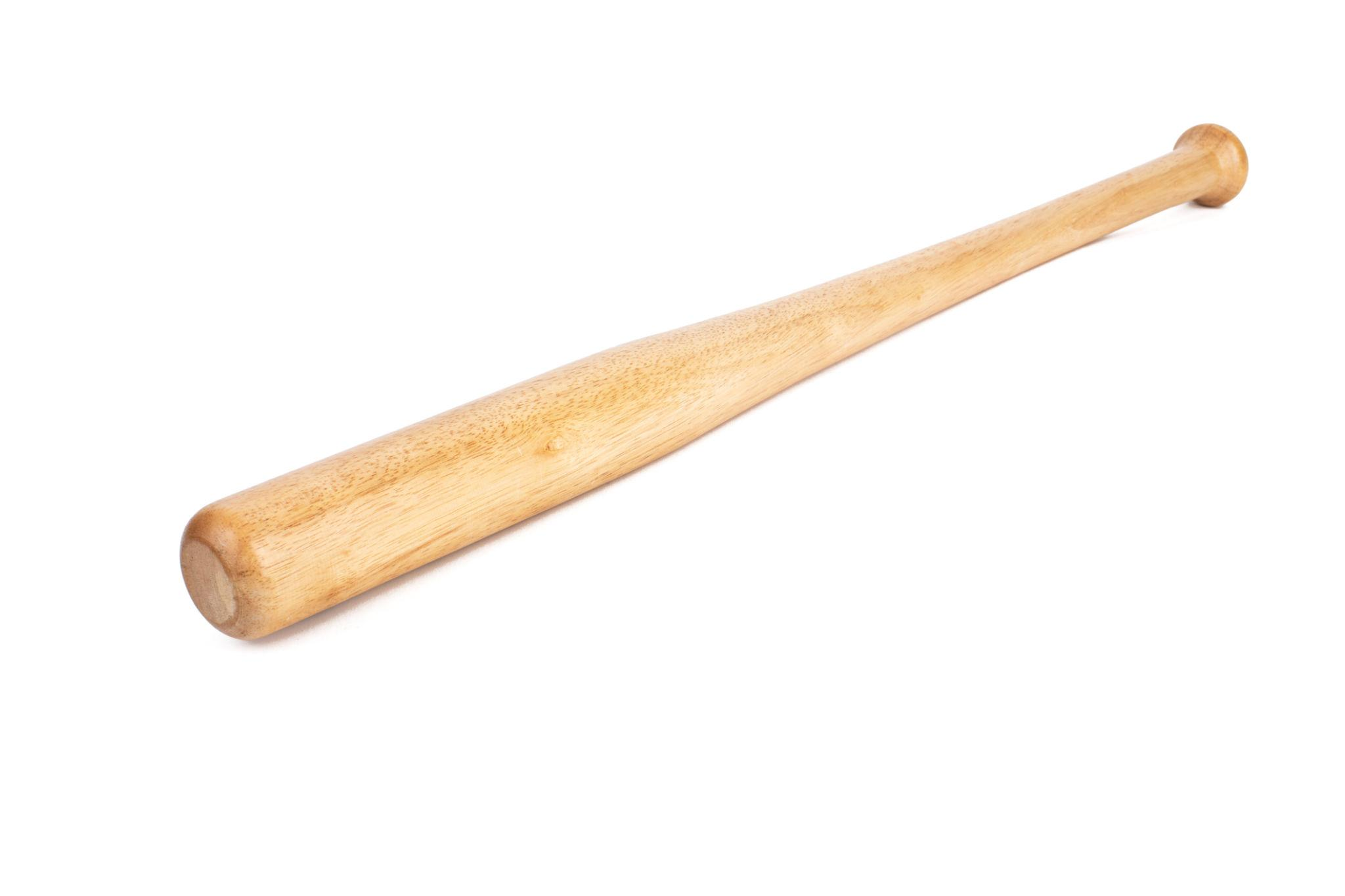
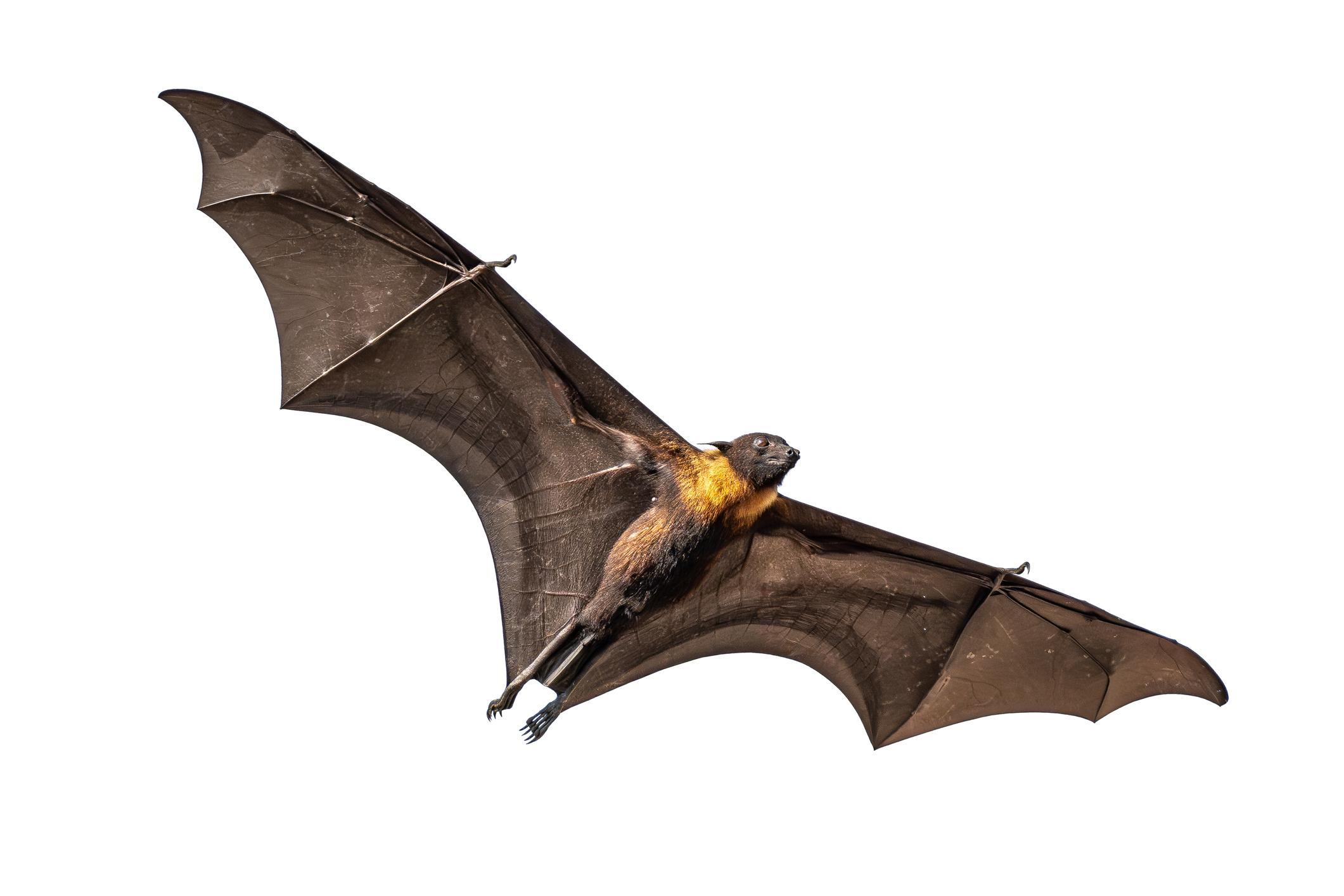
Example 1: Bat
Bat = sports equipment
Used to hit a baseball.
Bat = animal
A flying mammal.
Same spelling: BAT.
Different meanings!
Example 2: Bark
Bark = dog sound
The dog can bark.
Bark = tree covering
The outside of a tree.
Same spelling: BARK.
Different meanings!
Example 3: Other common homographs
Word | Meaning 1 | Meaning 2 |
|---|---|---|
Bank | Place for money | Side of a river |
Ring | Jewelry | Sound of a phone |
Watch | Look at something | A timepiece |
Light | Not heavy | Brightness |
Match | Something used to start a fire | A game or competition |
Homographs with different pronunciations
Look at:
LEAD
Lead (sounds like "leed") = to guide someone.
Example: I will lead the group.
LEAD
Lead (sounds like "led") = a type of metal.
Example: Lead is a metal.
Same spelling, different meaning AND different pronunciation.
Memory trick:
Homographs = SAME SPELLING, DIFFERENT MEANINGS.
Think: GRAPH = writing. The writing stays the same!
6. The BIG difference: Homophones vs. Homographs
HOMOPHONES = SAME SOUND 👂
Different spelling and meaning.
Example: SEE / SEA
HOMOGRAPHS SAME SPELLING 👀
Different meanings. Sometimes different sounds.
Example: BAT / BAT
Remember:
PHONE = sound.
GRAPH = writing.
That is your trick for telling them apart!
7. Your TEAS Spelling Cheat Sheet
Topic | Easy definition | Memory trick |
|---|---|---|
Vowels | A, E, I, O, U | The special 5 |
Consonants | All other main letters | Everybody else |
Suffix | Letters added to the END of a word | Suffix = end |
-ED | Usually shows past action | Already happened |
-ING | Shows ongoing action | Happening |
Plural | More than one | Usually add S |
Homophones | Same sound, different meanings and spellings | PHONE = sound |
Homographs | Same spelling, different meanings | GRAPH = writing |
8. Quick spelling rules to memorize
Rule | Example |
|---|---|
Usually add S for plurals | Cat → Cats |
Add ES after S, SH, CH, X, Z | Box → Boxes |
Consonant + Y changes to IES | Baby → Babies |
Vowel + Y just adds S | Boy → Boys |
Drop silent E before ING | Make → Making |
Double some final consonants | Run → Running |
Irregular plurals change completely | Child → Children |
1. Which of the following is a vowel?
E
is one of the five main vowels: A, E, I, O, U.
2. What is a suffix?
Letters added to the end of a word
4. What is the plural of baby?
Babies
Consonant + Y changes to IES: BABY → BABIES.
6. Which pair is an example of homophones?
See and sea
SEE and SEA sound the same but have different meanings and spellings.
7. What does THEIR mean?
Belongs to them
THEIR shows ownership: their house.
8. Which pair is an example of homographs?
Bat (animal) and bat (sports equipment)
1. What are vowels?
Vowels are the letters:
A E I O UThe 5 main vowels
Sometimes Y acts like a vowel, too.
Examples:
Gym
Cry
Happy
Easy memory trick: A E I O U are the vowel team!
2. What are consonants?
Consonants are all the other letters of the alphabet.
Examples:
B, C, D, F, G, H, J, K, L, M, N, P, Q, R, S, T, V, W, X, Y, Z.
There are 21 main consonants.
Let's compare:
Vowels | Consonants |
|---|---|
A, E, I, O, U | B, C, D, F, G, etc. |
5 main letters | 21 letters |
Make open sounds | Sounds made by shaping or stopping airflow |
Example: CAT
C = consonant
A = vowel
T = consonant
The vowel is A. The other two are consonants.
Important correction from your lesson: Consonants are NOT weak letters. They can make sounds by themselves, like B, M, or S. English words usually have a vowel sound, but there are a few exceptions, such as the word "rhythm."
3. Short vowels vs. Long vowels
Every vowel can make a short sound or a long sound.
Think of it like this:
Short vowel = makes a different sound from the letter's name.
Long vowel = says its own letter name.
Let's look at each one.
A. Short A vs. Long A
SHORT A CAT
Say: CAT.
The A makes the sound in apple.
LONG A LATE
Say: LATE.
The A says its letter name: A.
More examples:
Short A | Long A |
|---|---|
Cat | Late |
Mat | Pain |
Hat | Pay |
Pat | Straight |
Memory trick:
Short A = CAT.
Long A = A says its name.
B. Short E vs. Long E
SHORT E MET The E sounds like the E in egg.
LONG E MEET The E says its letter name: E.
More examples:
Short E | Long E |
|---|---|
Met | Breeze |
Said | Cheap |
Bread | Dean |
Memory trick:
Short E = egg.
Long E = E says its name.
C. Short I vs. Long I
SHORT I BIT The I sounds like the I in igloo.
LONG I BIKE The I says its letter name: I.
More examples:
Short I | Long I |
|---|---|
Bit | Cry |
Myth | Pie |
Kiss | High |
Rip | Bike |
Memory trick:
Short I = igloo.
Long I = I says its name.
Short O vs. Long O
SHORT O HOT The O sounds like the O in hot.
LONG O NOSE The O says its letter name: O.
More examples:
Short O | Long O |
|---|---|
Dog | Snow |
Hot | Nose |
Pop | Elbow |
Memory trick:
Short O = hot.
Long O = O says its name.
E. Short U vs. Long U
4. Special vowel sound: OO
short OO and long OO.
These are a little different from A, E, I, O, U.
Here, we're looking at TWO O's together.
Short OO
BOOK
The OO makes a short sound.
Other examples:
Foot
Cookie
Good
Look
Long OO
MOON
Say: MOON.
The OO makes a longer sound, like the sound in food.
Other examples:
Mood
Bloom
Shoot
Food
Memory trick:
BOOK = short OO.
MOON = long OO.
Important!
Long OO does NOT mean the letter O says its name. It is a different vowel sound. This is a special spelling pattern to memorize.
5. The rule: When two vowels are walking, the first does the talking
This is a spelling trick that often happens when TWO vowels are next to each other.
The first vowel often makes its LONG sound (says its name).
Look:
PAIN
A + I The A makes its long sound. The I is quiet in this vowel team.
MEAT
E + A The E makes its long sound. The A is quiet in this vowel team.
Easy memory trick:
Two vowels together? Often the FIRST vowel says its name!
BUT be careful: This is NOT a rule that works every single time.
Examples that don't follow it:
BOOK
FOOD
COIN
That's why you should memorize common vowel combinations.
6. Why do we double consonants?
Double = use the same letter twice in a row.
Examples:
Sit → Sitting
Grab → Grabbed
Run → Running
Progress → double S
But remember: We don't double consonants simply to make a stronger sound.
One important spelling reason is that doubling a consonant can help keep the vowel before it SHORT when adding an ending.
Example:
SIT → SITTING
SIT has a short I sound.
We add ING.
We double T.
SITTING keeps the short I sound.
Memory trick:
Sometimes when adding ING or ED, you DOUBLE the last consonant to protect the short vowel sound.
7. Your complete vowel cheat sheet
Vowel | Short sound | Long sound |
|---|---|---|
A | Cat | Late |
E | Met | Meet |
I | Bit | Bike |
O | Hot | Nose |
U | Cup | Cube |
OO | Book | Moon |
The easiest way to remember everything:
Short vowel = does NOT say its letter name.
Long vowel = DOES say its letter name.
Short OO = BOOK.
Long OO = MOON.
Two vowels together = often the first says its name.
Double consonant = sometimes needed when adding an ending.