Endocrine System
 Call Kai
 Learn
 Practice Test
 Spaced Repetition
 Match
 Flashcards
 Knowt Play
1/146

Earn XP
Description and Tags
Chapter 13
147 Terms
hypothalamus
released from hypothalamus, anterior pituitary, or posterior pituitary:
GnRH
hypothalamus
released from hypothalamus, anterior pituitary, or posterior pituitary:
TRH
hypothalamus
released from hypothalamus, anterior pituitary, or posterior pituitary:
CRH
anterior pituitary
released from hypothalamus, anterior pituitary, or posterior pituitary:
FSH
anterior pituitary
released from hypothalamus, anterior pituitary, or posterior pituitary:
TSH
anterior pituitary
released from hypothalamus, anterior pituitary, or posterior pituitary:
PRL
anterior pituitary
released from hypothalamus, anterior pituitary, or posterior pituitary:
ACTH
anterior pituitary
released from hypothalamus, anterior pituitary, or posterior pituitary:
GH
anterior pituitary
released from hypothalamus, anterior pituitary, or posterior pituitary:
LH
posterior pituitary
released from hypothalamus, anterior pituitary, or posterior pituitary:
ADH
posterior pituitary
released from hypothalamus, anterior pituitary, or posterior pituitary:
OT
pineal gland
sits within diencephalon
function to release a hormone that regulates circadian rhythms
CRH
ACTH
cortisol
What is the correct order of hormones released during a stress response (general adaptation syndrome)?
CRH → epinephrine
CRH → ACTH → insulin
CRH → ACTH → cortisol
Epinephrine → cortisol
ACTH → CRH → cortisol
ADH
which pituitary hormone (abbr):
Causes kidneys to retain water; raises blood pressure
LH
which pituitary hormone (abbr):
Promotes the secretion of sex hormones from the gonads
FSH
which pituitary hormone:
Stimulates egg or sperm production
ACTH
which pituitary hormone (abbr):
Stimulates the release of hormones from the adrenal cortex
TSH
which pituitary hormone (abbr):
Stimulates the secretion of thyroid hormones
PRL
which pituitary hormone (abbr):
Stimulates the production of milk
GH
which pituitary hormone (abbr):
Stimulates the rate of mitosis; promotes bone growth
OT
which pituitary hormone (abbr):
Stimulates contraction of uterine wall muscles; stimulates smooth muscle in milk-secreting glands
thyroxine
which hormone acts to:
Affects metabolic processes to increase energy & growth
calcitonin
which hormone acts to:
Decreases calcium & phosphate levels in blood
parathyroid hormone
which hormone acts to:
Increases calcium & decreases phosphate levels in blood
epinephrine
norepinephrine
which hormone acts to:
Actions are similar to the sympathetic response
aldosterone
which hormone acts to:
Regulates electrolytes in the blood
cortisol
which hormone acts to:
Affects glucose metabolism
adrenal androgens
which hormone acts to:
Supplements the major sex hormones
insulin
which hormone acts to:
Decrease blood glucose levels, increases anabolic processes
glucagon
which hormone acts to:
Increases blood glucose levels, increases catabolic processes
parathyroid hormone
A female with a recent history of broken bones, ulcers, and kidney stones. The physician finds that they have unusually high blood levels of calcium and immediately suspects that they are suffering from an excess of _________.
calcitonin
parathyroid hormone
aldosterone
thyroid hormone
thyroid stimulating hormone
cortisol
cortisol, norepinephrine, PTH, oxytocin, or prostaglandin

norepinephrine
cortisol, norepinephrine, PTH, oxytocin, or prostaglandin
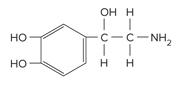
PTH
cortisol, norepinephrine, PTH, oxytocin, or prostaglandin

oxytocin
cortisol, norepinephrine, PTH, oxytocin, or prostaglandin

prostaglandin
cortisol, norepinephrine, PTH, oxytocin, or prostaglandin

anterior
secreting hormones that inhibit or stimulate production of hormones
The hypothalamus regulates the activities of the __________ pituitary gland by __________.
posterior; secreting hormones that always inhibit secretion
anterior; secreting hormones that inhibit or stimulate production of hormones
posterior; secreting hormones the stimulate secretion
anterior; secreting hormones through a modified positive feedback mechanism
protein receptors
What must be present for any type of hormone to be able to act on a target cell?
hypothalamus
What organ controls the response to stress, called the general adaptation syndrome?
renin
Specific cells in the kidney are able to respond to changes in blood pressure. If the blood pressure drops, these cells release the enzyme ______
angiotensinogen
angiotensin I
The enzyme converts a blood protein called __________ to the peptide ________.
angiotensin II
adrenal cortex
aldosterone
An enzyme in the lungs then converts the peptide to __________ whose function is to stimulate the __________ to release the hormone ________.
conserve
This hormone (aldosterone) acts to ______ sodium ions and, indirectly, water. This process will increase blood volume and blood pressure.
immediate stage
immediate stage or long term stage:
increased breathing
immediate stage
immediate stage or long term stage:
increased heart rate
immediate stage
immediate stage or long term stage:
increased epinephrine secretion
immediate stage
immediate stage or long term stage:
flight or fight response
immediate stage
immediate stage or long term stage:
water retention
immediate stage
immediate stage or long term stage:
redistribution of blood to working muscles
immediate stage
immediate stage or long term stage:
ADH effects
long term stage
immediate stage or long term stage:
immune system suppression
long term stage
immediate stage or long term stage:
increased cortisol secretion
target cells have specific receptors for the hormone
What makes a cell a target cell for a hormone?
Target cells have specific receptors for the hormone.
Target cells have specific membrane channels for the hormone.
Target cells are located adjacent to the hormone-secreting cells.
Target cells secrete the hormone that alters their function.
pineal gland
what gland produces melatonin
FSH
which hormone (abbr) is Named for its effect on gamete production
PTH
which hormone’s Name (abbr) means "near the thyroid"
ADH
which hormone’s Name (abbr) means "against urine"
TSH
which hormone (abbr) is named for directly affecting the thyroid
T3
which hormone is Named for the number of iodine molecules in the hormone
PRL
which hormone’s name (abbr) means “promoting milk production”
ACTH
which hormone (abbr) is Named for stimulating the cortex of the adrenal gland
LH
which hormone is Named for stimulating the conversion of follicle into corpus luteum
GH
which hormone (abbr) is Named for its effect on many cells of the body
posterior pituitary
The hypothalamus uses nervous stimulation to control the secretion of hormones from which gland
slowly
long lasting
In comparison to the nervous system, the endocrine system responds __________ and its actions are __________ .
quickly; short lived
slowly; short lived
slowly; long lasting
quickly; long lasting
mediastinum
Where is the thymus gland located
paracrine
_______ secretions are released from one cell and alter the functioning of neighboring cells.
autocrine
_______ secretions have their effect on the same cell that released them.
steroids
Which of the following chemical classification of hormones is derived from cholesterol?
Amines
Steroids
Peptides
Glycoproteins
regulates water and electrolyte balance
regulates metabolism
controls reproduction and development
regulates growth
Which of the following are functions of the endocrine system?
Check All That Apply
Regulates water and electrolyte balance
Breaks down nutrients
Causes movement of muscles
Delivers oxygen
Regulates metabolism
Controls reproduction and development
Provides structure
Removes waste
Regulates growth
the anterior pituitary is also known as the adenohypophysis
the anterior pituitary is stimulated by the hypothalamus via hormones that travel through the hypophyseal portal system
cell bodies in the hypothalamus synthesize hormones that pass down axons and are stored in the posterior pituitary
identify the ways in which the anterior pituitary differs from the posterior pituitary.
Check All That Apply
The anterior pituitary is also known as the adenohypophysis
The posterior pituitary secretes gonadotropins
The anterior pituitary is stimulated by the hypothalamus via hormones that travel through the hypophyseal portal system
Oxytocin is secreted by the anterior pituitary
Cell bodies in the hypothalamus synthesize hormones that pass down axons and are stored in the posterior pituitary.
uterus
The ______ is stretched during childbirth.
sensory
_______ neurons carry impulses indicating the degree of stretch to the hypothalamus.
pituitary stalk
In response to the signals indicating stretch, the hypothalamus sends impulses via the ________ .
posterior
The axons from the hypothalamus end in the ________ pituitary.
oxytocin
As a result of the impulse, _______ is released into the blood from synaptic endings.
cholesterol
amino acids
Chemically, hormones synthesized from __________ are classified as steroid hormones and hormones synthesized from __________ are classified as amines, peptides, or proteins.
amino acids; glucose
cholesterol; amino acids
cholesterol; glucose
glucose; cholesterol
one hormone stimulates the release of another hormone
Which of the following describes an example of how hormones are regulated?
One hormone stimulates the release of another hormone.
Glands secrete hormones only when the body is sleeping.
A gland secretes a certain amount of hormone every hour.
Contraction of smooth muscle results in the release of hormones.
down regulation
down regulation or up regulation:
this results in decreased sensitivity
down regulation
down regulation or up regulation:
Example: A decreased number of hormone receptors resulting from chronically high insulin levels
down regulation
down regulation or up regulation:
in response to a chronic abundance of hormone, the target cell reduces the concentration of receptors
down regulation
down regulation or up regulation:
this is the receptor response to increase in circulating hormone
up regulation
down regulation or up regulation:
in response to a chronic lack of a hormones, the target cell increases the concentration of receptors
up regulation
down regulation or up regulation:
Example: An increased number of testosterone receptors in skeletal muscle following resistance training
up regulation
down regulation or up regulation:
this results in a greater response to the same magnitude of hormone release
steroid hormones can diffuse through the lipid bilayer
Which of the following is true about steroid hormones?
Steroid hormones can diffuse through the lipid bilayer.
Receptors for steroid hormones are found on the cell membrane.
Steroid hormones use a second messenger mechanism to cause an effect in the cell.
Steroid hormones can travel freely in the blood.
hyposecretion
hyposecretion or hypersecretion:
antidiuretic hormone: diabetes insipidus
hyposecretion
hyposecretion or hypersecretion:
growth hormone during adolescence: dwarfism
hyposecretion
hyposecretion or hypersecretion:
aldosterone: addison’s disease
hyposecretion
hyposecretion or hypersecretion:
insulin: persistently elevated blood glucose
hyposecretion
hyposecretion or hypersecretion:
thyroid hormones: cretinism
hyposecretion
hyposecretion or hypersecretion:
glucagon: persistently low blood glucose
hypersecretion
hyposecretion or hypersecretion:
cortisol: persistently elevated blood glucose
hypersecretion
hyposecretion or hypersecretion:
epinephrine: persistently high blood pressure
hypersecretion
hyposecretion or hypersecretion:
growth hormone during adulthood: acromegaly
hypersecretion
hyposecretion or hypersecretion:
parathyroid hormone: persistently elevated blood calcium
increase
The osmoreceptors in the hypothalamus sense a(n) _______ in solute concentration in the blood.
hypothalamus
The neurosecretory cells of the __________ initiate impulses in response to the change in osmotic pressure.
pituitary stalk
The impulses from the hypothalamus travel along the axons in the ___________
posterior
ADH is released from synaptic endings in the ________ pituitary.