plant a+p test 2
 Call Kai
 Learn
Learn Practice Test
 Spaced Repetition
 Match
Match Flashcards
 Knowt Play
1/138

Earn XP
Description and Tags
oh boy
Name | Mastery | Learn | Test | Matching | Spaced | Call with Kai | Chat |
|---|
No analytics yet
Send a link to your students to track their progress
139 Terms
photosynthesis
the primary function of leaves is _
primordia
Leaves begin as leaf _ (top two lines) near the apical meristem

throughout, palisade, parenchyma
In dicot leaves, cell division occurs _ the blade as leaves develop. In the mesophyl Dicot leaves typically have an upper _ layer and a lower spongy layer of _.

netted, parallel
dicot leaves typically have _ venation, while monocot leaves are usually _ (but not always)
base, parenchyma, stomata
Monocot leaves have a meristem near the _ and grow and expand cells away and upward. they typically have only spongy _ in their leaves, and and upper and lower epidermis that both feature _

horizontally, vertically
Dicot leaves tend to be oriented _ while monocot leaves tend to be oriented _

epidermis, stomata
dicot leaves feature a upper and lower _, with _ typically on the lower
light, water
Leaves must compromise between maximizing surface for _ capture and minimizing _ loss
cuticle, mesophyll, gas
most leaves have a waxy _ (low right and upper middle arrows), stomata, and a loosely packed _ layer (the to layers on the middle right) for _ exhange

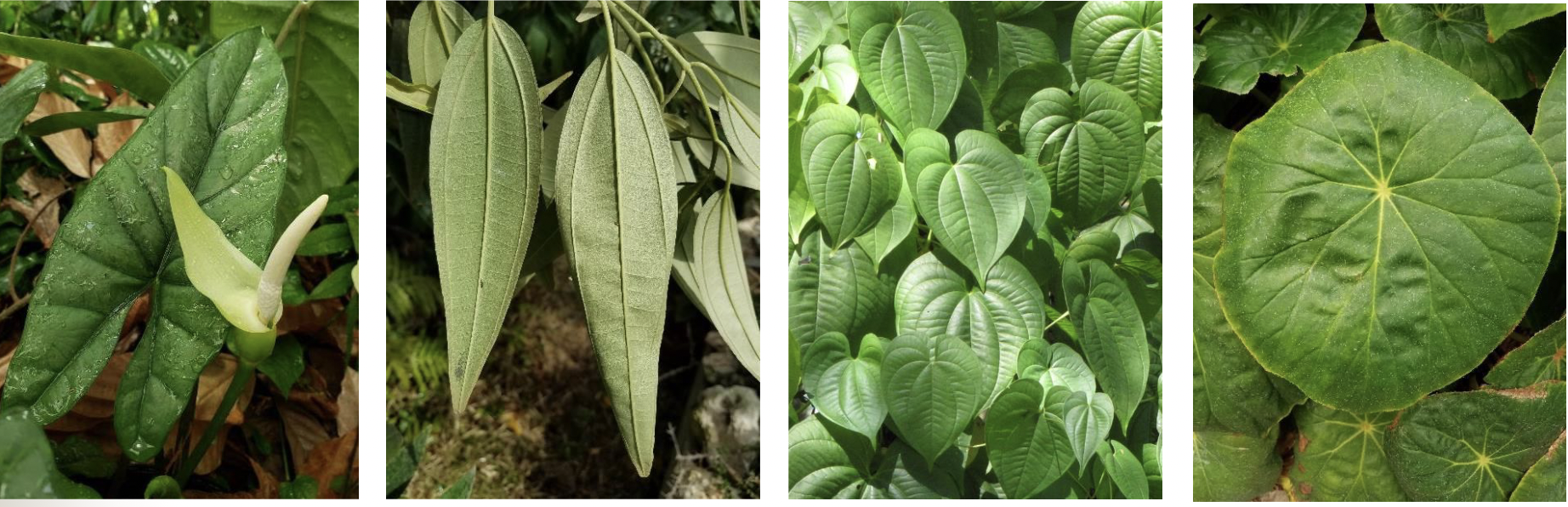
blade, lanceolate, peltate
Mature leaves typically have a broad flat surface called a _. Simple leaves have a single one. Shapes include, from left to right; hastate, _, cordate, and _
twice palmate
forest cabbage tree has __ leaves, where more leaflets arise from the first set of leaflets

twice pinnate
this is an example of __ leaves

sessile, petiolate
The petiole is the leaf stalk, if lacking the leaf is called _ (left). If it’s there, the leaf is called _ (right)

palmately, pinnately, wind
_ compound leaflets arise from a single point, while _ compound leaves arise along a central stalk. Compound leaves allow better _ resistance and a larger surface area.
opposite, alternate, whorled
in leaf arrangement, _ is 2 leaves per node, _ is one leaf per node, and _ is more then 2 leaves at a node
sheaths
Grasses have leaf _ at the base of their leaf blades.

entire, dentate, serrate, crennate, dissected
leaf margin types include the following: _ have smooth margins (top left) , _ have wide teeth (top middle), _ have small teeth (top right), _ are scalloped (bottom left), deeply _ means blade does not disappear (bottom right), not truly compound; and deeply lobed (bottom middle)

axillary bud, stipules
all leaves have an __ on the base. Some also have _ attached at the node/base of the petiole- purpose unknown, sometimes will only occur in younger growth (see image)

pubescence
Plants may have _ on their leaves to reduce water loss or heat load
thinner, thicker, narrower
Shade leaves (right) are _, less of a palisade layer, while Sun leaves (left) are _ due to more light and more gas exchange and sugar production, but also smaller and _
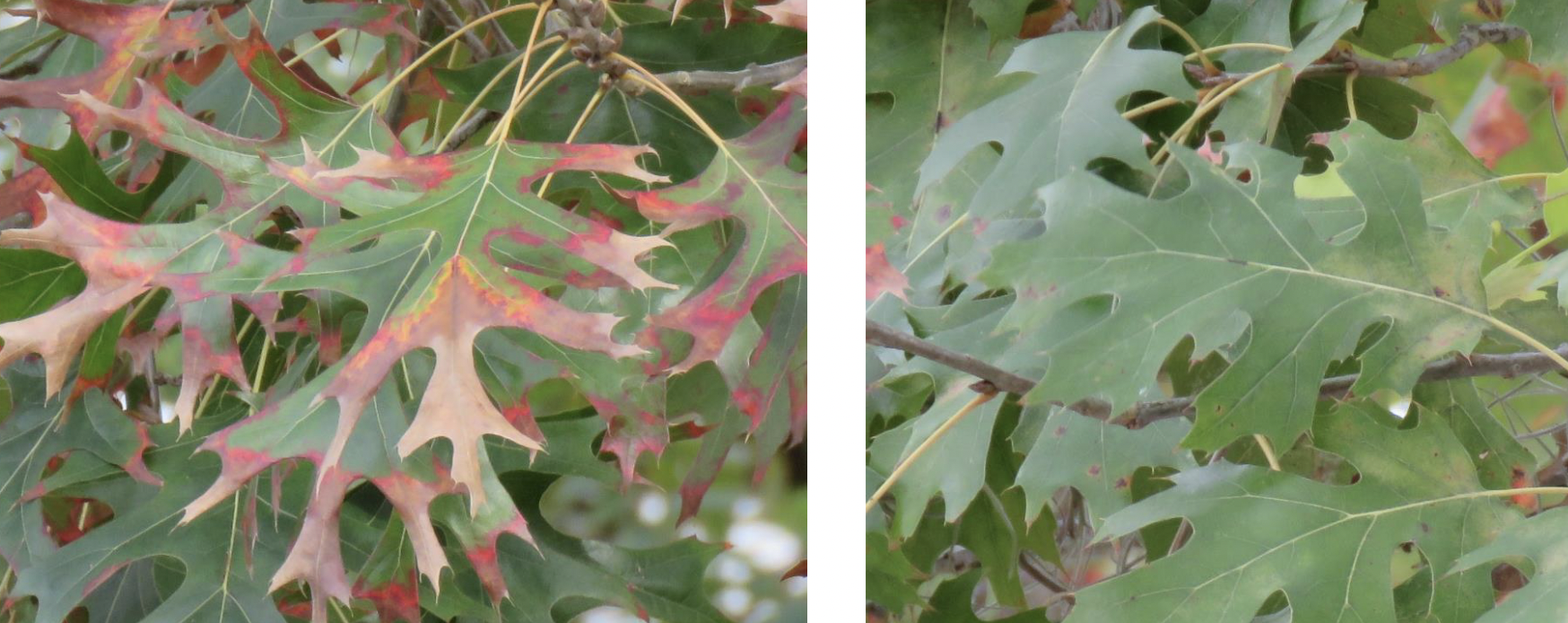
sun, shade
the leaf on the top is a _ leaf, while the one on the bottom is a _ leaf

cuticles, stomata, fleshy, spines, cups
leaf drought adaptations include Small leaves, Thick _, Sunken _, Pubescence on surface, leaves modified to be more _ for water storage, leaves reduced to _, which heavily reduces water usage and provides shade to the plant during warmest parts of day; and Leaf bases forming _ to hold water (bromeliads)
herbivory, bud scales
leaf protective adaptations include cactus spines to prevent _, Bracts on nuts which protect them as they mature, and __, which are modified leaves, protect buds from desiccation and cold temperatures (see photo)

bracts
to assist in attracting pollinators, leaves may be colorful _ surrounding the actual flower. This occurs in Poinsettia, Cornus, Bougenvillea, and more

tendrils, buoyancy, bananas
Leaf adaptations for support include _ for grasping; Petioles with air for _, and that petioles form a stalk from overlapping such as in water hyacinth (photo), such as in _

ant, nectaries
Leaf adaptations for insect protection include Hollow leaves for _ shelter, which protect the flower pot plant (photo), and _ on the base of leaf blades to attract carpenter ants, which patrol the plant, such as in Passiflora

sarracenia, darlingtonia, nepenthes, sundew
leaf adaptations for carnivory include _/Pitcher plants, which catch insects in modified leaves; _/ Cobra Lily catches insects in hollow, tubular leaves (photo); _ pitchers capturing small birds and mammals; _/drosera relying on sticky hairs to trap insects, and Venus flytrap leaves that have hairs that sense movement and close

stomata, channels
submerged aquatic plant leaves have adapted by lacking a cuticle and _, while emergent aquatic plants have hollow _
glucose, fructose
The phloem transports sugars (primarily sucrose) and other compounds. Sucrose is composed of a _+_ linked together, dehydration reaction
co2 acceptor
Plants create glucose in photosynthesis. Plants use most of the carbon molecules to recreate the __ molecules, and only Some carbon molecules go to make glucose
low, starch, abundant, sucrose
The first enzyme in sucrose synthesis is in _ supply during the day. Most carbon compounds given off by photosynthesis are used to make glucose, then _. At night, sucrose synthesis enzyme is _. Starch is converted to glucose, then _, then exported
sucrose, nitrogen, ureides
Components of phloem sap are mostly sugar, especially _; and _ compounds, which includes some amino acids, _, but Never in the NO3- or NH4+ forms
sieve tube elements, sieve cells
transport phloem cells in Angiosperms are ___. No nucleus or vacuole, living plasma membrane. In Gymnosperms, they are __, which are similar to angiosperms
companion, albuminous
Directly adjacent to phloem transport cells are cells with a nucleus+vacuole. Angiosperms have _ cells, Gymnosperms have _ cells
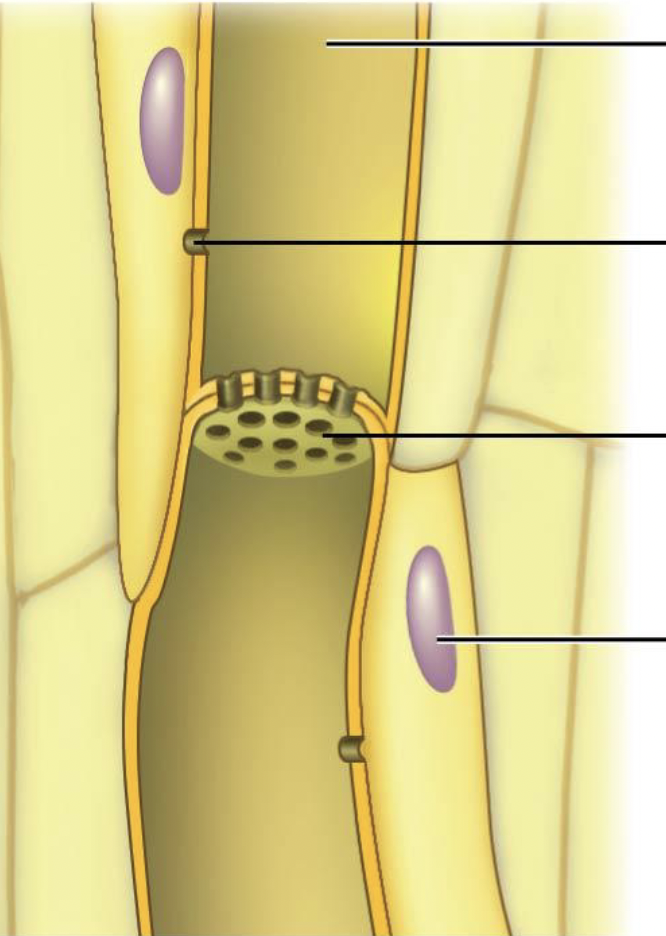
sieve plates
Gymnosperms have __ at the ends of cells- these are easily plugged by p-proteins if the phloem is damaged (lower middle arrow)
metabolic, sucrose
in phloem loading, sucrose is loaded into sieve tubes using _ energy. _ may be 3x higher in sieve tubes than outside

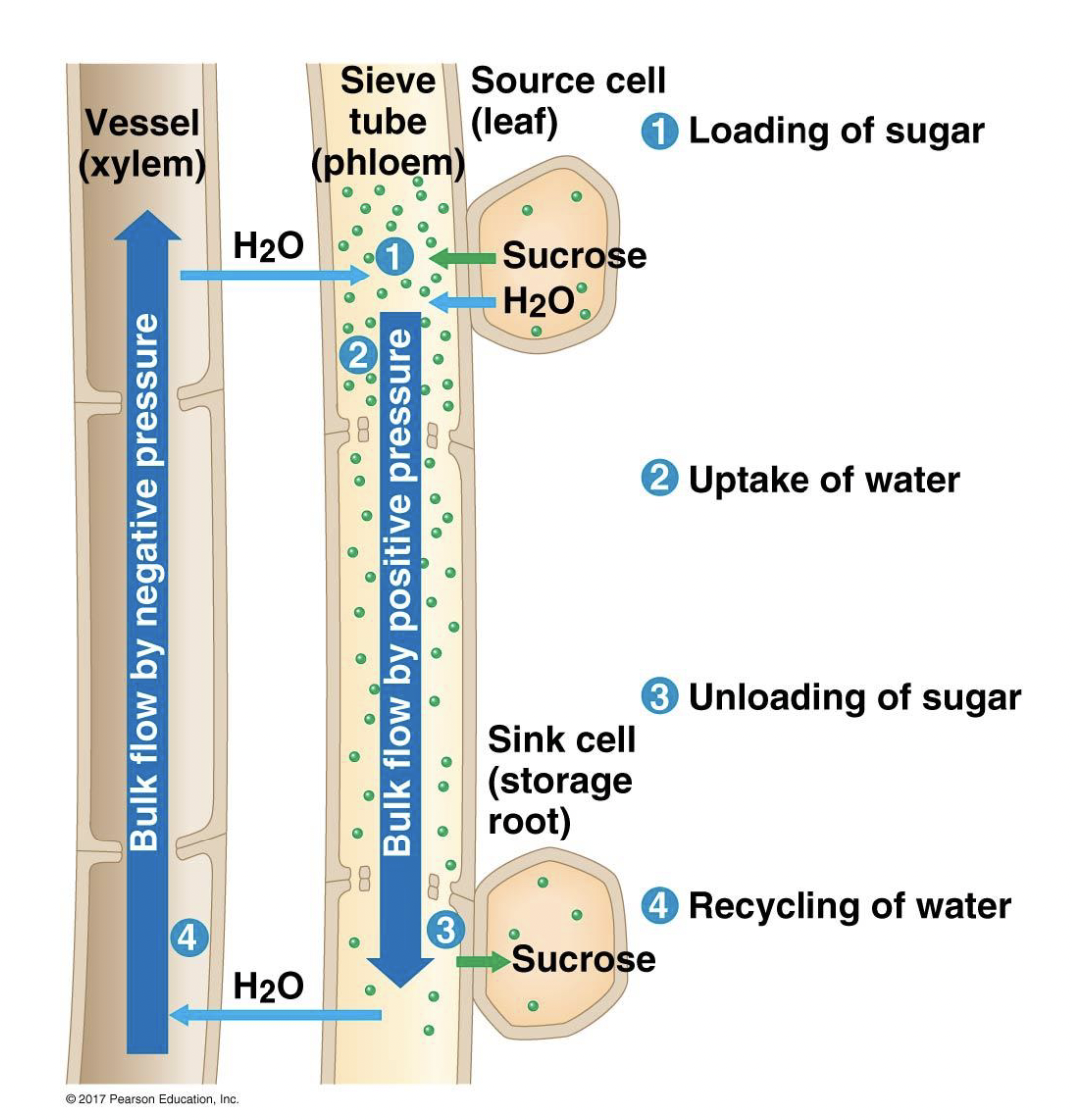
osmosis, water, sucrose
In Phloem Sap Movement, a high concentration of sugars in sieve tubes absorbs water from xylem by _, _ builds up high pressure in phloem, and Phloem sap is forced from areas of high pressure (sites of _ loading) to areas of lower pressure. As such, movement of phloem sap is from source (site of sucrose loading) to sink (site of sugar unloading).
osmosis
_ is movement of water across a semipermeable membrane from a region of high to low concentration
vascular, proximity
in phloem partioning, Direction of phloem movement depends on _ connection. It Depends on _ of the sink- source to the nearest connected sink
glyphosate
_ is transported in the phloem and stops the production of amino acids- tryptophan and phenylalanine, leading to gradual stunting and death
receptacle
all flower parts are attached to the _
sepals, petals
the _ are typically green and protect the bud, while the _ are colorful and showy
tepals
when sepals are colorful like petals, they are known as _
anther, filament
the stamen consists of the _, which produces pollen, and the _, which holds it up
stigma, style, ovary
the pistil consists of the _, which recieves pollen, the _, where the pollen tube grows through, and the _, which houses the ovule
incomplete, imperfect
_ flowers are missing one or more flower whorls, while _ flowers are missing stamens or pistils
monoecious, dioecious
A _ plant has male and female flowers are separate on the same plant, while a _ plant has separate entirely male or female plants
petals
Flowers of many trees, such as oak and beech are monoecious and wind pollinated. They have no need of _
polygamodioecious
Papayas can have perfect flowers or be dioecious or _(a mix of bisexual (perfect) and unisexual flowers distributed across different individual plants)
staminate, pistillate
Avocadoes are polygamodioecious with the entire tree acting _ OR _ for part of the day
sympetalous, synsepalous
Fusion of petals is known as _ and fusion of sepals is _
connate, adnate
fusion of like parts is connate and fusion of unlike parts is adnate
adnate, petals
Angel’s trumpet has petals, sepals and anthers that are connate and stamen filaments _ to the _.

polydelphous, didelphous, monodelphous
there are 3 types of fused stamen filaments: _ is several stamen groups (left); _ is 2 stamen groups, and _ is 1 stamen group (right)
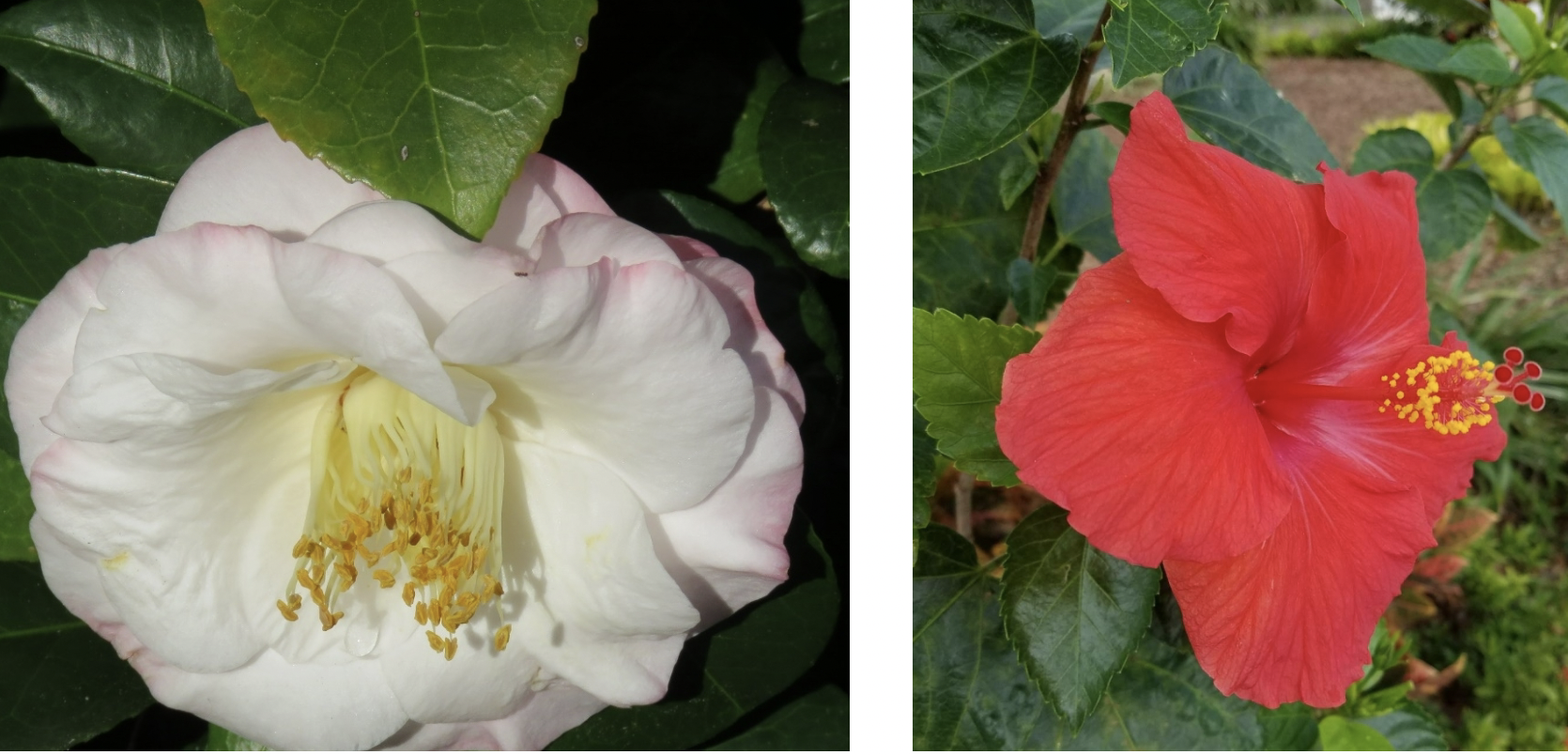
radial, bilateral, irregular, bilabiate
there are 4 symmetry types: _ symmetry is actinomorphic, cut in several directions and get a mirror image. _ symmetry is zygomorphic. _ means no true symmetry, like canna; and _ means petals are fused into different groups (see photo)

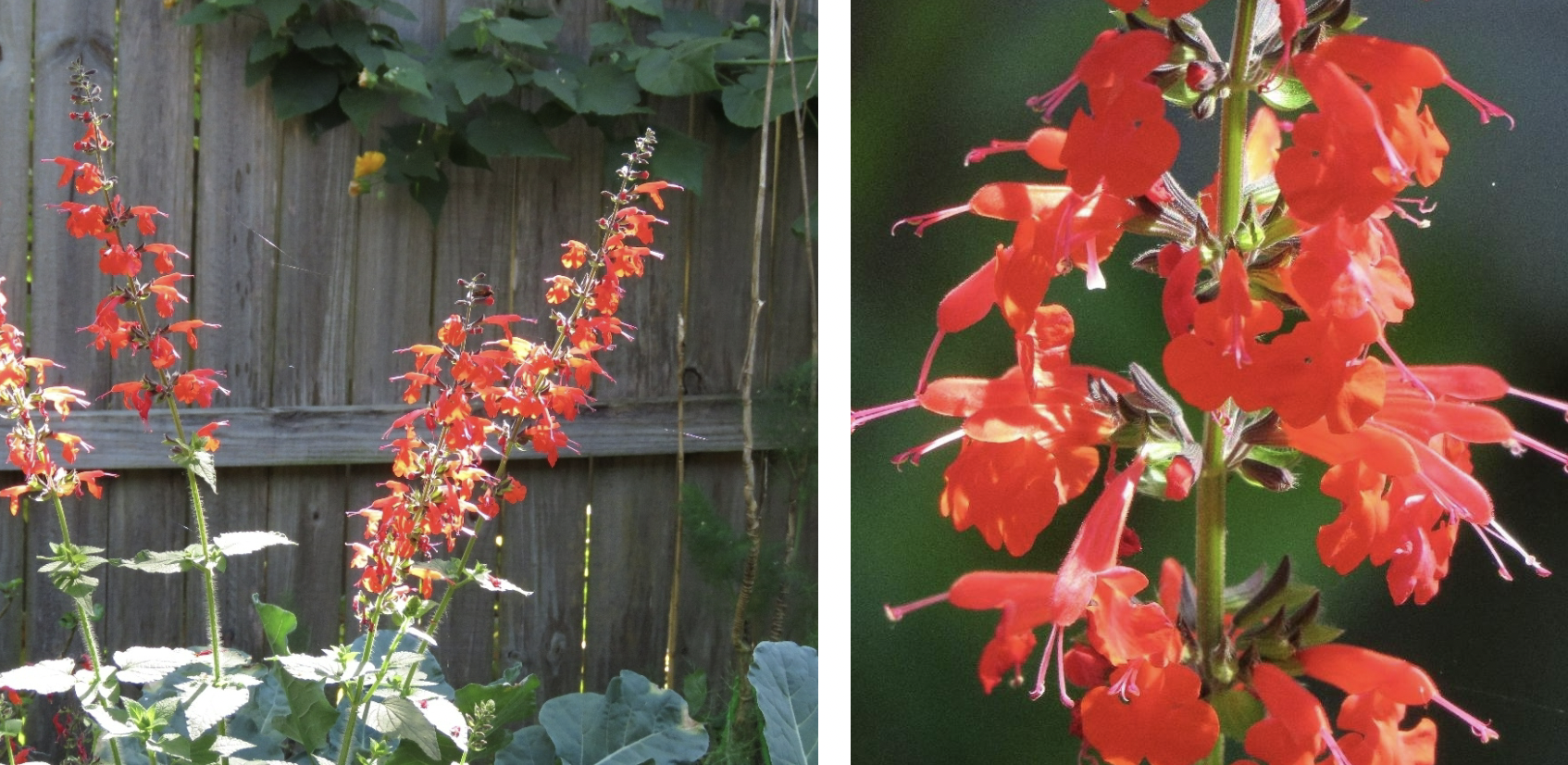
spike
a _ inflorescence is when multiple flowers are directly attached to a central stem.

raceme
Multiple flowers, each with a short stalk (peduncle) arranged on a central axis is a _ inflorescence
panicle
Flowers borne on a branched stalk with central-lead axis is a _ inflorescence

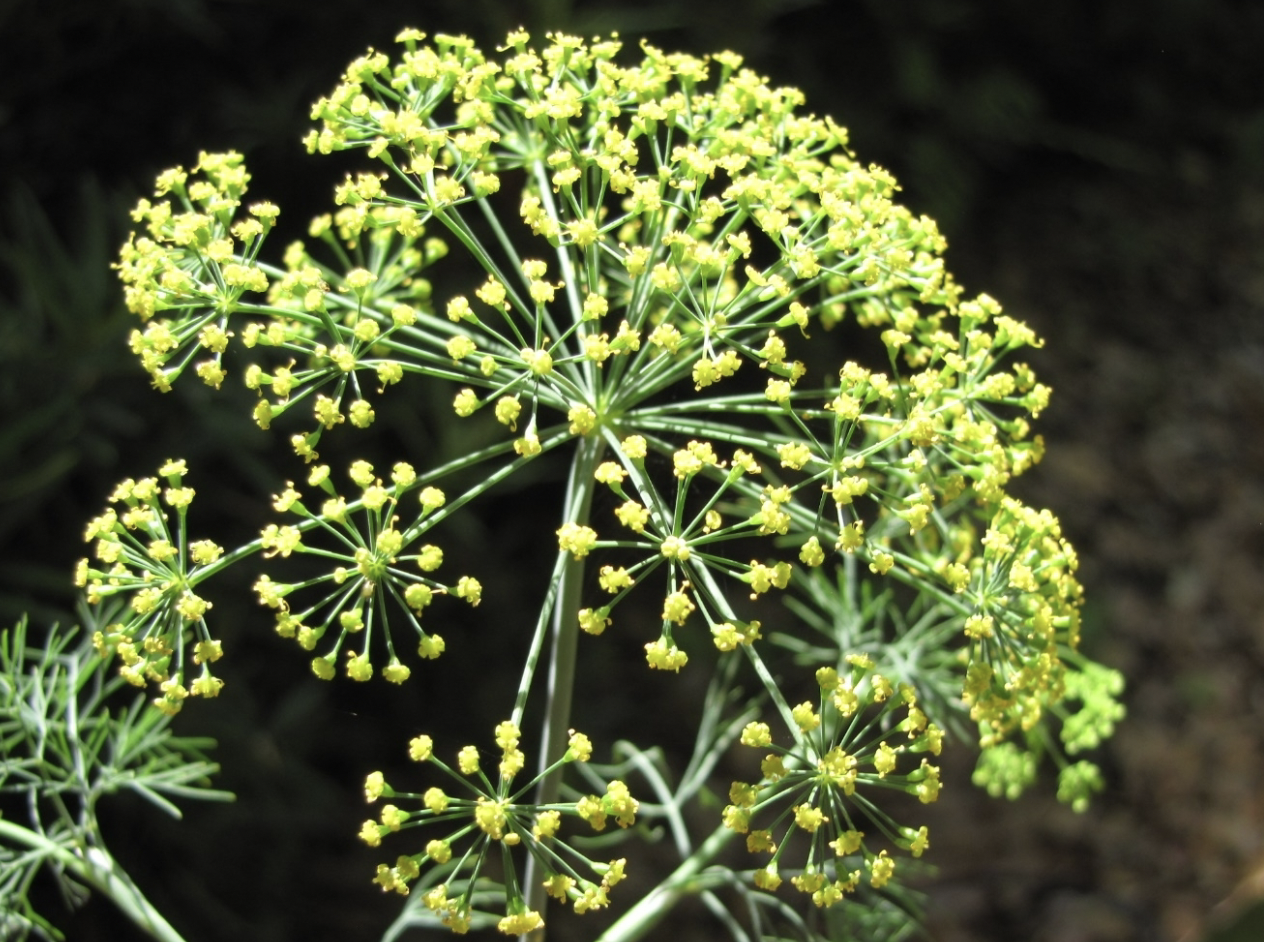
umbel
an _ inflorescence is where Flower stalks all arise from one point+ form a dome, which can be compound
corymb
A flat-topped branched inflorescence is known as a _

cyme
a _ inflorescence is similar to a corymb, but flowers are in a branched set of 3

head
Many tiny flowers resembling a single flower are a _ inflorescence

catkin
Wind pollinated chains of male flowers are a _ infloresence

primitive basal
__ angiosperms have many flower parts that are inconsistent in number. They include the water lillies (left) and florida anise (right)

primitive core, magnoliids
the __ Angiosperms have inconsistent flower parts or both dicot and eudicot characterestics. They include the Woody _ group, which includes Magnolia (inconsistent parts), avocado (flower parts in 3’s), and pawpaws (flower parts in 3’s)
4, 5, 3
Eudicot Flowers have parts in multiples of _ or _. Monocot Flowers have parts in multiples of _. They are the two largest classes of flowering plants.
pollination, fertilization
_ is the transfer of pollen from stamen to stigma, while _ is fusion of sperm cells from pollen with egg in the ovule
stigmas, stamens
Plants promote cross pollination in multiple ways: passiflora _ and _ mature at different times

sex
Plants promote cross pollination in multiple ways: The Plant may change functional _ during the day, like avocadoes

monoecious
Plants promote cross pollination in multiple ways: _ plants have separate male+female flowers that often mature at different times

beetles
flowers pollinated by _ feature landing platforms, many stamens, a musty or fruity odor, and a pale color

beetles
_ are poor at hovering, have a Good sense of smell, have Poor color vision and strong jaws
bees
Flowers pollinated by _ feature yellow, blue, or UV colors, nectar rubes, sweet scents, a landing site, and sometimes certain color patterns

bees
_ have Good color vision- blue, yellow, uv, a Good sense of smell, are Poor at hovering, and have Long tongues
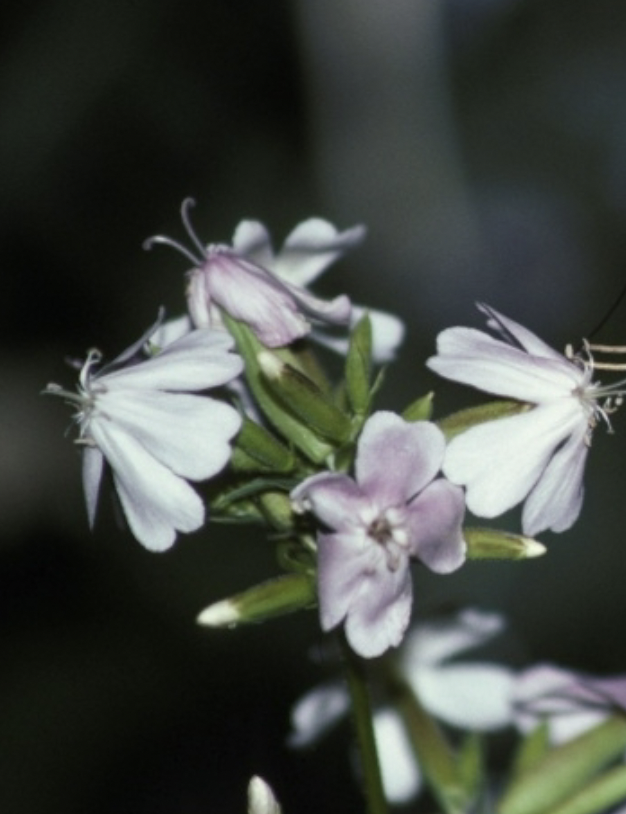
moth
_ pollinated flowers feature Pale or white Nectar tubes, a Sweet scent at night and No landing platform
moths
_ have Poor color vision, a Good sense of smell, are Good at hovering, and have Long tongues
butterflies
flowers pollinated by _ are Red, orange and yellow; have Nectar tubes and a landing platform, and feature No odor
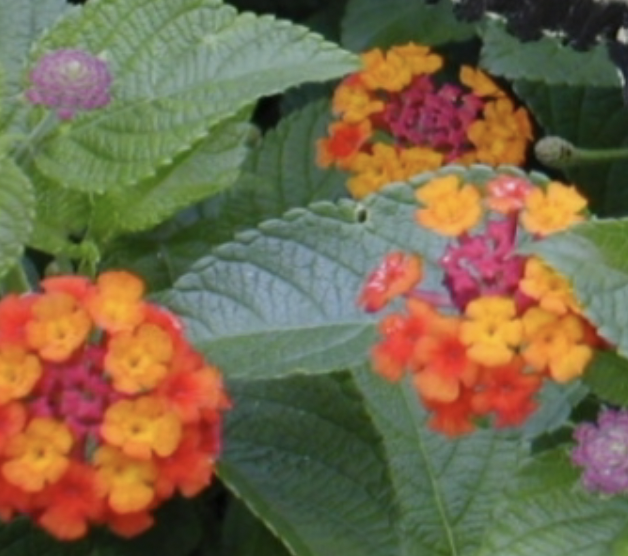
butterflies
_ have Good color vision, a Poor sense of smell for flower scents, are Poor at hovering, and feature Long tongues
flies
Flowers pollinated by _ are Maroon or grey, have Nectar on the surface, a Rotting odor, and a Landing platform

flies
_ have Poor color vision, a Good sense of smell for carrion and decay, are Poor at hovering, and have Short tongues
birds
flowers pollinated by _ have Bright colors, Nectar in tubes, and possible landing platform depending on type

birds
_ have Excellent color vision, a Poor sense of smell, Hovering abilities that depend on type, and Long tongues
bat
_ pollinated flowers feature Pale colors, Nectar + pollen in abundance, an Odor at night, and a Landing platform
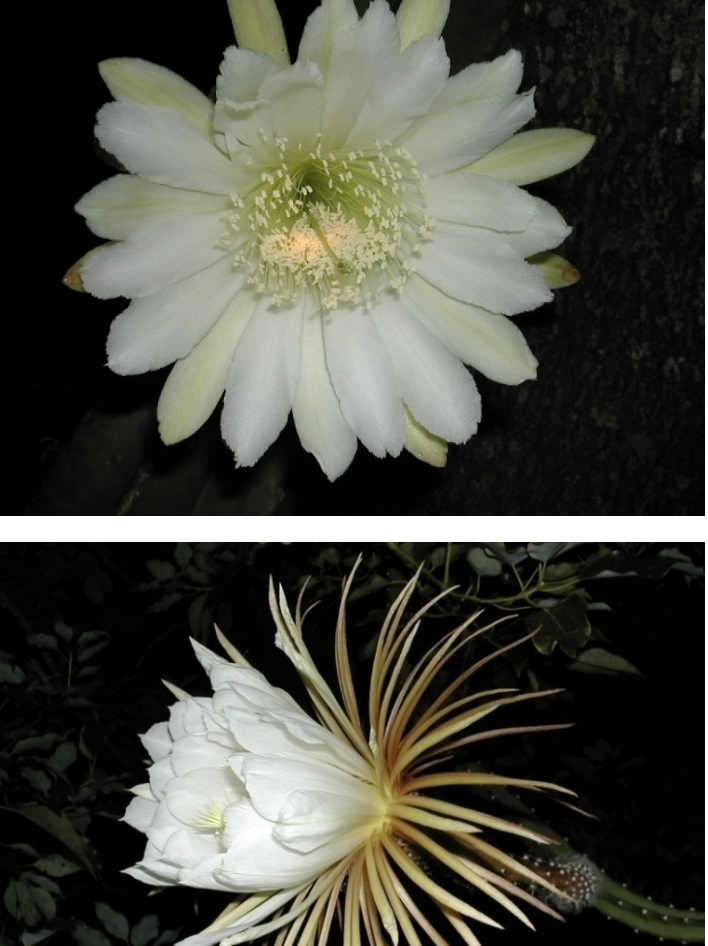
bats
_ have Poor color vision, a Good sense of smell for fruits+flowers, are Poor at hovering and have Long tongues
musty
A few flowers, such as that of Aristolochia, lure gnats and small flies with _ odors, then trap them for a time while the flower is pollinated.

orchids
Some _ mimic the scent and appearance of female bees to attract male bees as pollinators.

egg, zygote, endosperm
Pollen grows a pollen tube down to the ovule. Pollen has 2 sperm cells: One sperm fertilizes the egg cell to form a 2n zygote, and the Second sperm fertilizes 2 polar nuclei to form 3n endosperm
wall
As ovules develop into seeds, the ovary _ becomes a fruit
fleshy
Simple _ fruits grow from a single pistil in one flower

accessory
in _ fruits, something other than ovary contributes to the fruit (receptacle, floral tube, etc), which include apples
aggregate
an _ fruit is one flower with multiple separate pistils, such as raspberries and blackberries
multiple
a _fruit many separate flowers with ovaries that fuse together to make a fruit, such as pineapples
wings, plumes
Fruits of maple, elm, and basswood are carried a short distance from the parent tree by _, while some seeds like milkweed use _ to carry them through the wind
nuts
_ of various kinds attract squirrels and some birds for dispersa
dehiscent dry, undehiscent dry
a __ fruit splits open when mature, while a __ fruit remains closed when mature
mosses, prganic matter
Weathered bedrock is the source of most mineral elements in soils. _ and lichens are the first organisms to colonize bare rock. They provide __ and hold rock mineral grains in place, creating a thin soil for larger plants to grow on.
sand, silt, clay
the 3 soil mineral particles are _ at 0.05- 2 mm, _ at 0.002- 0.05 mm, and _ at smaller than 0.002 mm
minerals, aeration
Soil is a diverse mix of _, organic matter, and many living organisms. Soil organic matter increases water and nutrient holding capacity as well as _
humus
Soil water clings to soil mineral particles and _
gravitational
Soil water falls into 3 categories: _ water is the excess that will drain away by gravity