Alcohol, Benzos, and Non-benzodiazepine sedative-hypnotics
 Call Kai
 Learn
Learn Practice Test
 Spaced Repetition
 Match
Match Flashcards
 Knowt Play
 Podcast
1/29

There's no tags or description
Looks like no tags are added yet.
Name | Mastery | Learn | Test | Matching | Spaced | Call with Kai | Chat |
|---|
No analytics yet
Send a link to your students to track their progress
30 Terms

0.6 oz (14 g). This is 1.5 oz of 80 proof liquor, 5 oz wine, or 12 oz beer
Ounces of pure alcohol in a standard drink

Inhibits aldehyde dehydrogenase -> 5-10x higher than normal levels of acetaldehyde-> flushing, HA, n/v, cp, blurred vision, sweating, confusion, dyspnea, and anxiety. Starts approximately 10 minutes after alcohol and can last up to an 1 hour
Mechanism of action of disulfram
Also bind the GABAA receptor, but chemical structure is NOT like benzos. These are the “Z-drugs" prescribed for insomnia, eg zolpidem (Ambien), eszopiclone (Lunesta), and zaleplon (Sonata)
Mechanism of action of non-benzodiazepine sedative-hypnotics
Both involve the emergence of symptoms for which the benzo was originally prescribed, but rebound is characterized by a HIGHER intensity than before treatment and is shorter in duration than symptom recurrence/relapse
What is the difference between symptom recurrence/relapse vs symptom rebound?

Microcephaly, micrognathia (small jaw), low nasal bridge, and thin upper lip
Features seen in Fetal Alcohol Syndrome (FAS)
OPRM1 gene (codes for the mu-opioid receptor)
Naltrexone for the treatment of AUD is more efficacious in patients with at least one copy of the Asp40 allele on this gene. Also has an effect on opioid dependence, HPA axis response to stress, sensitivity to pain, and responsiveness to analgesics. Asians are more commonly affected by this mutation.
GABRA2
Polymorphisms in this gene relates to the severity of alcohol withdrawal symptoms, high daily alcohol consumption, and extent of positive reinforcement with alcohol use in patients WITHOUT AUD
![<p>Small intestine (This is why food = less absorption of alcohol [delays gastric emptying])</p>](https://assets.knowt.com/user-attachments/6f878109-ffc0-4e8c-8a25-4bb73f25091a.jpg)
Small intestine (This is why food = less absorption of alcohol [delays gastric emptying])
Area of the GI tract that has the highest rate of alcohol absorption
9
This NIAA recommends alcohol screening and brief intervention to start at this age
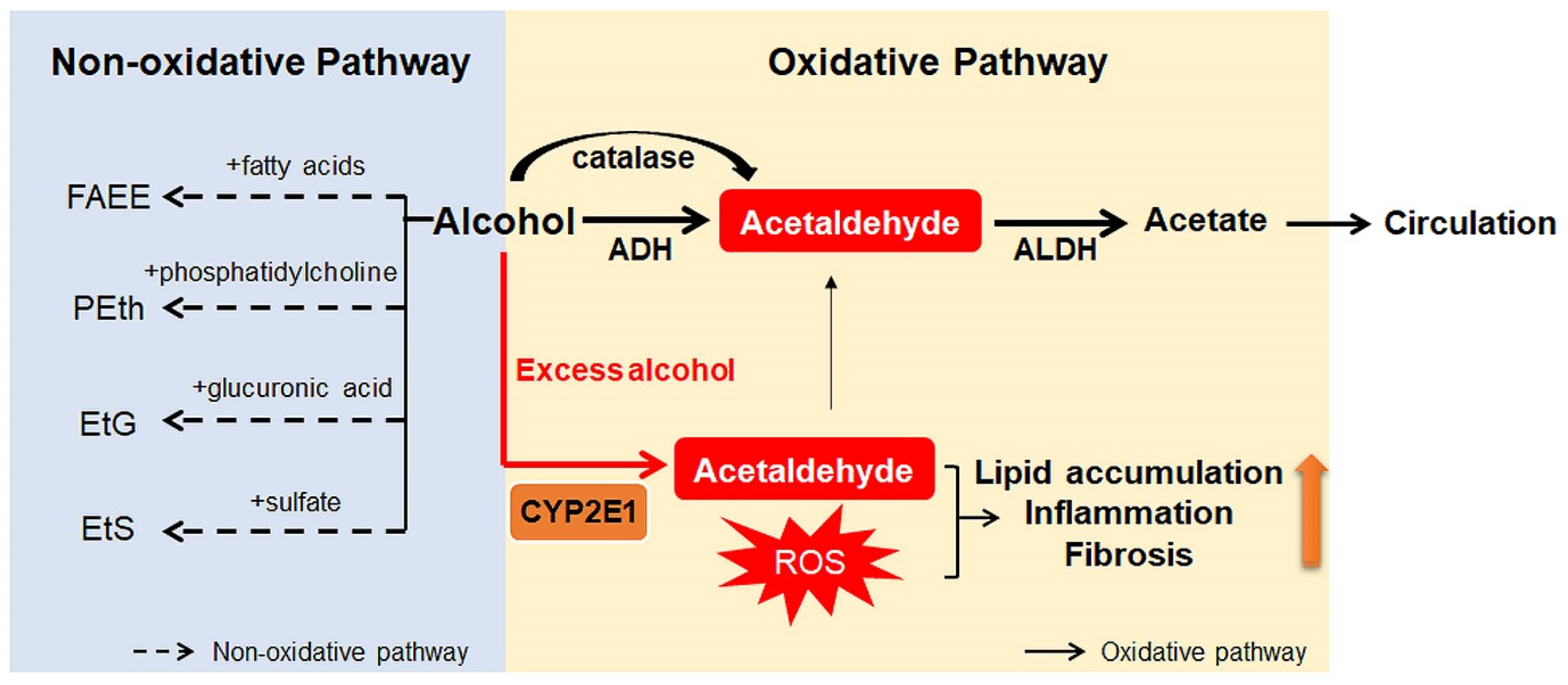
Oxidation
The process by which the liver metabolizes alcohol

Ethyl sulfate (EtS) and ethyl gluconoride (EtG) are highly specific urine biomarkers of alcohol use
(They are not direct metabolites of alcohol, but are formed through enzymatic conjugation. EtS is less prone to false positives so is more specific. S = specific)
Which lab value is the most specific indicator of recent alcohol consumption? (Not BAC)
A9
This allele, which affects central dopamine function, is associated with the severity of alcohol withdrawal, including seizures and DTs
Michigan Alcoholism Screening Test-Geriatric Version (MAST-G)
Validated screening tool to assess for AUD in geriatric patients

Note: CDT is the most accurate biomarker of recent heavy alcohol use
Different biochemical markers of alcohol use
Drinker Inventory of Consequences (DrInc)
Measures the adverse consequences of alcohol use in five domains: physical, social, impulse, interpersonal, and intrapersonal
Minnesota Model
Believes that AUD is an involuntary, primary, chronic, and progressive biopsychosocial-spiritual disease. Drew on principles from AA.
ALDH1A1
Gene linked to epigenetic changes that occur in patients who have ACEs → alcohol misuse
Persons < 65 and women: 4 or more drinks daily / 7 drinks per week
Men: 5 or more drinks daily / 14 drinks per week
At risk drinking thresholds for women, men, and persons > 65
AUTS2
Gene involved in differences in human prefrontal cortex (handle reward, decision-making, and behavior) → lower activity → alcohol misuse
0.015 g/100mL/hour, which is the same as reducing your BAC level by 0.015 per hour. For people with chronic alcohol use, can increase to 0.02 per hour
Metabolism of alcohol per hour
ADH1B
Encodes alcohol dehydrogenase; variants yield changes in metabolism of alcohol → ↑ GI cancer

T-ACE
Alcohol screening tool validated in pregnant women
300-399
Blood alcohol level for hypothermia, dysarthria, amnesia, and stage I anesthesia
200-299
Blood alcohol level for obvious intoxication except for patients w/ tolerance - n/v and ataxia
1-7 low risk consumption of alcohol
8-14 harmful/hazardous use
15 or more indicates alcohol dependence
The AUDIT, which has 10 questions and is developed by the WHO, is scored this way
Project MATCH
Compared patients with AUD randomly assigned to cognitive–behavioral therapy, motivational treatment, and 12-step facilitation. They all worked, but MET = more effective for angry patients/low motivation. 12 step = more effective for those with little support and severe AUD. CBT = more effective for less severe AUD
COMBINE study
Assessed patients with AUD on naltrexone, acamprosate, and combined behavioral intervention (CBI). Patients receiving medical management with naltrexone, CBI, or both fared better on drinking outcomes, whereas acamprosate showed no evidence of efficacy, with or without CBI
10%
12 month prevalence of AUD
12 hours. Reactions can persist up to 2 weeks
How long since last drink before starting disulfram?
Inhibits VTA neuronal activity due to increase GABA tone in the nucleus accumbens, antagonizes glutamate, and suppresses dopamine release in the nuclear accumbens reducing the reward aspects of alcohol use
How does topiramate treat AUD?