Unit 1 - The brain - AP Psychology
 Call Kai
 Learn
Learn Practice Test
 Spaced Repetition
 Match
Match Flashcards
 Knowt Play
1/63

There's no tags or description
Looks like no tags are added yet.
Name | Mastery | Learn | Test | Matching | Spaced | Call with Kai | Chat |
|---|
No analytics yet
Send a link to your students to track their progress
64 Terms
Cerebral Cortex
cerrebrum
highest level of thinking
Most complex
What are the parts of the cerebral cortex
Frontal lobe, occipital lobe, temporal lobe, parietal lobe
Frontal lobe
judgement, logic, impluse control, muscle movement & speaking, develops fully by 25
Where is the cerebral cortex located

Where is the frontal lobe located
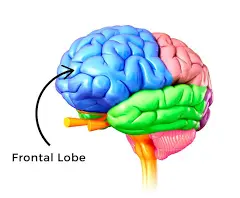
What are the parts of the frontal lobe
Motor cortex & Broca’s area
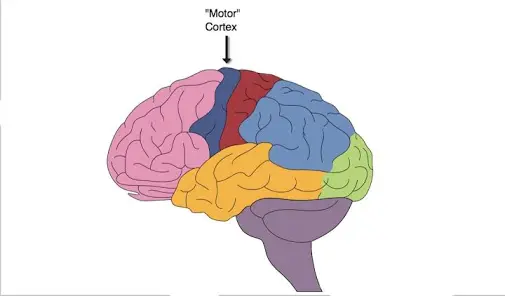
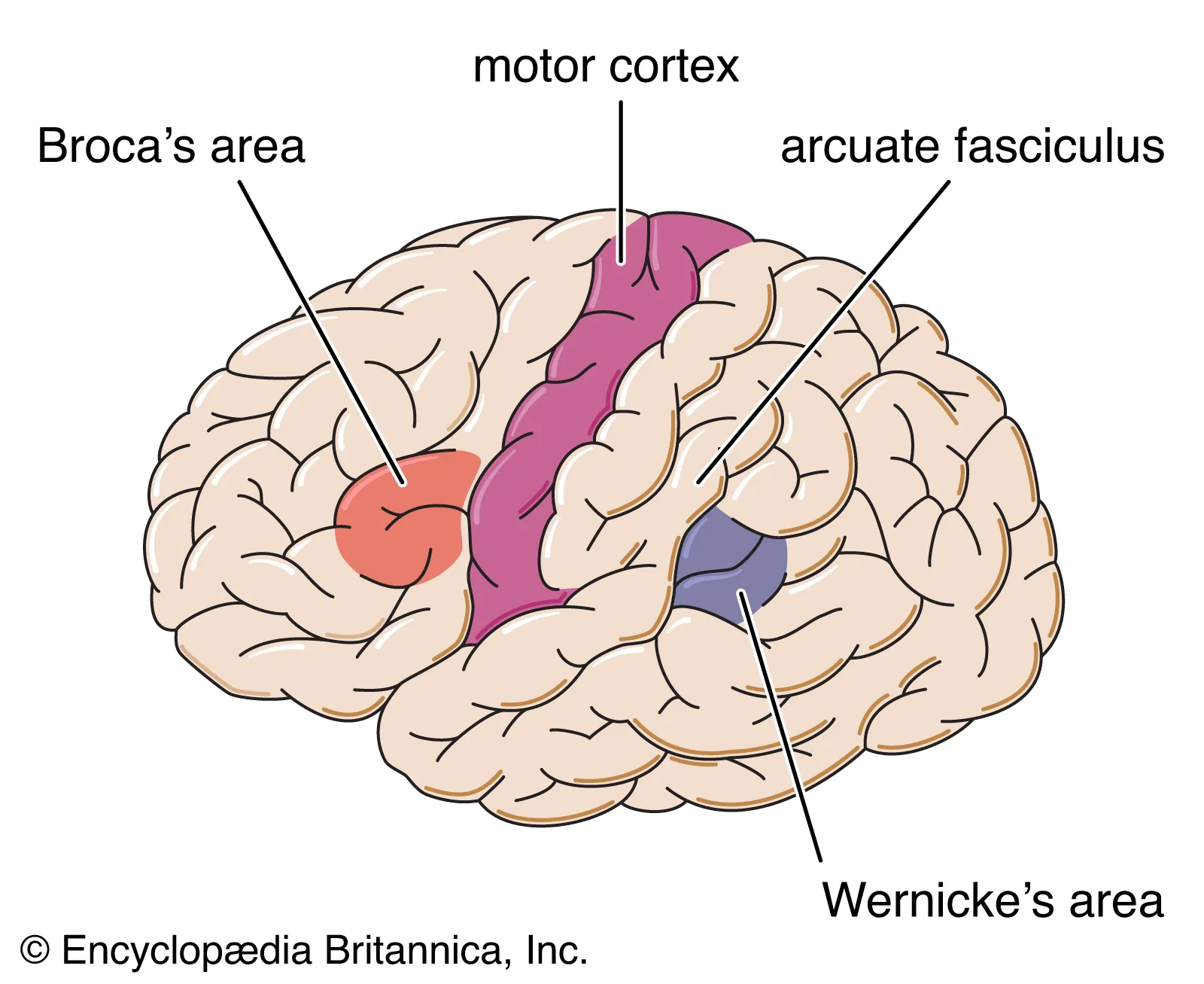
Motor cortex
controls volentary muscle movements
Broca’s area
production of speech
Brocas aphasia
Speech is Broc-a
a condition where you cannot say what you think
Where is the motor cortex
Where is brocas area
Occipital lobe
sensory information related to vision
where is the occipital lobe

Brainstem
the stalk-like lower part of the brain that connects the cerebrum and cerebellum to the spinal cord
things that occur without effort
What are the parts of the brainstem
medulla and RAS
where is the brainstem
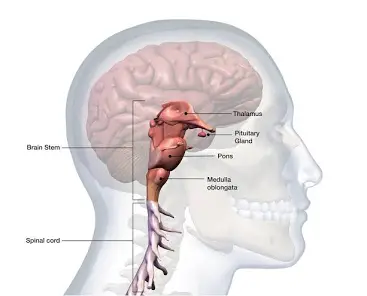
Medulla
medal around heart and lungs
heart rate, blood pressure, respiration
RAS
rise and shine
alertness, arousal, multitasking
where is the medulla

Where is the RAS

Thalamus
directing traffic in brain
Switching board, controls stimuli
Cerebellum
balance, muscle memory
skills
walking
Drunk
Where is the cerebellum
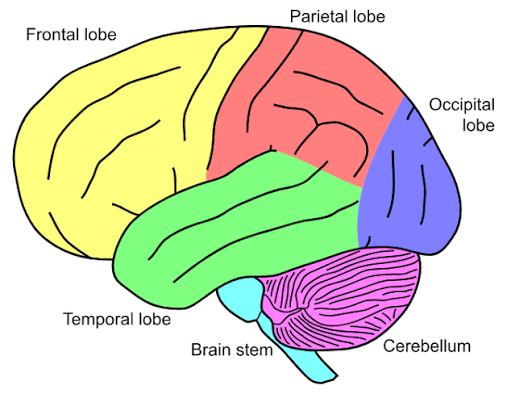
Where is the thalamus

Limbic system
above brainstem
more complex behaviors
emotions, memory, drives
what are the parts of the limbic system
hypothalamus, pirtuitary, hippocampus, amygdala
where is the limbic system located
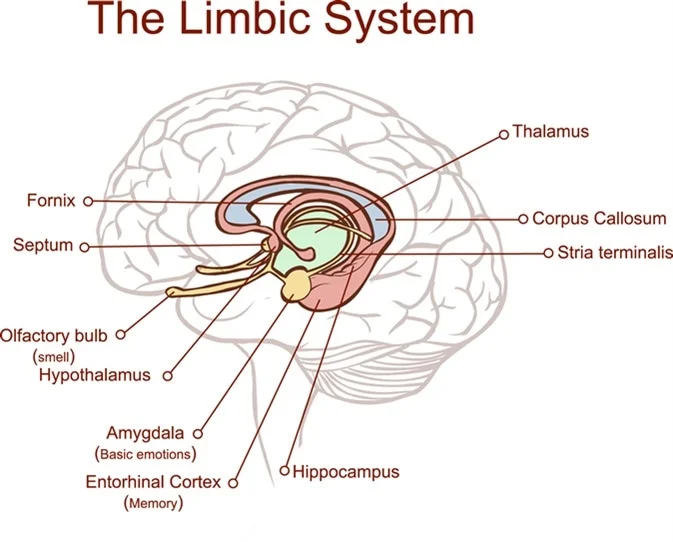
Hypothalamus
maintains homeostasis
regulates drives → thirst, sexual, temp
Communicates with endocrine system
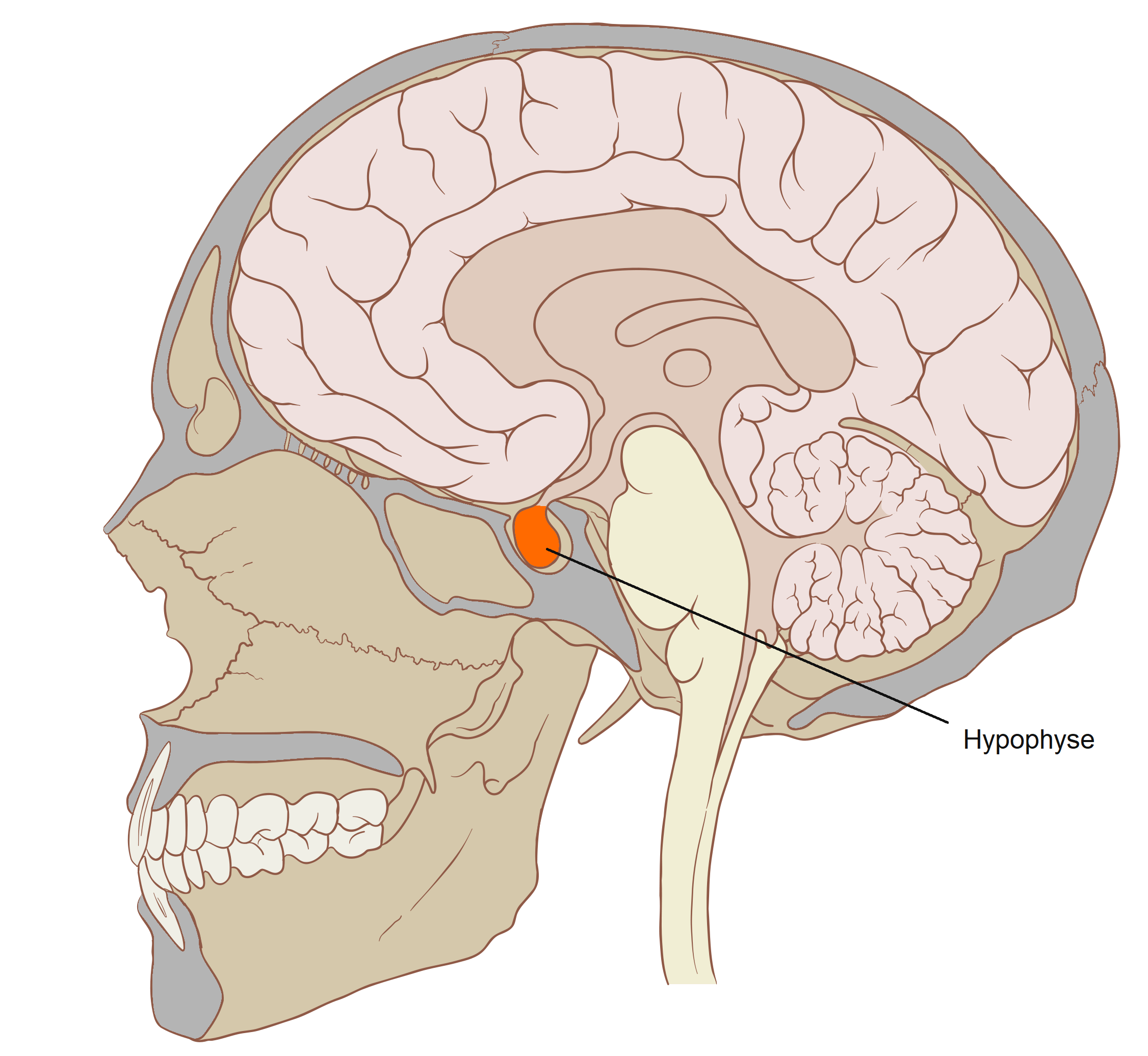
Pituitary
controls glands in endocrine
regulates growth
master gland
Hippocampus
facts, dates
explicit memory
dmage = inability to form new meories
concussoins
Amygdala
emotion: fear & agression
big emotions
where is the hypothalamus located

where is the pituitary gland located
where is the hippocampus located

where is the amygdala located

corpus callosum
connects 2 hemispheres of brain
where is the corpus callosum

temporal lobe
located on temples of head where ears are located
recieves and processes sensory information related to hearing
what is apart of the temporal lobe
wernickes area
werneckies area
responsible for understanding of what people are saying
werneckies aphasia
trouble understanding words, can speak easily but doenst make any sense
parietal lobe
largely an associatoin area linked to mathematical and spatial reasoning
recieves sesnory input for touch and body position
what is apart of the parietal lobe
somatosensory cortex
somatosensory cortex
registers and processes all incoming touch and movement sensations
where is the temporal lobe located

where is the parietal lobe located

where is wernickes area

where is somatosensory cortex

Reward center
a complex network of neural structures that reinforces behaviors essential for survival, like eating and social bonding
Hemispheres
left hemisphere and the right hemisphere, which are connected by a thick band of nerve fibers called the corpus callosum
Left hemisphere
speaking & language
controlling the RIGHT side of the body
right hemisphere
visual perception
controlling the LEFT side of the body
split brain patients
a condition resulting from surgery that isolates the brains two hemispheres by cutting fibers (especially in the corpus callosum)
how does vision relate to the hemisphers
everything in the right visual field is interpreted by the left hemisphere
everything in the left visual field is interpreted by the right hemisphere
Lateralization
the tendency for specific cognitive processes and neural functions to be specialized to either the left or the right hemisphere of the human brain
biopsychoosocial approach
an integrated approach that incorporates biological, psychoogical, and social-cultural levels of analysis
neuroplasticity
brains ability to change especially during childhood by reorganizing after damage or by building new pathways based on experience
Lesion
tissue destruction. brain lesions may occur naturallm during surgery, or experimentaly
highlight the different functions of different areas of brain because when someone has a lesion they are missing a nromal brain function
eeg
a safe, painless, and non-invasive medical test that measures and records the electrical activity of your brain via small metal discs (electrodes) attached to your scalp
activates different sectors of your brain
fMRI
a non-invasive medical imaging scan that measures and maps brain activity by detecting tiny changes in blood flow and oxygen levels
Phineas Gage
Damage to Large part of frontal lobe
Changed him from being polite and patient to being rude
People said he was so different that he was no longer himself
Patient H.M.
Damage to Majority of the Hippocampus
Epilepsy improved
Recalling memories from before but not form new memories
Normal intelligence and could have short conversations but would forget them when distracted
Ataxia
Damage ot Right half of the cerebellum
This causes difficulty in controlling movements on the left half of his body.
When making movements with just his left side (such as touching his nose with his left hand) his movements were jerky.
Urbach-Wiethe Disease
Amygdala which hardens and wastes away
Unable to recognize fear and experience fear