HSC BIO HORMONES
 Call Kai
 Learn
Learn Practice Test
 Spaced Repetition
 Match
Match Flashcards
 Knowt Play
1/19

There's no tags or description
Looks like no tags are added yet.
Name | Mastery | Learn | Test | Matching | Spaced | Call with Kai | Chat |
|---|
No analytics yet
Send a link to your students to track their progress
20 Terms
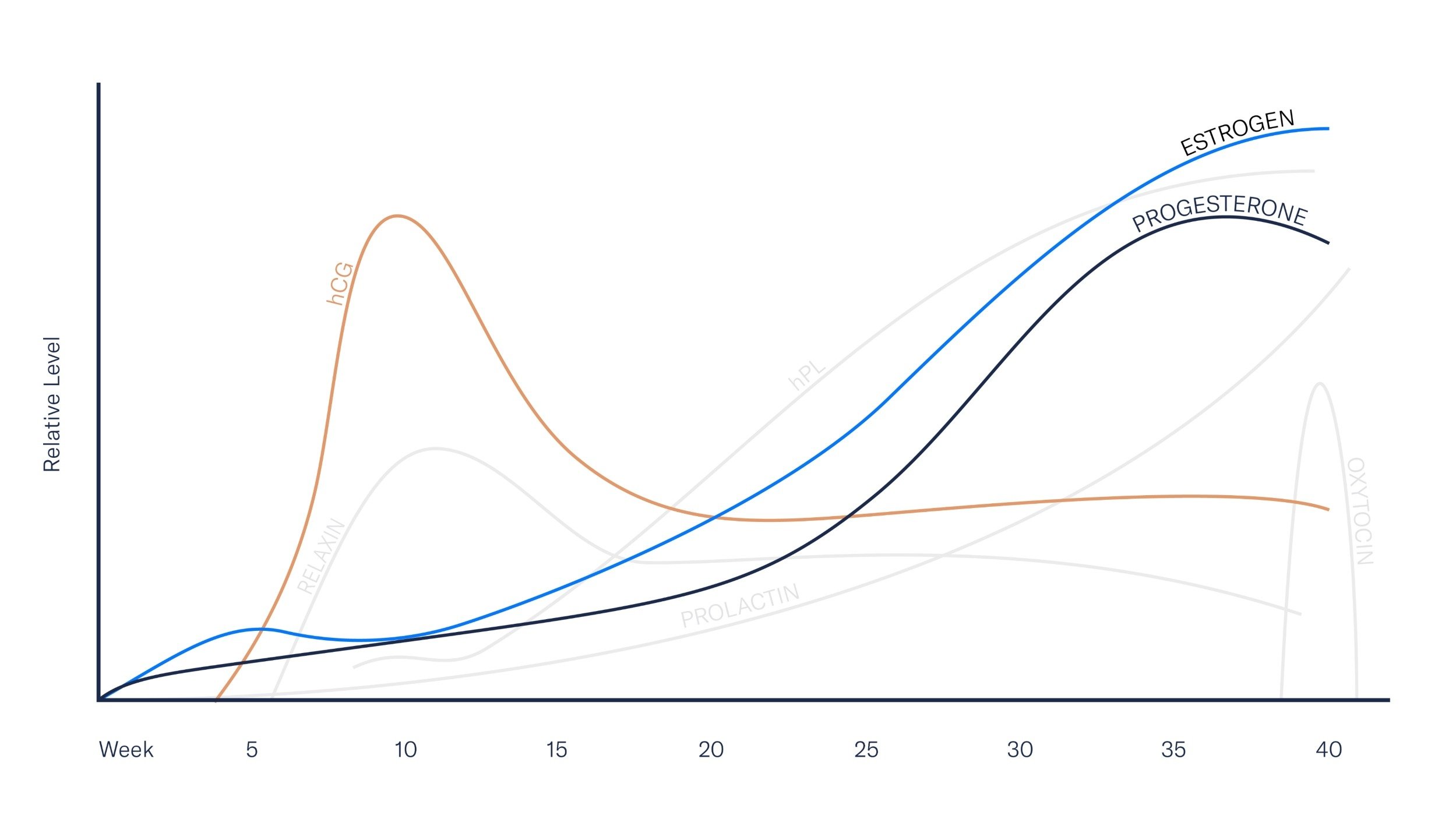
Progesterone (pregnancy)
Maintains the uterine lining (endometrium) for embryo implantation and prevents uterine contractions.
Oestrogen (pregnancy)
Helps develop the uterus and placenta; promotes growth of breast tissue for lactation.
hCG
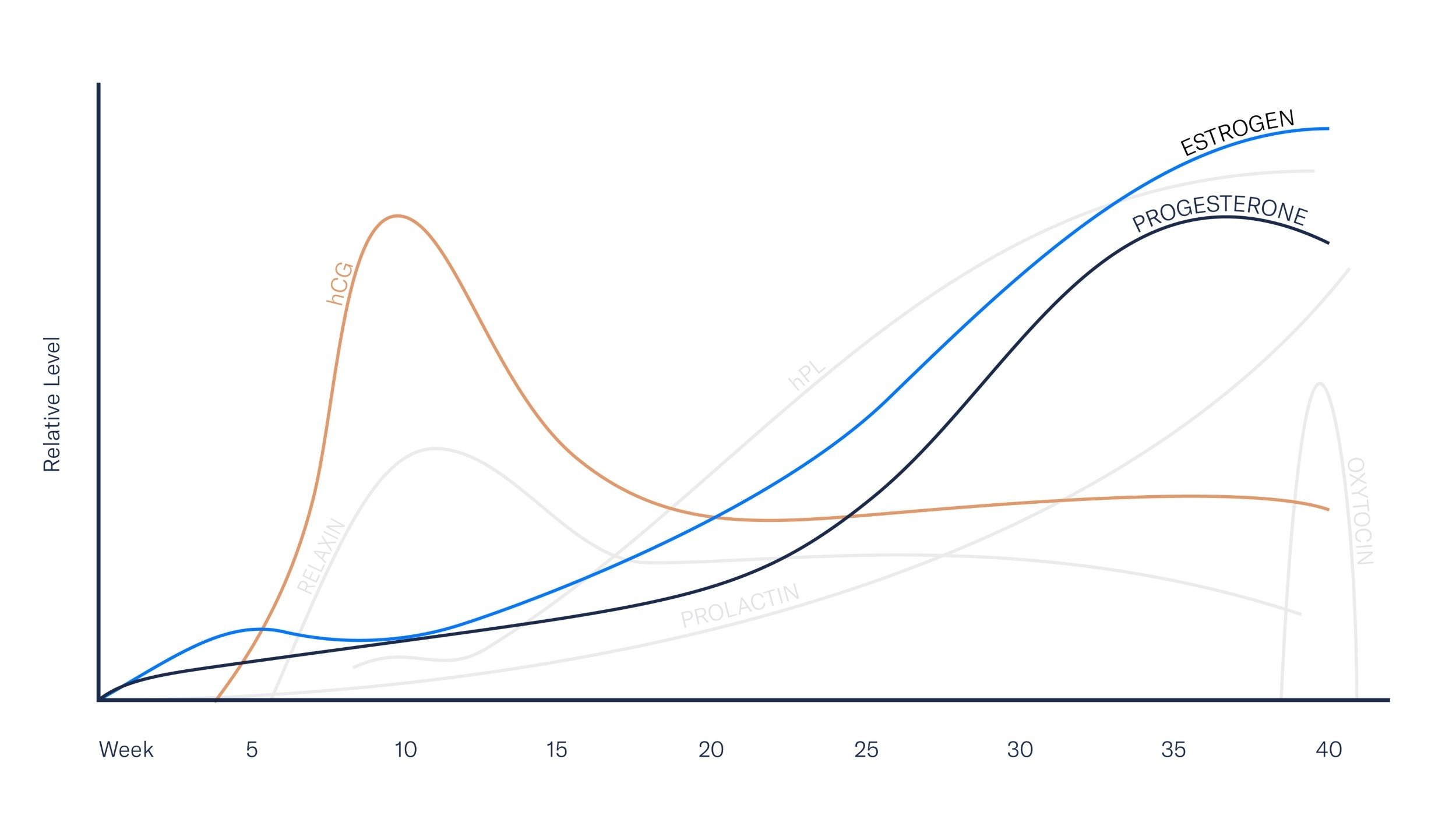
Maintains corpus luteum in early pregnancy so it continues to produce progesterone; detected in pregnancy tests.
Progesterone (menstrual cycle)
Secreted after ovulation; thickens and maintains the endometrium to prepare for possible pregnancy.
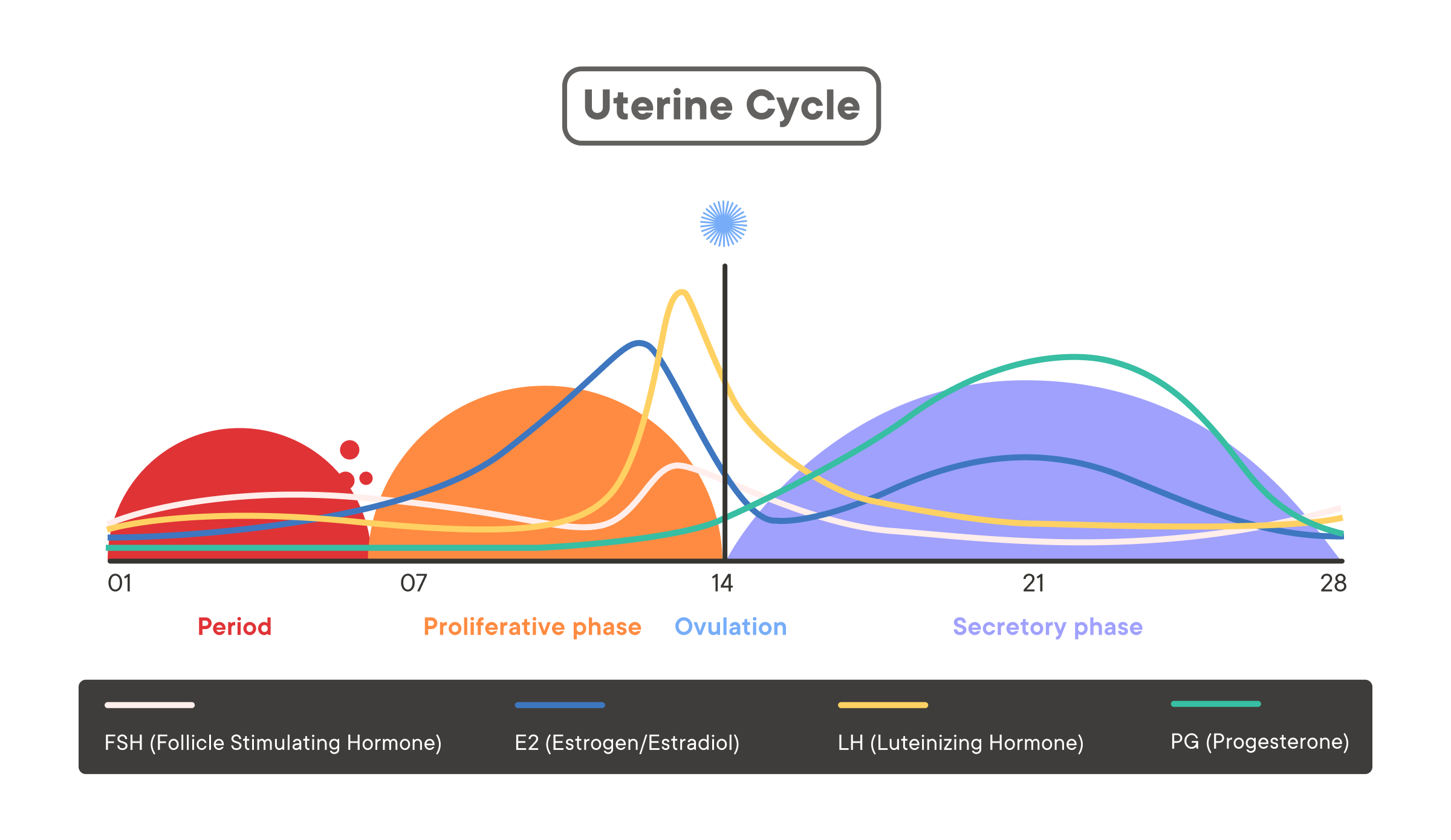
Oestrogen (menstrual cycle)
Stimulates growth of the uterine lining in the first half of the cycle; triggers LH surge for ovulation. (ALSO IN CHARGE OF DEVELOPMENT OF FEMALE SECONDARY SEXUAL CHARACTERISTICS)
Testosterone
Develops male reproductive organs and secondary sexual characteristics (e.g. facial hair, deep voice); supports sperm production.
Relaxin
Produced During Pregnancy: Relaxes ligaments in the pelvis and softens the cervix to prepare for childbirth
Cortisol
Stress hormone that helps regulate metabolism, immune response, and blood pressure; also involved in fetal development during pregnancy. It stimulates the placenta to increase oestrogen (oestriol) production, which is a key trigger for labour.
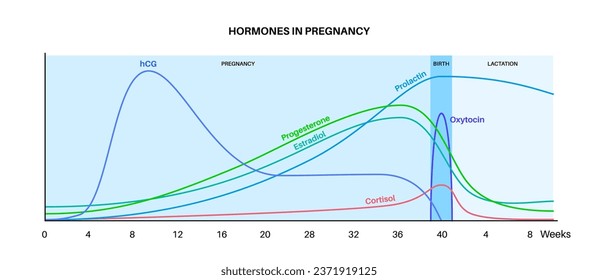
Oestriol
Oestriol levels rise sharply in the final weeks of pregnancy, signalling that the fetus is mature and labour is approaching.
Increases uterine sensitivity to oxytocin, a hormone that stimulates contractions
high levels indicate healthy fetal development and placenta function
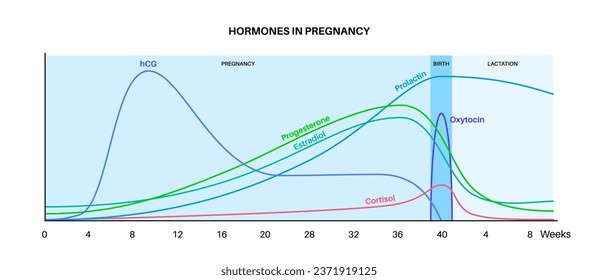
Oxytocin
Produced by: Hypothalamus, released by posterior pituitary
Function: Stimulates strong uterine contractions during labour
Feedback: Works via a positive feedback loop — more contractions → more oxytocin
Post-birth: Helps expel placenta and reduces bleeding; also triggers milk let-down in breastfeeding
GnRH
Pregnancy: Usually suppressed during pregnancy.
Normal Function: Stimulates pituitary to release FSH and LH, initiating the menstrual cycle.
Insulin
Function: Lowers blood glucose levels by promoting glucose uptake into cells and storage as glycogen in the liver.
Glucagon
Function: Raises blood glucose levels by promoting the breakdown of glycogen into glucose in the liver
Auxins
Promote cell elongation and are involved in phototropism (growth towards light) and root development
Cytokinins
Promote cell division and growth, especially in shoots and buds; delay leaf aging
Gibberellins
Stimulate seed germination, stem elongation, and flowering
Abscisic acid
Inhibits growth, promotes dormancy, and closes stomata during water stress (drought response).
Ethylene
Promotes fruit ripening and leaf fall (abscission); also involved in response to mechanical stress