Woma Python – Animal Studies
 Call Kai
 Learn
 Practice Test
 Spaced Repetition
 Match
 Flashcards
 Knowt Play
1/15

There's no tags or description
Looks like no tags are added yet.
16 Terms
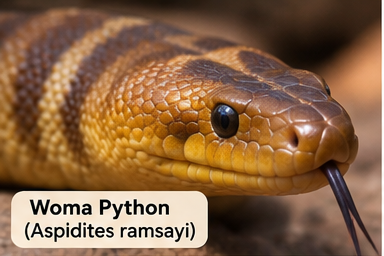
What is the scientific name of the Woma Python?
Aspidites ramsayi
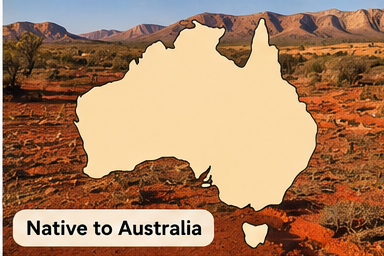
Where are Woma Pythons native to?
Australia
What habitat do Woma Pythons prefer?
Deserts, sandy plains, shrublands and arid woodlands

What is the average adult length?
1.5–2 metres

Are Woma Pythons venomous?
No, they are non-venomous constrictors

What do Woma Pythons eat?
Small mammals, birds, lizards and other snakes

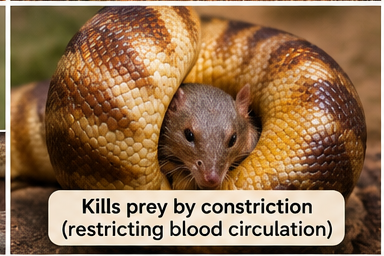
How do Woma Pythons kill their prey?
By constriction, restricting blood circulation
When are Woma Pythons most active?
Mainly at night and around dawn or dusk

How do Woma Pythons reproduce?
Females lay eggs (oviparous)

How many eggs does a female generally lay?
Approximately 5–20 eggs

How does a female protect her eggs?
She coils around them during incubation

Do Woma Pythons have heat-sensing labial pits?
No, unlike most other pythons

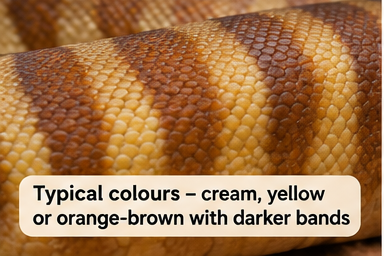
What are the typical body colours?
Cream, yellow or orange-brown with darker bands
What physical adaptations help with burrowing?
Smooth scales and a relatively narrow head

What is their approximate lifespan?
Around 15–20 years, sometimes longer in captivity

What threats affect Woma Pythons?
Habitat loss, introduced predators and altered fire regimes
