Anatomy ch.4 integumentary system
 Call Kai
 Learn
 Practice Test
 Spaced Repetition
 Match
 Flashcards
 Knowt Play
1/46

There's no tags or description
Looks like no tags are added yet.
47 Terms
Overall system
hair, skin, nails
Waterproofs, cushions, and protects the body
Excretes salt and urea in perspiration
Regulates body temp
Skin = sensory organ
Synthesis of vitamin d
Categories of body membranes
epithelial (skin)
Connective tissue membranes (ligaments)
Cutaneous (epithelial)
skin
Superficial epidermis
Stratified squamous (defense mechanism)
Keratinized= protein that hardens the cell (feet and hands)
Dermis= below=connective tissue
Mucus membrane (defense mechanism =black)
lies on connective tissue called: laminate propria
Lines all body cavities that open to the exterior
Respitory, reproductive, urinary, digestive
Wet membrane
Stratified squamous (mouth, esophagus)
Absorbs things + secretes mucus
Serous membrane (serosa- fluid when breathing so it doesn’t hurt)
1 layer, flat, thin, aerial aeriolar tissue
Line body cavities that are closed to exterior (not exposed)
Heart, lungs, different organs
2 layers:
Parietal (outer layer fused to cavity wall)
Visceral (inner layer)
Fluid separating the 2 layers allows organs to slide around w/out friction
Abdominal = peritoneum
Thoracic = pericardium
Thoracic = pleura (around lungs)
Connective tissue
no epithelia cells
Soft aeriolar connective tissue
Not a cube pattern, all different shapes
Synovial membranes
Line joint cavity + secrete synovial fluid (no friction)
Lines tendons (no friction)
Stratus carallum
top, dead layer
20/30 cell layers thick (3/4 epidermous thick)
Stratus basalt: bottom layer
Melanin produces (pigment determining skin color)
Papillary
region of the dermous
Upper region
Uneven, finger like extensions
Contains capillary loops to nourish epidermous above (exchange of Co2 + O2 in blood)
Contains touch and pain receptors (measures receptors)
Reticular
deepest layer
contains blood vessels, sweat, oil glands
Phagocytes are found here (prevent bacteria)
collagen (toughness of dermis, hydration)
elastin (elasticity of skin)
capillaries regular temp
lots of nerves + sensory messages to CNS
skin has color
amount/ kind/ activity of melanin
Amount of carotene (orange/yellow)
amount of hemoglobin in dermal (skin turns red- blush)
blush = lack of oxygen circulation, cold
skin can change color
redness= embarrassment, fever, allergy
pallor (blanching) = fever, anemia, low BP
jaundice = liver disorder (pigments absorbed into blood + show through)
blakc and blue = blood has escaped and clotted into tissue spaces (hematoma)
2 groups of apendages of the skin
sebaceous
sudoriterous
sebaceous
oil glands
found over the body
empty into hair follicles
some skin
secretion is called sebum (seb=grease)
keeps skin soft, moist, prevents brittle hair
glands = very active during puberty
suboriterous
sweat (unpleasant odors)
eccrine- widely distributed
produces sweat (salt and water)
exists through pores
equipped with nerve endings
apocrine- found in genital areas, ducts empty
into hair follicles
fatty acids + protiens
milky + yellowish color
hair follecules description
millions all over bosdy
early function = insulate body
guards bumps, sheilds eyes, keeps particles out of respitory tract
made of follecules
hair = made of follecules
flexible epithellial strucutre
root, short comes off the root
hair = dead, top of dermis + likely just protien
what is a hair follecule made out of?
central = medulla
cortex = surrounded by cuticle
Cuticle helps keep hair from matting; heavily keratinized + provides strength
Melanocytes give hair color
hair shaft (can see)
rounded = straight hair
flat like ribbon = curly hair
oval = wavy hair
nails
hair, hoof, claw (modification of epidermis)
each root has free edge + cuticle overlaps hair
epidermis basale stratum produces cells that become keratinized and die while moving out
hairs look pink bc of underlying dermis
can have ailments and problems
languo
fetus is covered by a downy type hair (thin)
usually sheds before birth
Vernix caseosa
Baby is born with it
Produced by the oil glands to protect the baby while in the amniotic sac
adolesence
Skin + hair become more oily as oil glands are activated by hormones
acne might appear
Skin is assaulted daily by abrasion, chemicals, wind, air pollution, and bacteria
keep it clean! Wear sunscreen!
during old age
skin becomes drier (less oil production)
hair becomes thinner - skin less protected
hair gets gray - no melanin
less fats and collagen - skin less elastic
smoking and sunlight can speed up this aging process (15 hours a day = cray cray)
tatoos
made by using a needle to deposit pigment in dermal layer of skin (ouch)
henna = top layer
concerns of tattoo
is the needle sterale (risk HIV or infection)
risk hepititis B infection = 15 times higher in people who have been tattooed
is the dye safe (some contain carinogens)
tatoo removal
even more pain
dermabrasion, cryosurgery, chemicals
now- laser based tech used
color = harder to remove
sever lasers over 8 treatments about a month apart (each $100)
“tattoos removal across the us is skyrocketing”
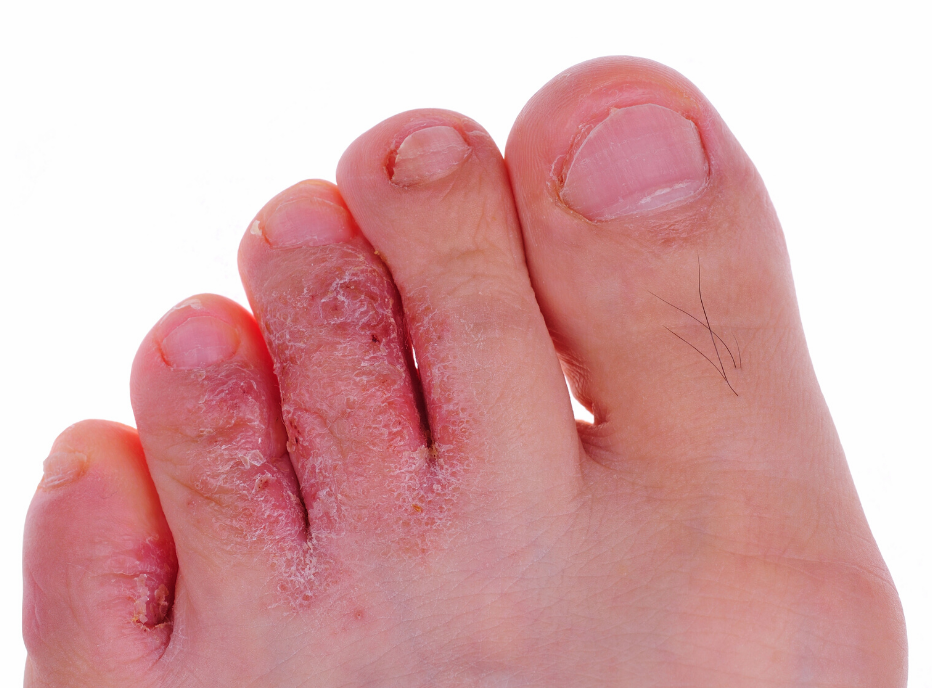
athletes foot
caused by fungas
itchy, red, peeling between toes
wear flip flops in shower at the Y/HAC

boils and corbuncles
cuased by bacterial infection
inflammation of hair follecules and oil glands
most common on the dorsal neck

cold sores
caused by herpes virus
virus localizes in a nerve, where it remains dormant until acitviated by stress or fever
small fluid blisters that itch + sting

contact dermititis
caused by exposure of skin to chemicals
ex: poison ivy, detergent, etc (gel on nails for me)
allergic response- itchy, red, swelling of skin- may progress to blisters

impetigo
caused by bacteria (staphyloccus - staf infection)
highly contaigious
pink, water filled, raised in lessions that develop a yellow crust and rupture
psoriasis
autoimmune syste- triggered by infection, hormonal changes or stress
chronic (lasts for a long time)- over reproduction of skin cells that result in red lessions covered by dry, silvery scales that itch, burn, crack
what is a burn
tissue damage and cell death caused by intense heat, electricity, sunbrun, and acids
most serious threat to skin
why is a burn not good for you?
skin can’t protect you anymore + dehydrating your internal organs (fluids rush to skin to heal it- away from internal organs)
what is the rules of nines?
estimates the amount of fluid lost by determining how much of the body is burned
body is divided into 11 areas, each accounting for 9% of the total body surface areas plus genitals (1%)(perieum)- legs and torso in adult, head in child
after fluids are replaced, whats the most important threat?
infection
leading cause of death in burn victims
Burned skin is sterile for 24 hours
pathogens easily invade areas where skin is destroyed (multiply quickly) (pathogen = disease-causing organism, bacteria and fungi)
victims’ immune system is lowered due to burns (heat causes infection to speed up)
first degree burn
only epidermous is damaged (top layer)
Generally not serious
Heals in around 2-3 days
ex. sunburn
2nd degree burn
injury to epidermis + upper region of dermis
red, painful, blisters
because enough epithelial cells are still present, regeneration can still occur
no permanent scars if care is taken
pick/peel = might not ever fully heal
ex. chemical or spilling something hot
3rd degree burns
destroys the entire thickness of the skin
burned area appears gray or black b/c everything is dead
nerve endings are destroyed
regeneration is not possible
skin grafting must be done to cover the exposed tissues (another body part’s skin is shaved off and put on top of the burnt layer- hope it reconnects)
ex. electrical, any severe burn (fire, trapped in fire room)
burn considered critical if:
over 25% of body has 2nd degree burns
over 10% has 3rd degree bruns
any 3rd degree bruns on face, hands, feet
facial burns = dangerous cause respitory passagmwaus can swell and cause suffocation
paths where air comes in = can’t be affected
basics about skin cancer
neoplasm = “new growth”
benign = localized, doesn’t metastasize (warts, moles)
melignant = metastasizing cancer
cancer cells reproduce uncontrollably and are not able to do their normal cellular functions (overtaking healthy cells not letting them work normally)
most common cancer = skin cancer (people love to be in the sun)
Basal cell carcenoma
most commonly diagnosed
least malignant/ least risky
basal layer of epidermous, mutate + multiply invading the dermous
appea shiny, dome shaped
slow growing + seldom metastisizes
99% cure rate for those removed
Squamos cell carciinoma
scaly, red elevations that gradually form a hallow ulcer with a firm, rasied border
appeards mostly on scalp, ears, dorsal, hands, lower lip
Malingnant melanoma
concer of the meanocytes
accounts for only 5% of skin cancers but is often fatal
most MM sppears spontaniously, some develop from moles
arise from accumilated DNA damage
starts somewhere and travels to a new part of the body
appears brown/black pattern
surrounding lymph nodes and blood vessels
50% survival rate
early detection helps
A- Asymmetry
perfectly round
B- boarder
boarder irregulary jagged/ zigzagged
C- color
collor has differnent colors inside and out
D- diameter
larger than 6mm/ size of pencil eraser - get it checked out
E- evolving
started small and is growing- get it checked