PSYCH 201 Exam 1
 Call Kai
 Learn
Learn Practice Test
 Spaced Repetition
 Match
Match Flashcards
 Knowt Play
1/53

There's no tags or description
Looks like no tags are added yet.
Name | Mastery | Learn | Test | Matching | Spaced | Call with Kai | Chat |
|---|
No analytics yet
Send a link to your students to track their progress
54 Terms
What is it called when someone thinks they’re hot shit at something they’re actually really bad at?
The Dunning-Kruger effect

What is the idea that the mind and the body are separate yet intertwined?
Dualism

What is the idea that conscious thought is due only to the brain (a single/mono thing)?
Monism (the opposite belief to dualism).

Who is associated with dualism?
Plato and René Descartes
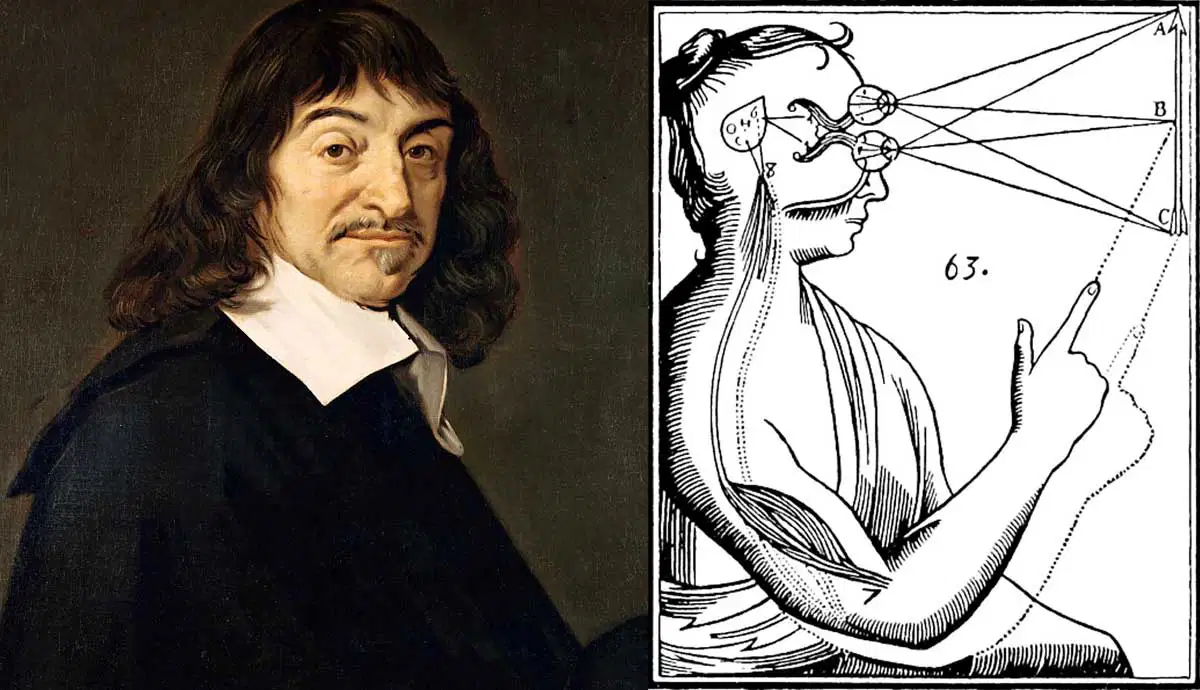
Who is associated with monism?
Hippocrates and Hobbes

What is the difference between the mind/body dilemma and nature/nurture?
Mind/body: is the mind separate from the body, or is the mind just the subjective experience of ongoing brain activity?
Nature/nurture: what is the origin of mental life? Is it an emotion caused by genetics or culture?

What are the areas of specialization in psychology?
Clinical
Cognitive
Cultural
Developmental
Health
Industrial/organizational
Relationships
Social-personality
What does an EEG do?
It measures changes in electrical activity in the brain.

What does an MRI do?
It shows the brain as a whole.
What does an fMRI do?
It measures brain function in real time, such as how people see and remember information.

What does an PET scan do?
It uses radiation to highlight specific parts of the brain.

What does an TMS scan do?
It uses magnetic waves to temporarily disrupt certain parts of the brain.

What is epigenetics?
The study of how our environment influences gene expression without altering the DNA sequence.

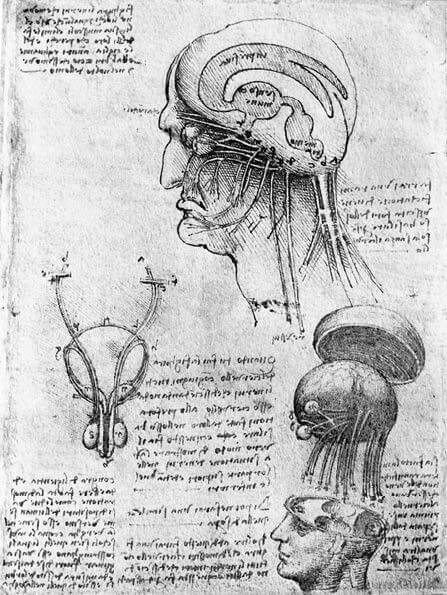
Who was one of the first to link the anatomy of the brain to psychological function?
Leonardo da Vinci
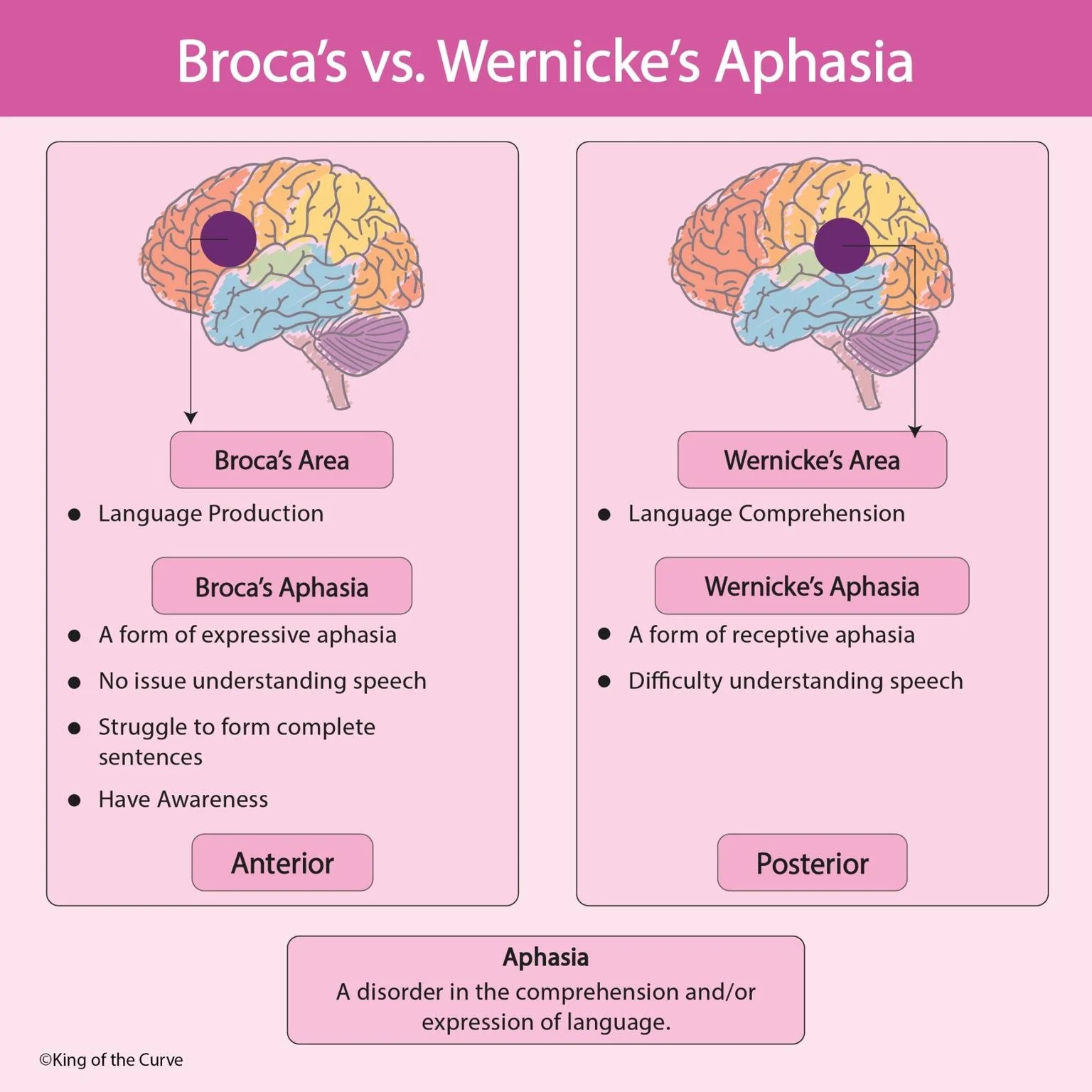
What is an example of localization of function?
Broca’s and Wernicke’s areas which control speaking and language comprehension respectively.
Who studies sensations, memories, and judgements (simple mental processes)?
German Experimentalists (1870s), for example Wilhelm Wunt (introspectionism) who came up with the subtractive method still used today!

What is psychophysics?
The relationship between conscious sensory experience and physical stimuli.
e.g. detection and discrimination

What is it called when Tichner used introspection to break apart and examine individual components of conscious experience?
Structuralism

What is the idea called that places emphasis on the purpose and functions of the mind?
Functionalism (imagine a house… you don’t just look at the bricks you look at what they make up e.g. a kitchen, a living room, etc)
Who is associated with functionalism?
William James (#feminist) who originally worked in medicine but then took a philosophical approach to teaching psychology.

Which idea is embodied by the phrase: “the whole is bigger than the sum of its parts”?
Gestalt (“whole form”) Psychology

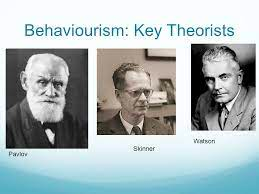
What idea was a reaction against introspection as a method to study unobservable mental states and posited that ideas and mental states were not worthy of study as the mind was considered a “black box", focusing on learning instead?
Behaviorism

Who is associated with behaviorism?
Watson and Skinner
What are the goals of research?
Description
Understanding (theories)
Prediction
Application (influence)
What is the law that posits that the simplest explanation is often true?
Occam’s Razor/Law of Parsimony

What does HARKing stand for?
Hypothesizing After Results are Known

What is the difference between random sampling and random assignment?
Random sample: taken from a population as representative of that group
Random assignment: taken from your sample to assign variables

What are the ethical principles of experiments?
Respect for persons (informed consent/autonomy + debriefing)
Justice (the fairness in the distribution of costs and benefits of research across a population e.g. the black man syphilis case)
Confidentiality
Beneficence (risks vs rewards especially of the participant isn’t likely to benefit e.g. testing on rats)
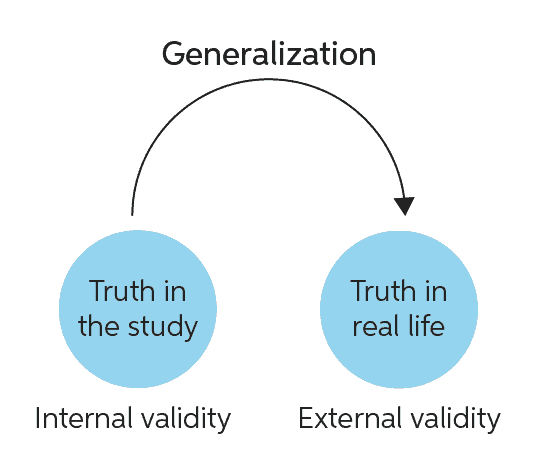
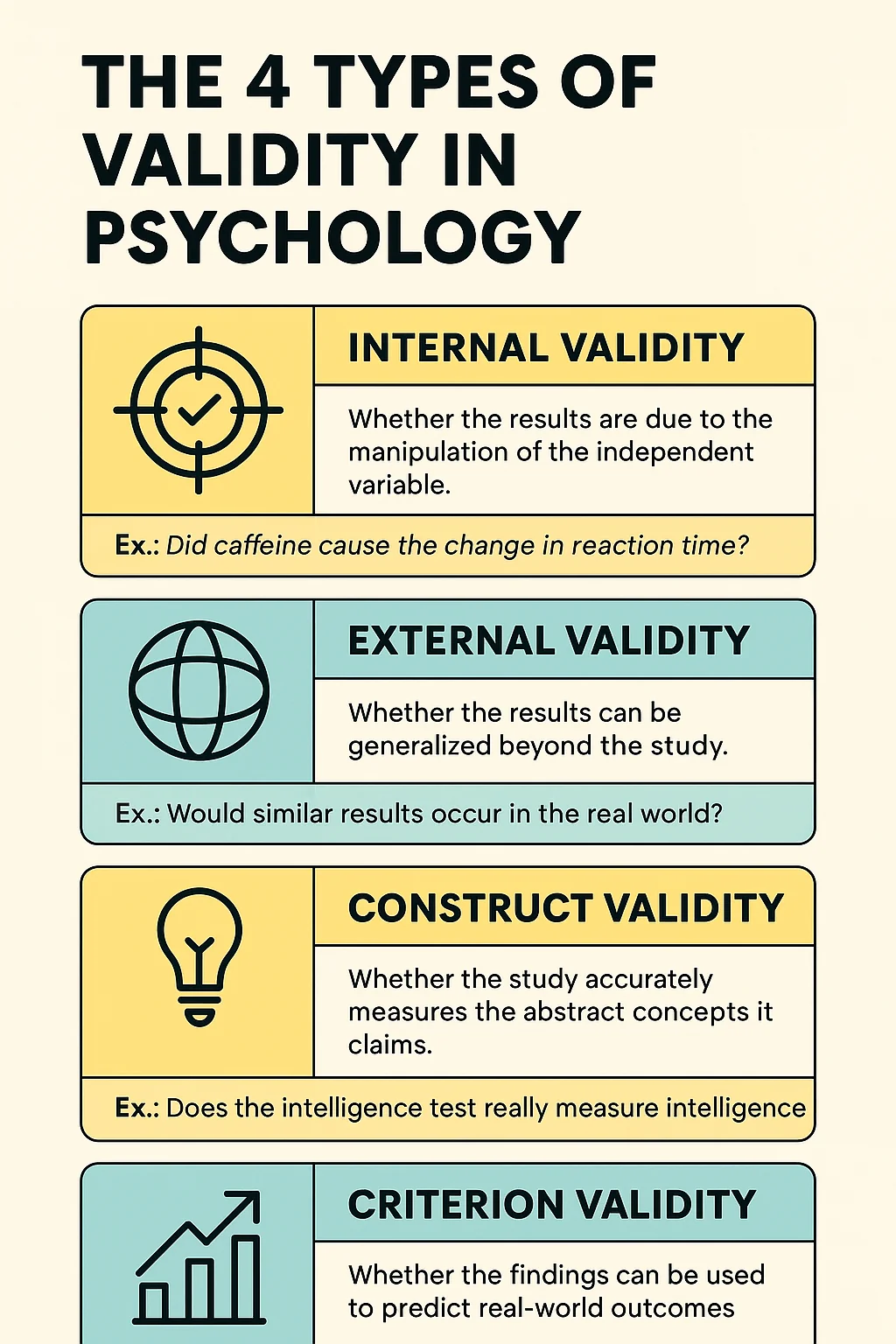
What is the difference between internal and external validity?
Internal validity: the degree to which the effects observed in an experiment are due to the independent variable and not confounds.
External validity: the degree to which the findings of a study can be generalized to other people, settings, or situations.
What is construct validity?
The extent to which variables measure what they are supposed to measure.
What is central tendency?
The mean, median, or mode
What is are Bayesian statistics?
When you combine existing beliefs with new data to update the estimated likelihood that a belief is true.

What is the difference between descriptive statistics and inferential statistics?
Descriptive measures…
The central tendency and variability in experiments
The correlational coefficient in correlation studies
Inferential measures…
The probability of statistical significance in experiments
If there was a third variable involved in correlational studies
What are some potential confounding variables you might see in experiments vs. correlational studies?
Experiments:
Random variables
Subject expectancy (e.g. placebo effect)
Experimenter expectancy (e.g. “maze bright” and “maze dull” rats and college students)
Correlational:
The third variable problem
What forms myelin sheaths?
Glia “helper cells”
How do reflexes work?
Through the transmission of electrical signals through Sensory Neurons, Interneurons,
and Motor Neurons.
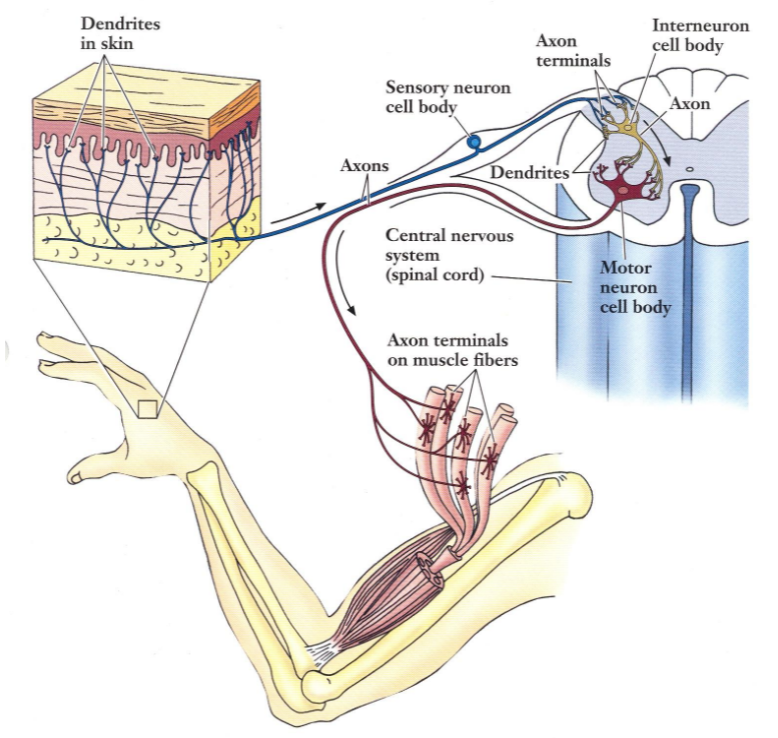
From receiving component to sending component, what is the correct order of cell structures in a neuron?
dendrites, cell body, axon, terminal buttons, synapse

How does neuron firing work? (BIO 222 review essentially…)
Membranes start at -70 mv
Once a threshold potential of -55 mv is reached, Na+ channels open and Na+ enters the cell
The cell depolarizes because of this, becoming more positive
Once it reaches +50 mv, Na+ channels close and K+ channels open causing K+ to leave the cell
The cell hyperpolarizes because of this until it reaches resting potential once more
The Na+/K+ pump brings concentrations back to equilibrium

What do neurotransmitters do once they’re released from vesicles due to an action potential caused by depolarization?
They activate postsynaptic receptors which open ion channels, and this flux results in an excitory or inhibitory postsynaptic potential (EPSP or IPSP).
More EPSP = More action potentials
What are the three major events that terminate a neurotransmitter’s influence?
Reuptake
Enzyme deactivation
Autoreception
What is the difference between an agonist and an antagonist regarding neurons?
Agonists enhance the activity of neurotransmitters, while antagonists inhibit their activity.
HINT: More neurotransmitters in the synapse = agonist

What is the major difference between PET and fMRI versus EEG as methods for studying brain activity?
PET (radiation) and fMRI provide more information about where brain activity occurs using blood flow, while EEG provides more information about when brain activity occurs using electrical signals.
A split-brain patient (someone with a severed corpus callosum) is presented with two words simultaneously: “saw” on the right and “hammer” on the left. If you give the patient a pen and paper and ask her to draw what she saw with her left hand, what will she draw?
A hammer

What are the different lobes primarily responsible for and where are they located?
Occipital lobes (your eyes in the back of your head/occipital bun): vision
Parietal lobes (top of the head, pat pat): touch
Temporal lobes (you temples!): hearing
Frontal lobes: planning and movement
What part of the brain is in charge of memory?
The hippocampus
What part of the brain is in charge of comprehending ourselves, other people, and the outside world?
The cerebral cortex
What part of the brain regulates survival systems (e.g. hunger)?
The hypothalamus
What part of the brain acts as a sensory gateway?
The thalamus
What part of the brain is involved in detecting the emotional significance of facial expressions?
The amygdala
What part of the brain is involved in moving and planning motor activity as well as reward?
The basal ganglia
What part of the brain is involved in secreting hormones?
The pituitary gland (located in the hypothalamus)
Sympathetic vs. Parasympathetic: what does what?
Sympathetic prepares the body for action
Parasympathetic returns the body to its resting state

The Nervous System
Central = brain and spine
Peripheral = everything else
Somatic = skin and skeleton (muscles)
Autonomic = automatic function (guts and glands)
Sympathetic = fight/flight
Parasympathetic = relaxing afterwards
